
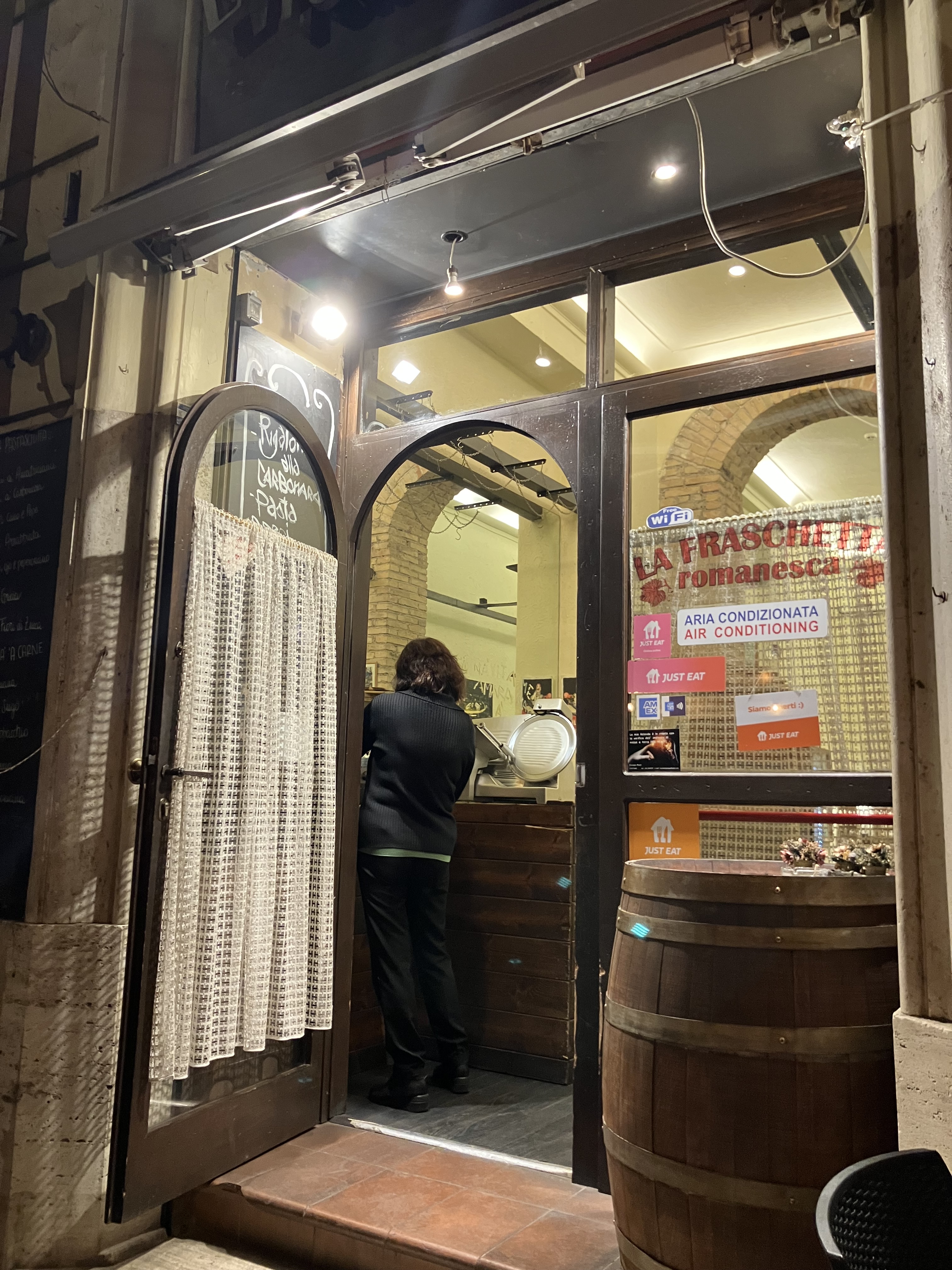
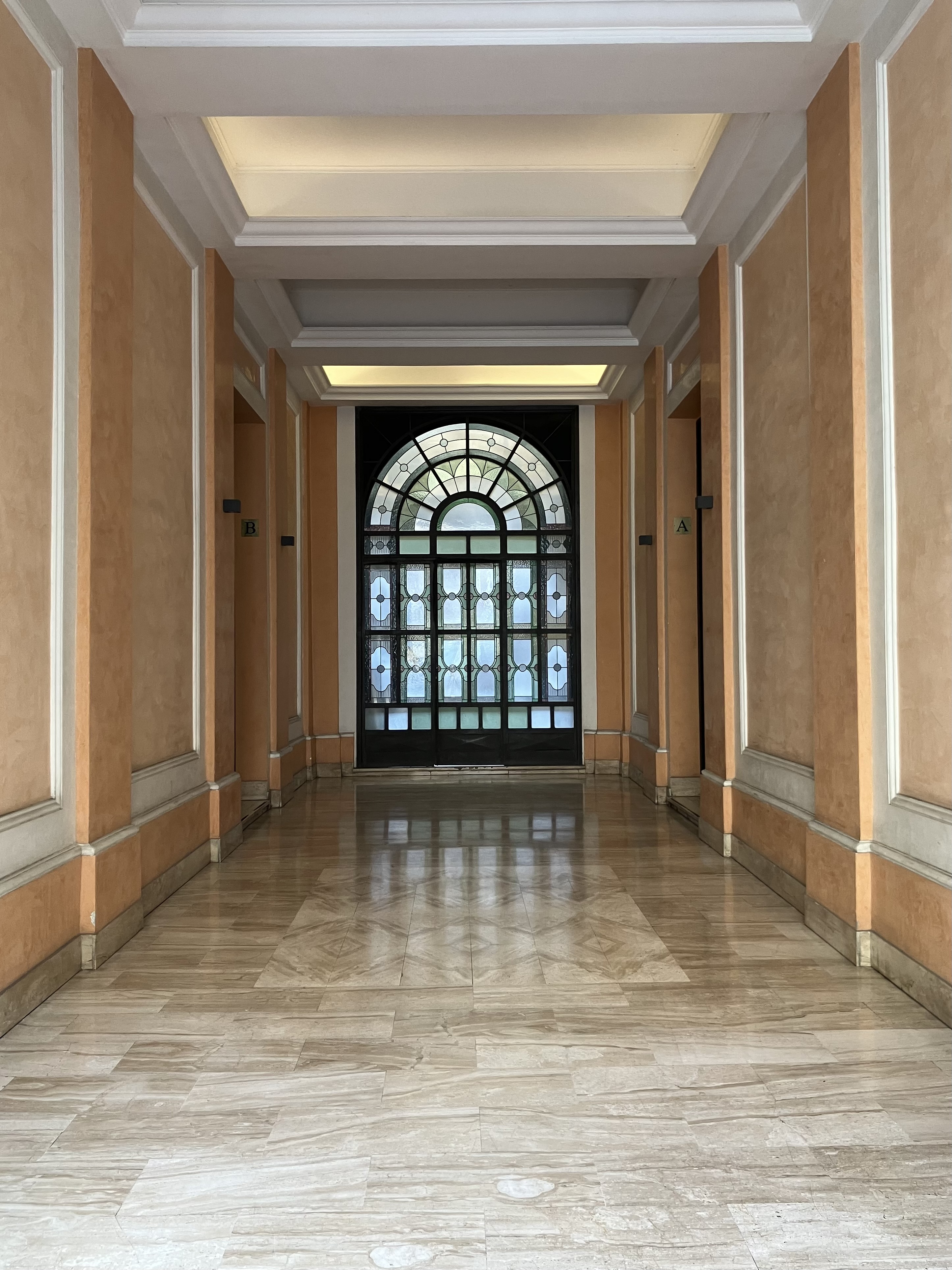
Doorways of Rome 1

Polignano a mare

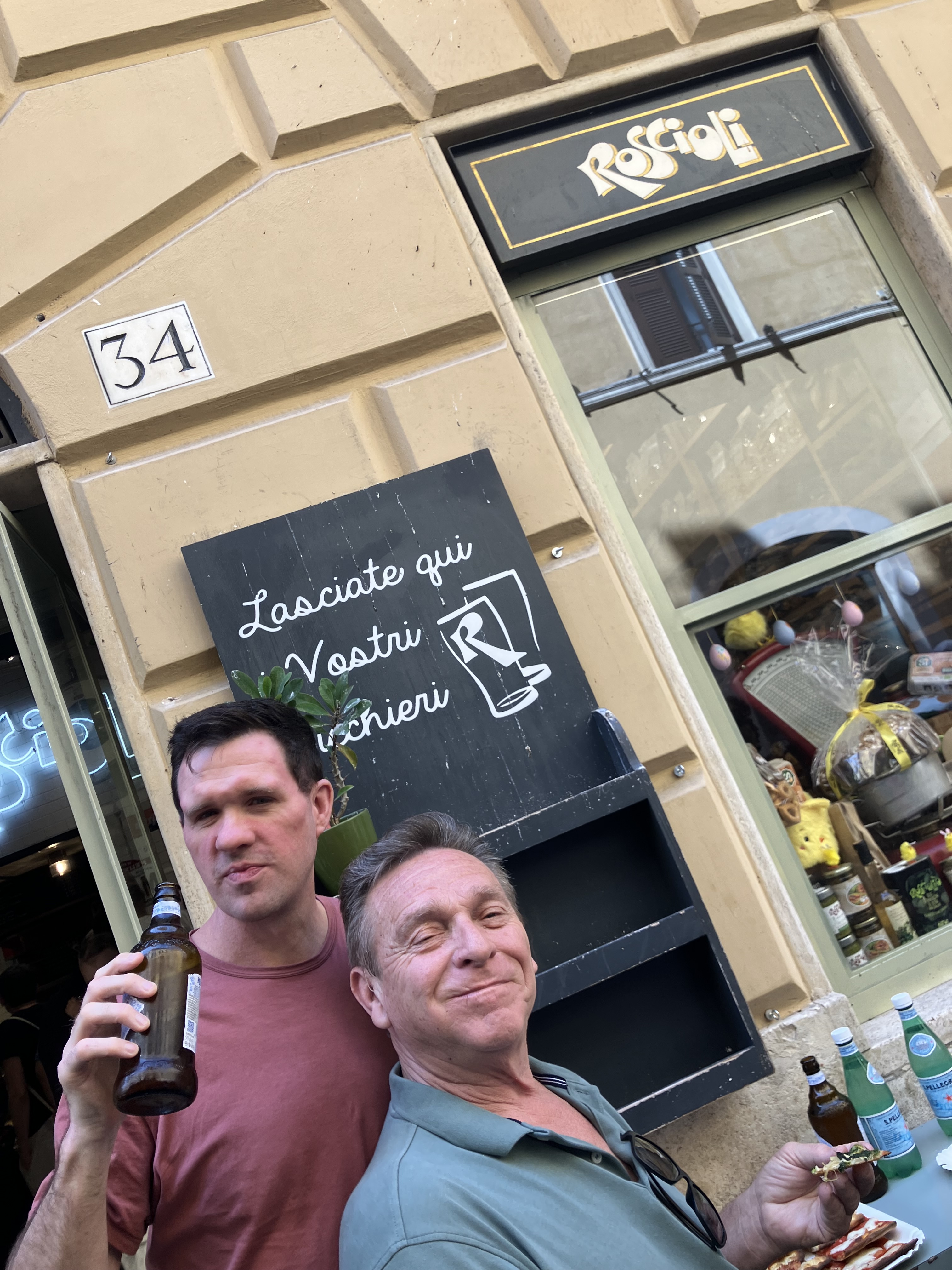
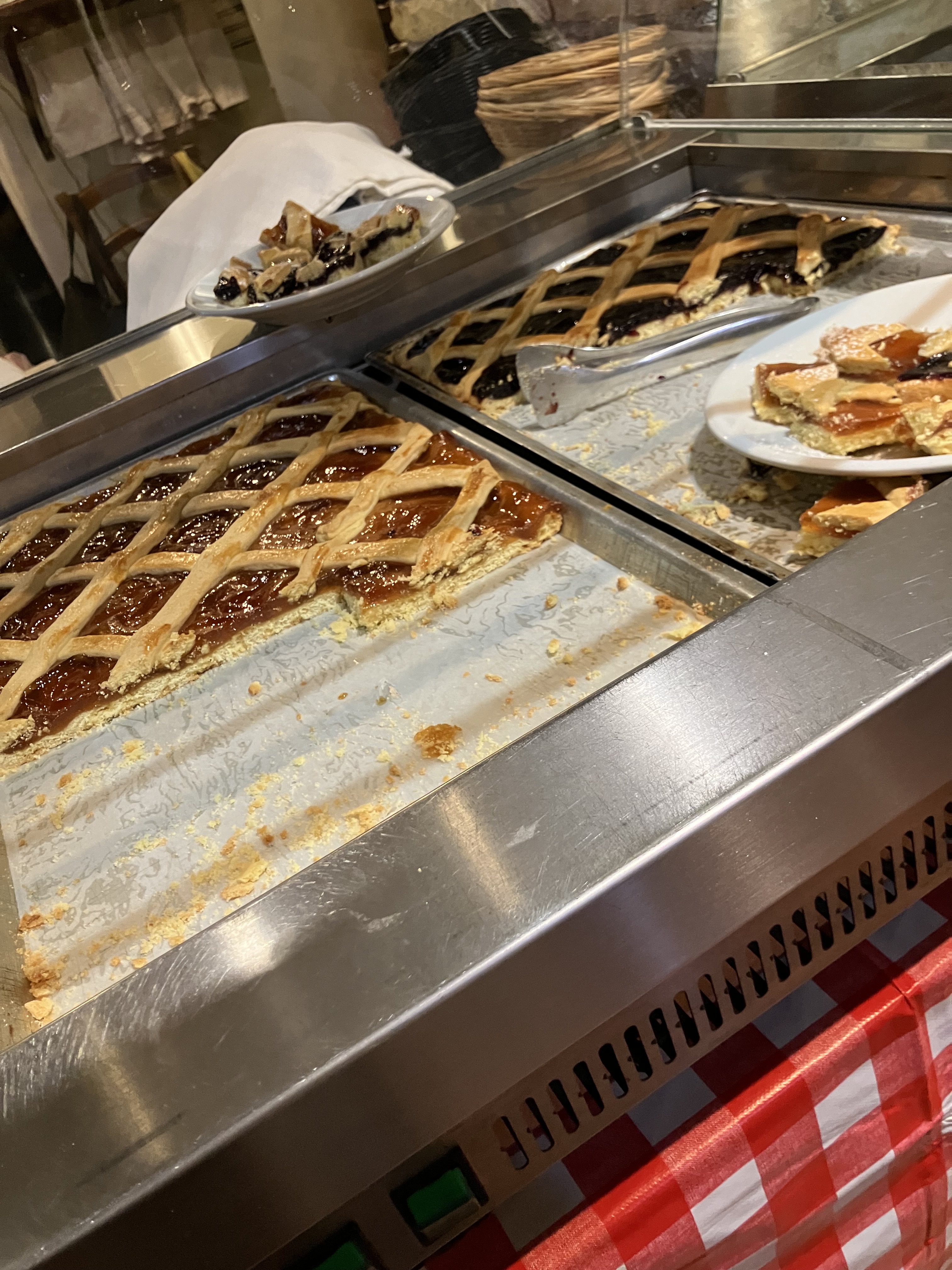
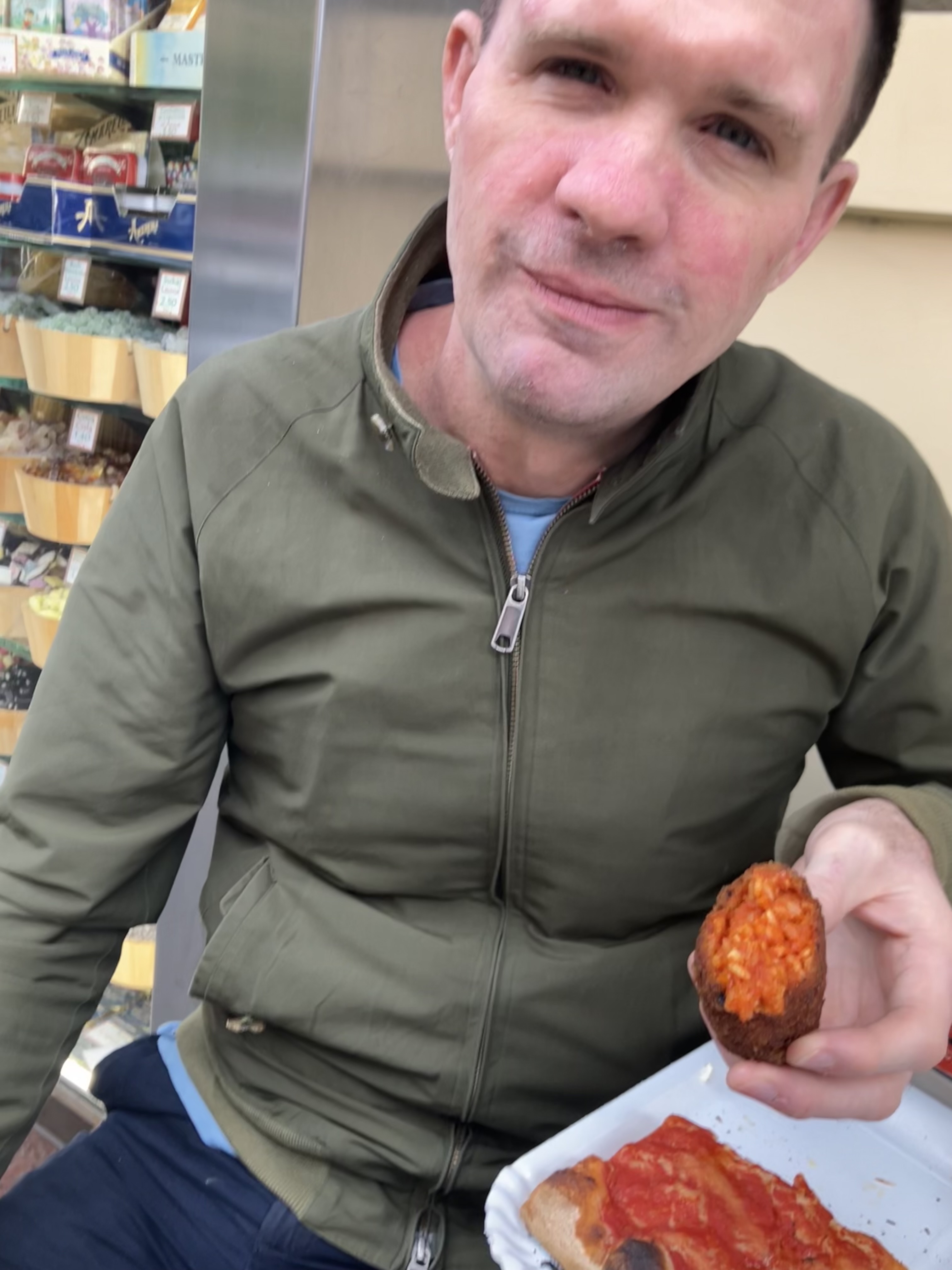
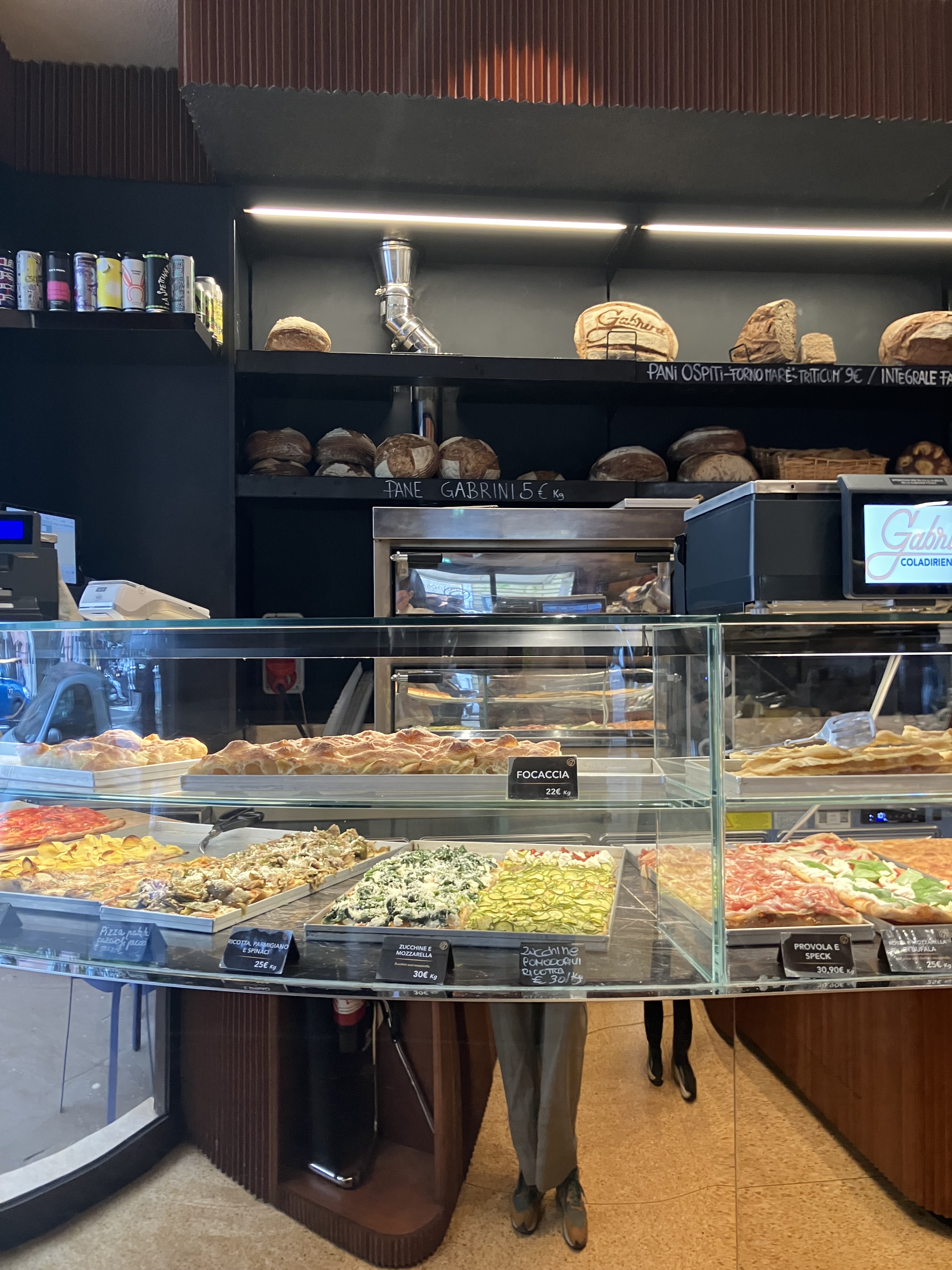
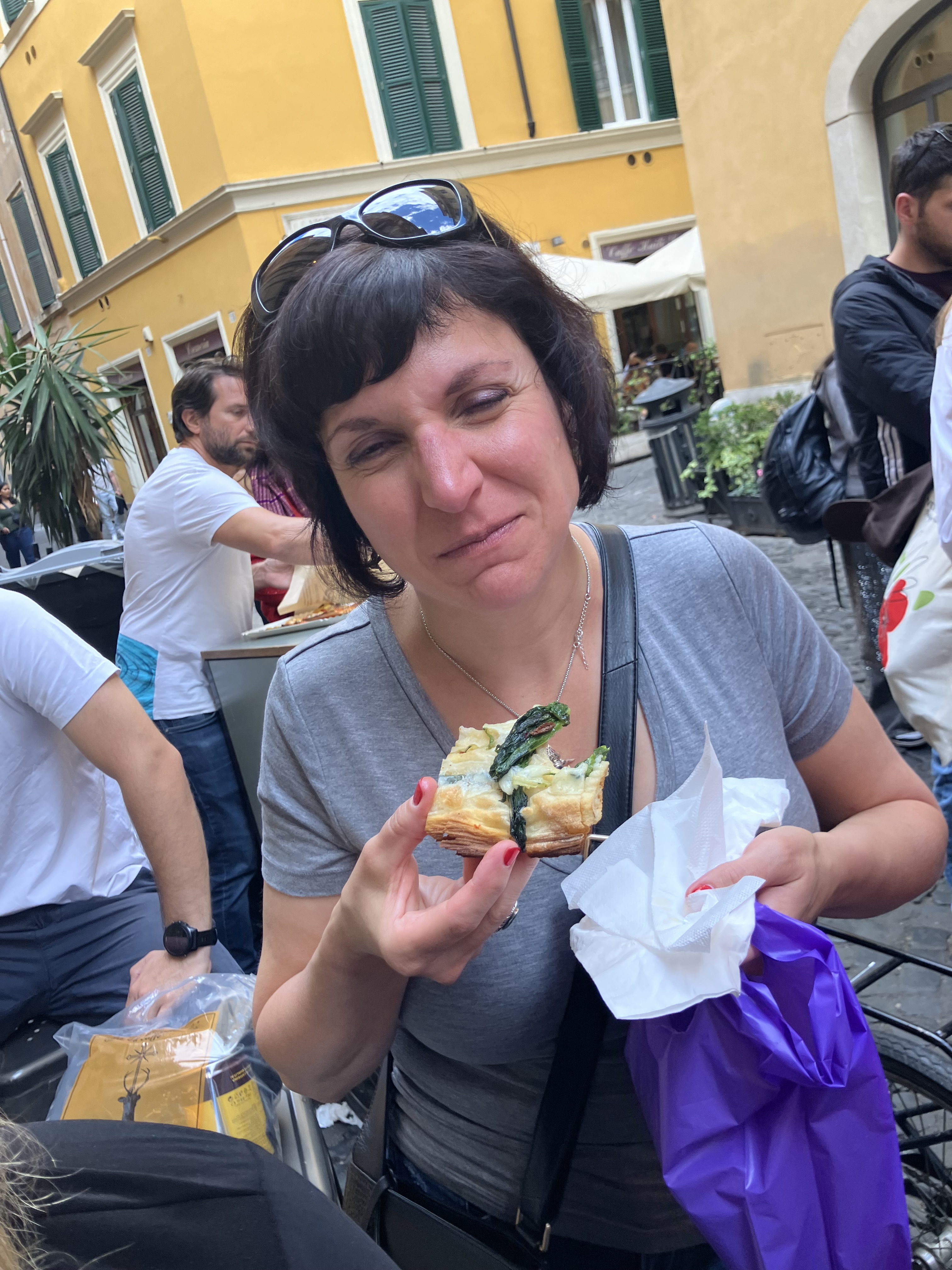
Pizza al taglio in action

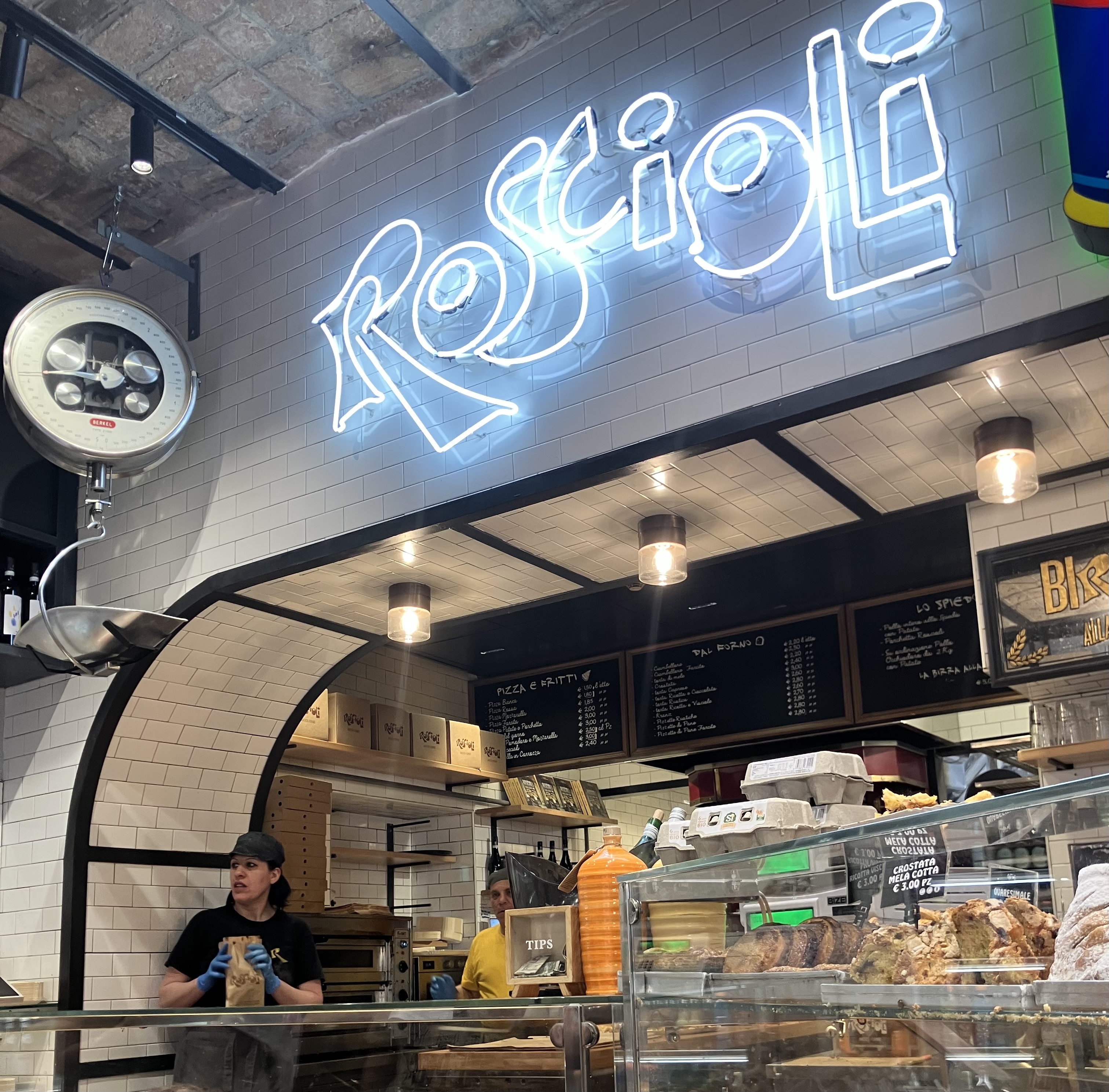
Roscioli dreams

Bread heaven

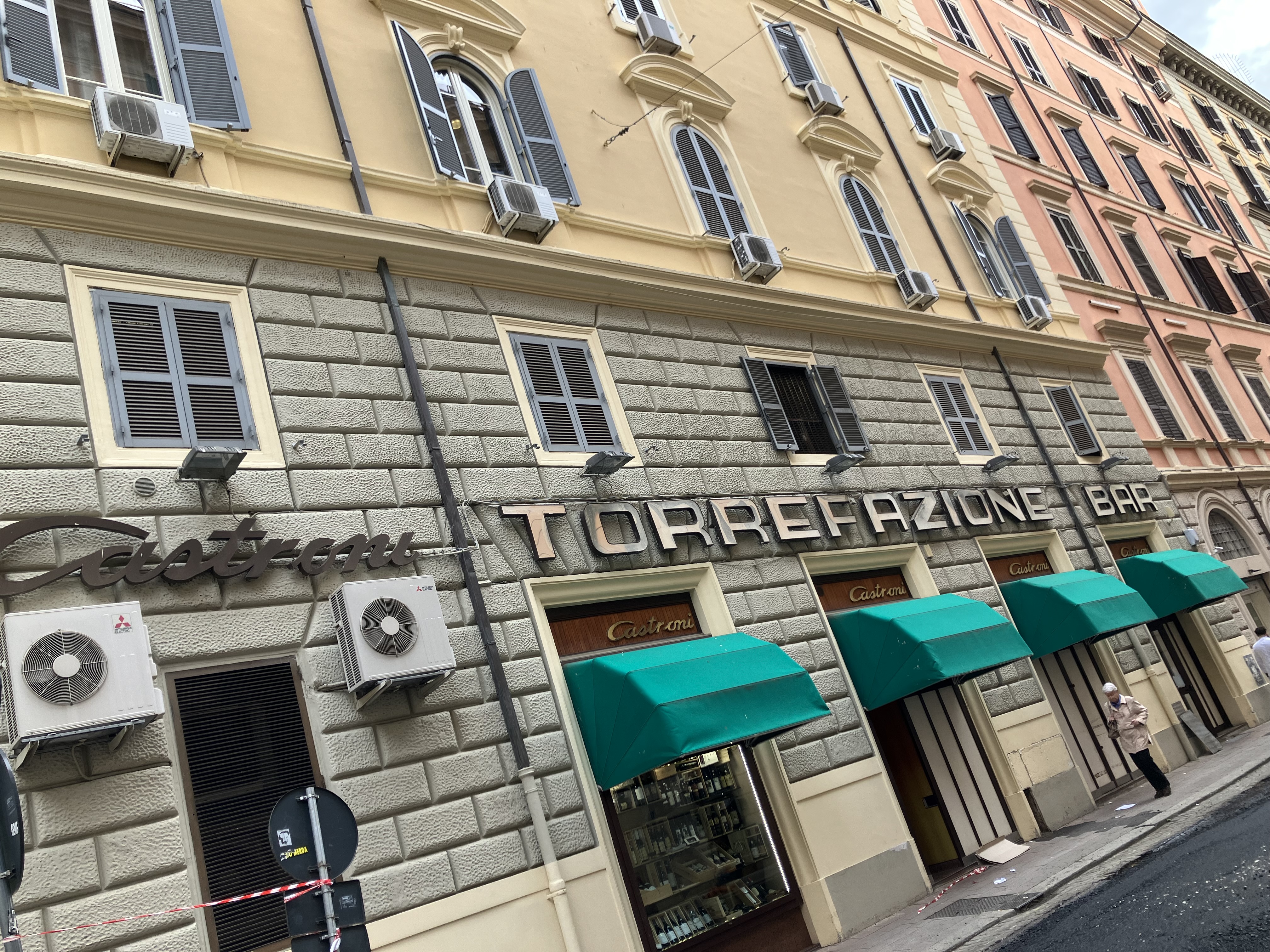
Rooftops of Rome 1

Last night laughs

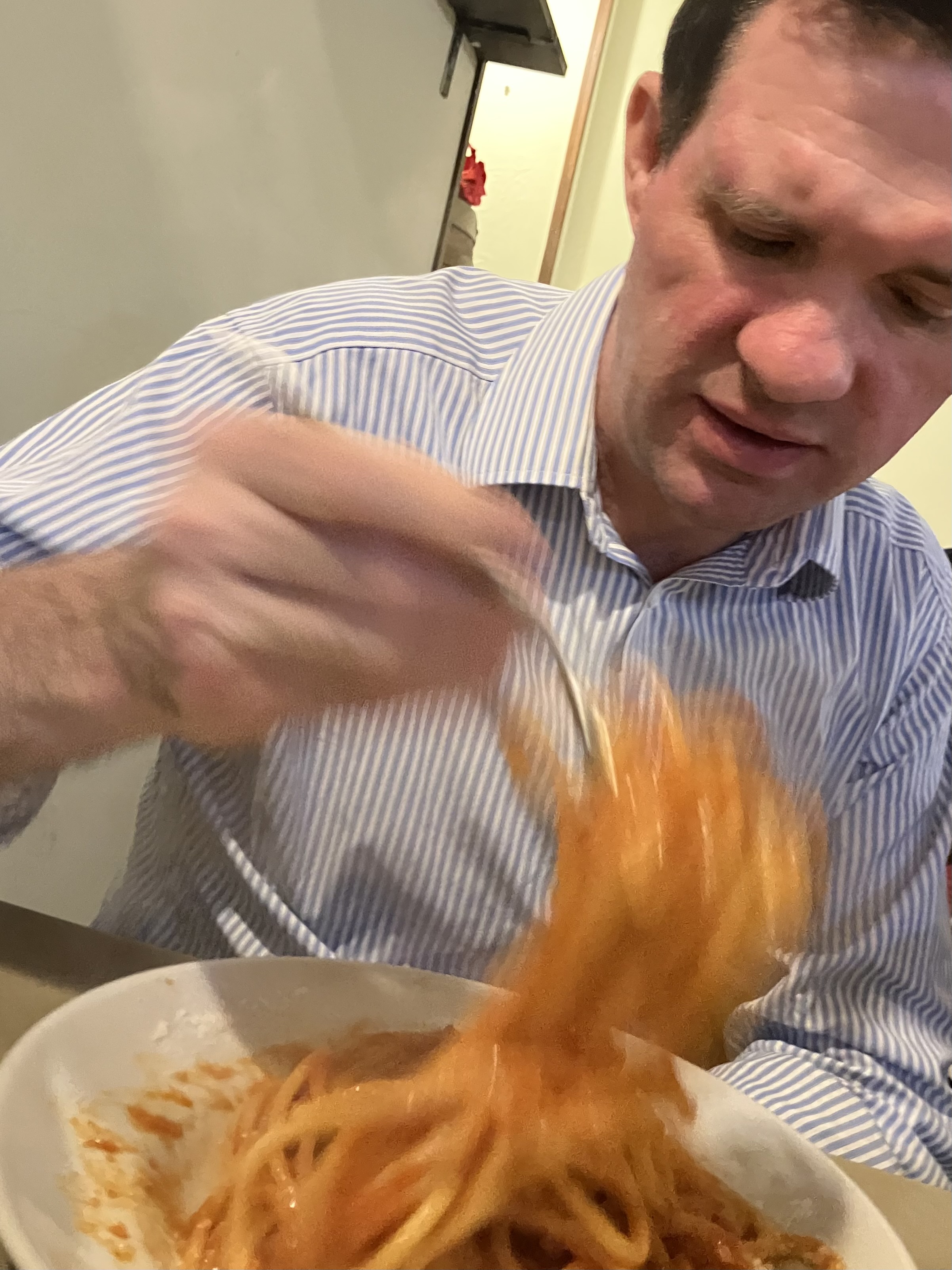
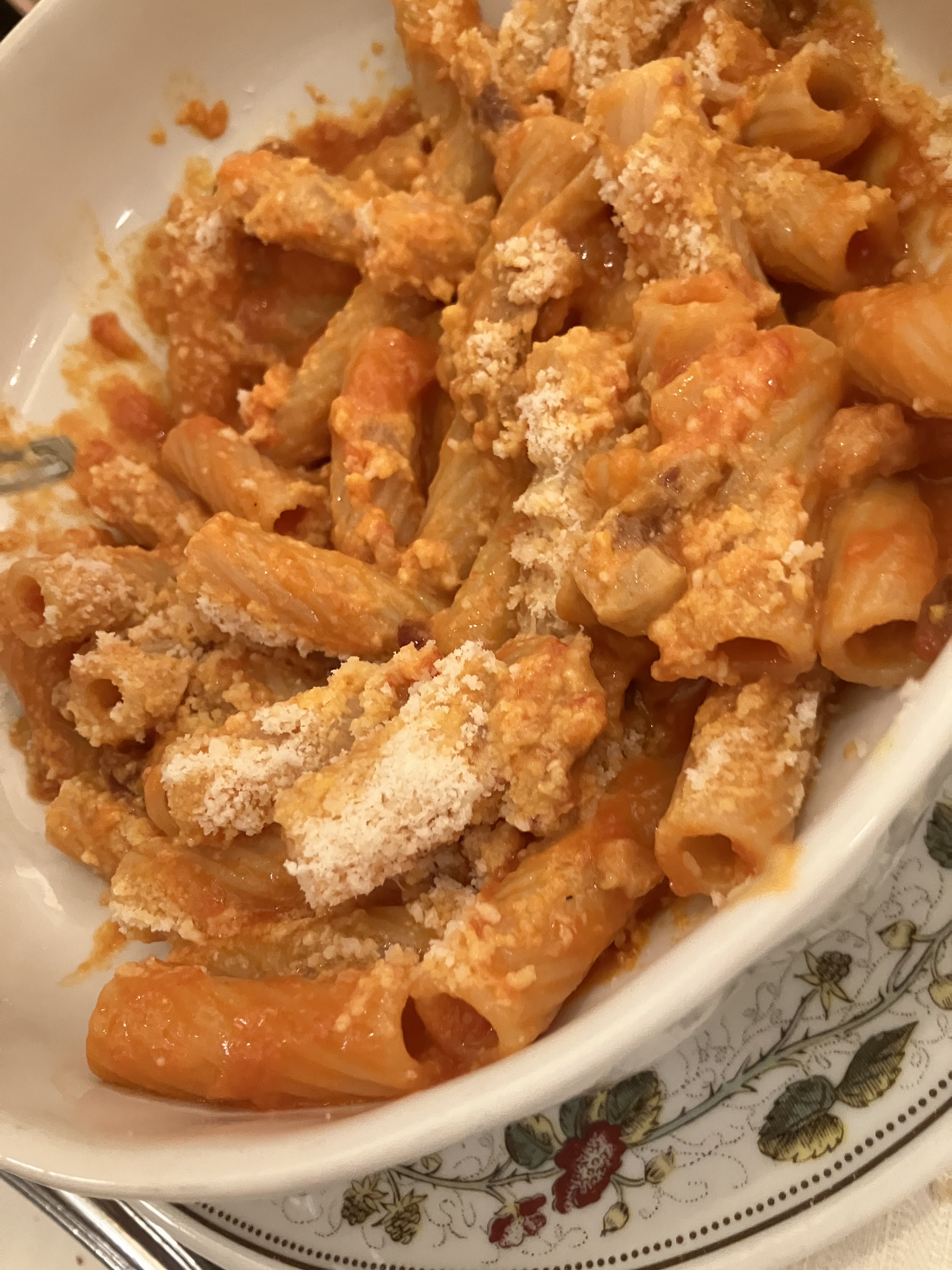
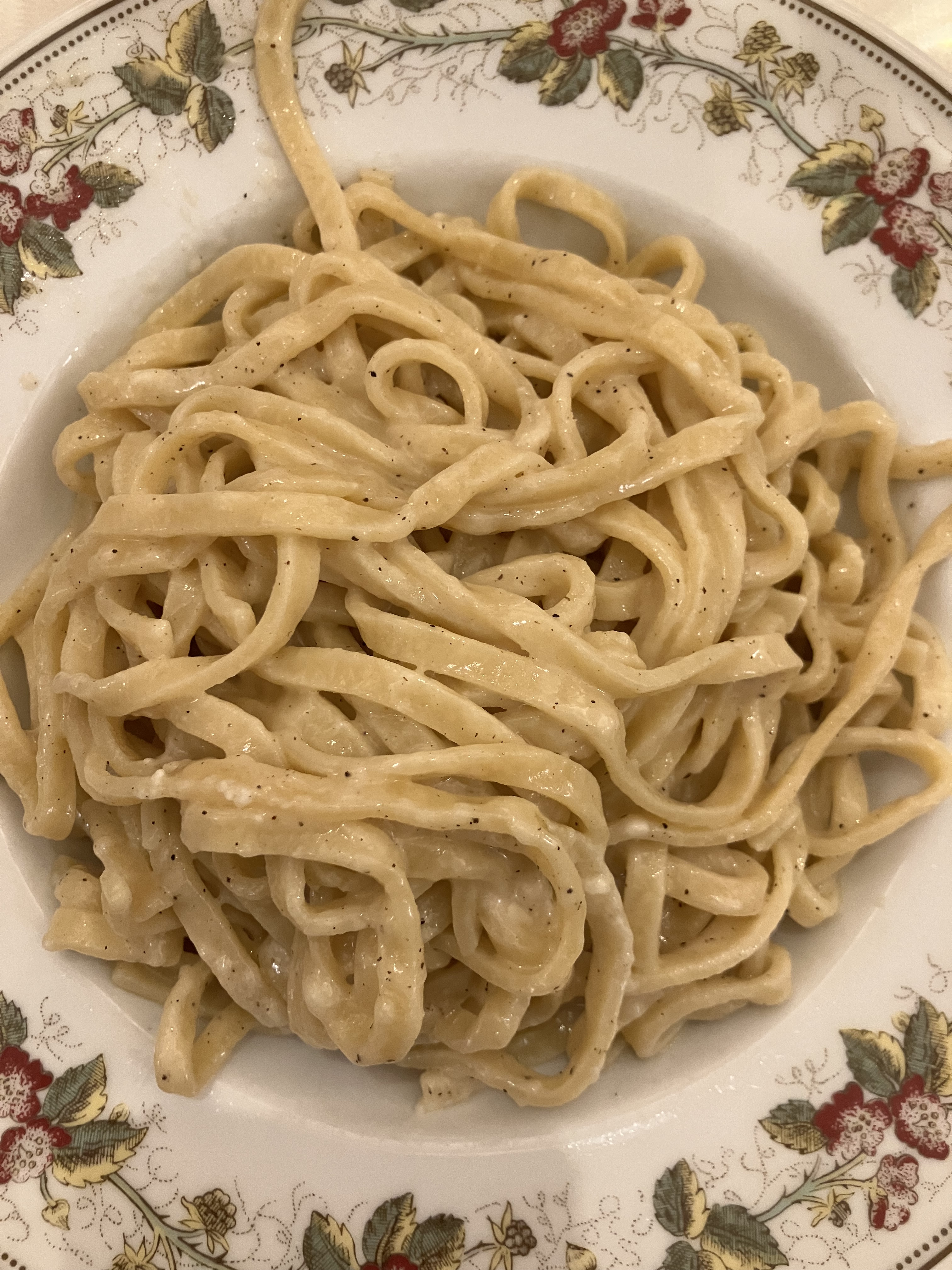
Well done at Trattoria Perilli

Rooftops of Rome 2

Trattoria Perilli part two

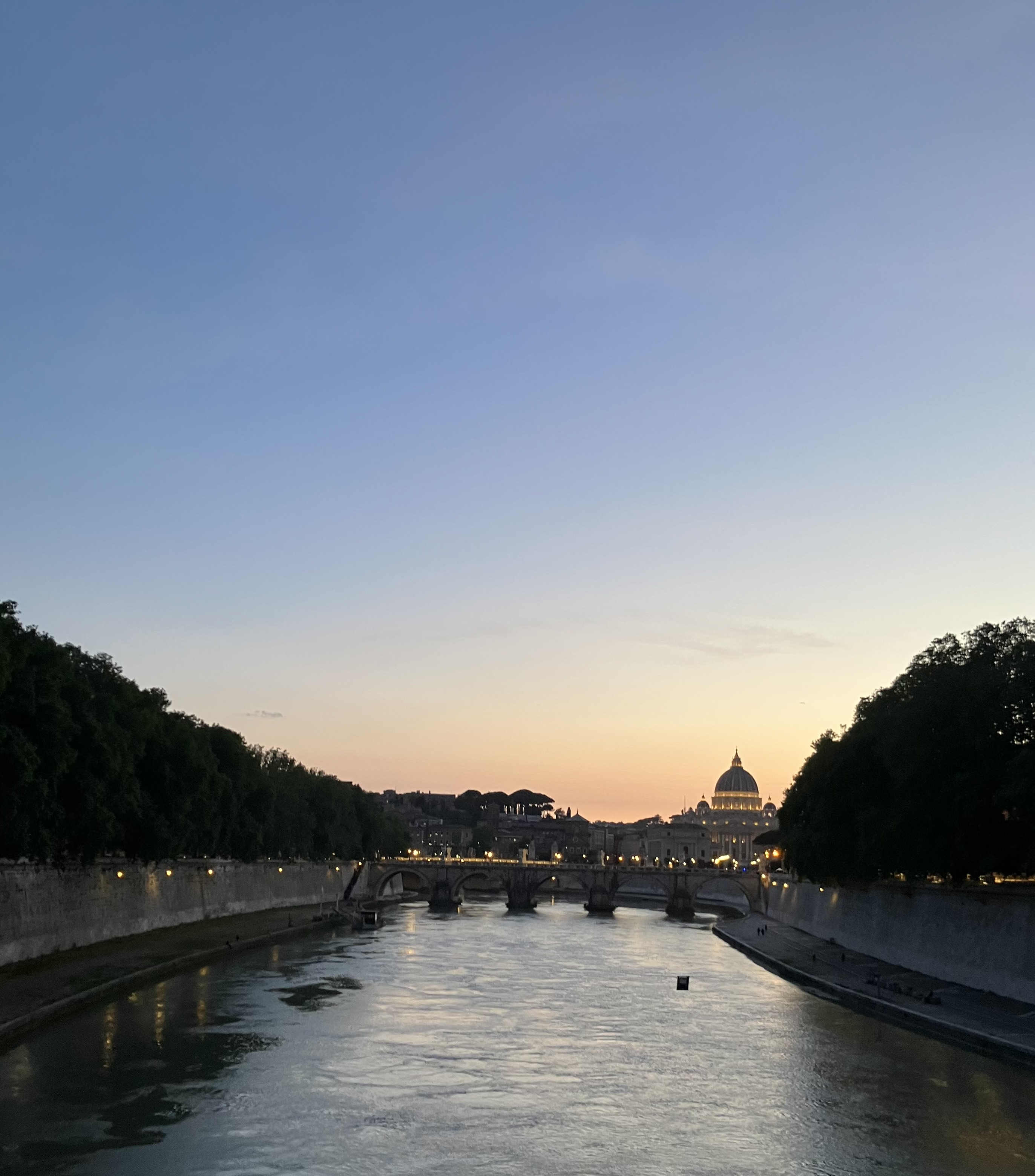
Stone pine trees at night

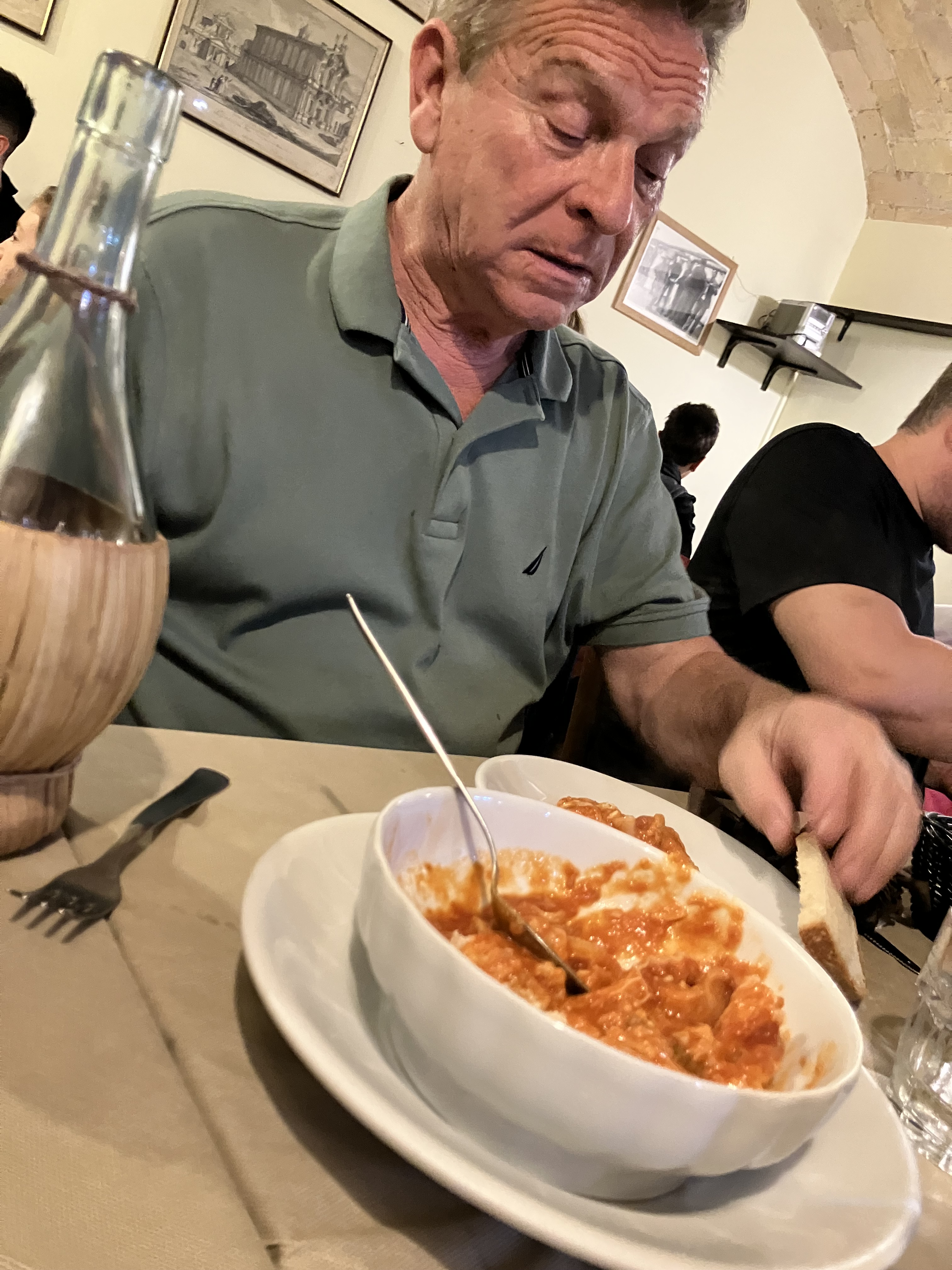
Trippa, another way

Trippa alla romana

Mini capunti and cozze at Osteria Pericci
It has taken me some – well, a lot of time – to write about this trip because it took quite some time to come back to level ground afterwards. After nine days in Italy, I boarded my flight home armed with a bag of Roscioli’s rosso pizza al taglio and surprisingly zero feelings of vacation-ending dread. Instead, I felt sheer tiredness and lingering sensations from the sights, smells, and experiences of this trip.
Each visit to Italy reflects a different period of my life. My younger years were centered around connecting with my cultural heritage and dipping my toes into Italian life. My visits then focused on varying levels of immersion – mainly based around getting to know my paternal cousins who reside in Isernia. But this particular trip felt like I was simply returning to a compartmentalized home, maybe it was the understanding that family are there, which allowed for comfort and familiarity to steer my experience. It took almost 20 years, but this time was definitely the turning point I had been waiting for. My key memories reside in scents – from piquant peperoncini, Ortigia’s Ambra Nera perfume, or the smells of Sunday dinner streaming in from the balcony next door. Visions of desolate hilltop Molisano villages amidst dark grey skies were haunting. Whizzing down motorways suspended above Abruzzese ravines were thrilling and slightly frightening. Reaching flat, cacti and pastel laden Puglian villages enveloped by the jewel blue Adriatic were calming. Maybe it was the heightened sensory experience that wore me down on day nine, when all I wanted to do was sit on a plane, watch a movie, and eat my Roscioli in peace. Or… maybe the tiredness stemmed from not going to bed and dancing to Euro club classics all night. Who knows, but as usual, Italy delivered the drama and I look forward to the next chapter of my return.
Rome
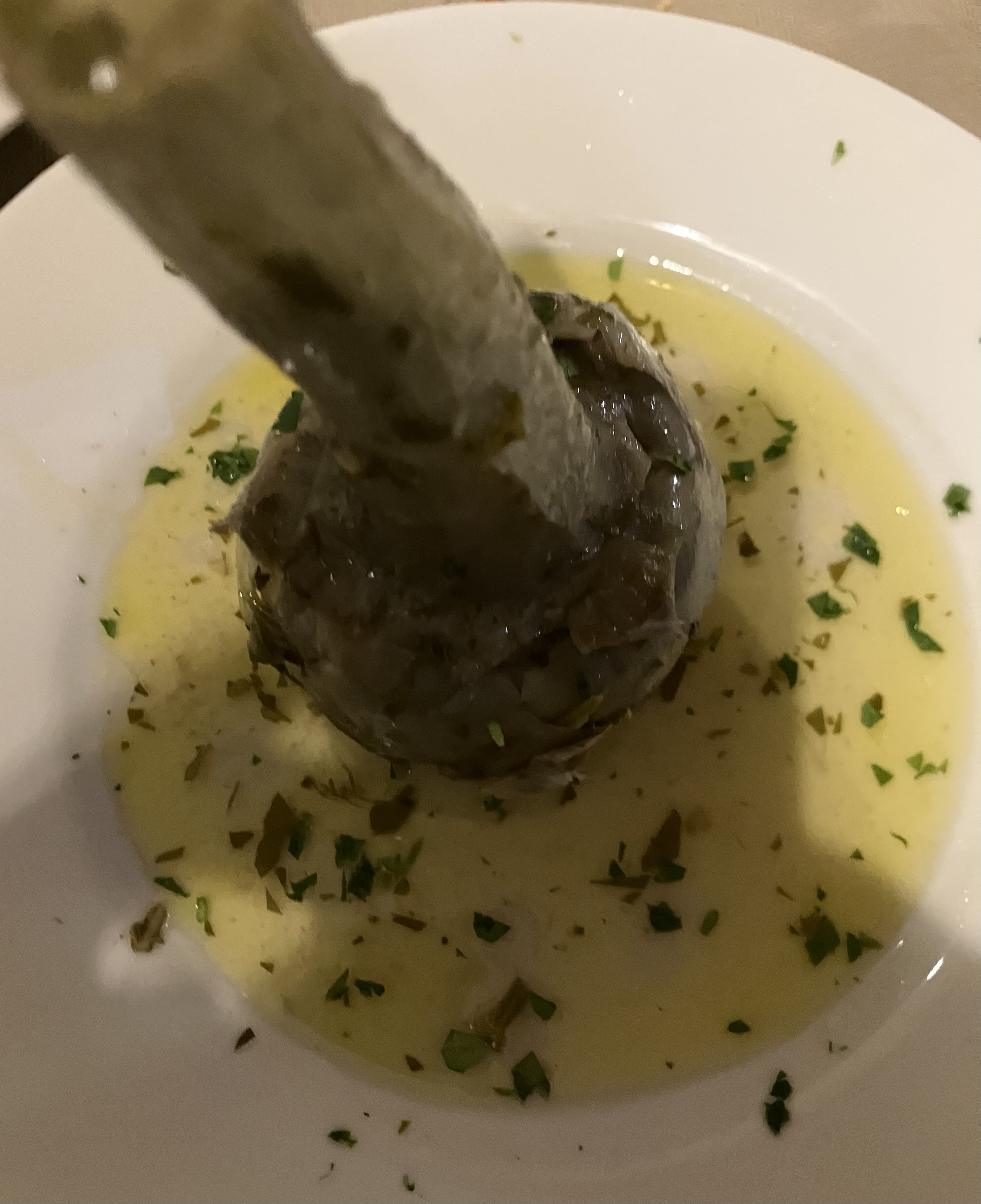
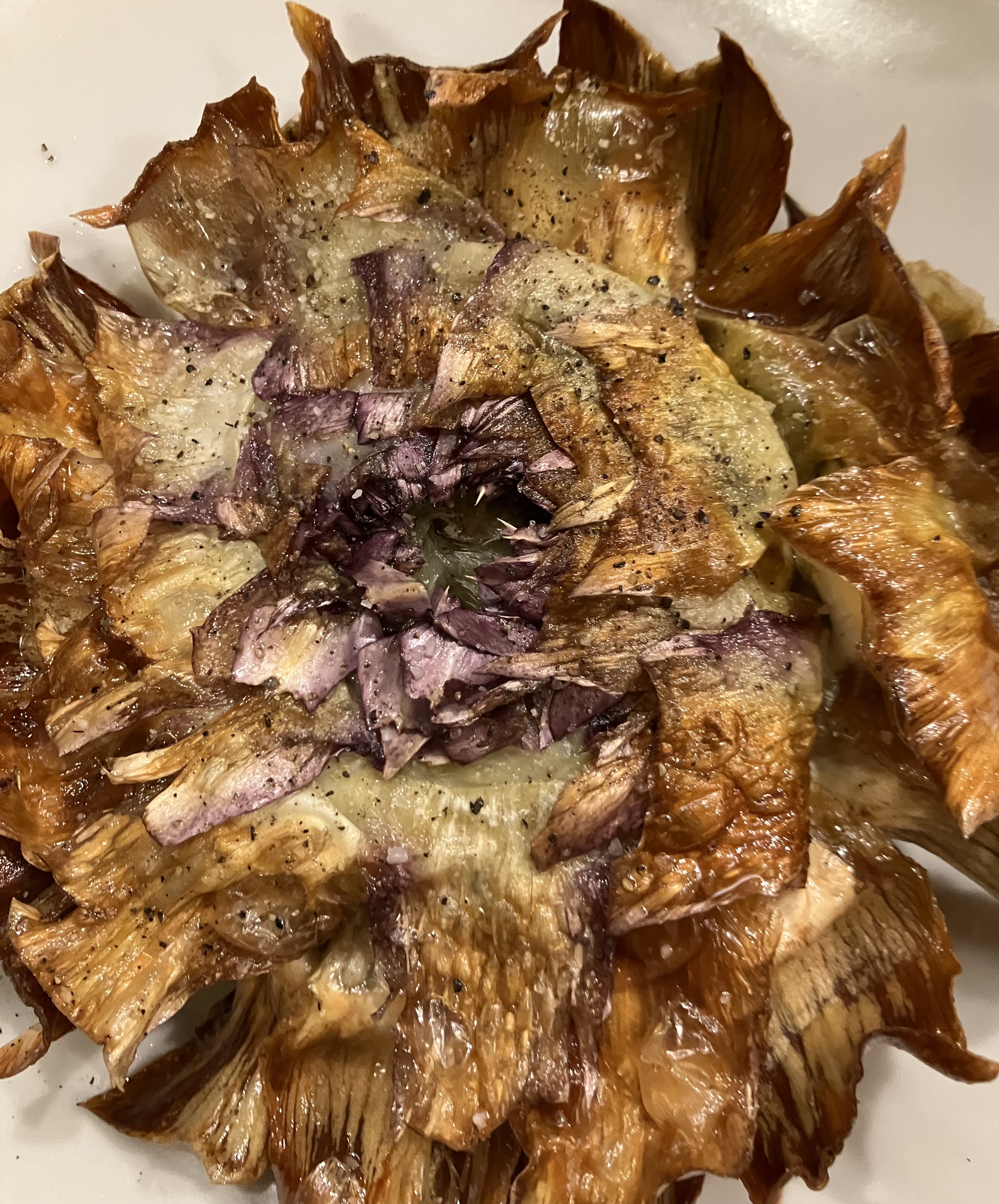
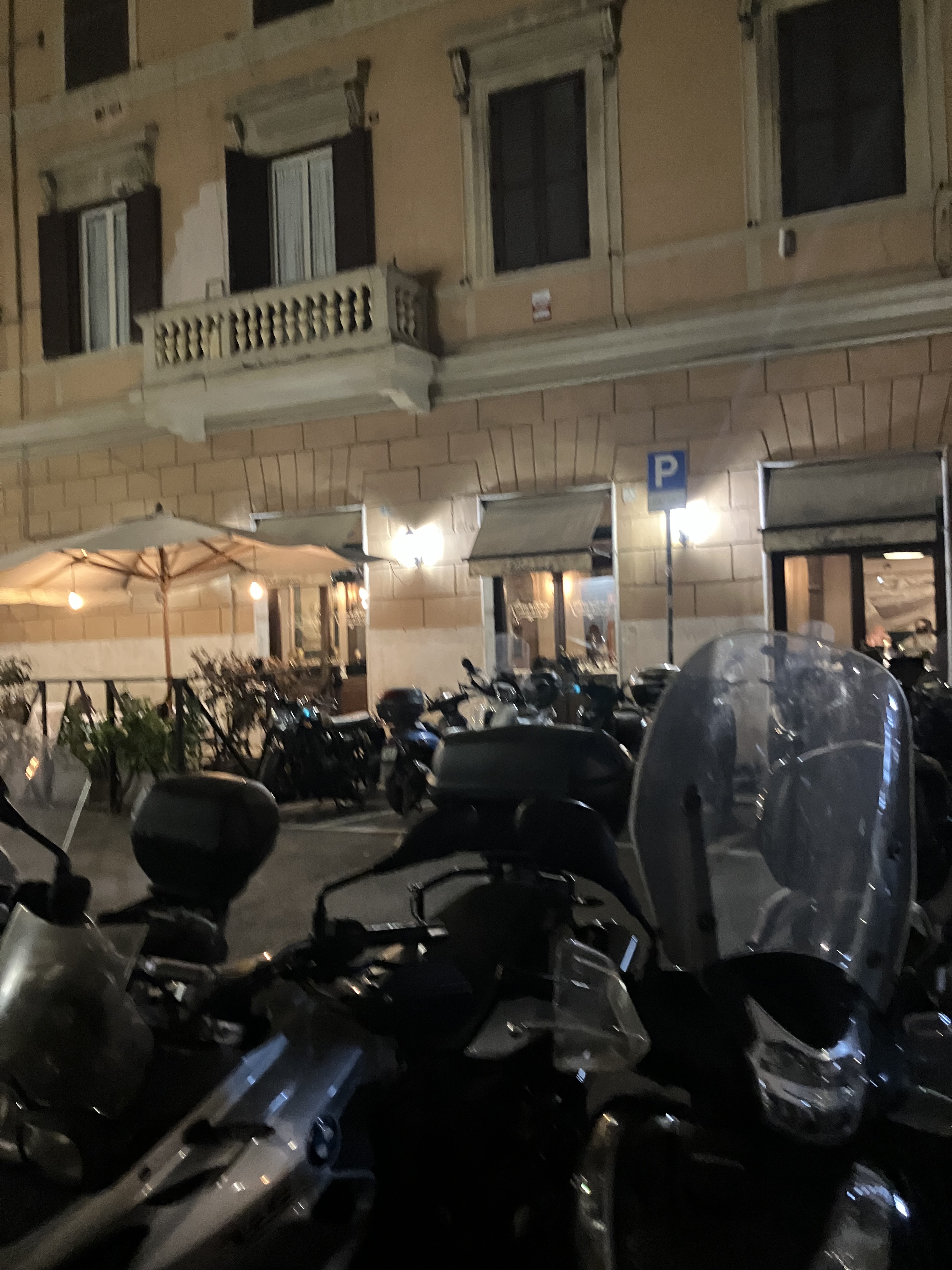
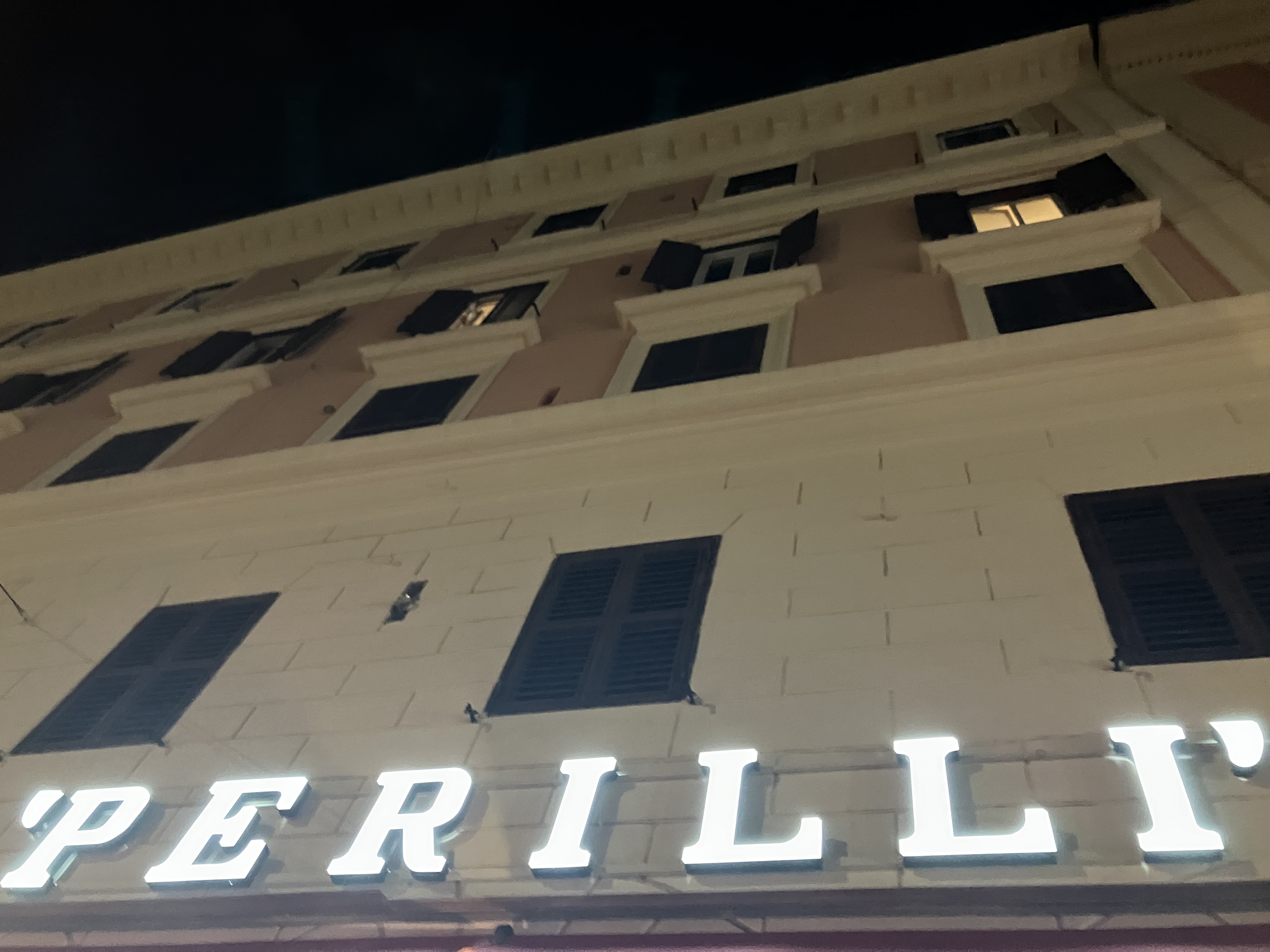
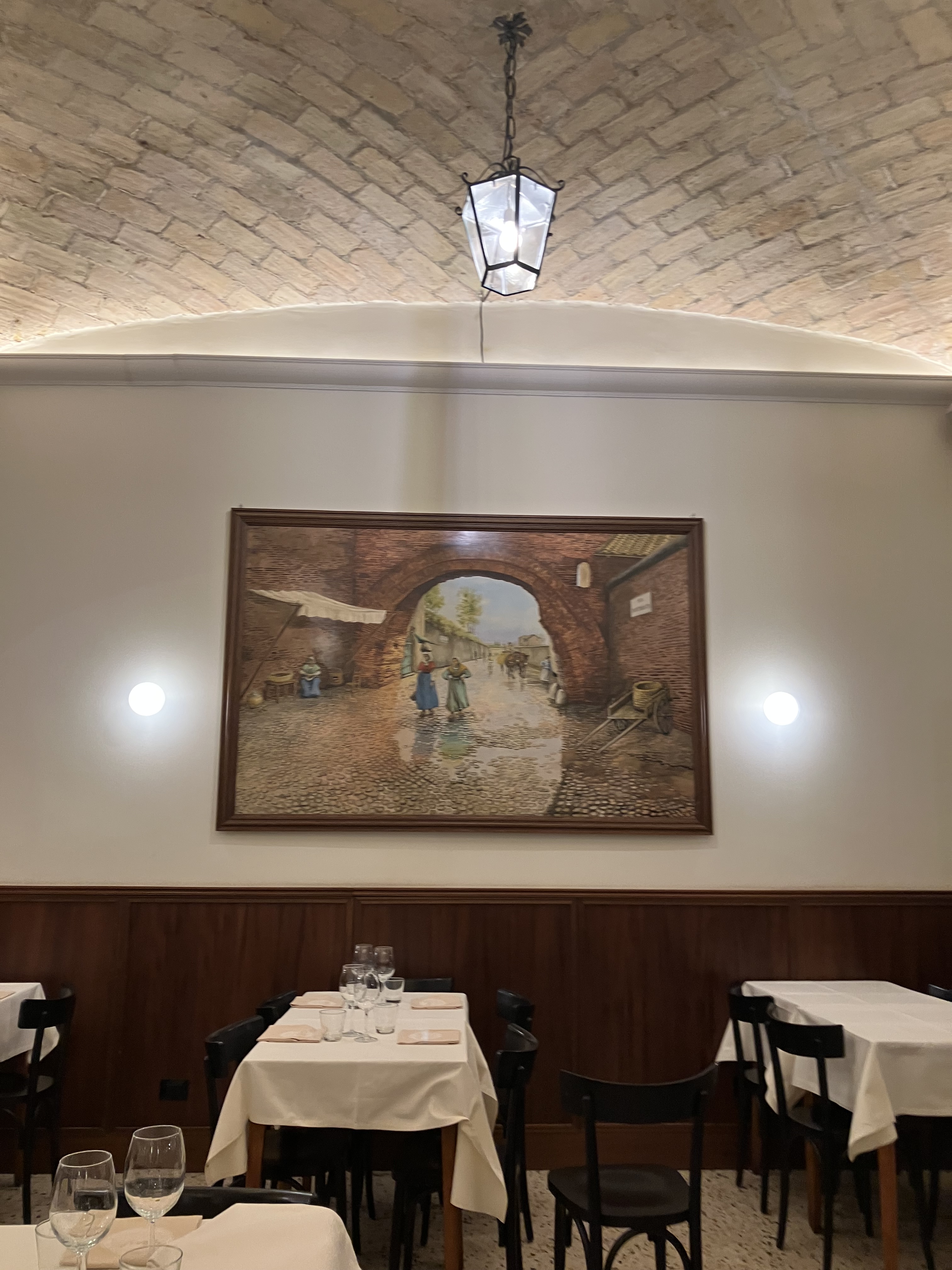
This visit confirmed what I had been thinking for almost 20 years: Rome is a big, mess of a city brimming with ancient history that moves some, but not me. The only way to truly appreciate this place is to situate oneself in a neighborhood – not in the center – and allow yourself to be immersed in daily Roman life. Above all, make time to sit in sedate, informal Roman trattorias where the strong sun cannot peak its way in. When in these cozy tavernas, indulge in hearty Roman classics – from the offals to the carciofi to the pastas drenched in varying rich sauces. There was no better place to do this than in Testaccio’s neighborhood favorite Trattoria Perilli (Via Marmorata, 39, 00153). Locals in couple and family units enjoyed late night dinners chatting away with gussied up waiters who zoomed around serving up amatriciana, carbonara and the cultish cacio e pepe plus a perfectly zingy pollo alla romana or my dad’s favorite, sauteed tripe.
Beginning the night perching outside of one-half wine store, one-half beer bar L’Oasi della Birra (Piazza Testaccio, 39, 00153) was another joy, as we watched children playing outside way past their bed time while cool locals smoked away the night, eating heaping plates of cold bean and veg salads with hunks of bread, washed down with familiar brands like Molson to richer Northern European brews. Tram Depot (Via Marmorata, 13, 00153) is, like its name, an ex-tram station turned al fresco bar (and of course, smoking haven) for spritzes along the main Marmorata drag. My history with Testaccio now runs deep, where I learned to love the simple bliss of dancing the night away to the best Euro-house classics in cavernous clubs that dot the area. A new discovery was another ex-train station Bar Sotto La Stazione (00154), where Romans danced carefree (their default mode) into the night to live deejays, as lit up stone pine trees hung over us, with the glowing Pyramid of Caius Cestius ruin shining in the background.
Isernia
After years of boasting about how accessible Isernia is from Rome (two hour direct train from Termini Station), I jinxed myself when Sunday rail service disruptions led to a long-winded journey via taxi, bus, train, and foot. When we finally arrived in the comune of Isernia, I was more than grateful to not be on a bus. Isernia is the capital of the mountainous Molise province, sandwiched between Rome and Naples. Interestingly enough, our bus journey featured quite a few Americans – one who was going to claim his citizenship documents – and others visiting long-lost relatives, which seems to be a common story that unites many first and second-generation ex-pats.
My parents had been spending a few days with our cousins, and we were late to the party, but still managed to get a good dose of family time, culminating in a long, delightful Sunday lunch at Osteria O’pizzaiuolo Le Segrete Del 700 Isernia (Corso Marcelli, 214/216, 86170). Clearly a spot made for family meals and parties, the view overlooks the moody mountain ranges that flank this hilltop city, and inside, the rustic cooking mirrors the atmosphere. The pasta is garnished with regional flair (mushroom and truffles are the go-to), the vegetables vibrantly colored and simply dressed in olive oil, and the meats perfectly grilled with a squidge of lemon garnish. By the time our espressos were sucked down and desserts arrived drenched in rich chocolates and cream, I vowed to never eat again, but of course saved room for a late night stop at Pizzeria Regina Margherita & Bar Centrale (Corso Marcelli, 281, 86170). Normally eating in a piazza is a cardinal sin in Italy that guarantees an overpriced, mediocre meal, but in a town like Isernia this is an exception. This pizzeria is a reminder that Naples isn’t too far and there is no exception but to churn out perfectly charred, saucy creations of a certain caliber.
Classic stone houses line Isernia’s centro storico, and Residenze Portacastello (Vico Storto Castello, 42, 86170) is the perfect setting for a family-run B&B in a classic home – with the mod cons and of course, a balcony, and the added amenity of the smells/unabashed vocals from our neighbors’ Sunday dinners. A small city stay wouldn’t be complete without an instant loyalty to a local bar, and my new friend Armando and his wife’s namesake Bar Mazzei (Piazza Purgatorio, 86170) was our destination. The bar has clearly stood the test of time where neighbors gather daily for a 90 cent shot of searing espresso, some chatter, then go about their ways, finding themselves back at Mazzei to end their day and pepper their weekends. I always feel lucky that I can trace my paternal family roots back to Isernia, a city that is small enough where family names of many emigrees still exist thanks to relatives who remained in the region. Meeting locals like Armando, who we can easily relate to, is something that still manages to amaze me. Knowing that I can always revisit Isernia is a warming feeling, a place that was fiction in my childhood and now such a big part of my adult identity.
Puglia: Bari & Monopoli
We departed gray Isernia for an almost four hour journey through the mountains and ravines of Molise and Abruzzo heading for the Adriatic and finally, Puglia (it: Apulia). My mother’s paternal side originates from around Bari – and to America brought their key focaccia-turned-pizza making skills and love for seafood with them. They even named their early 20th century Brooklyn bakery “Lido”, after the beaches that dot their home region.
The fun of a road trip culminates at the rest stop, and I became acquainted with the Autogrill roadside cafes in my late teens. It became my barometer for comparing the Italian vs. American outlook on food in the most basic surroundings, and Italy of course, was ahead by miles. Choosing wisely at a roadside cafe is key, and I remembered this as we encountered lunchtime at Sarni. Some of my happiest travel memories revolve around these moments – the chaos of travel and feeling even more foreign than one does in a city, being mesmerized by walls of candy… only to get back in the car, viewing beautiful scenery, and enjoying the sweet and sour world of Haribo while listening to Italian radio.
We finally veered into Puglia, greeted by the harsh industrial surroundings of Bari’s metropolitan area, while gushing over the famed trulli houses that dot the roadside fields. Our next test was fitting a decently sized Mercedes sedan into a stone garage that was clearly designed for a donkey. The Brooklynite comes out in my dad in various scenarios, one of them being parking. This was Tony’s ultimate parking test – from someone who can parallel park and do a K-turn blindfolded, this parking jumble pushed him to the brink, as concerned passersby looked on at the obvious out-of-towners – with both fear and amazement as he squeezed this car (sans scratching) into a cave.
Travel logistics aside, the town of Monopoli was now ours for relaxing. We were looked after by the lovely, and surprisingly young host Gianmarco, who along with his contemporaries, were running the Palazzo Bregante (Via Cimino, 23, 70043), an old stately home turned boutique hotel, replete with soaring ceilings, textured tile work, and original pre-renovation touches. Ortigia brand bath products added to the luxury, plus a plentiful daily breakfast in a grand salon with recovered ceiling murals. Monopoli is enveloped by the Adriatic, and the whitewashed town feels slightly Greek. It is the perfect median between tourist getaway and functional city, thanks to the direct rail connection to Bari.
The centro storico is where most touristic action occurs, leading to the postcard perfect “porto Antico” that again, feels like an Italo-Greco collision of aesthetics. Many a lido dot the peninsula and are generally free entry. Grabbing a few towels and dipping our toes into the sea was a simple delight (especially at the Spiaggia di Cala Cozze, Lungomare Portavecchia, 70043). We surveyed nearby seaside villages, like the (too crowded yet still breathtaking) Polignano a Mare. Lunchtime and snacks were full of focaccia barese (mashed potato-dough base steeped in olive oil and studded with cherry tomato and cured black olives) or the perfect round flatbread made with pizza dough – puccia pugliese – filled with cold cuts or a warm chicken cutlet – was a simple revelation. Taralli, a popular peppery cracker and antipasto must-have was eaten constantly, and as always, is the ideal treat to curb hunger.
We ventured into Bari for an afternoon, and I was not expecting such a thriving city center where local fishmongers mingle with high end shops. We ventured into the winding mazes of the centro storico and worked up a hunger, forgetting that basically everyone observes a lunchtime siesta. I loved getting a glimpse of locals eating their main afternoon meals, because apparently, leaving your doors open in Bari is the norm. At that point I was so hungry I was about to ask a family to take us in. I had been on the hunt for a homemade lunch from Maria delle Sgagliozze (Str. delle Crociate, 13, 70122) and her fried polenta delights, but apparently she was on siesta, too.
We were saved by my father’s new cold cut soulmate, “Giannucci” who ran the tiny, yet incredibly well stocked Salumeria Favia (Piazza dell’Odegitria, 9, 70122). My father looked on in delight as Mr. G lovingly sliced each cold cut – mortadella, salami, and more, as if he was Michelangelo painting a ceiling. The care put into each sandwich paralleled my dad’s creations, and we proceeded to sit outside, enjoying these mammoth masterpieces. I loved that there were no major touristic expectations in Bari – yes the cathedral and the fortress were cool – but the Strada delle Orrechiette was even more moving – women of all ages, mainly older, setting up rickety wooden stations, cutting and selling fresh orrechiette pasta all day – in varying sizes and flavors, from traditional to squid ink. Of course there was the temptation to buy all the pasta, but sometimes being a spectator will have to suffice.
The main attraction of Puglia was of course, the food. The aforementioned orrechiette was a menu standby, but the frutti di mare – mainly the polpo (octopus) – made nightly appearances on our plates – in all shapes and sizes, from crudo to sautéed. Baccala (salted cod) was another regular, mainly fried, but still a statement maker. Fish mingled with traditional Pugliese pastas like cavatalli, capunti, and sagne, tossed in light zingy tomato sauces, olive oil, and garnished with the zestiest rainbow hued peperoncini I have ever savored.
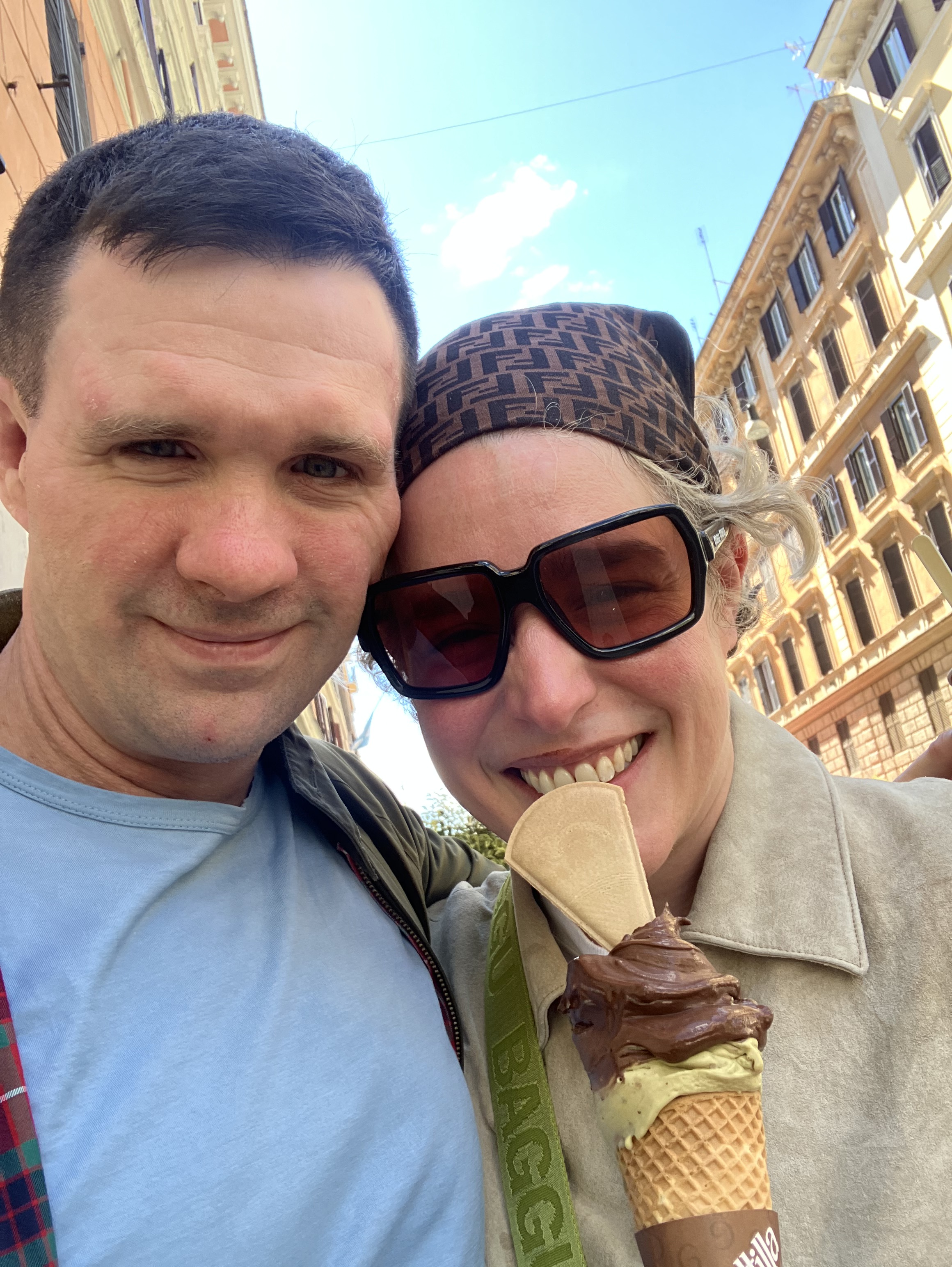
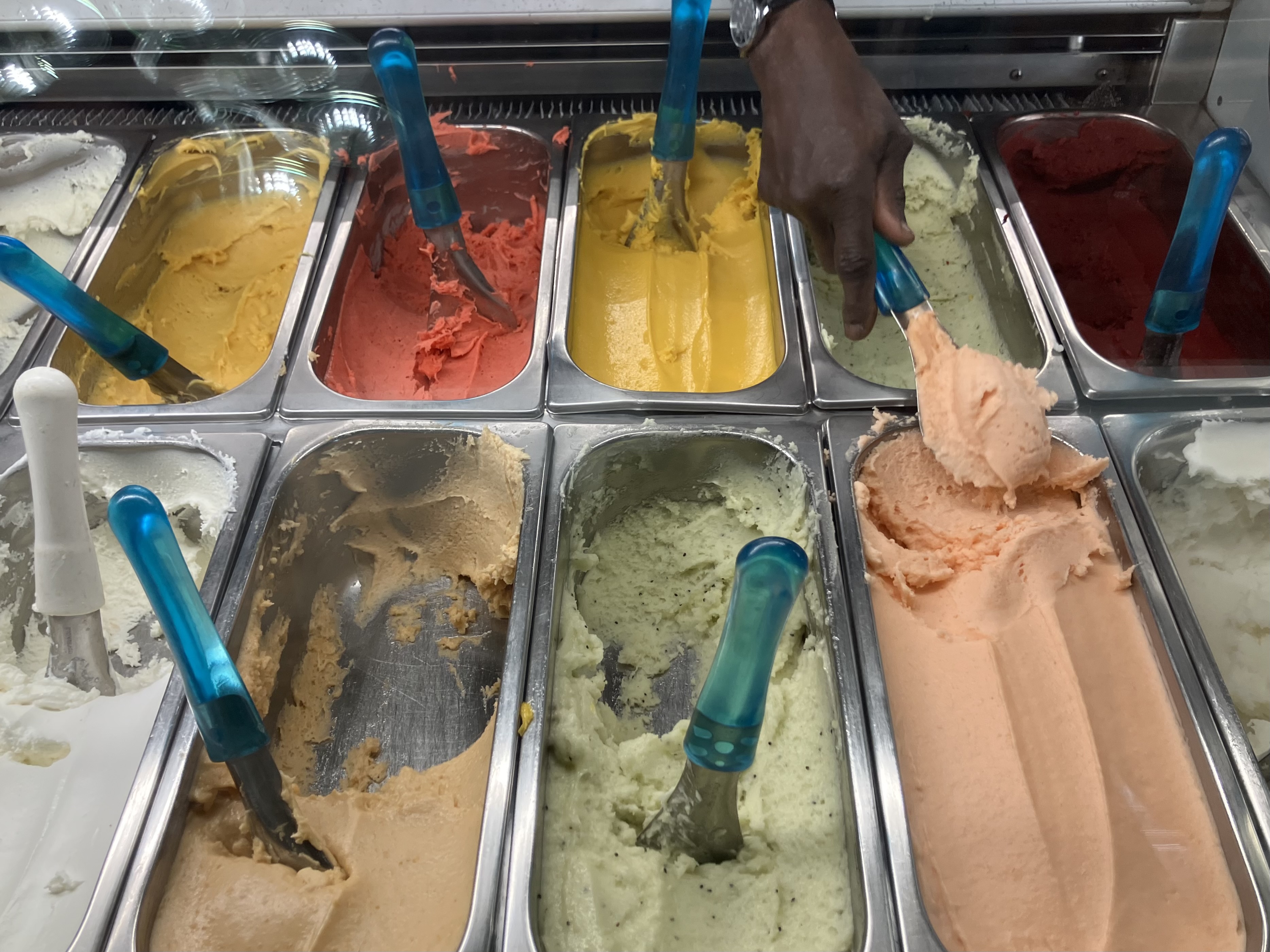
Each night’s dining experience was unique – starting at the tiny and incredibly busy no-fuss of Osteria Perricci, (Via Orazio Comes, 1, 70043) where heaps of pastas and seafood dishes struggled to fit on our table. Trattoria San Domenico (Via S. Domenico, 3/5, 70043) provided a tasting experience comprised of small plates where carefully orchestrated seafood delights were met with “oohs” and “aahs” – from perfectly pink shrimp crudo on lemon halves to delicate fried polpo in an earthy pea reduction. La Locanda sul Porto (Via Cristoforo Colombo, 10/11) was the most elegant spot – sitting outside observing many regular patrons feast, thanks to the know-how of the bustling staff bringing out steaming pots of family-style pasta and artfully filleting exotic fish. No meal would be complete without gelato, and we committed to ending each evening at Caffé Roma (Largo Vescovado, 1, 70043) – where the Nutella gelato was blacker than the sky and one of the richest indulgences, and the antica recipe was a trifecta of dark chocolate, gooey berries, and crema.
On our last Monopoli morning while sipping cappuccino in the salon, I could feel the highs of relaxation disappearing as our return to Rome road trip neared. As we departed the flat, pastel and jewel-hued terrane, I waved goodbye to the lone trulli house on the roadside and came to a few conclusions. Despite travelogues and critics raving over this “undiscovered” territory, tourism clearly thrives in Puglia and you can easily sense that the locals aren’t out to turn a profit with overpriced pomp and circumstance to bloated rich tourists (I am looking at you, Amalfi coast). Instead, they work hard to deliver the freshest produce, the most understated but quality-driven dining experiences, and unlike anywhere else I have been in Europe – are completely, outwardly grateful for your patronage to keep their livelihoods afloat.
A young grocer delighted in our American accents, talking about how he would “rather be there than here,” but also expressed gratitude that his sister helped him build this produce business. To my eyes, he was purveying the freshest produce, had gaggles of patrons, plus a tavolo caldo serving tasty food. He might think he wants to be in America, but the fact that he can make a difference in this thriving community was another observation of the toil and longing for “something more” that clearly still exists in the south. Enjoying Pugliese beauty might have felt dreamlike as we slept in our palazzo and our biggest concern was where to dine, but experiencing the realities of the region was a nice reminder that vacation is a mental state but real life should still revolve around you.
















 elbows on the table