



Ferrying into Baltic oblivion (Stockholm to Helsinki)

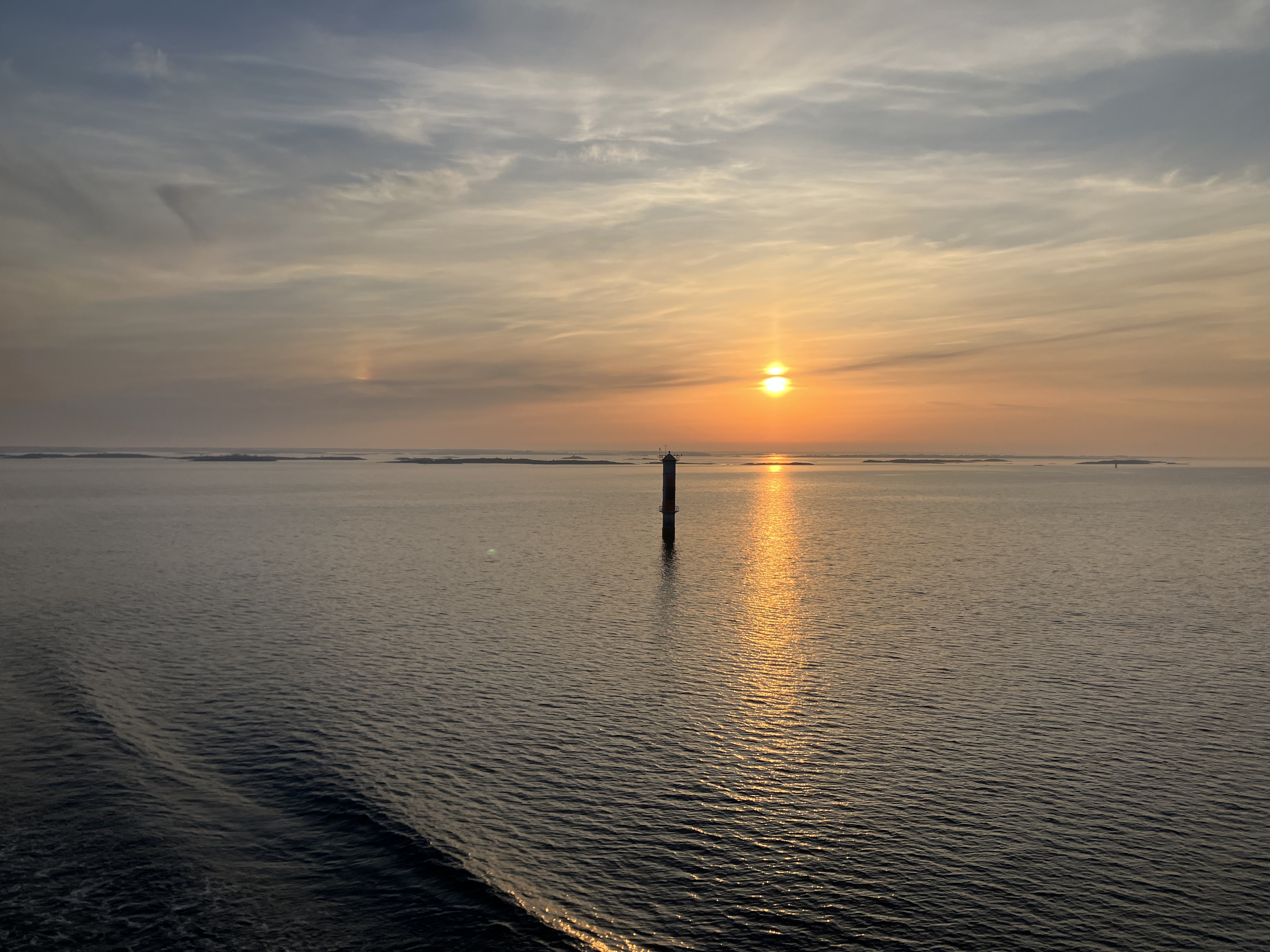
I will never forget how the blue of a Swedish summer’s night faded to mist in mere seconds….

Having wanted to visit Helsinki for a long time, there weren’t any accommodating direct flights from New York to maximize a long weekend’s visit. Better flight options to Stockholm and my friend Amy’s enthusiasm for catching an overnight ferry to Helsinki resulted in a resounding group “yes” – and rooms were immediately booked for a one way journey on the Viking liner.

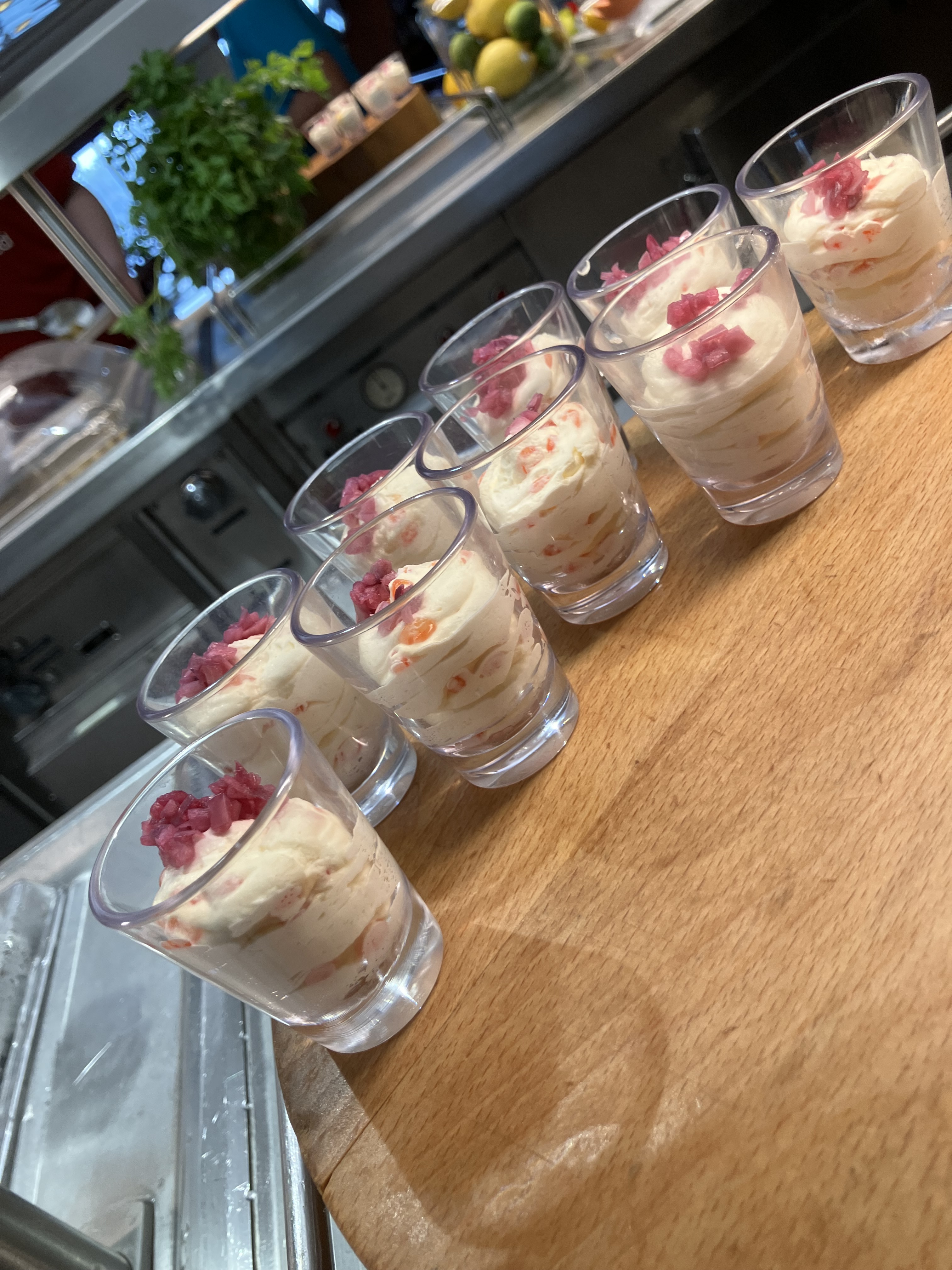
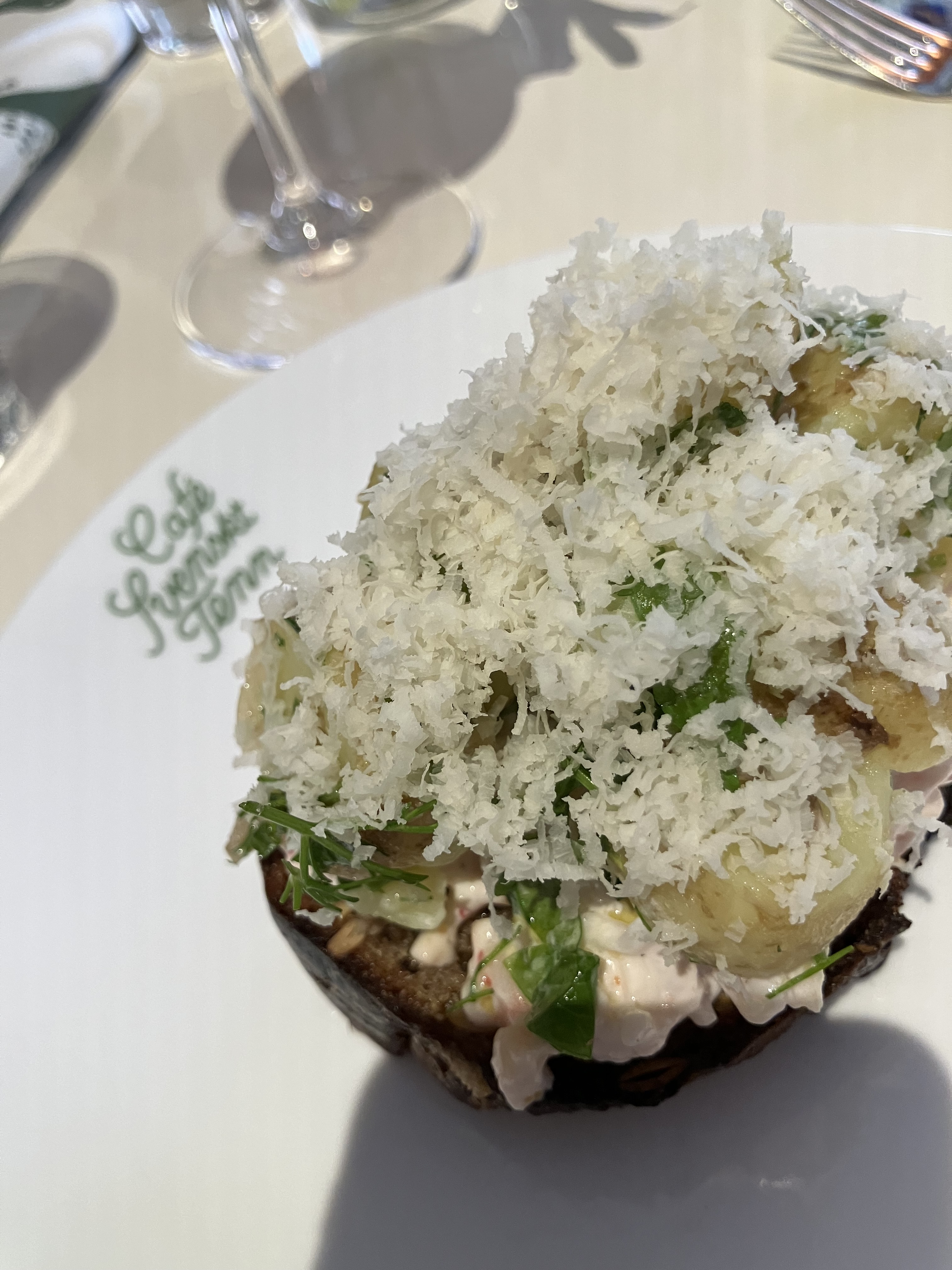
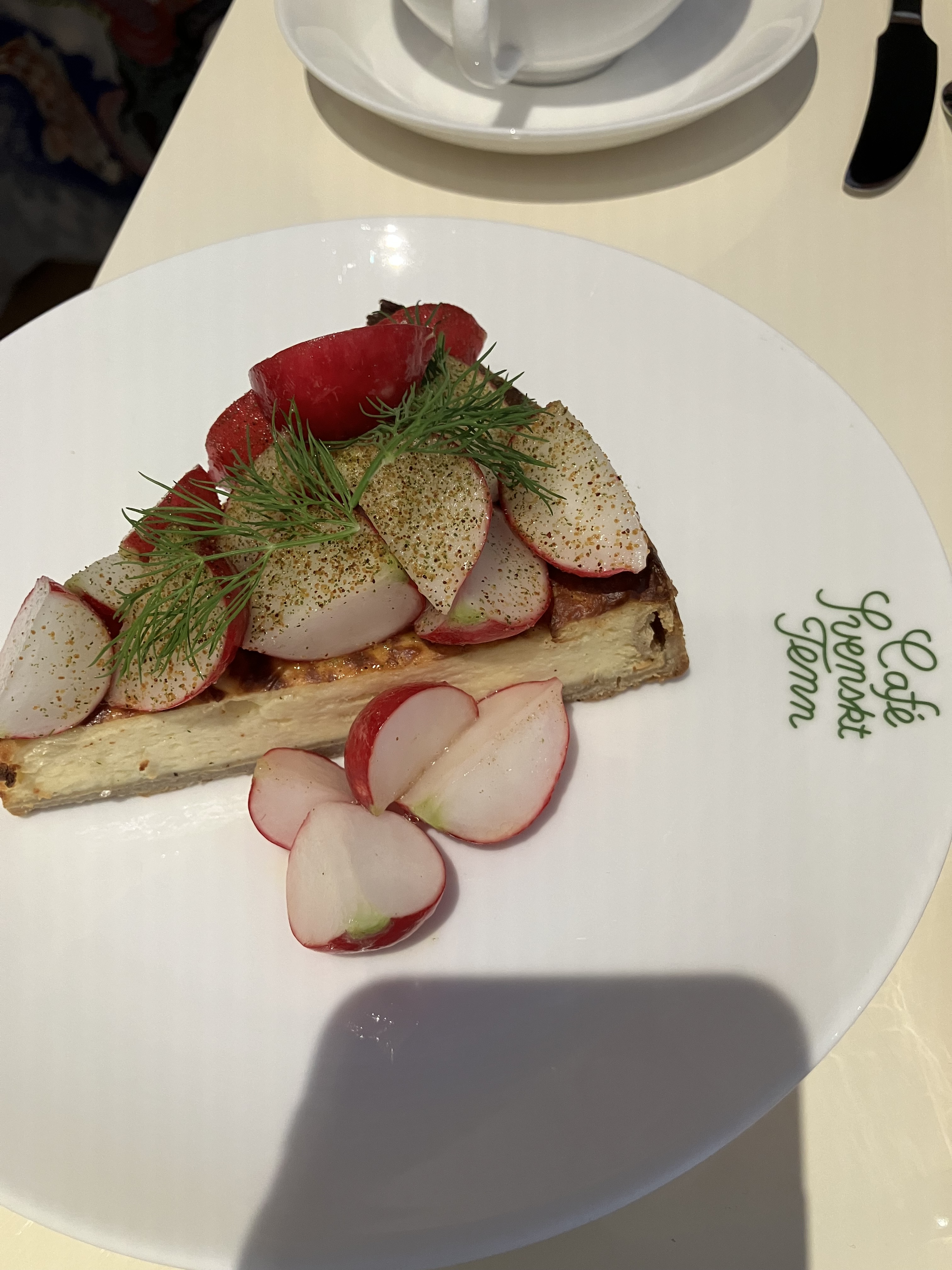
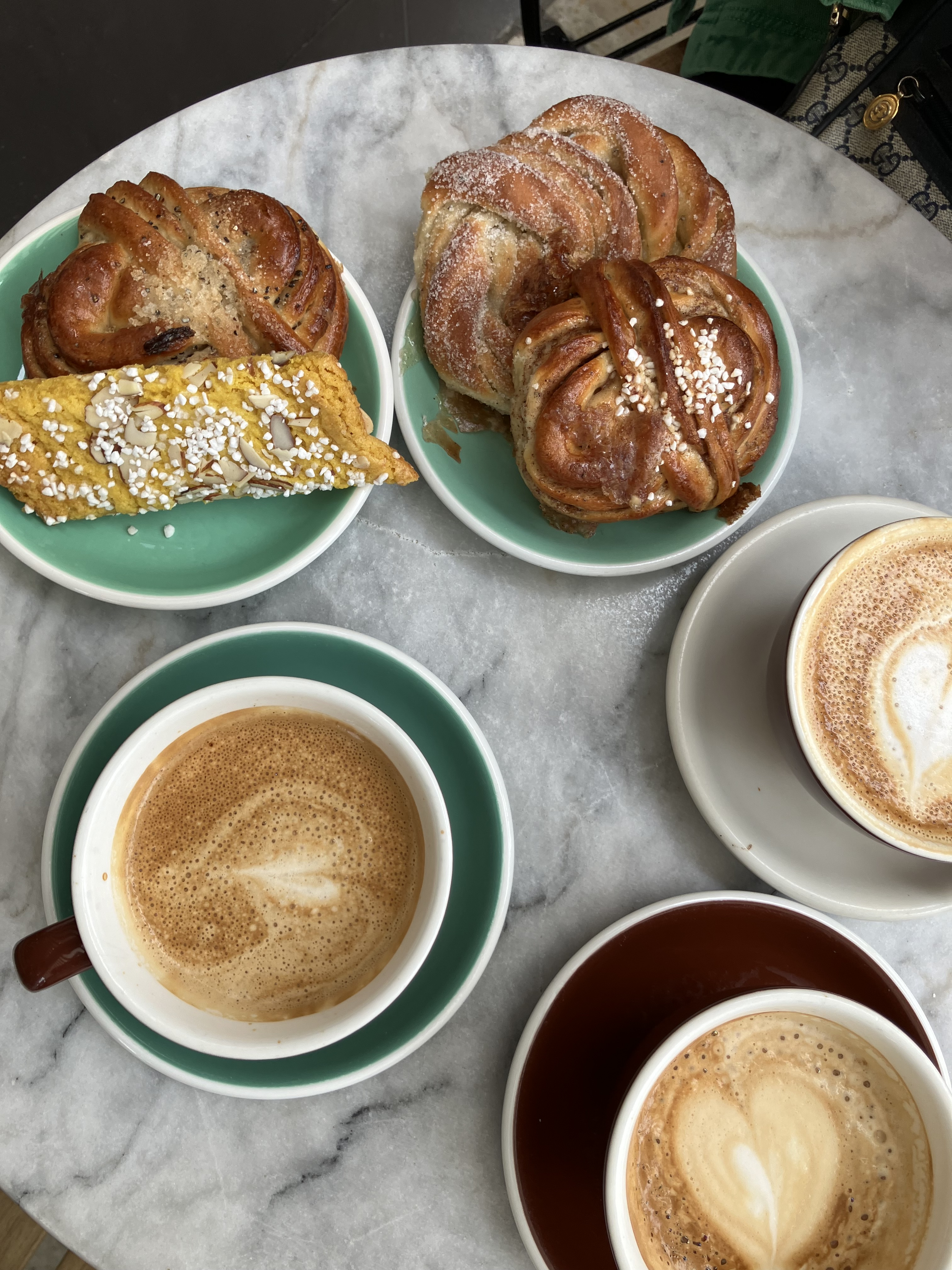
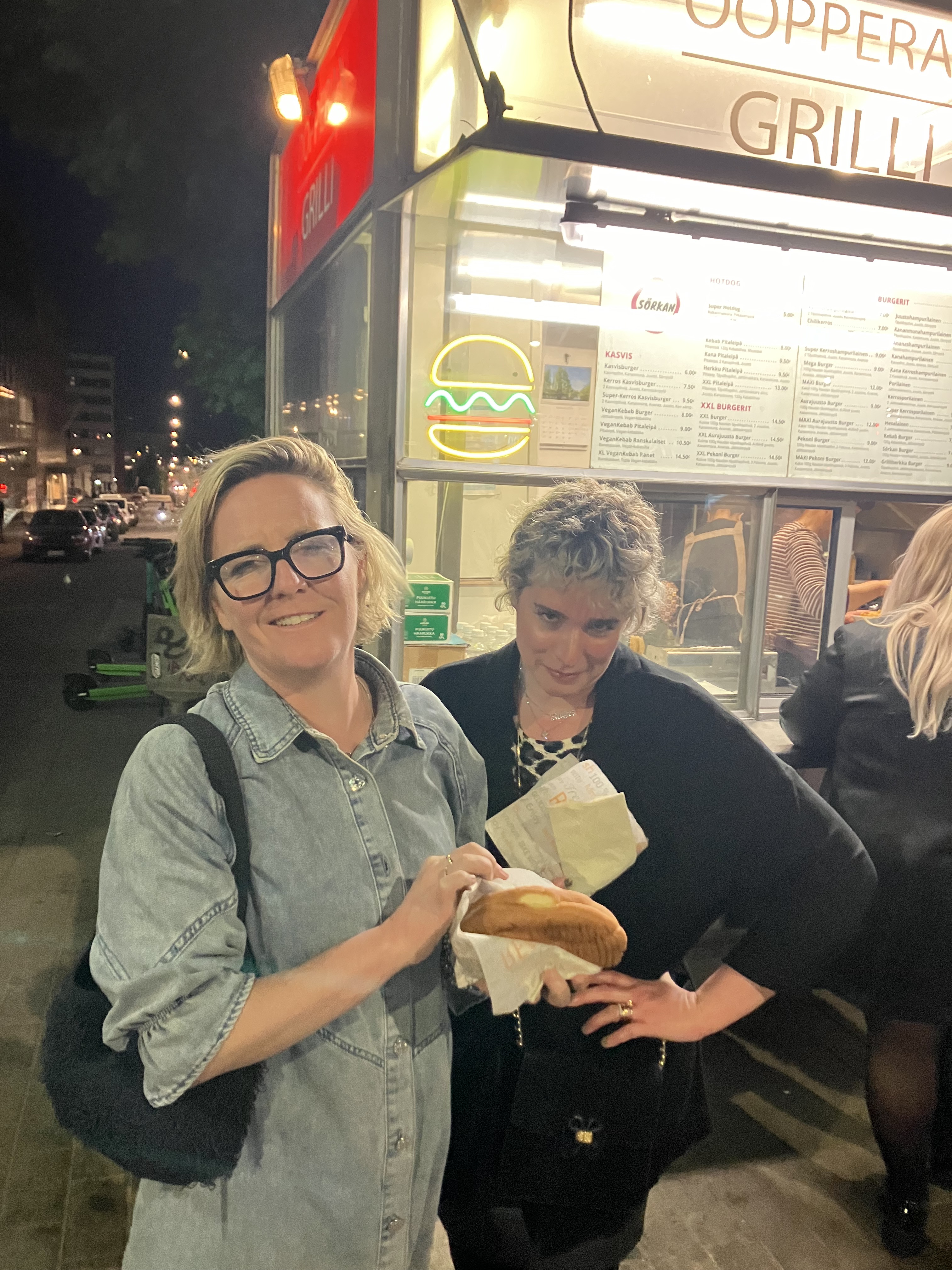
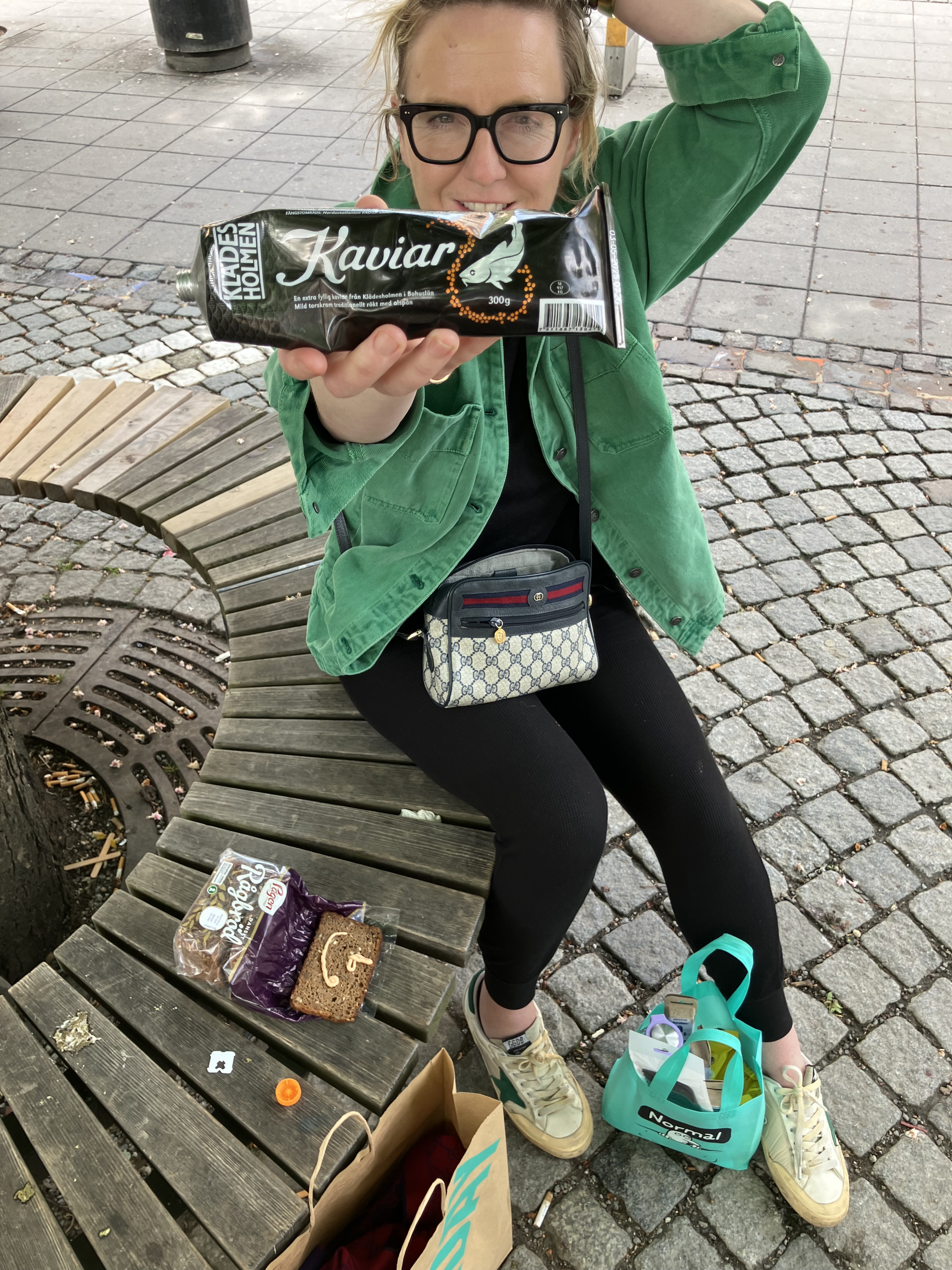
An early morning Stockholm arrival allowed for ample frolicking time. Yes – when in Stockholm, we frolick. Any opportunity to spend a few hours there is the stuff I dream of. The perfect half day experience is devised of: kanelbullar for breakfast, getting hopped up on ginger shots from the delightful Joe and the Juice chain, a snack of korv med bröd (aka hot dogs) from our favorite cart Oves Hjulkorv (Kungsgatan 43), and finally, a visit to the holy grail that is Svenskt Tenn (Strandvägen 5) for a dreamy lax lunch of toast skagen at their namesake cafe. Having to unglue myself from Stockholm’s streets, we boarded a much grander (than I imagined) Viking ship – replete with tourists like ourselves and many a group of Swedes and Finns – sports teams, stag dos – you name it. The boat was already boasting party vibes and we did not even depart Sweden’s shores yet.

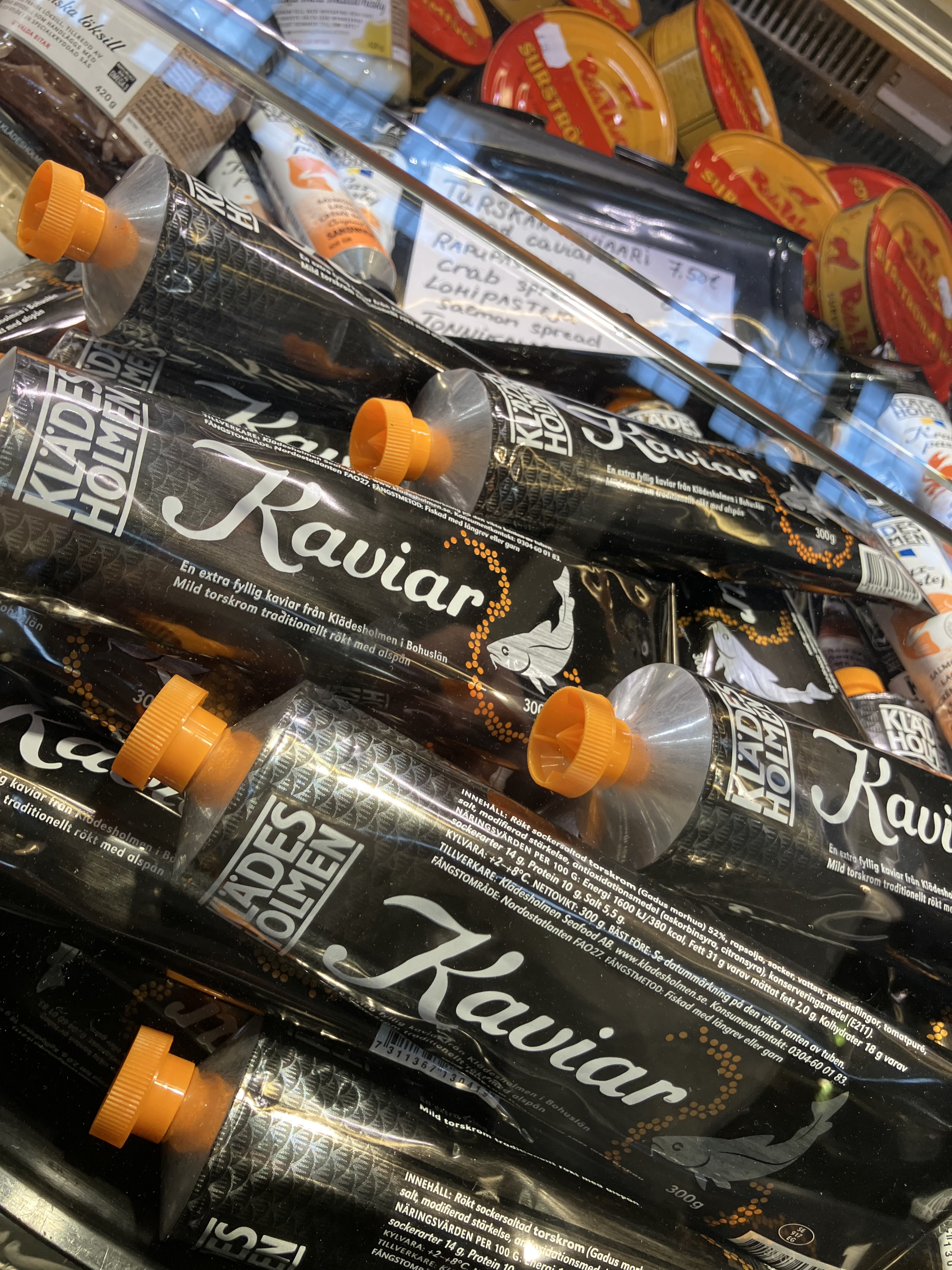
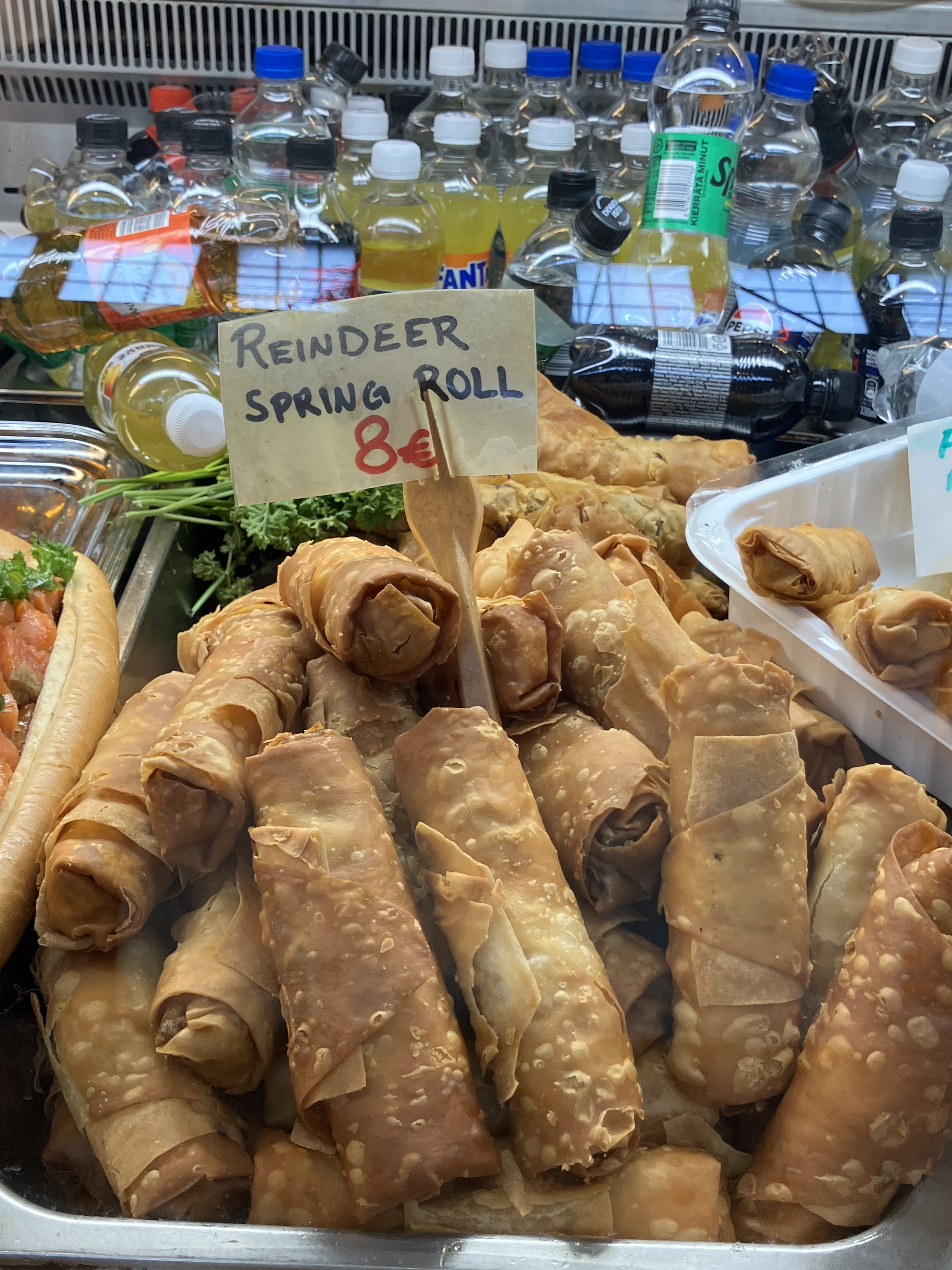
I had never taken a cruise before. But, my prediction of settling into a tiny room and an even tinier shower rang true. The tiny accommodations are a meager concern, as you’re spending the majority of your time dining and meandering around the ship. The lively dinner buffet is splattered with the colors of the Scandinavian rainbow – earthen tones for reindeer meat, the bright oranges of trout roe, and the beautiful hues of salmon – smoked, sauteed, etc. I love the balance of Scandinavian cuisine – an even-keeled offering for carnivores and pescatarians alike. Dinner turned to drinks on the deck – gazing at the true blue waterways of the Baltic, dotted with classic red cabins nestled amidst swaths of lush, verdant pines. As the sky began to dull from blue to gray, we turned inwards to the disco, with partygoers dutifully singing karaoke to anything from ABBA to Frank Sinatra, increasingly clouded by fumes from the smoking nook perched above the bar.

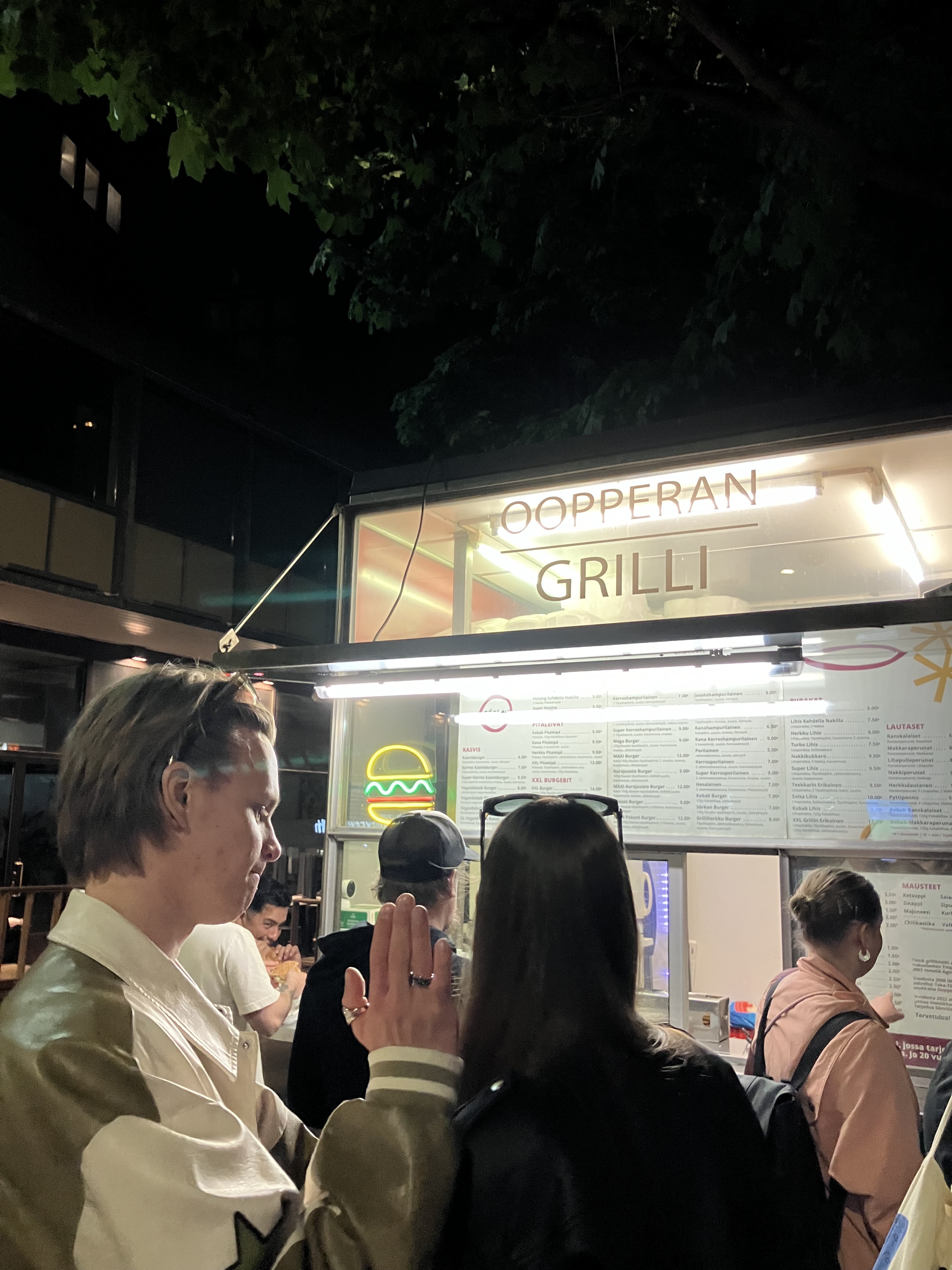
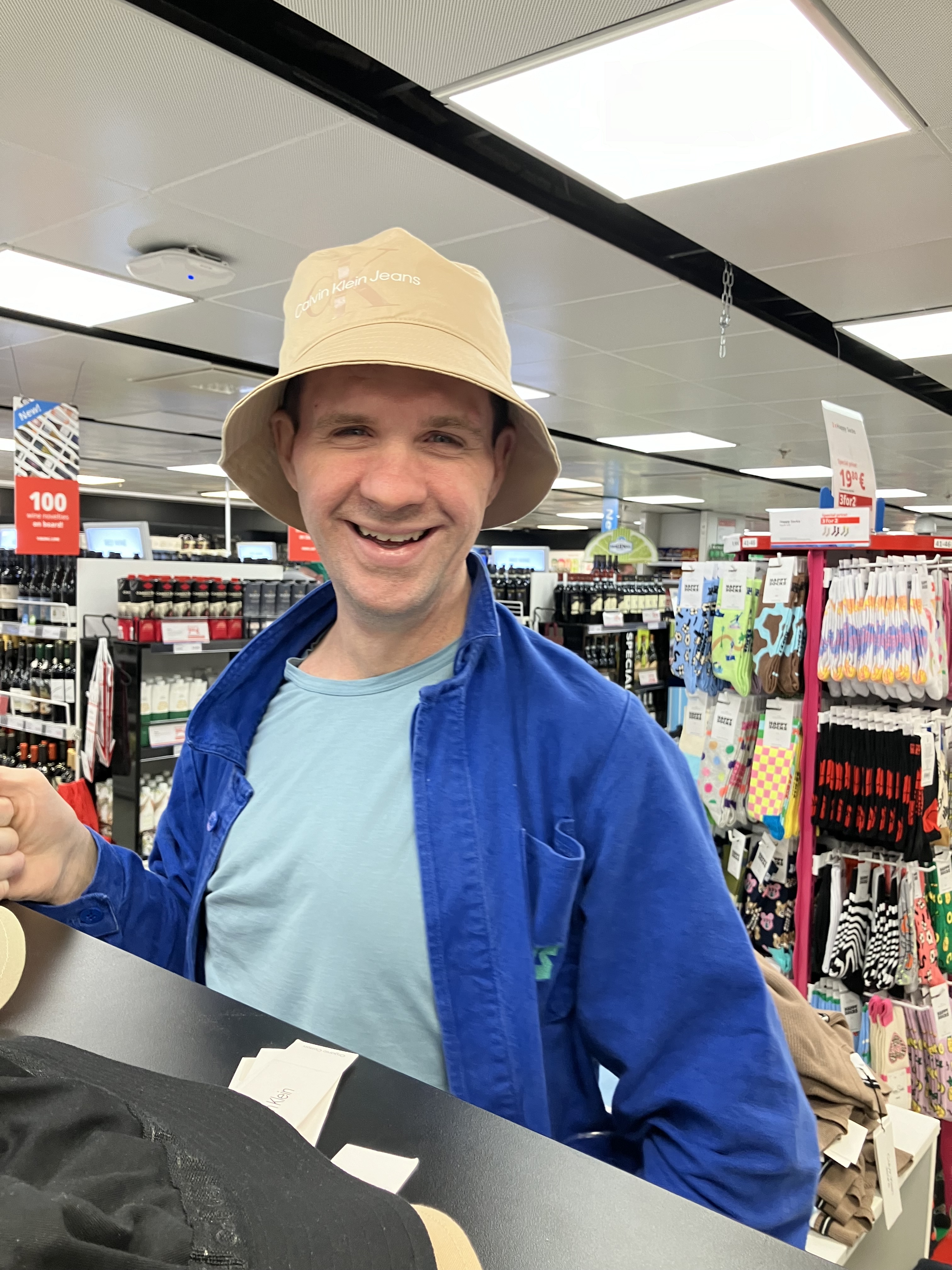
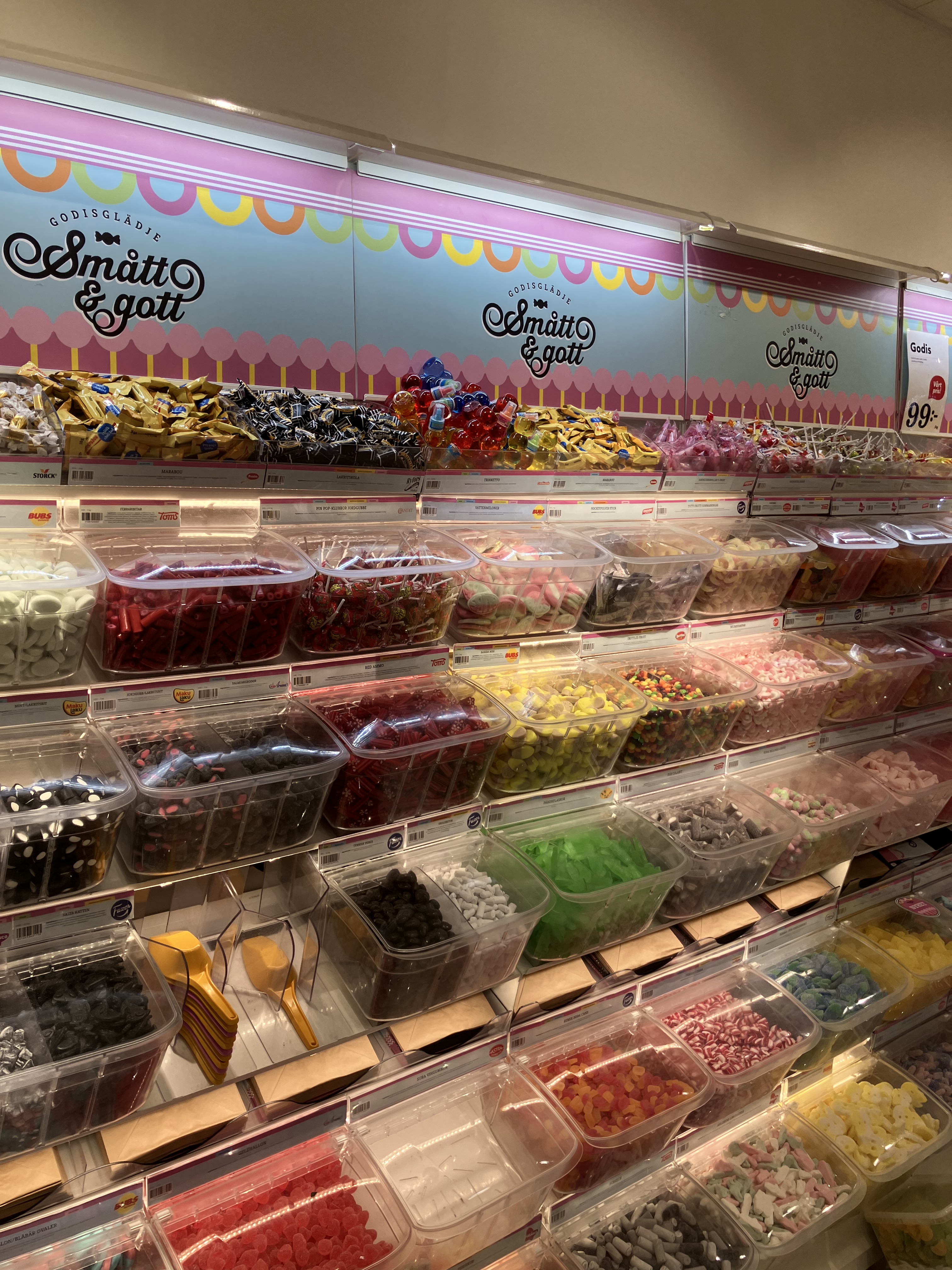
As one does at this point in the night, we made our way to the expansive duty free shop. Maybe it was being a few lagers into the evening or the weird feeling one gets with lack of window access, but we were compelled to buy mementos as we swung our wagon through the aisles laughing like giddy teenagers. I walked out of said shop wearing sky blue aviators, Tim in a bucket hat, and Amy crouched in a corner eating a giant Toblerone.

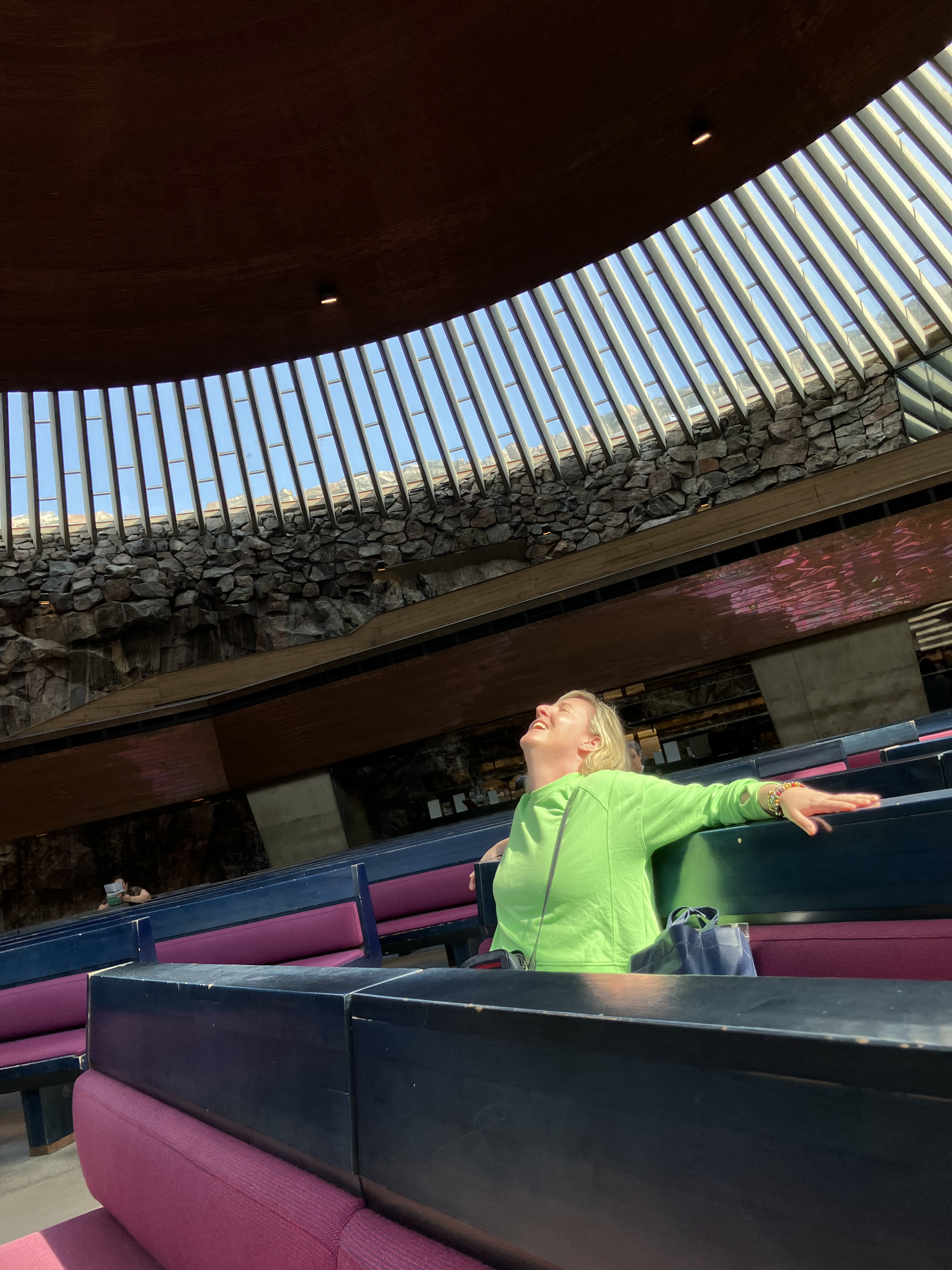
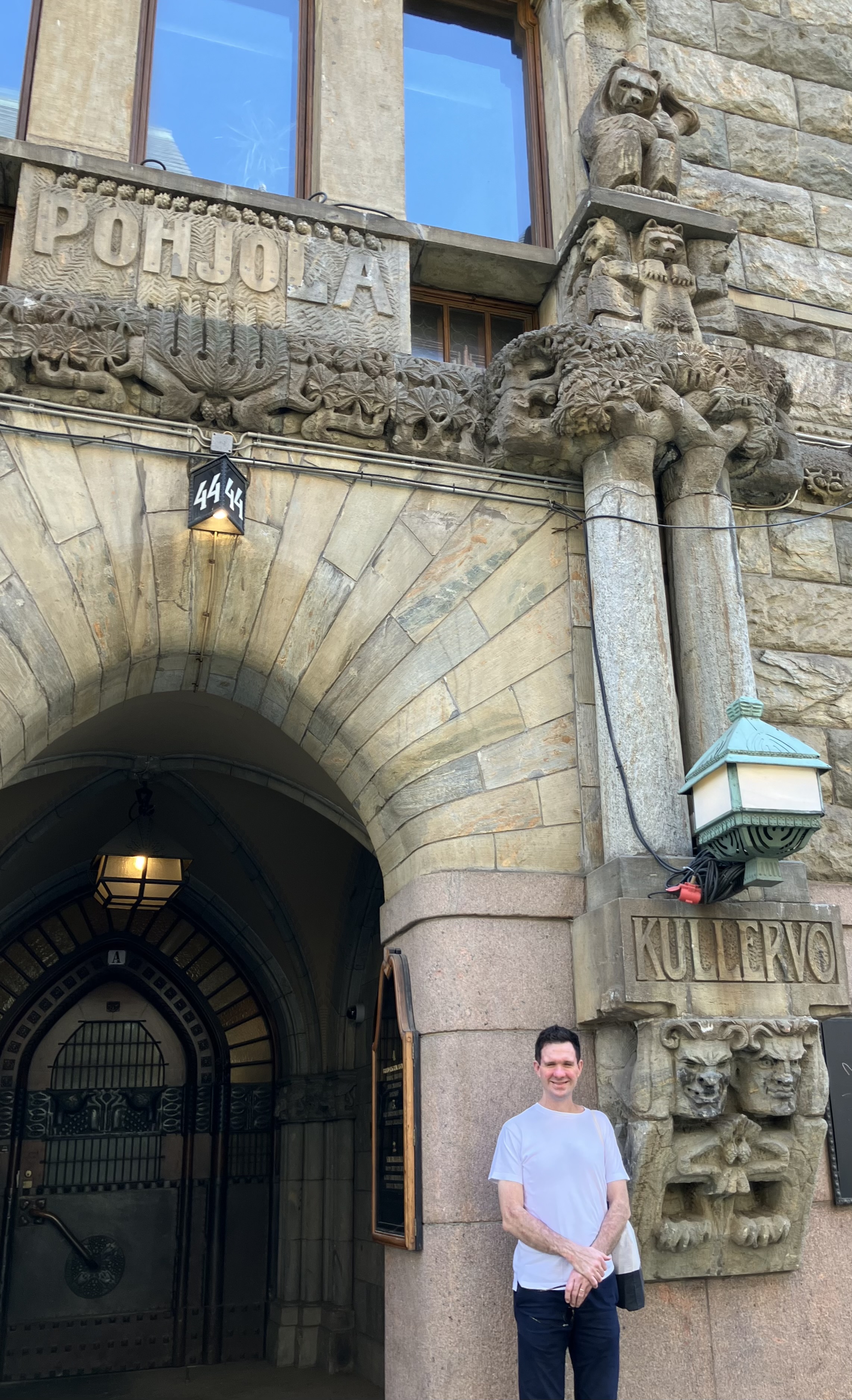
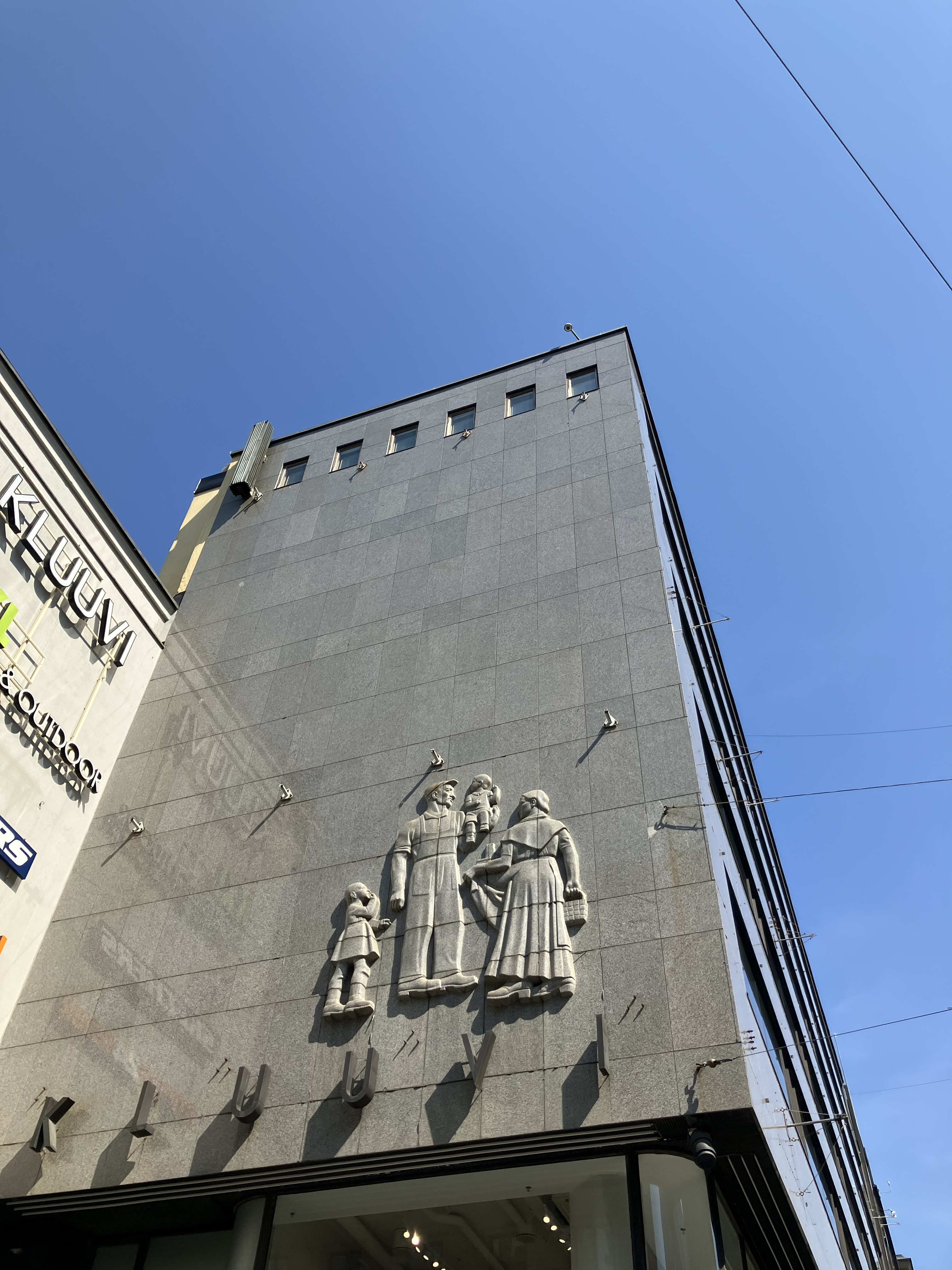
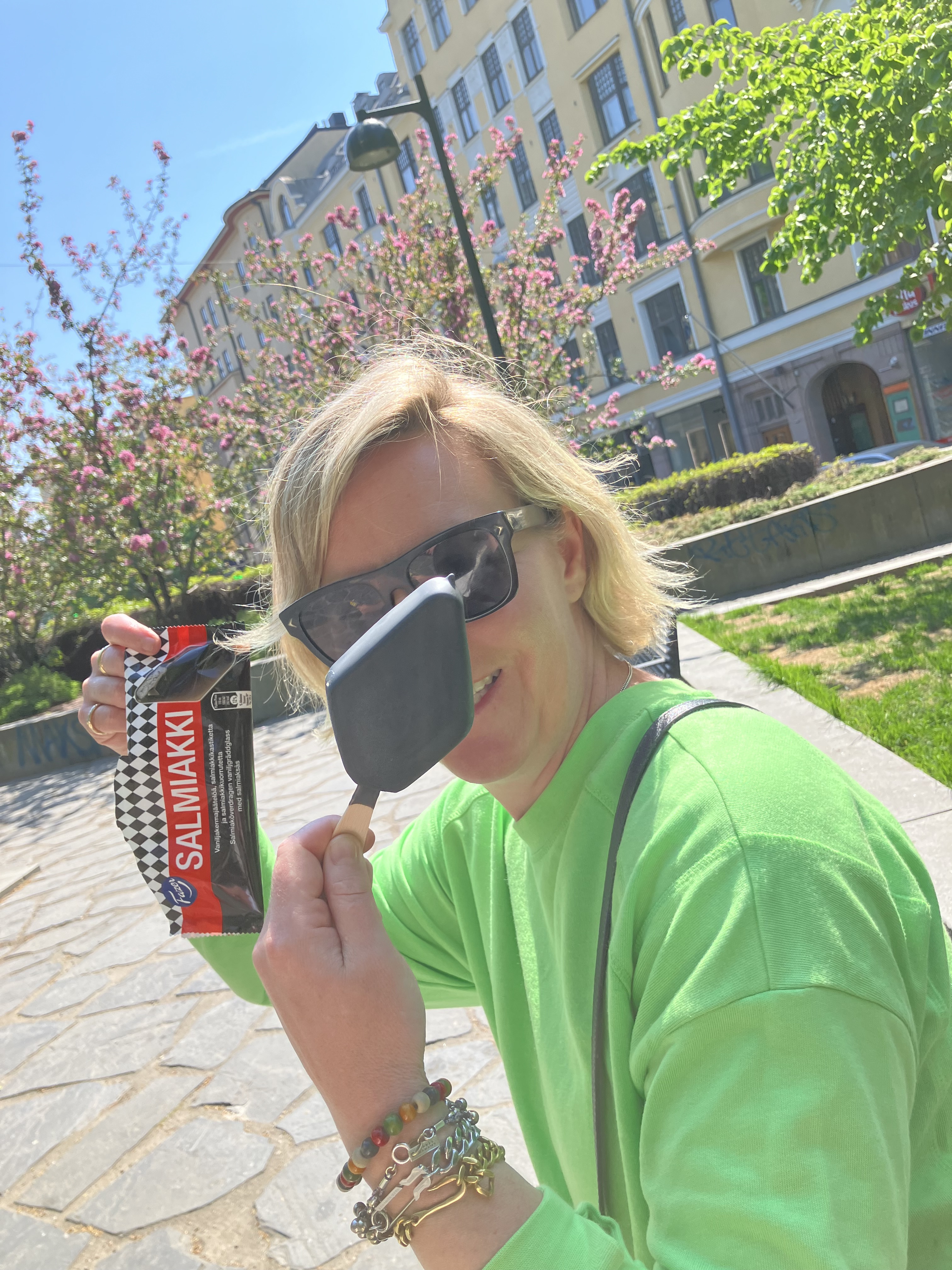
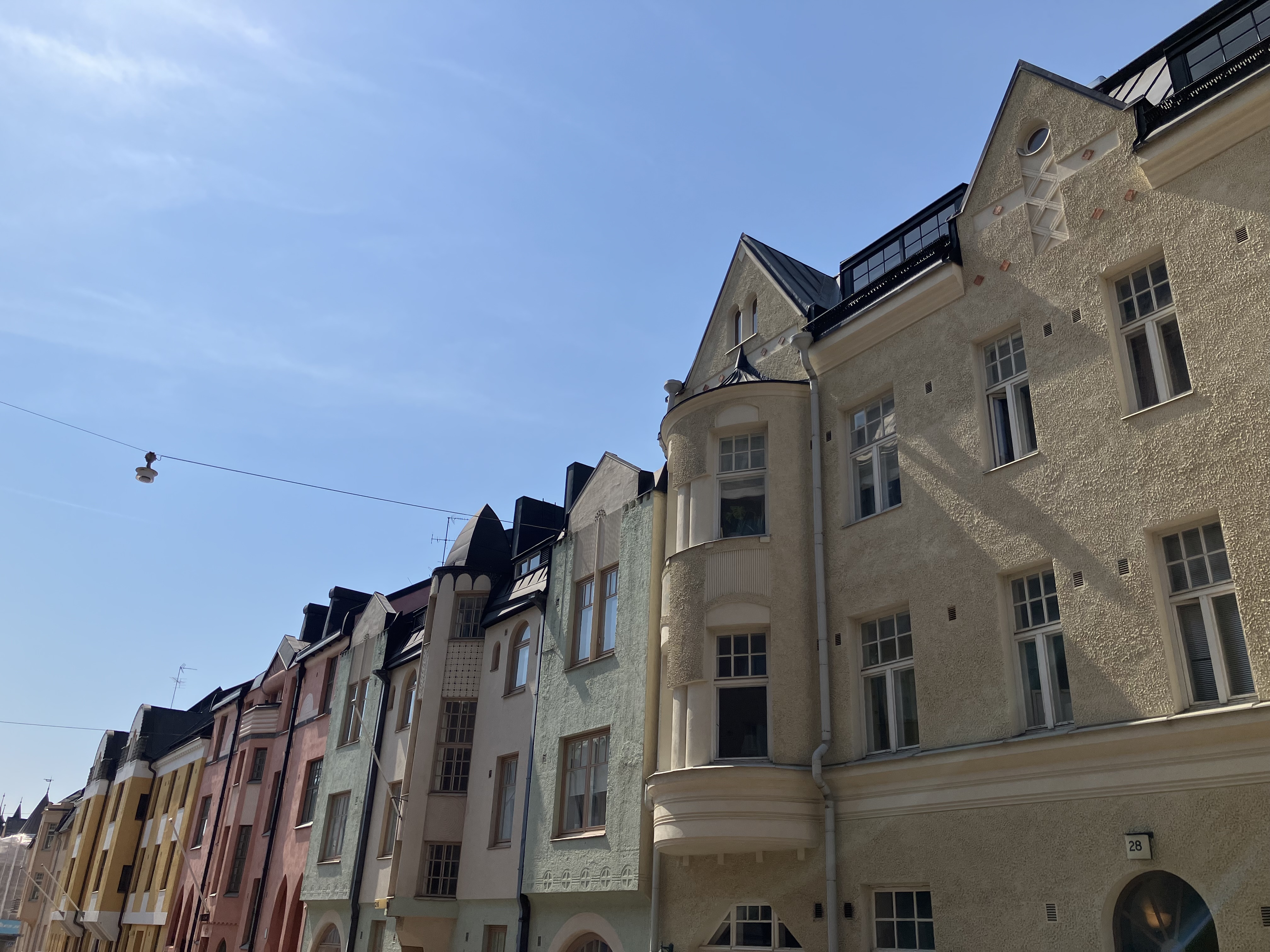
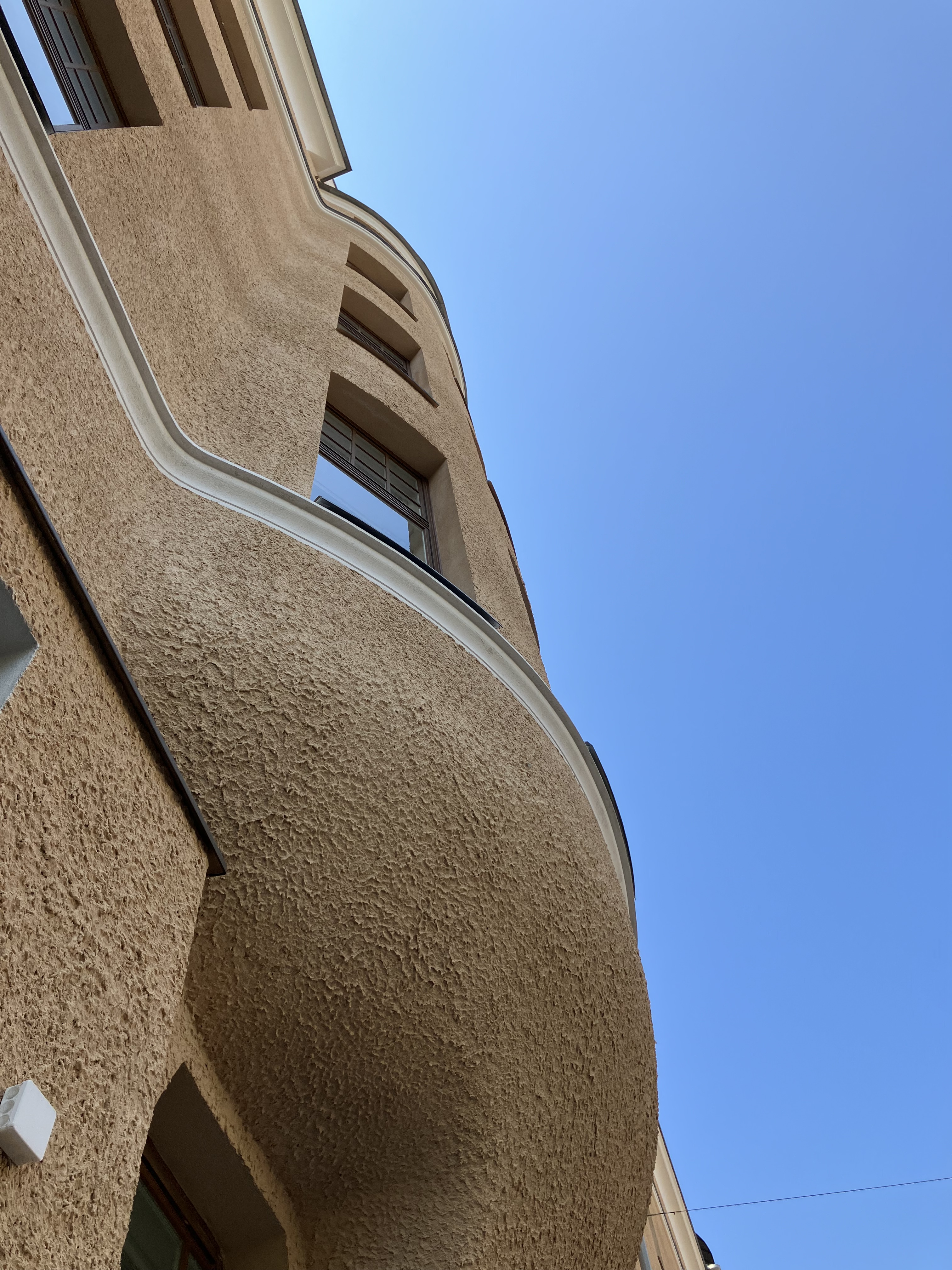
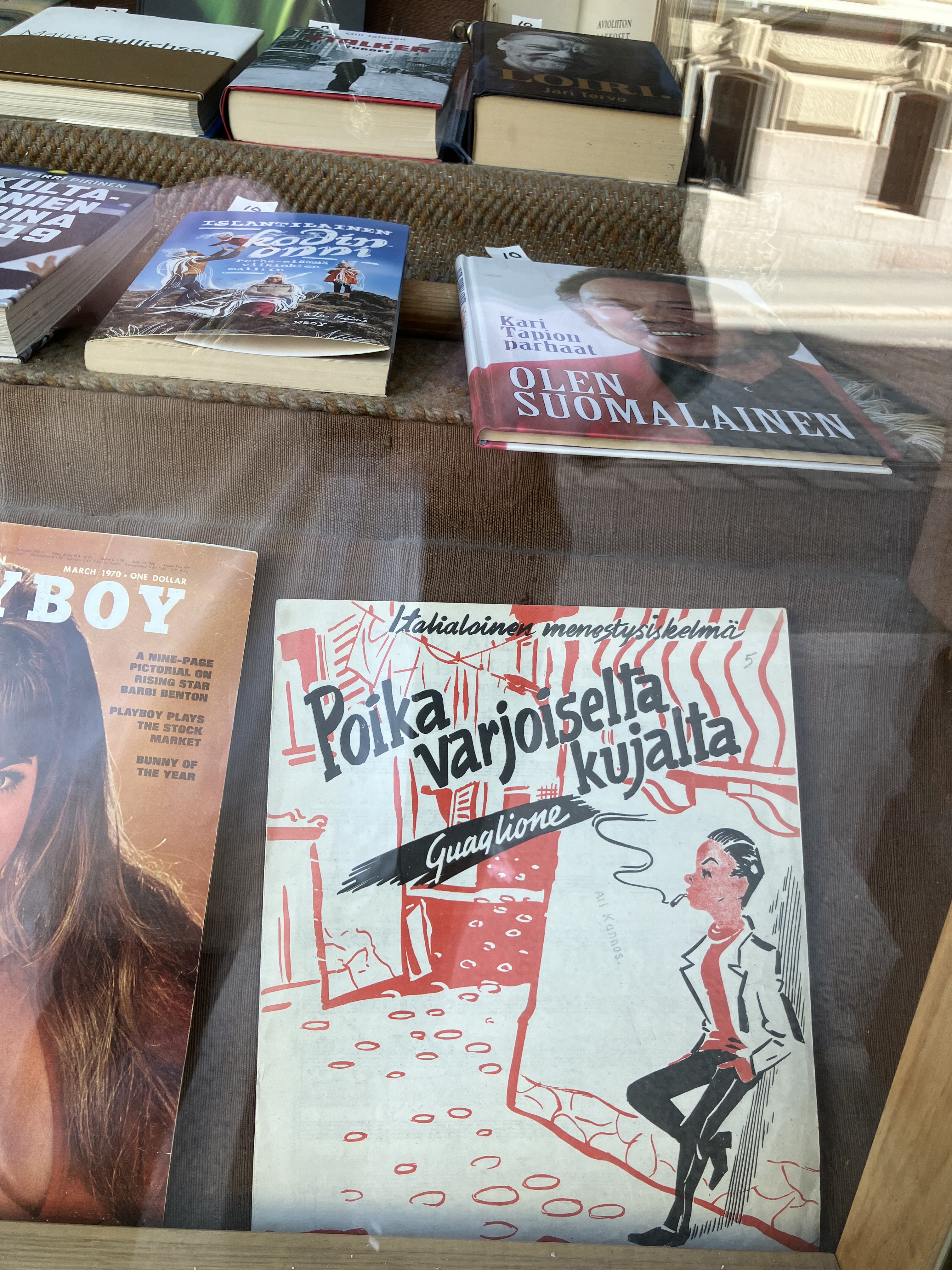
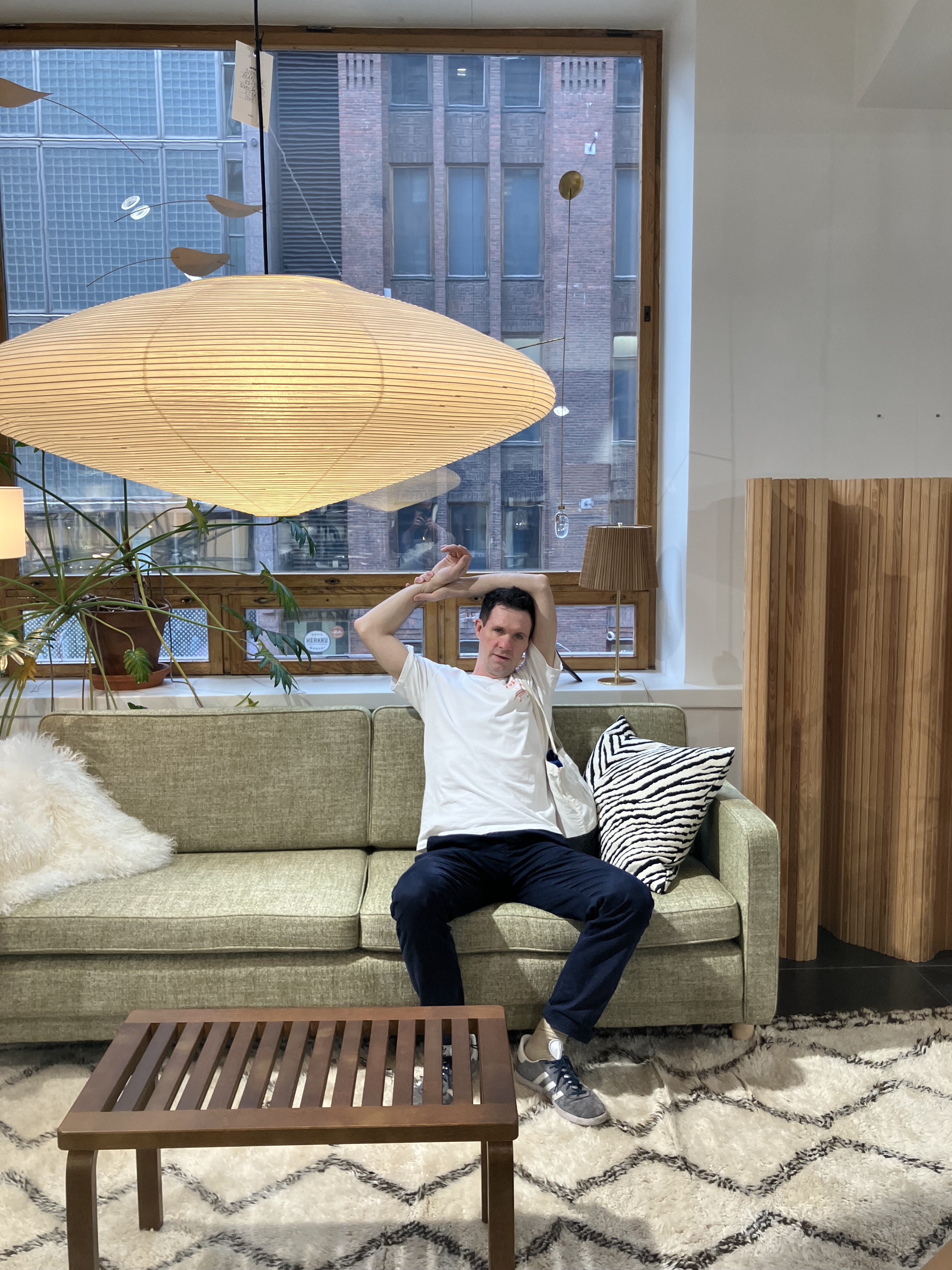
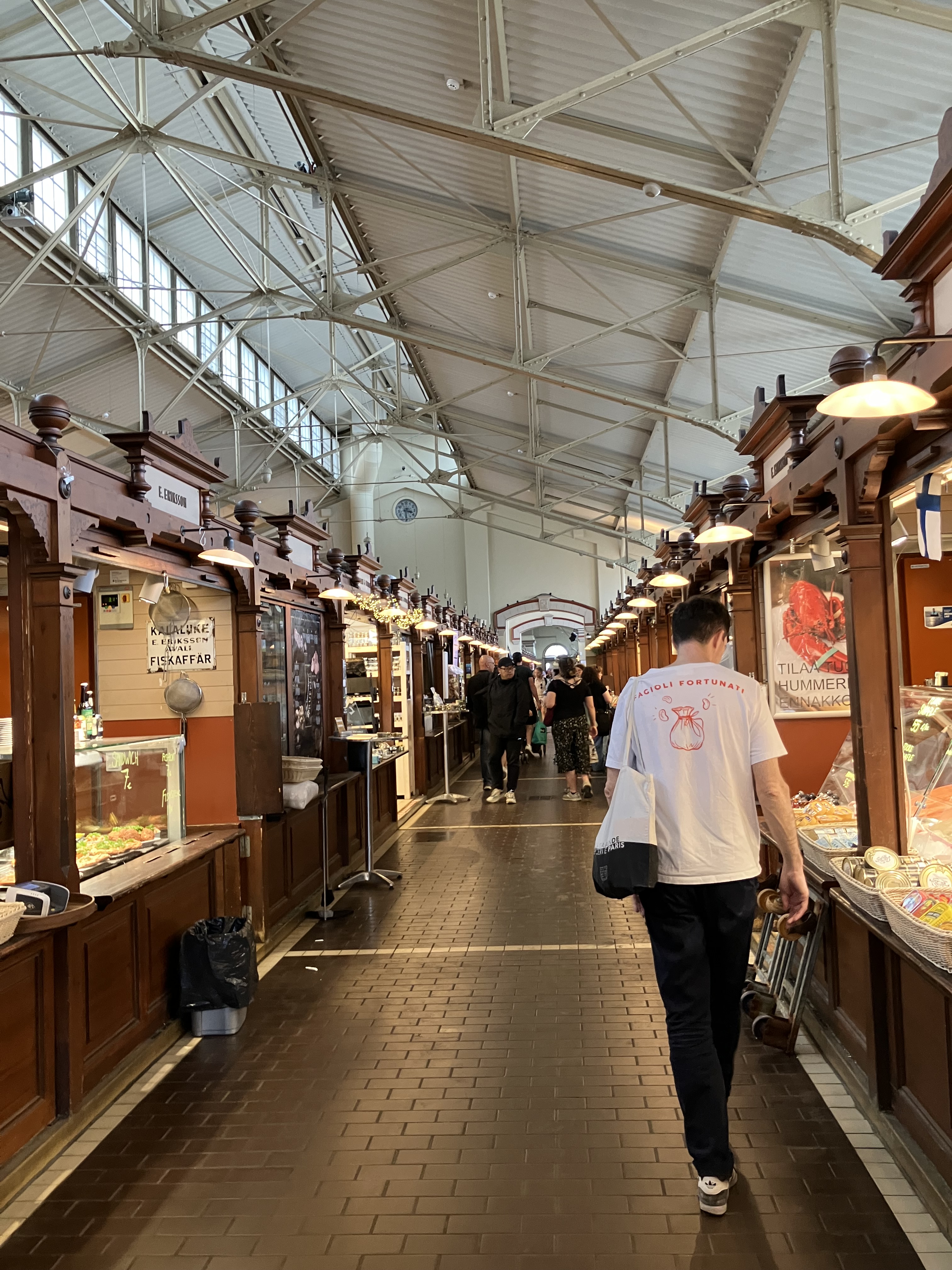
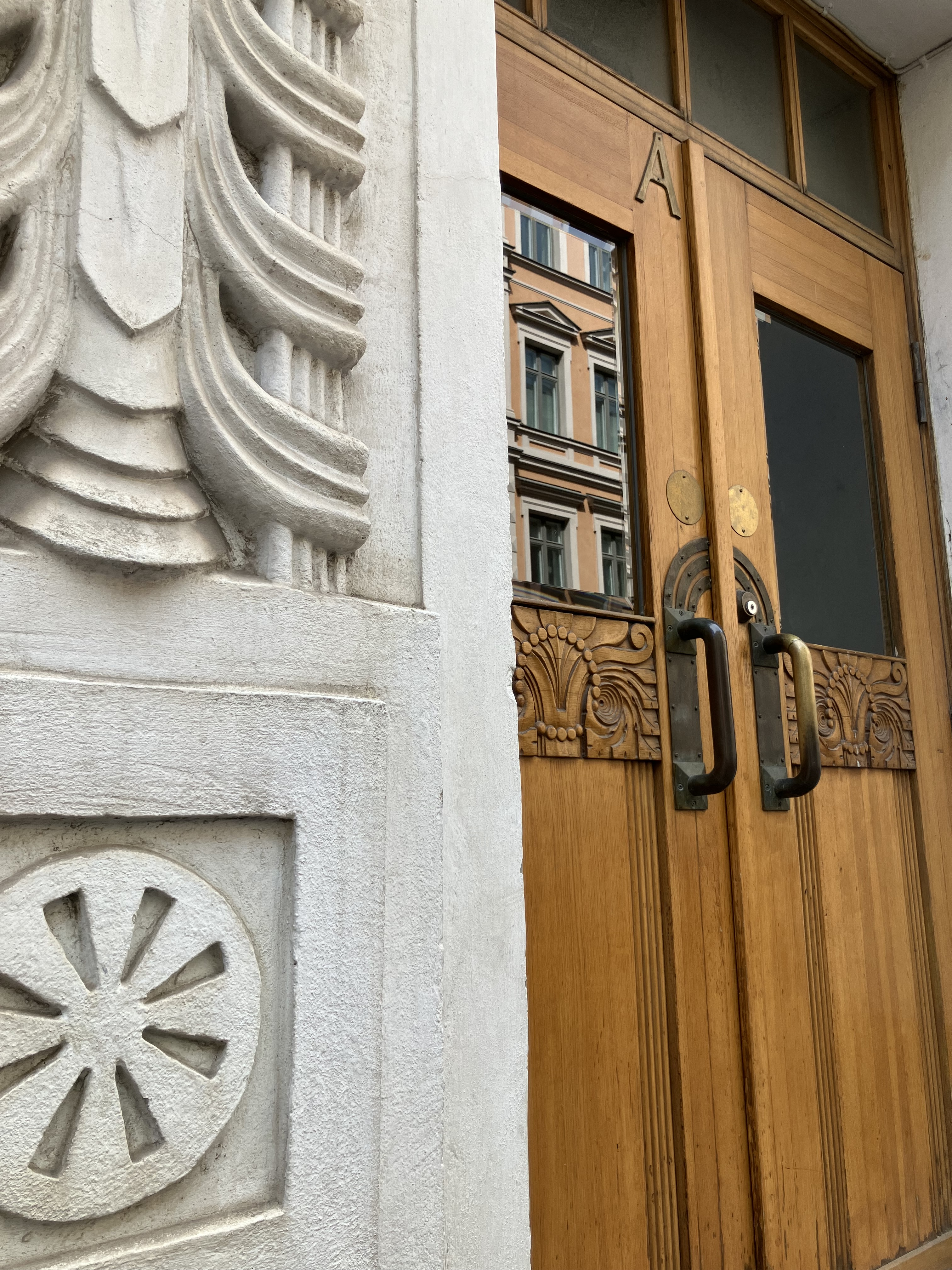
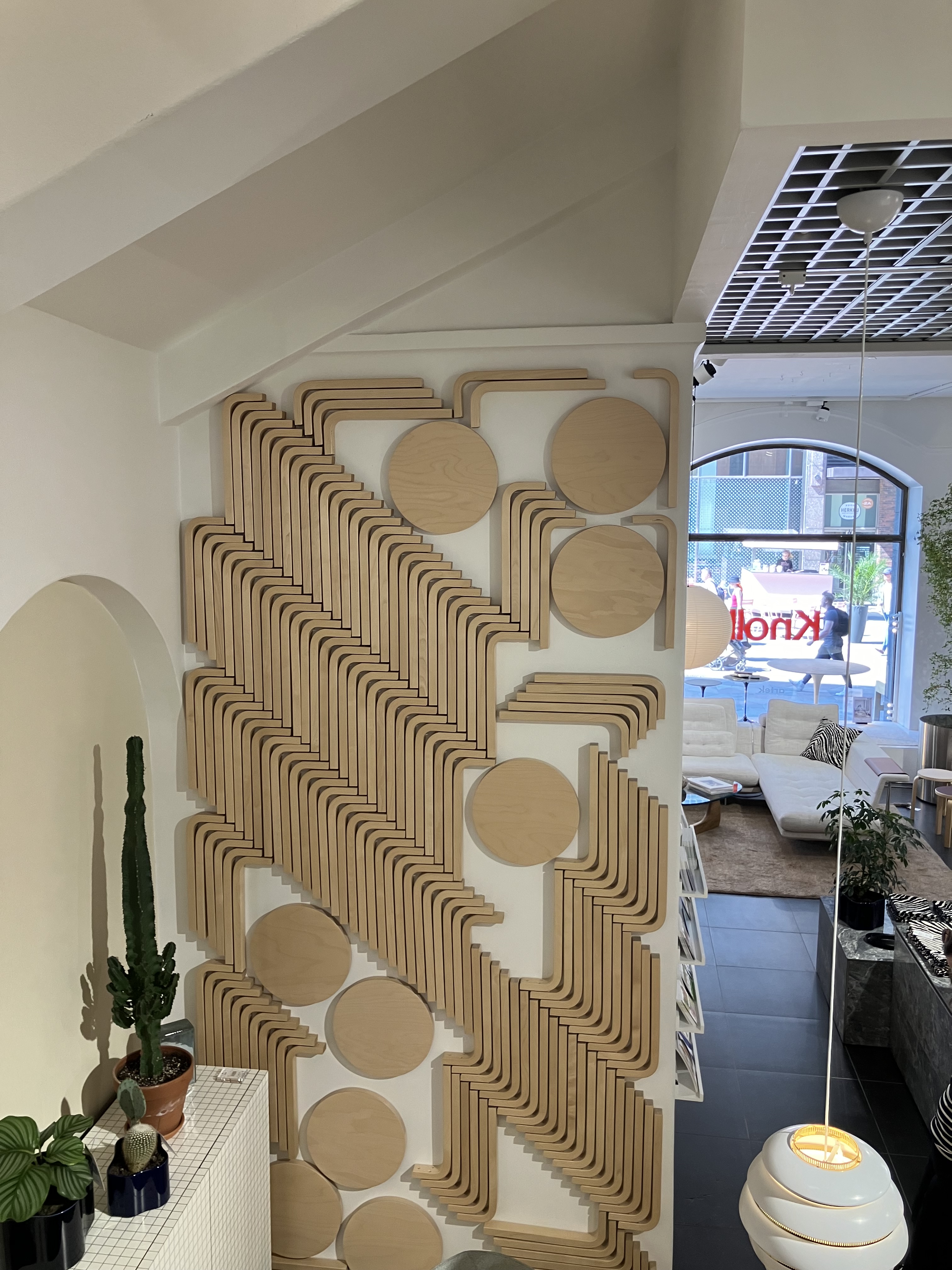
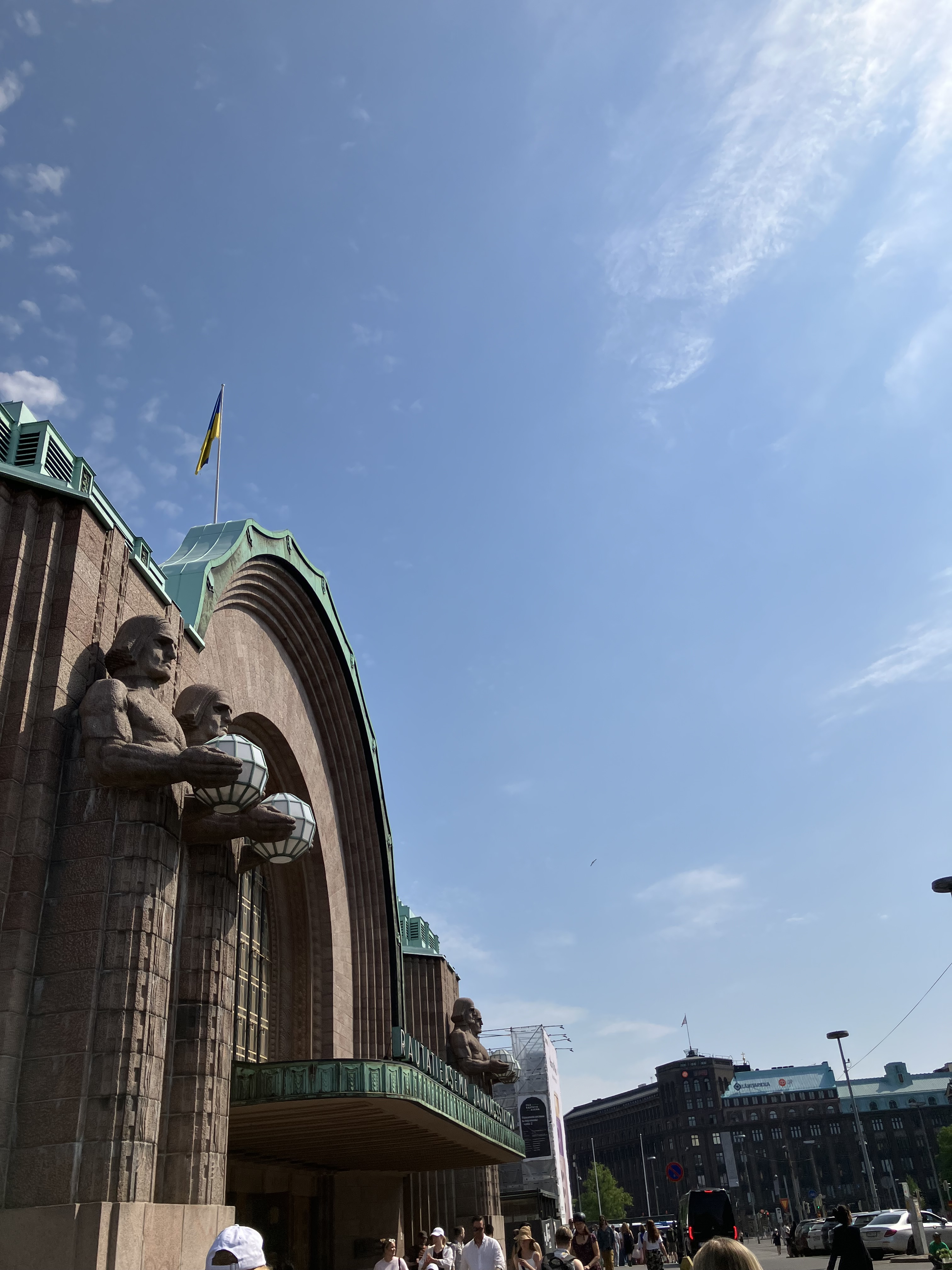
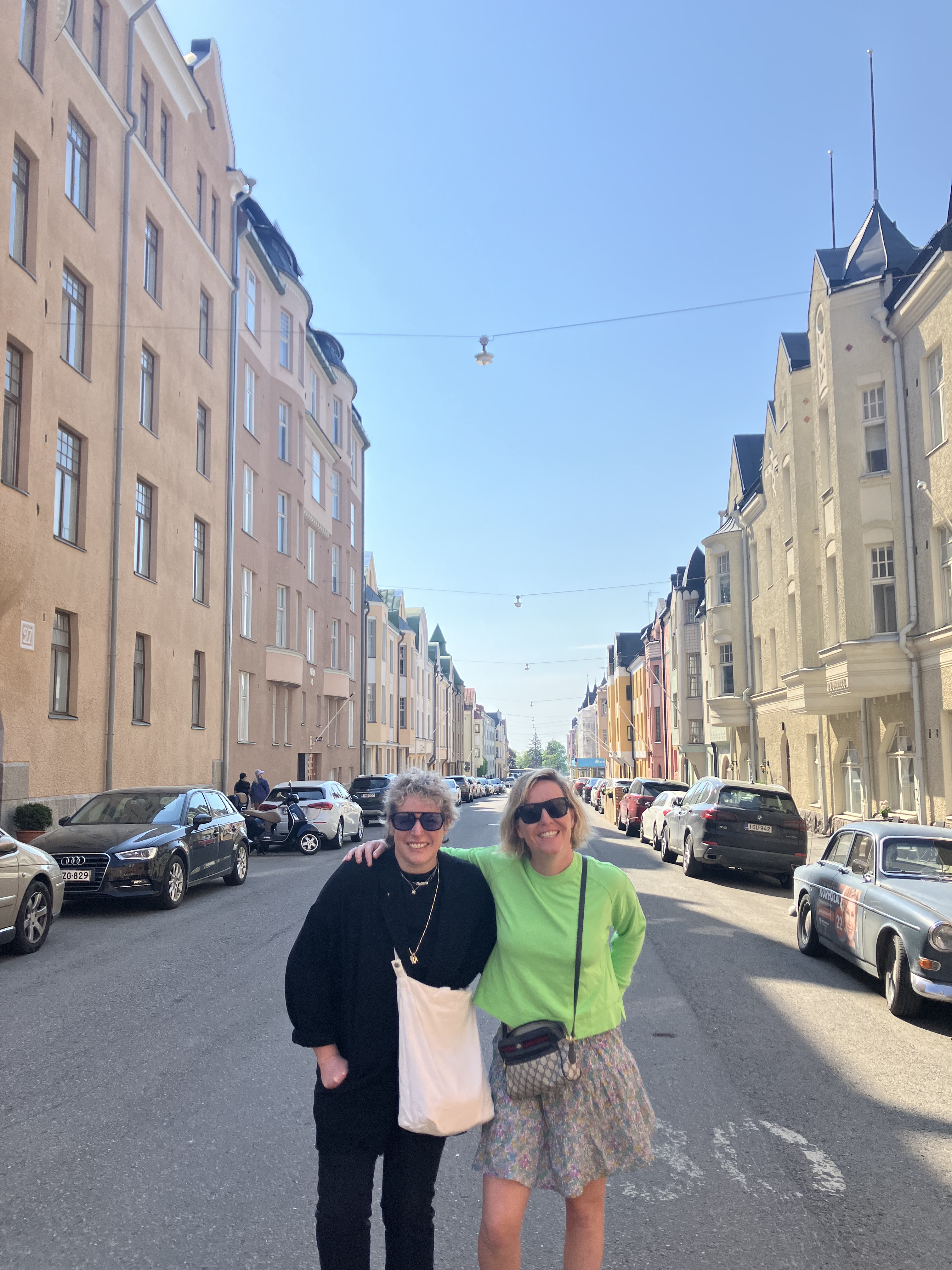
Safe in our sleeping quarters, we awoke to the blue skies of Finland, followed by another assault on the buffet, with the shoreline fully in view. Spending two days in Helsinki felt like a good starter for a hopeful return. I had always envisioned Helsinki as a two-sided coin. One side is the tattoo-clad, black metal-tinged town that heartily endures the endless winter darkness. The other side is of endless summer daylight and images of whimsical Moomin characters. All stereotypes of course, and Helsinki is a complicated place that wears many faces agnostic of the seasons. Walking around, you’ll notice that brutalist Finnish architecture is complimented by the delicate designs from the grandfather of modern Scandi design (and a personal favorite), Alvar Aalto. Staying at the Hotel Helka (Pohjoinen Rautatiekatu 23), you’ll find every ounce of space ensconced in Aalto/Artek designs, and it was truly a top fiver of a hotel room that I never wanted to leave.

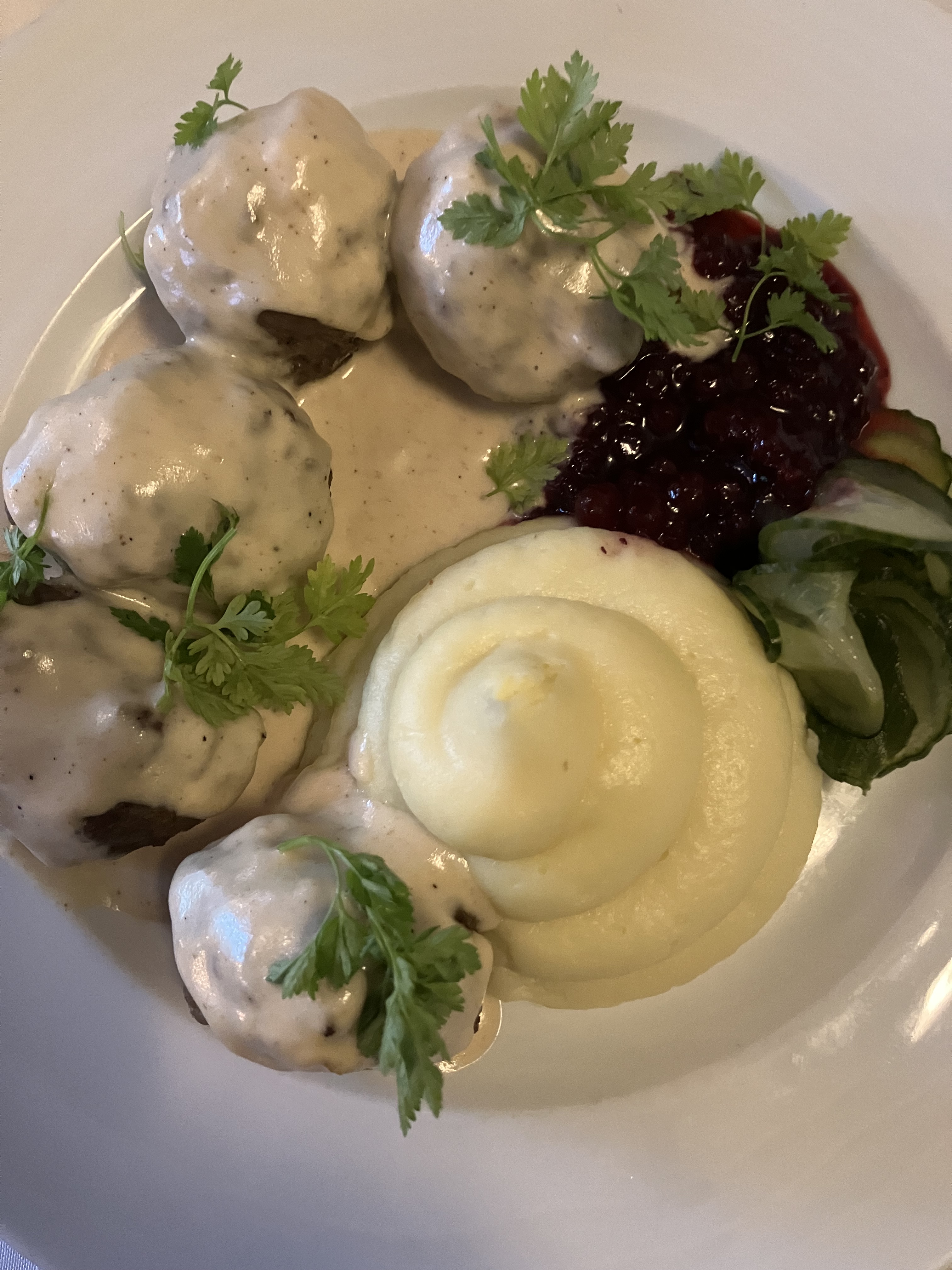
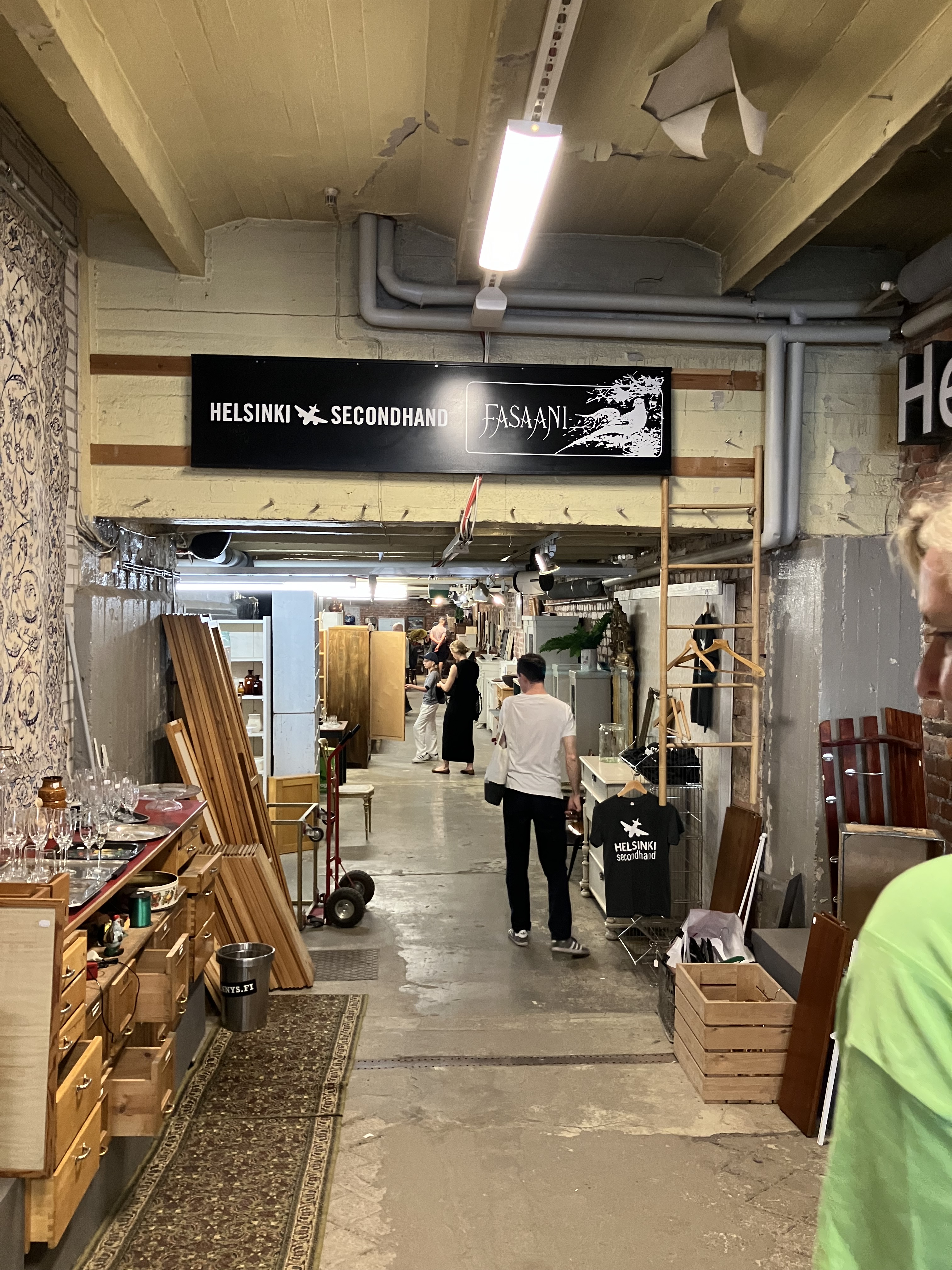
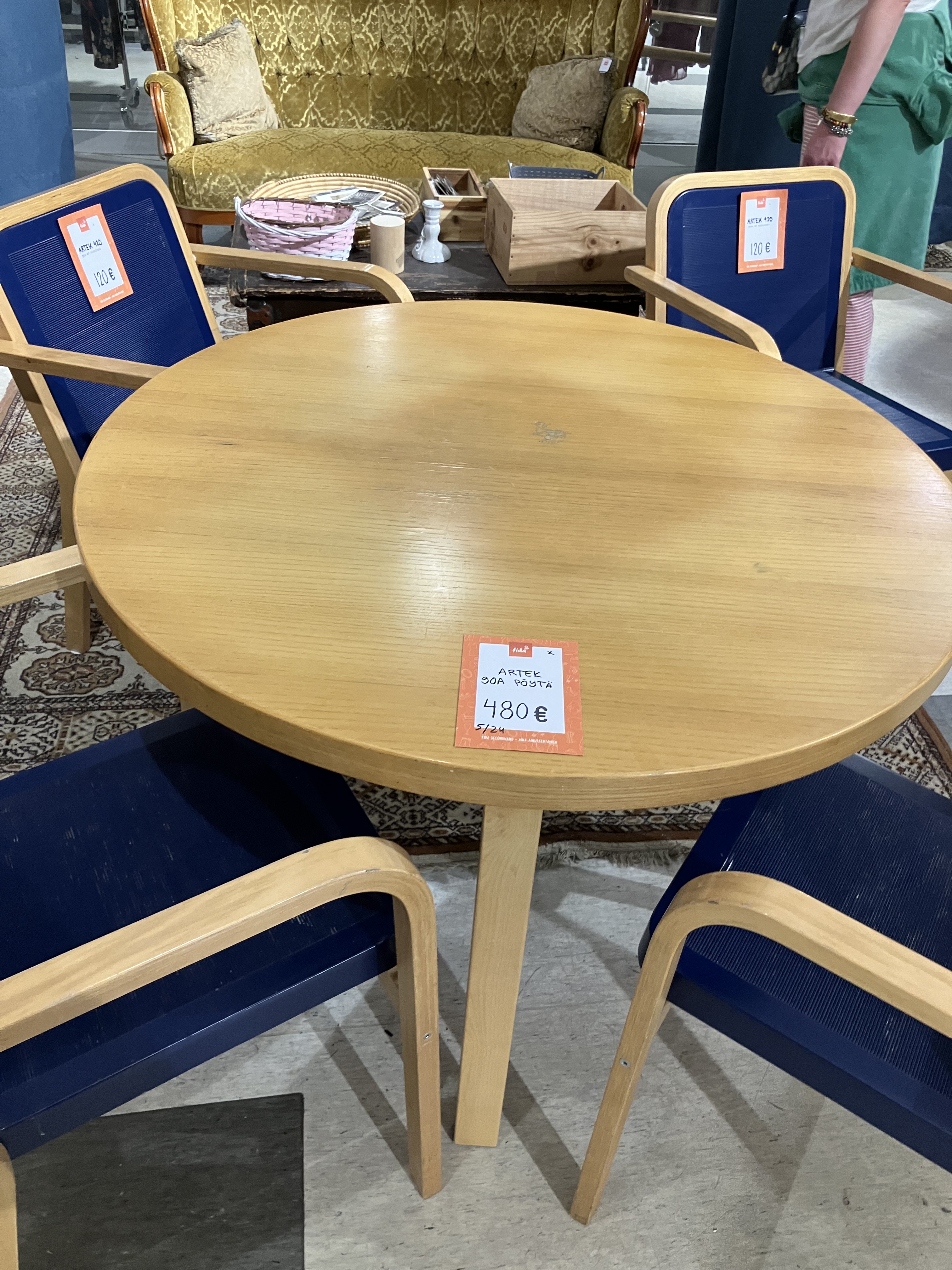
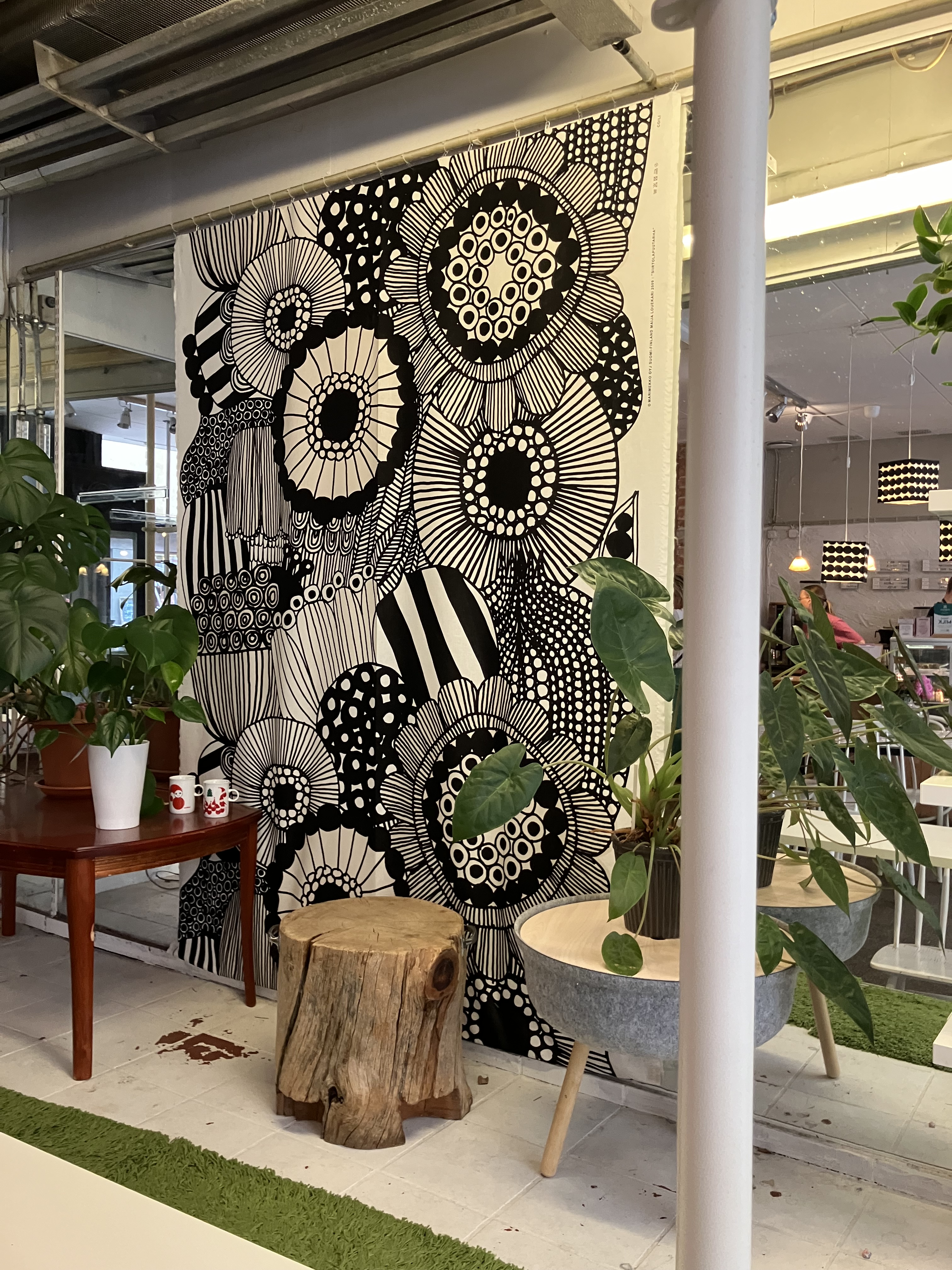
Antique shopping is a best-of for Artek, Iitala, Marimekko, Moomin, and much more. The best experience was at the expansive treasure trove Helsinki Secondhand (Korkeavuorenkatu 5). Search hard enough and you’ll find exceptional goods – from limited edition signed 1970s Iitala pieces to rare cuts of vintage Marimekko fabric. While I still see Stockholm as my shining star of Scandi dining, Helsinki had memorable meals of the standards – comforting meatballs and some of the most pillowy mashed potatoes I ever had at Restaurant Sea Horse (Kapteeninkatu 11).

Two days in Helsinki were followed by an early morning flight back to New York via Stockholm. Thanks to the pleasantries of Scandinavian travel, even when you’re running from station to station, airport to airport, you’re always met with above par amenities to make the experience feel civilized and miles away from the chaos that modern day travel can bring.
Roma in più: C’è sempre Prati

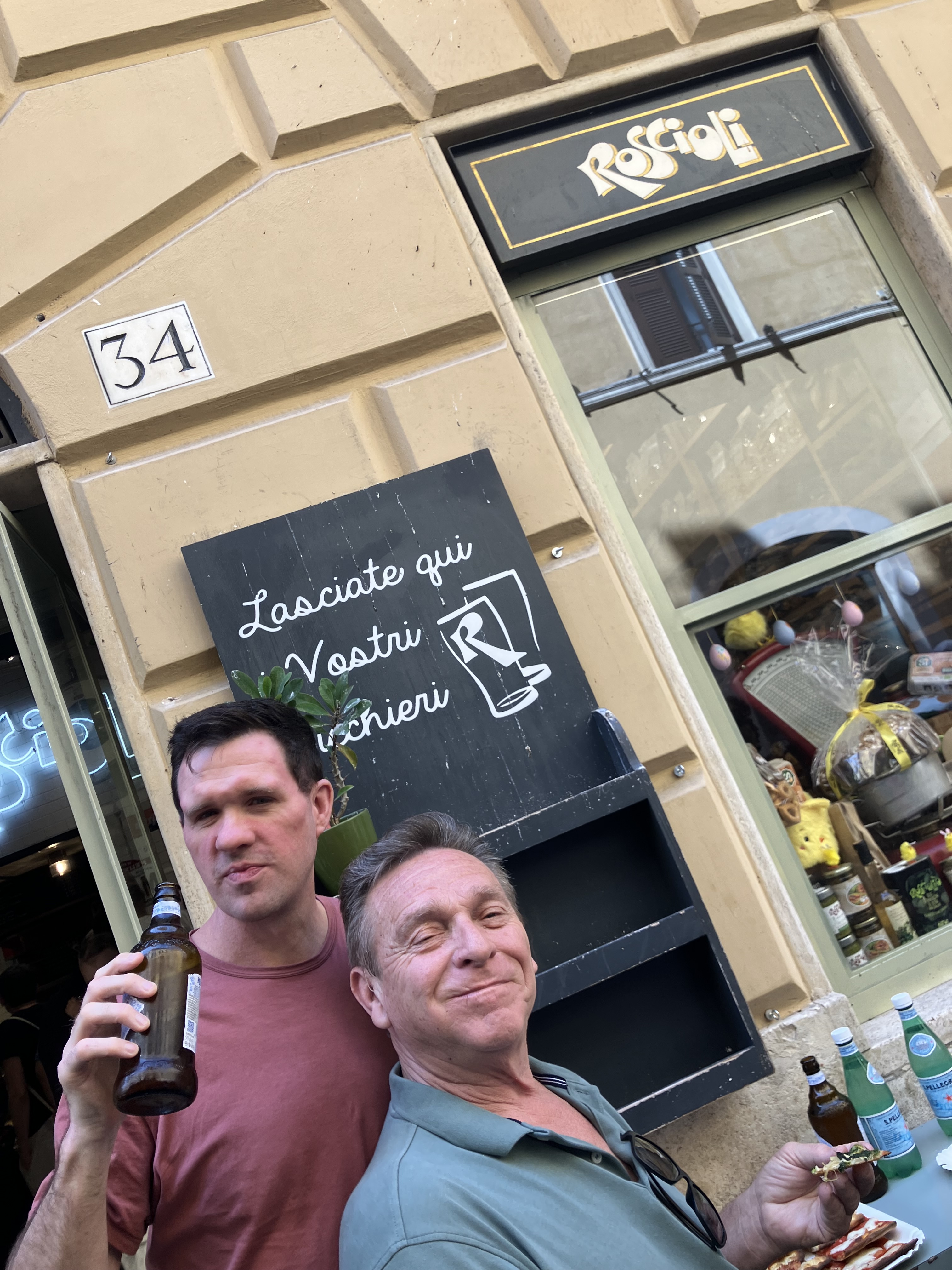
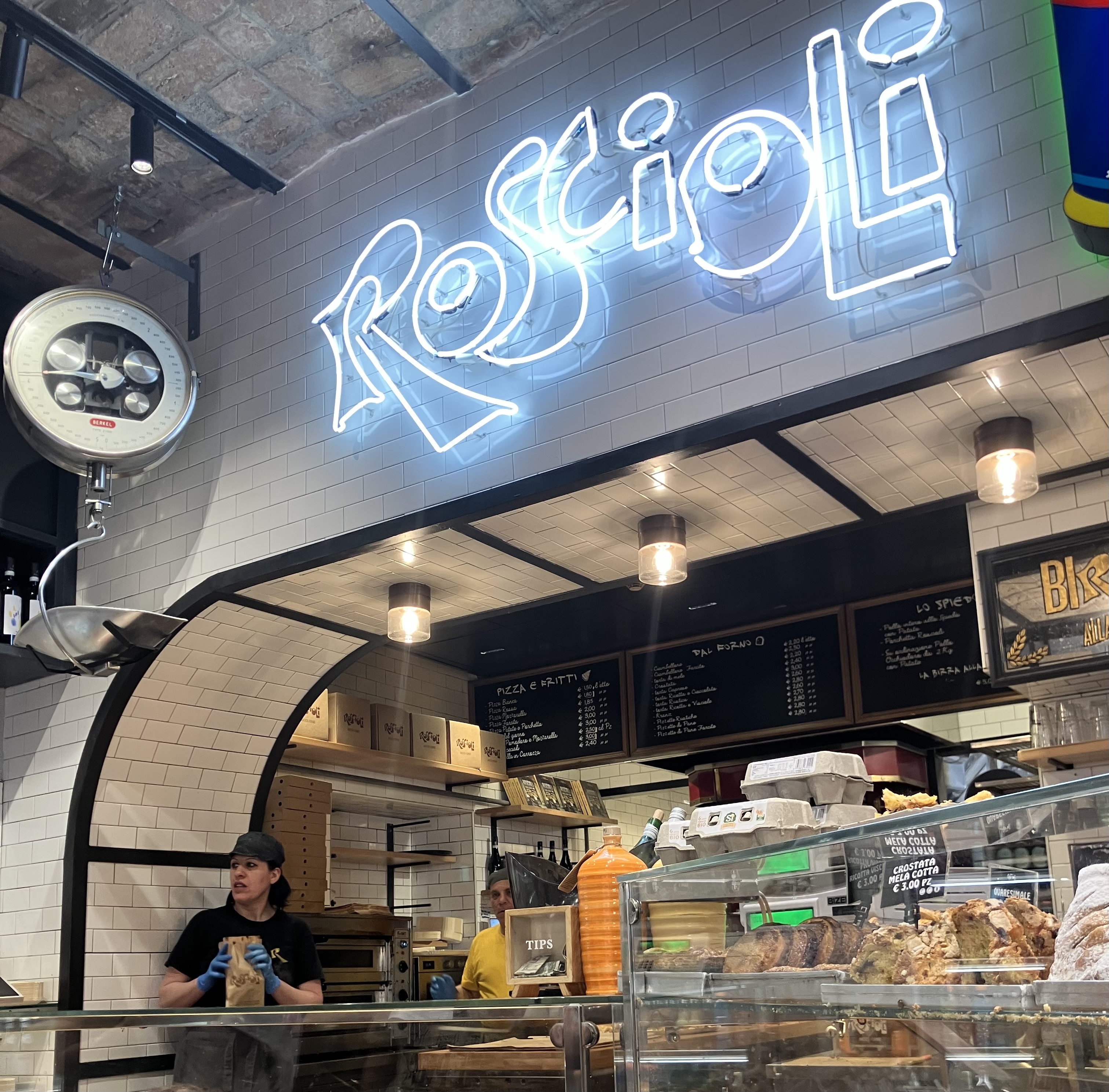
I always see Rome as a compass to mark where I am in my life. I think back to the early 2000s when my Roman slice of life centered around dinners at Da Francesco, when the Roscioli empire was still a twinkle in the eye of in-the-know tourists, and you could still approach the Trevi Fountain, coin in hand, wish ready. Nights were spent dancing away in Testaccio, a working class rione all about the clubs that dotted along the slaughterhouse lanes. Time has passed and Rome has become an overblown version of itself in many ways (bla bla bla), smart phones and modern technology have blurred the lines of tourism etiquette (bla bla bla), and Roscioli has gone global (but is still the best in its hometown). But as I remind myself, Rome does not have to be perceived or experienced in an exhausting way.

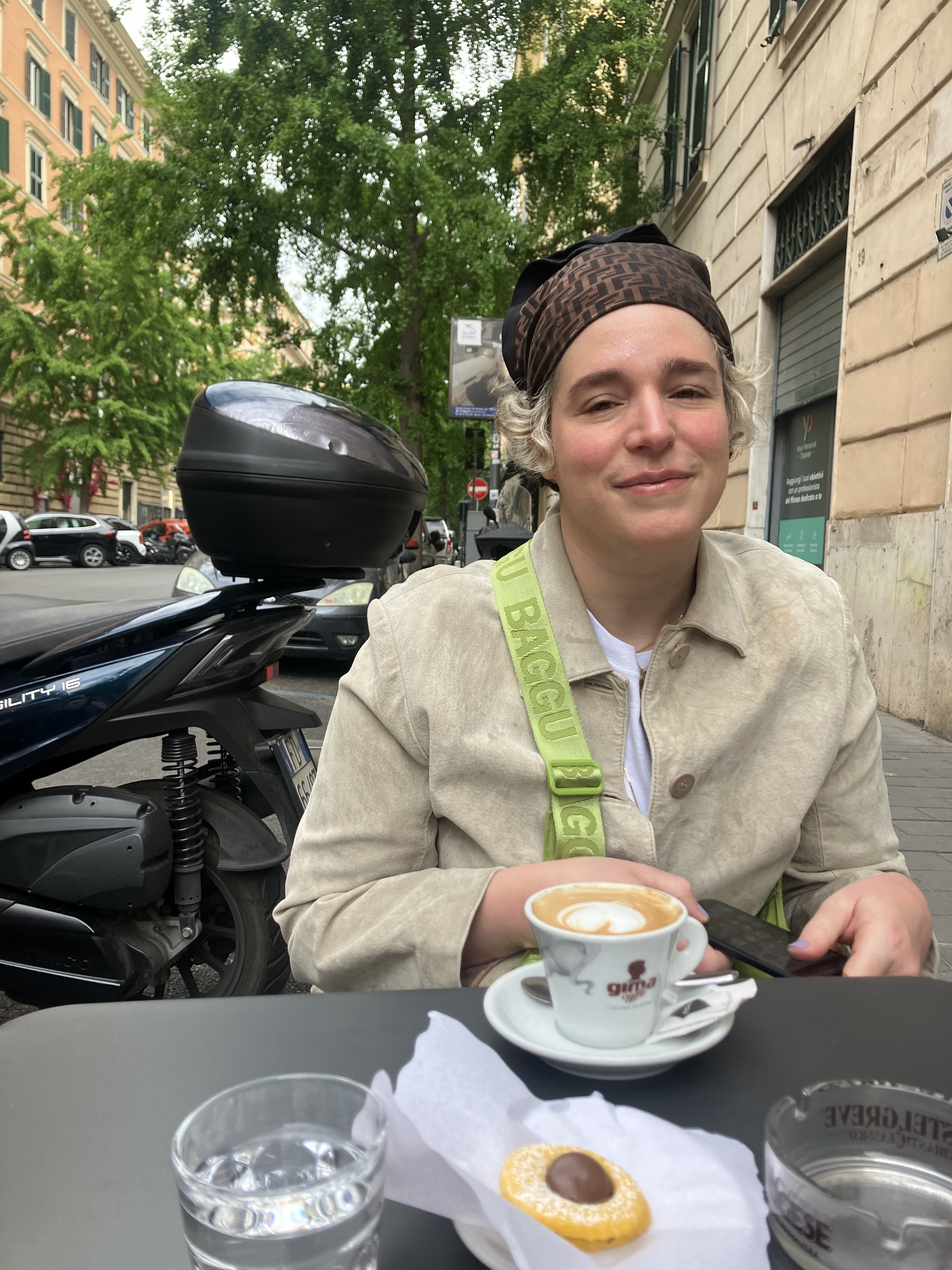
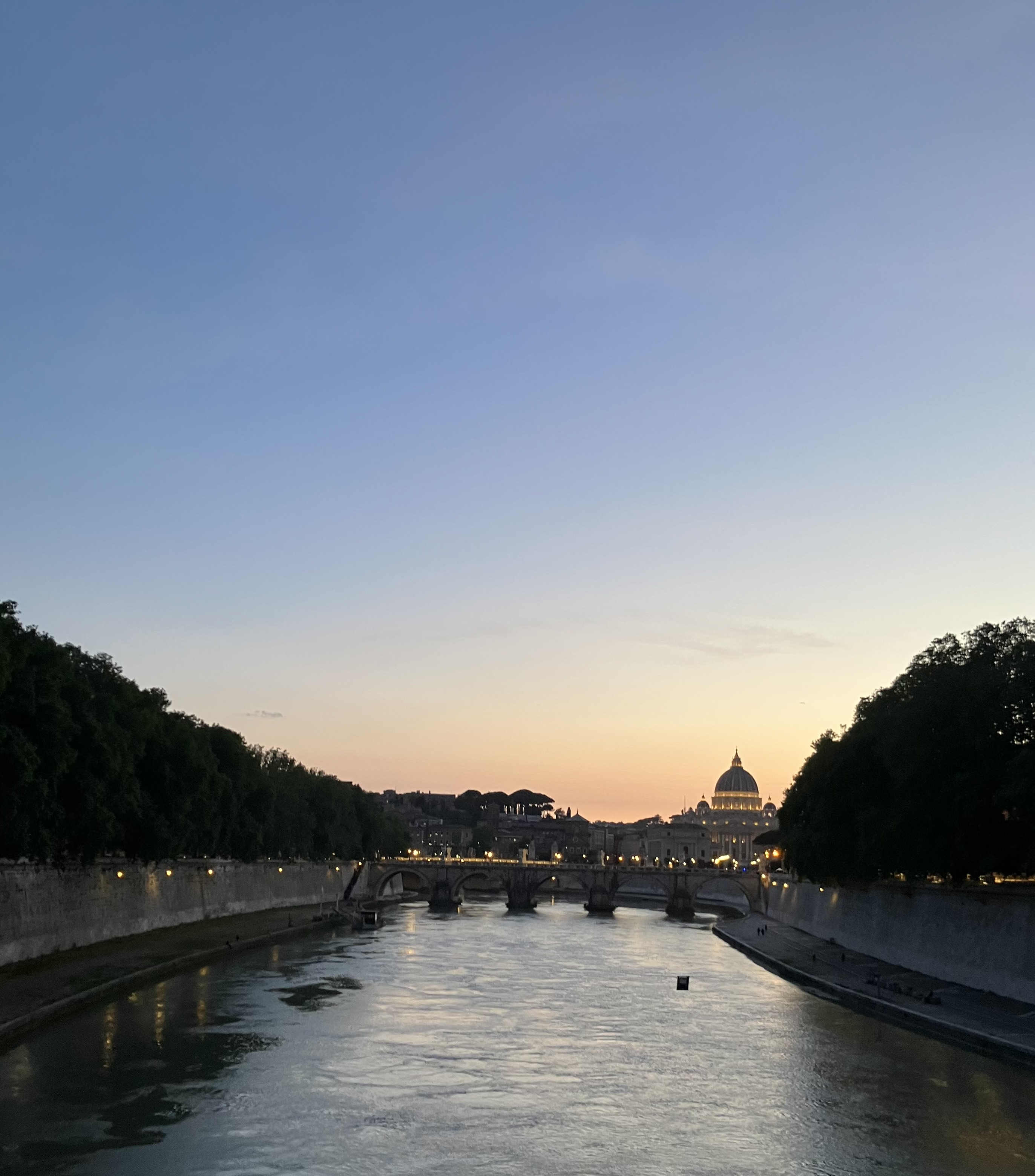
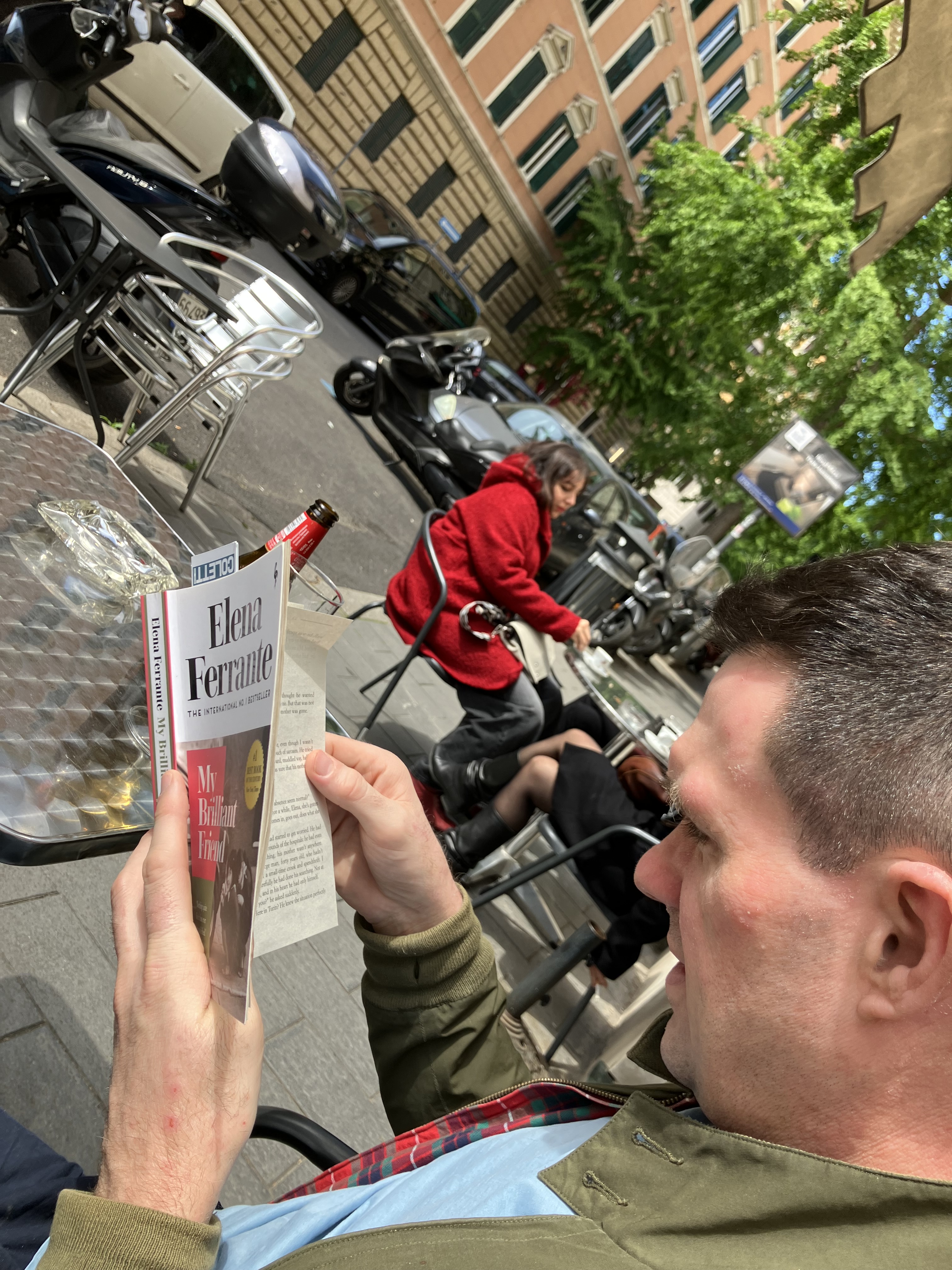
Nothing is more important than an ease into the day, perching at a nondescript caffè, enjoying a pastry, and watching life pass by. Walking over the Ponte Umberto I (with not too shabby a view) in the crisp morning air, we wandered into Prati – a neighborhood one would expect to be maddening considering its border with Vatican City. Instead, with its tree-lined streets and upmarket sensibilities, it is surprisingly void of the hoards.

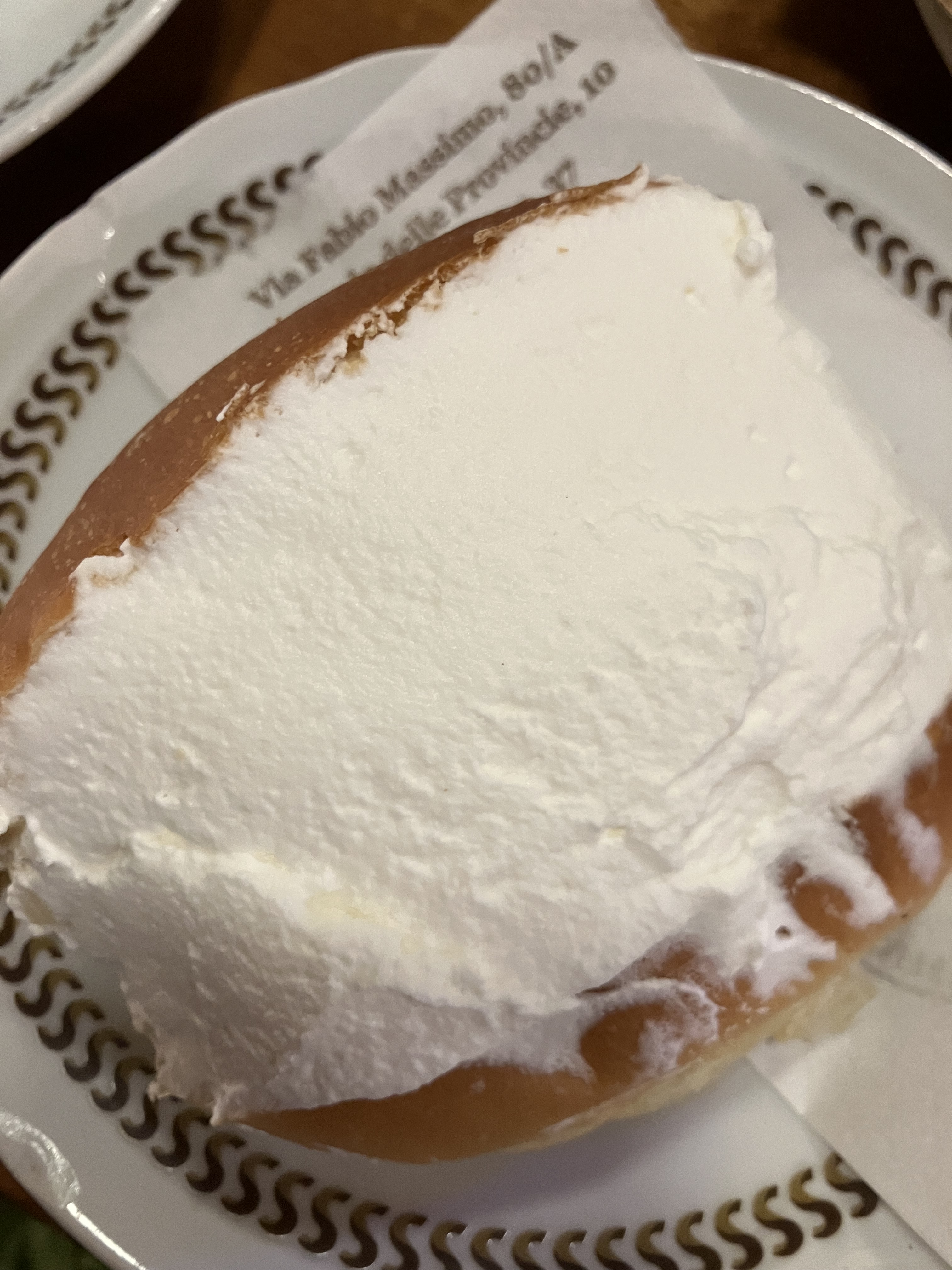
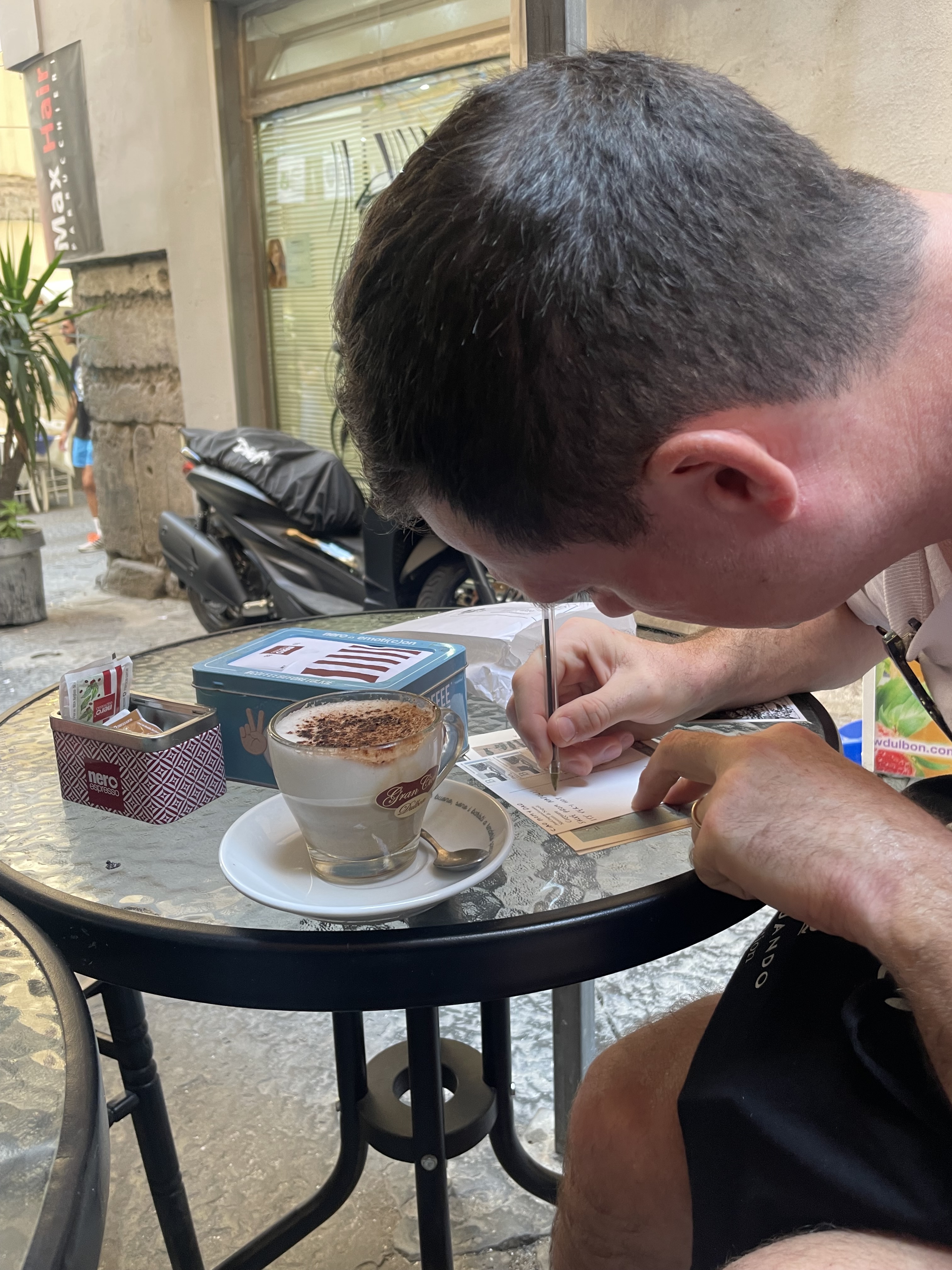
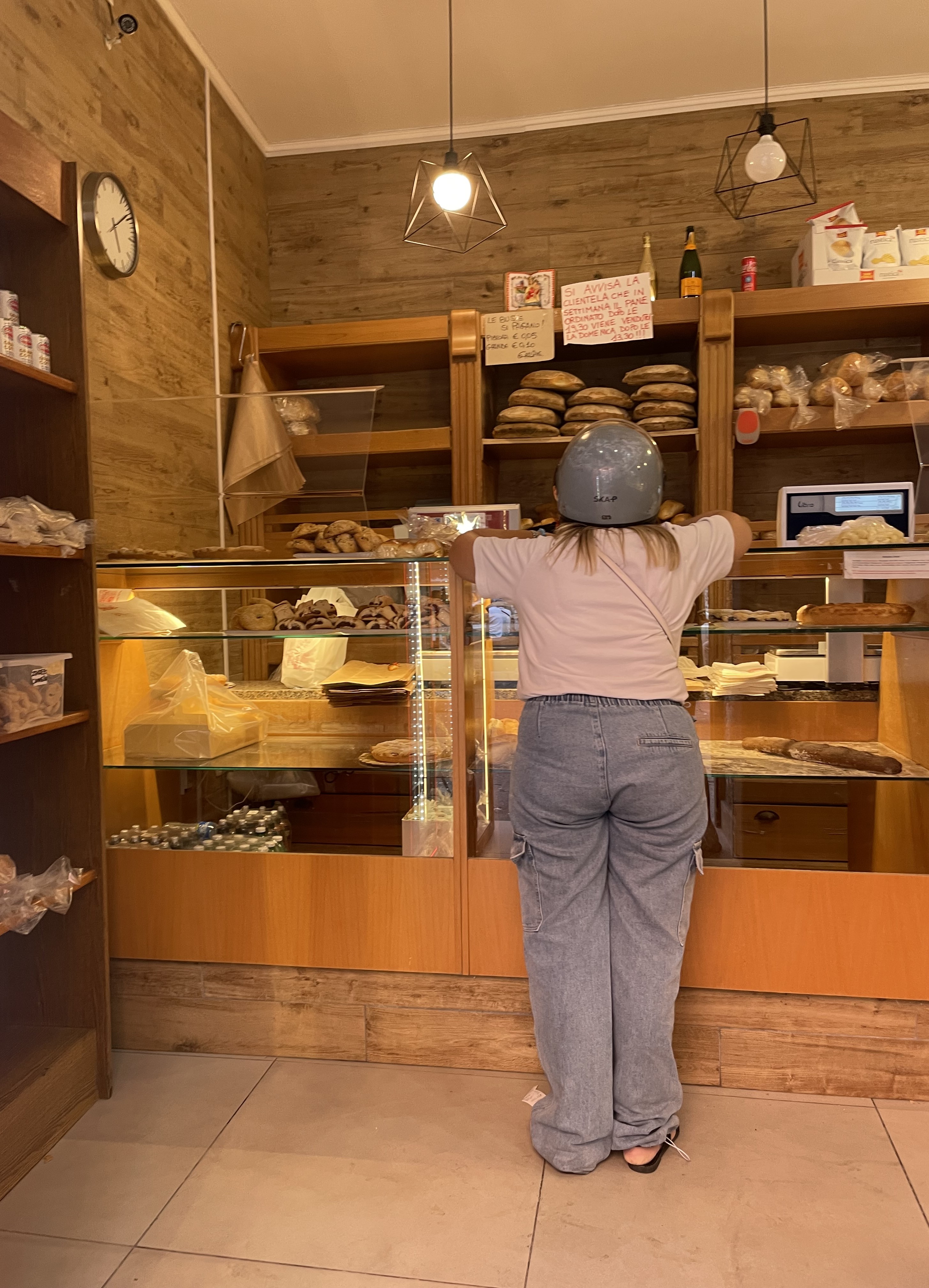
We anchored ourselves at a friendly no-name caffè (Via Terenzio, 23, 00193), returning for iterations of pistachio cornetti followed by afternoon beers. Among the streams of office workers, locals, and straggler tourists, sitting and enjoying an unhurried cappuccino is one of life’s luxuries that I never tire of. Alternatively, for a ridiculously Roman rush of caffeine, sugar, and buzzing conversation, head to nearby Sciascia Caffè 1919 (Via Fabio Massimo, n.80/a, 00192). Enrobed in wood panelling with a grand “we have been doing this for longer than you’d imagine” attitude – prop up at the bar and tuck into a maritozzo – a fragrant brioche bun, split down the middle, and stuffed to the gills with the freshest cloud of panna (aka whipped creamed). Medieval delight? Yes. Tempting to inhale solo, but better to share? Definitely.

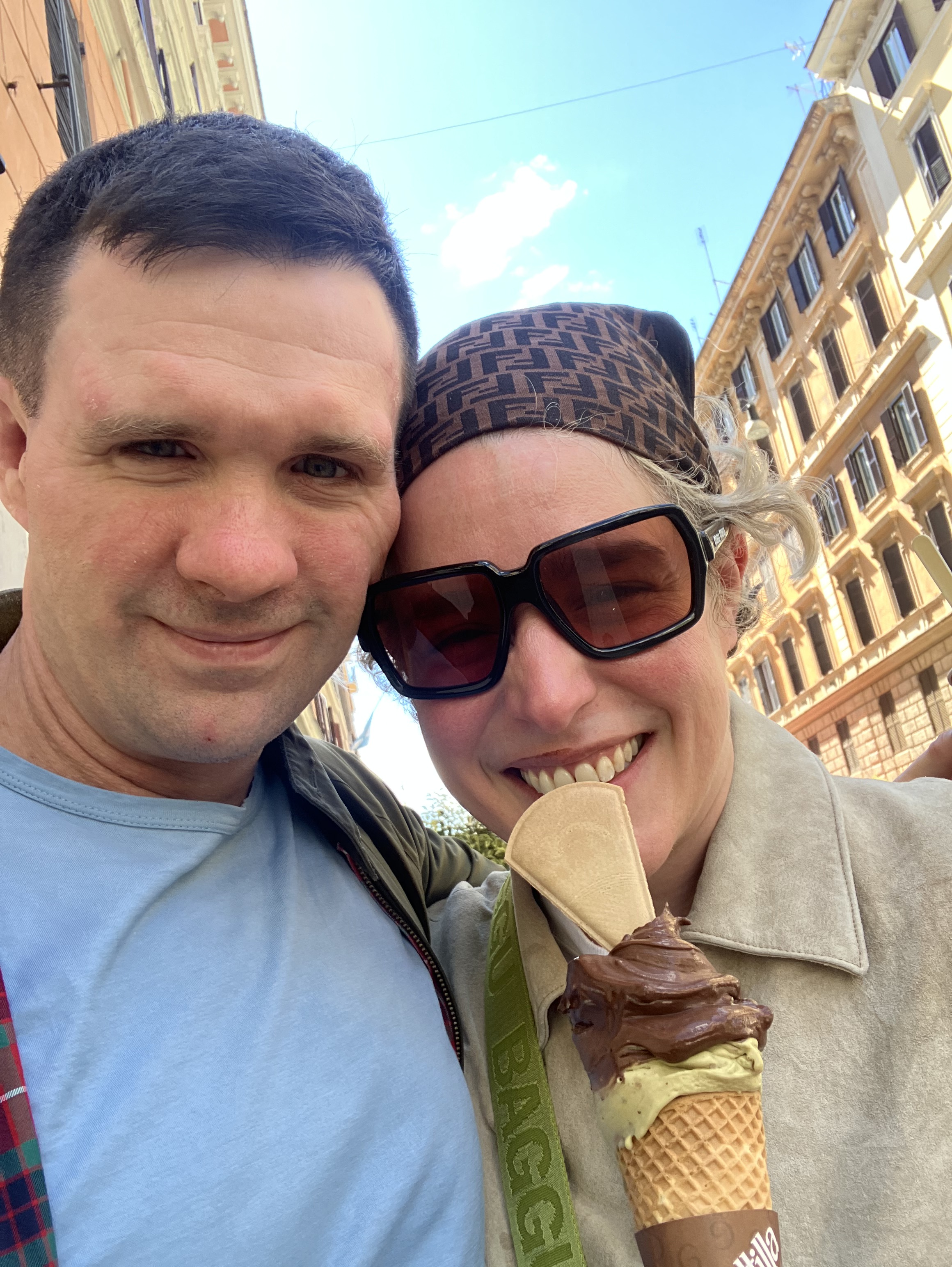
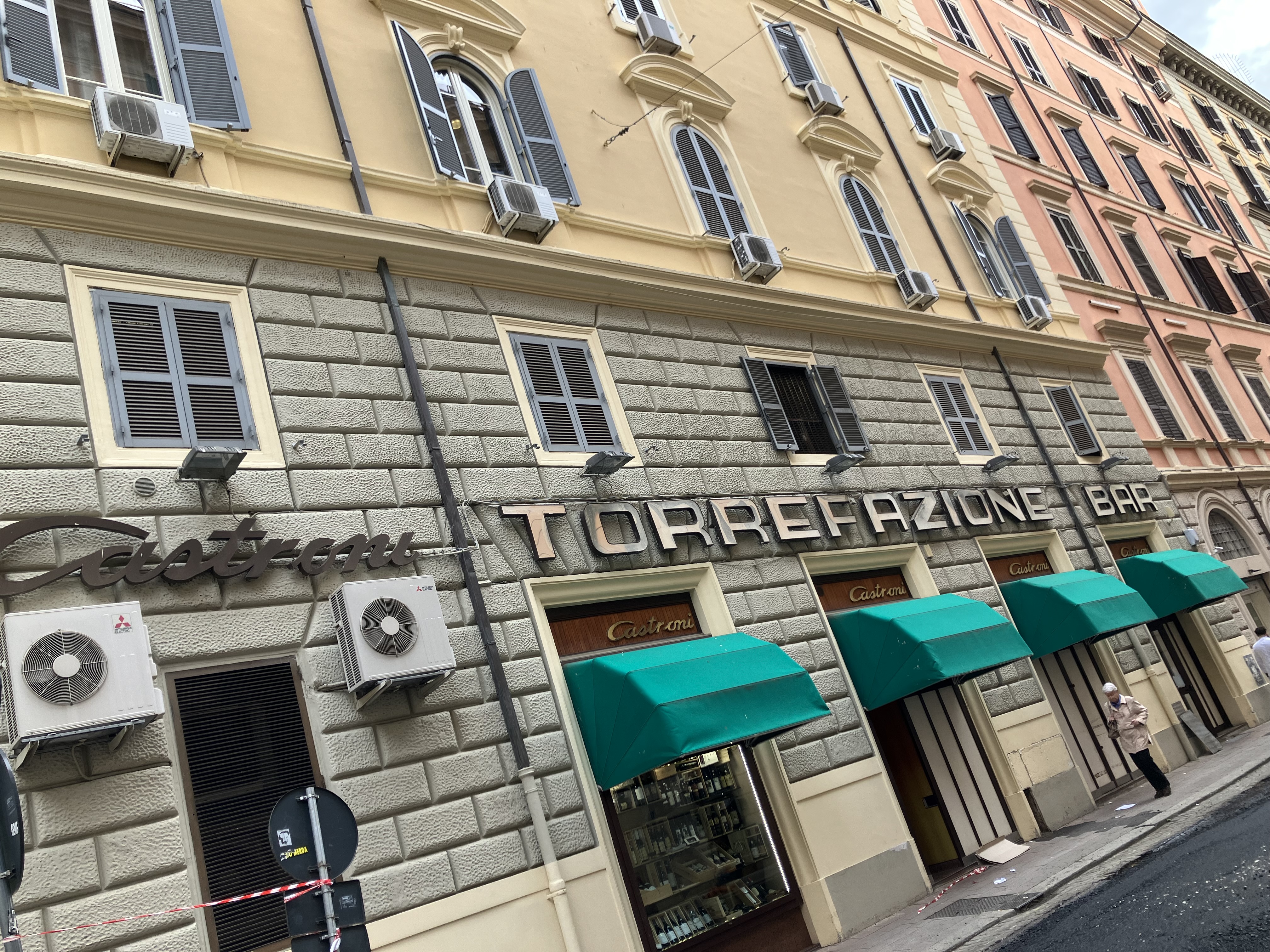
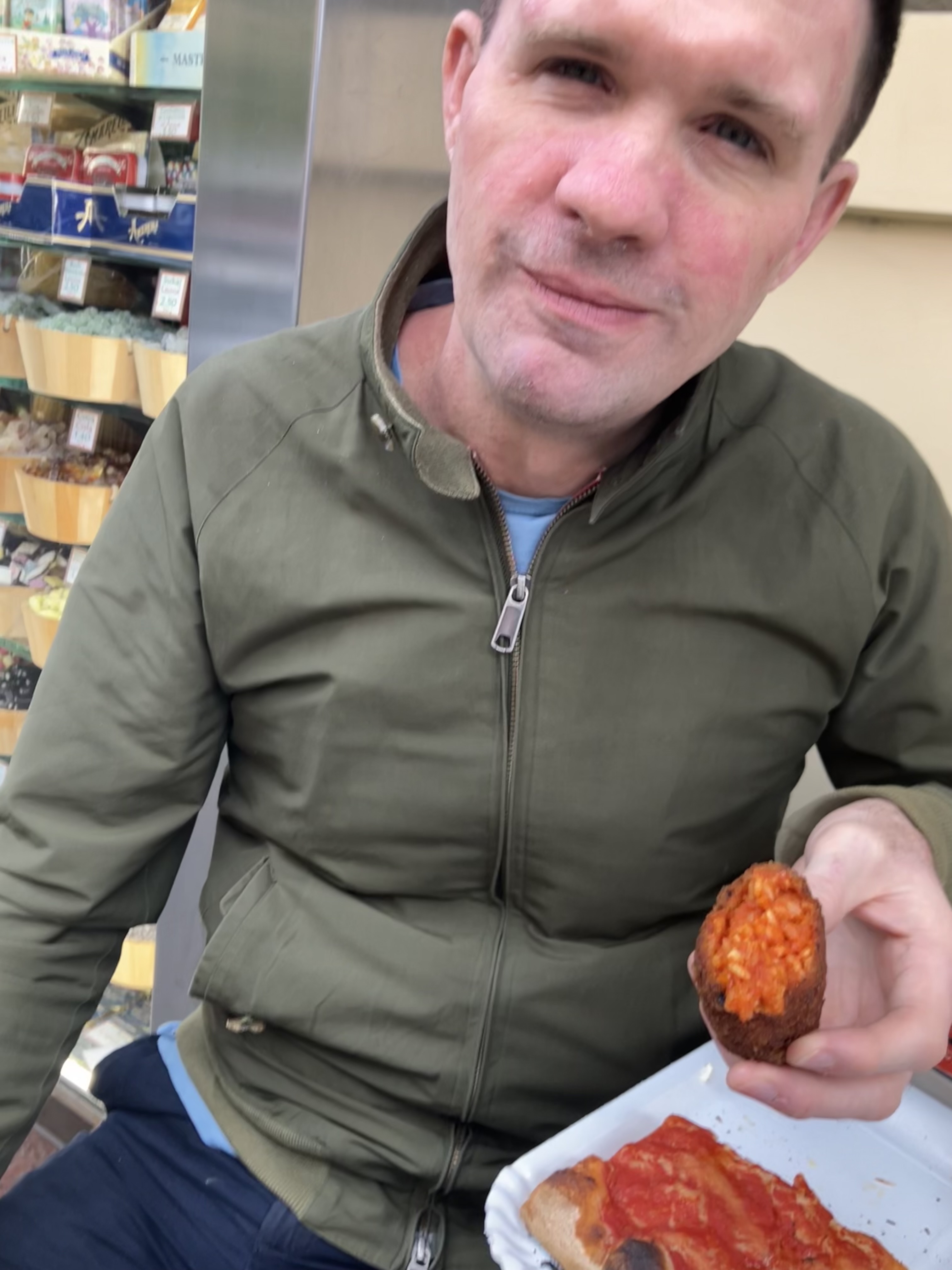
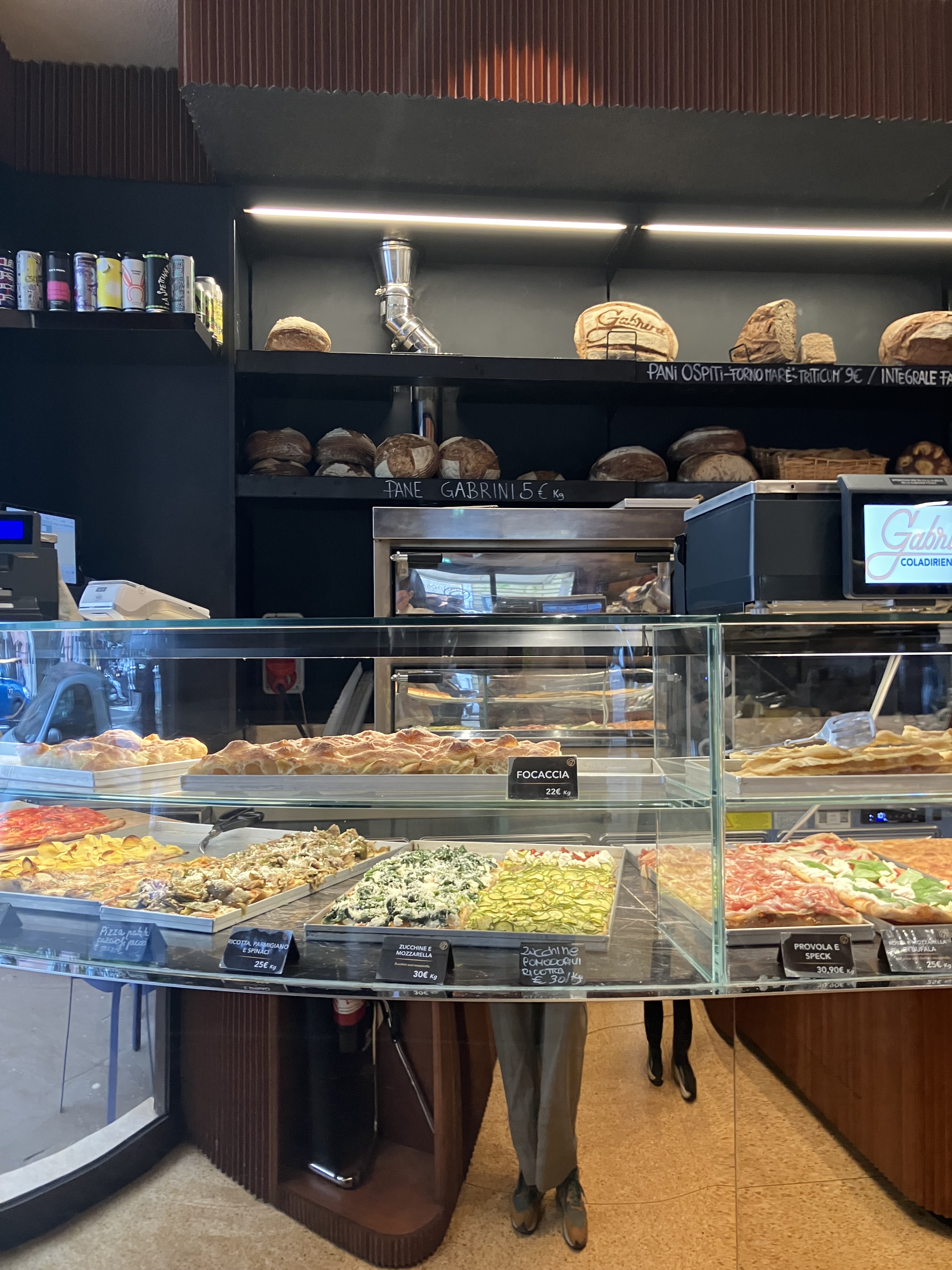
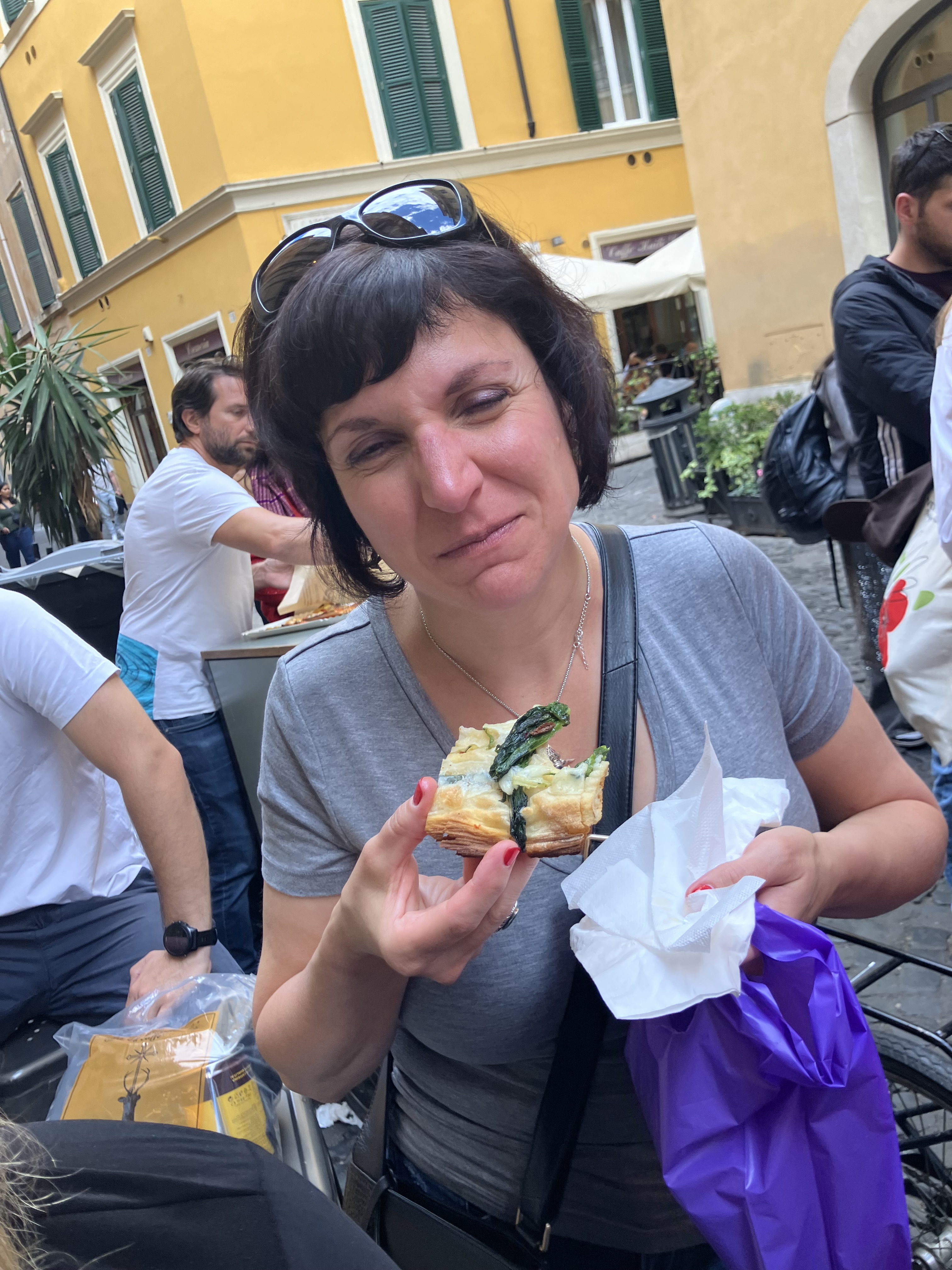
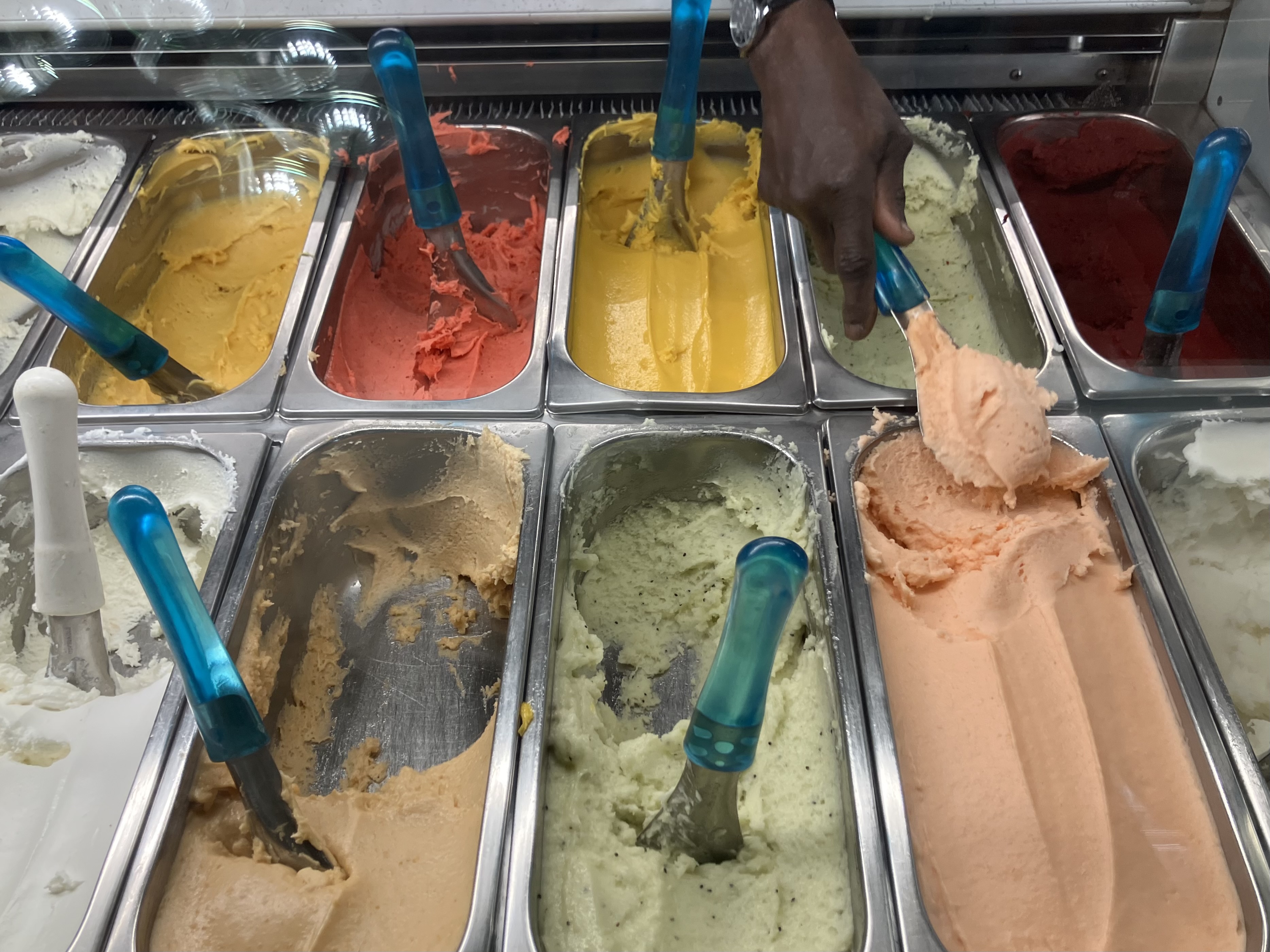
To see where well-heeled Romans buy their foodstuffs, Castroni (Via Cola di Rienzo, 196/198, 00192) is a fun browse. A local mini-chain of stores kicking around since 1932, Castroni is a delight to peruse pastas, sweets, and coffees (featuring brands that span Italy). Next door to the Cola di Rienzo location, pencil in a lunch of pizza al taglio or tavola calda options from another smart looking establishment, Gabrini (Via Cola di Rienzo, 200, 00192. The suppli were exceptional, and their hosting of evening tasting meals made it appealing to return next time to see what this classical establishment with a youthful edge is up to. To end the afternoon, any average scoop of gelato would have satiated. Instead, we stumbled upon Guttilla Alta Gelateria Italiana (Via dei Gracchi, 93, 00192), where a fountain of warm pistachio sauce oozed itself into the bottom of my heavily stylized cone.

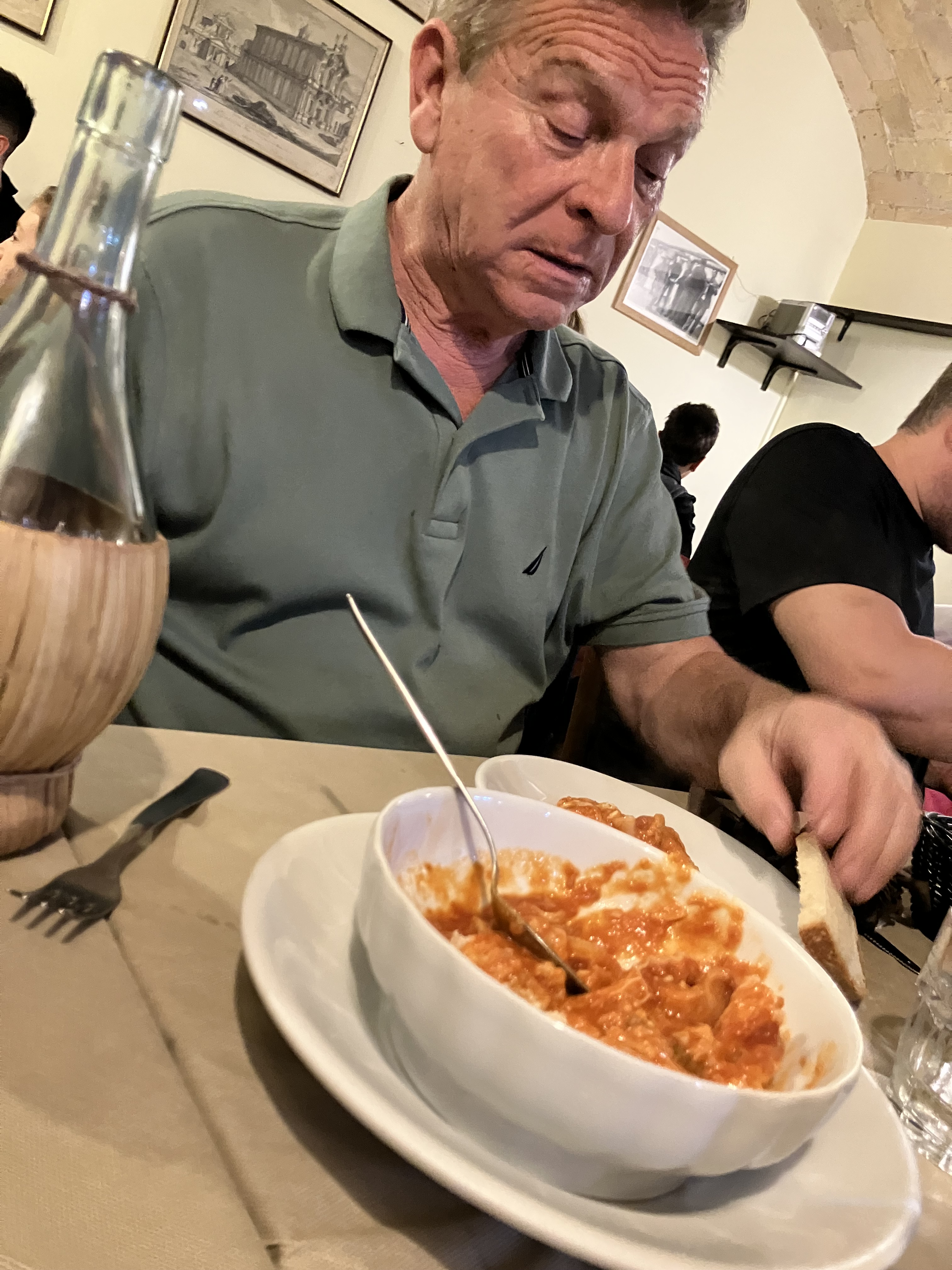
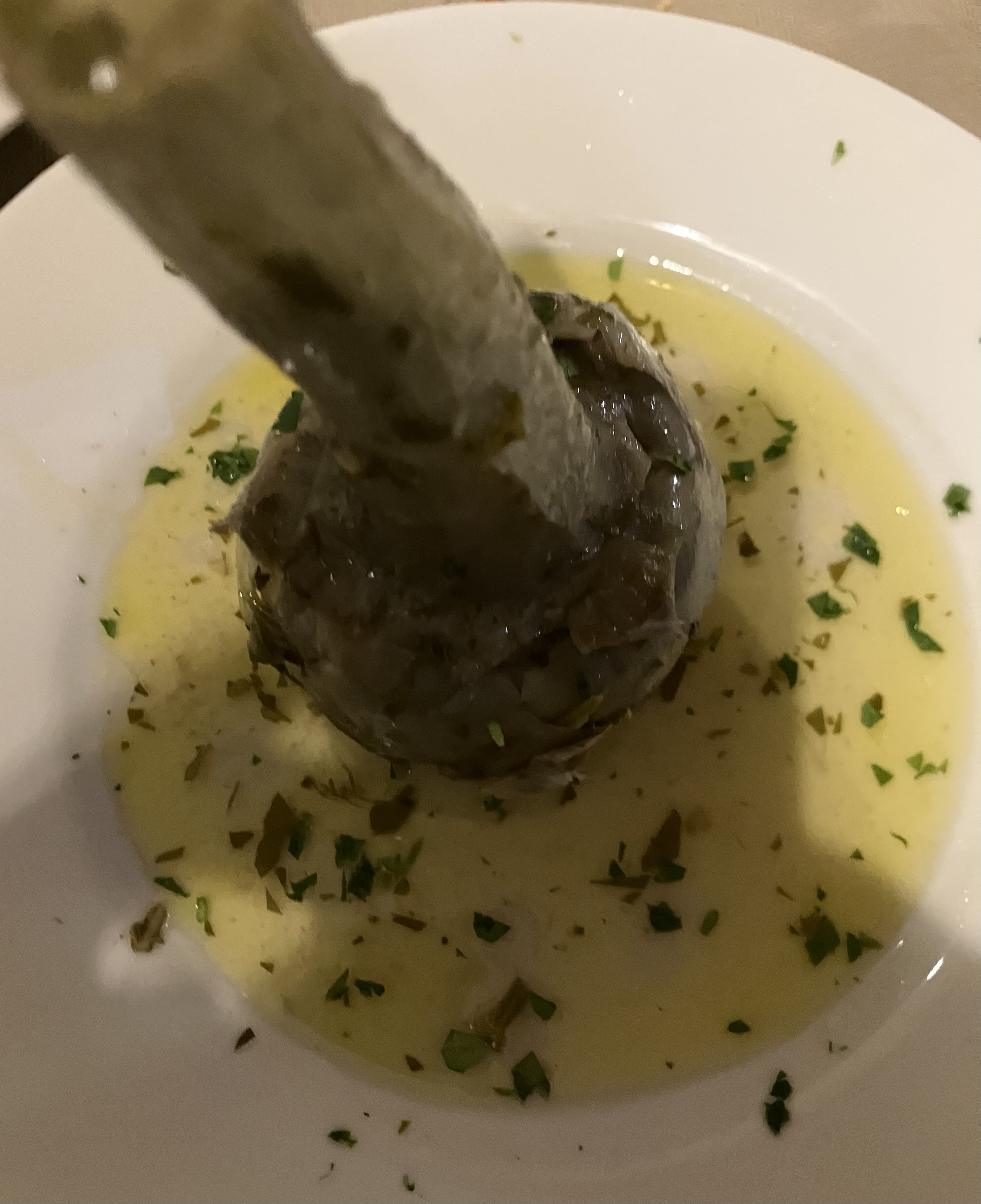
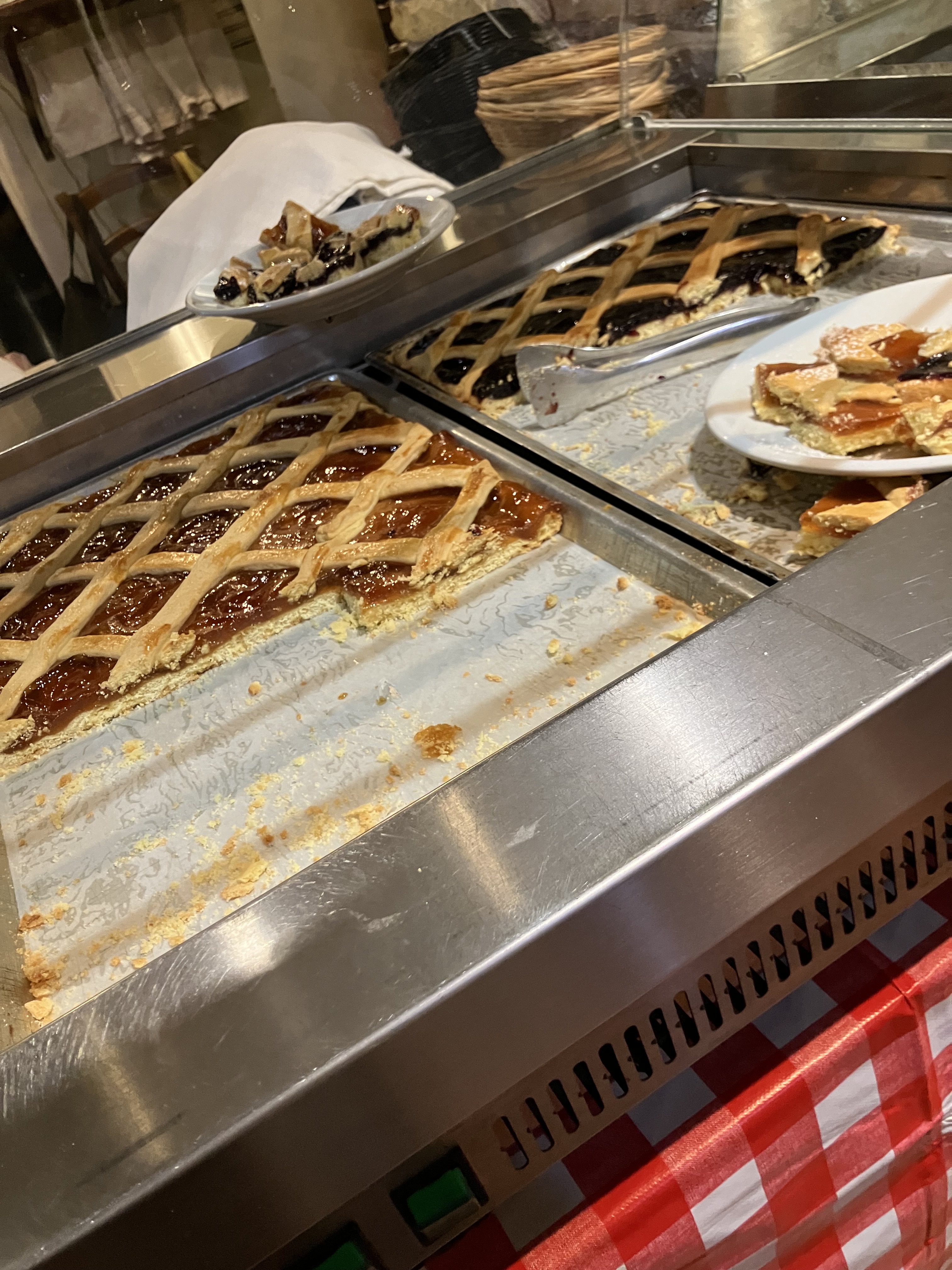
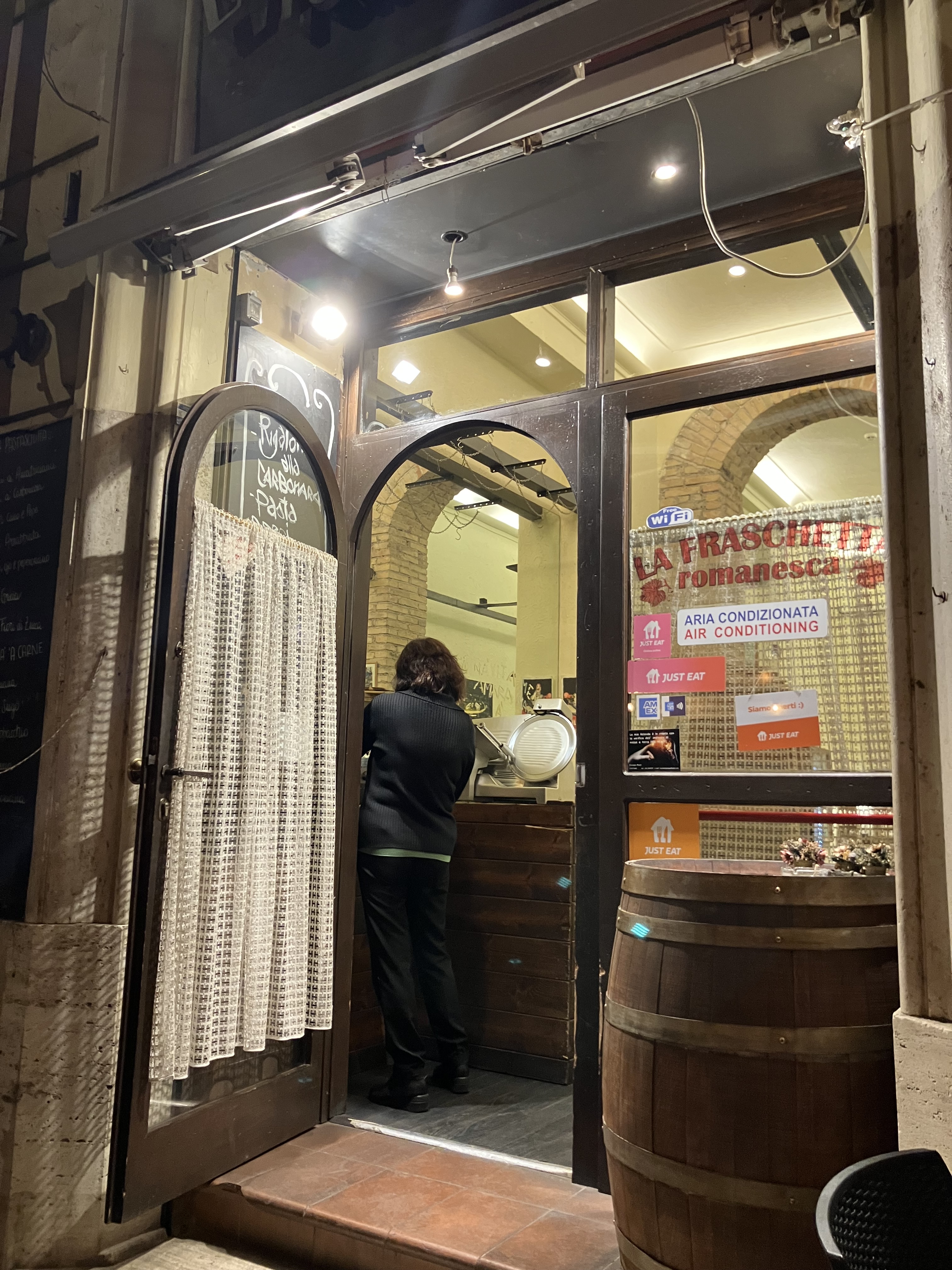
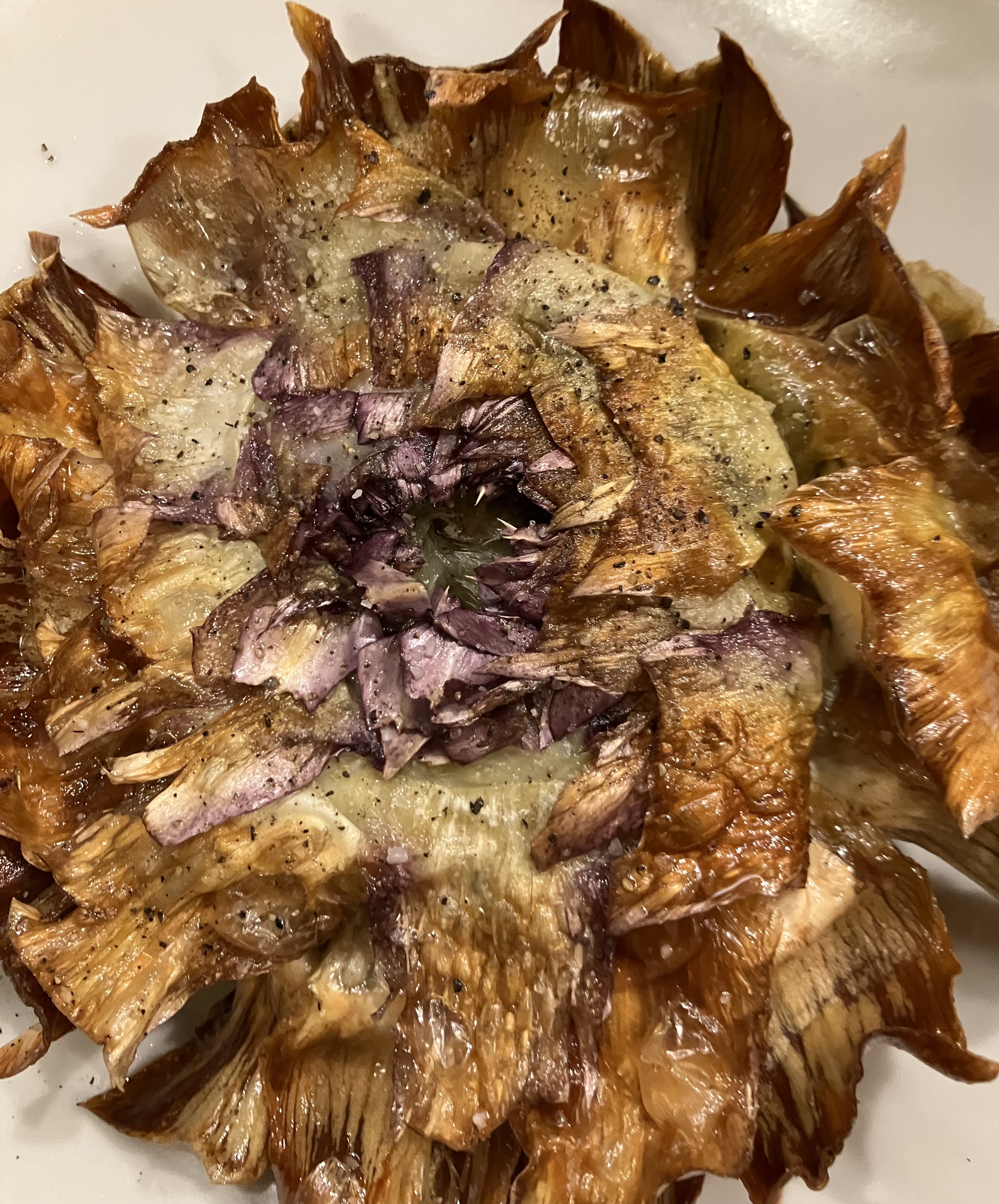
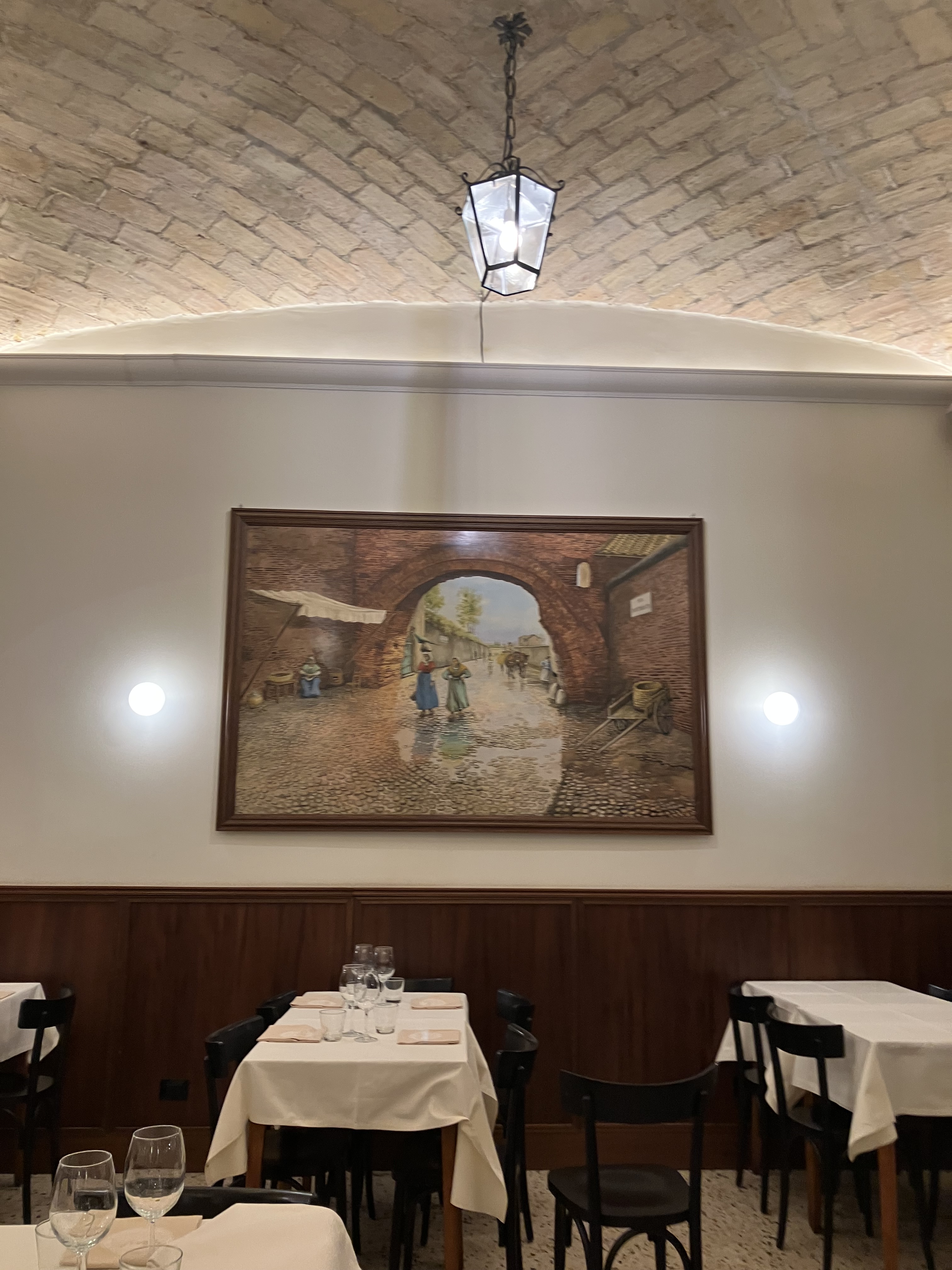
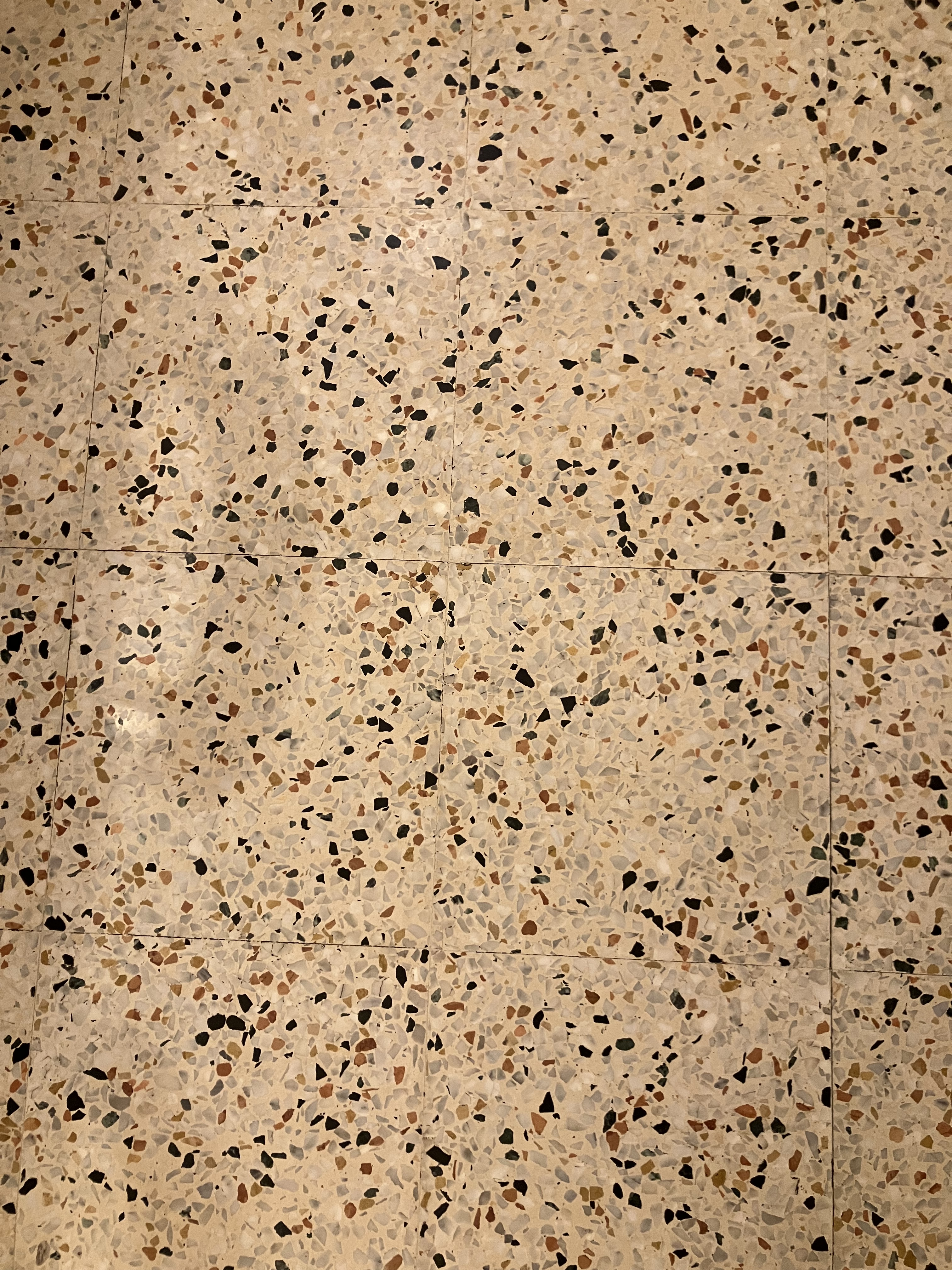
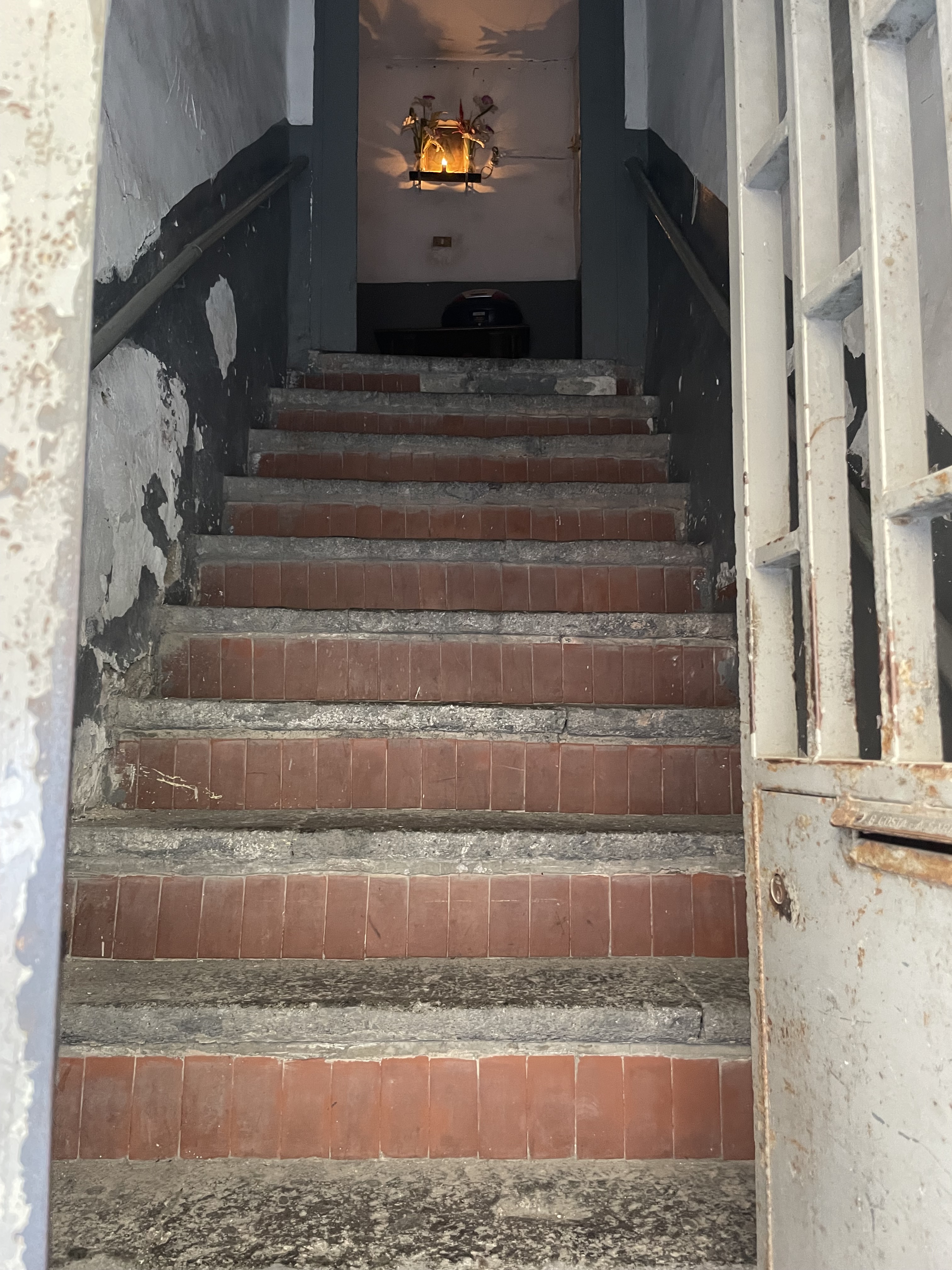
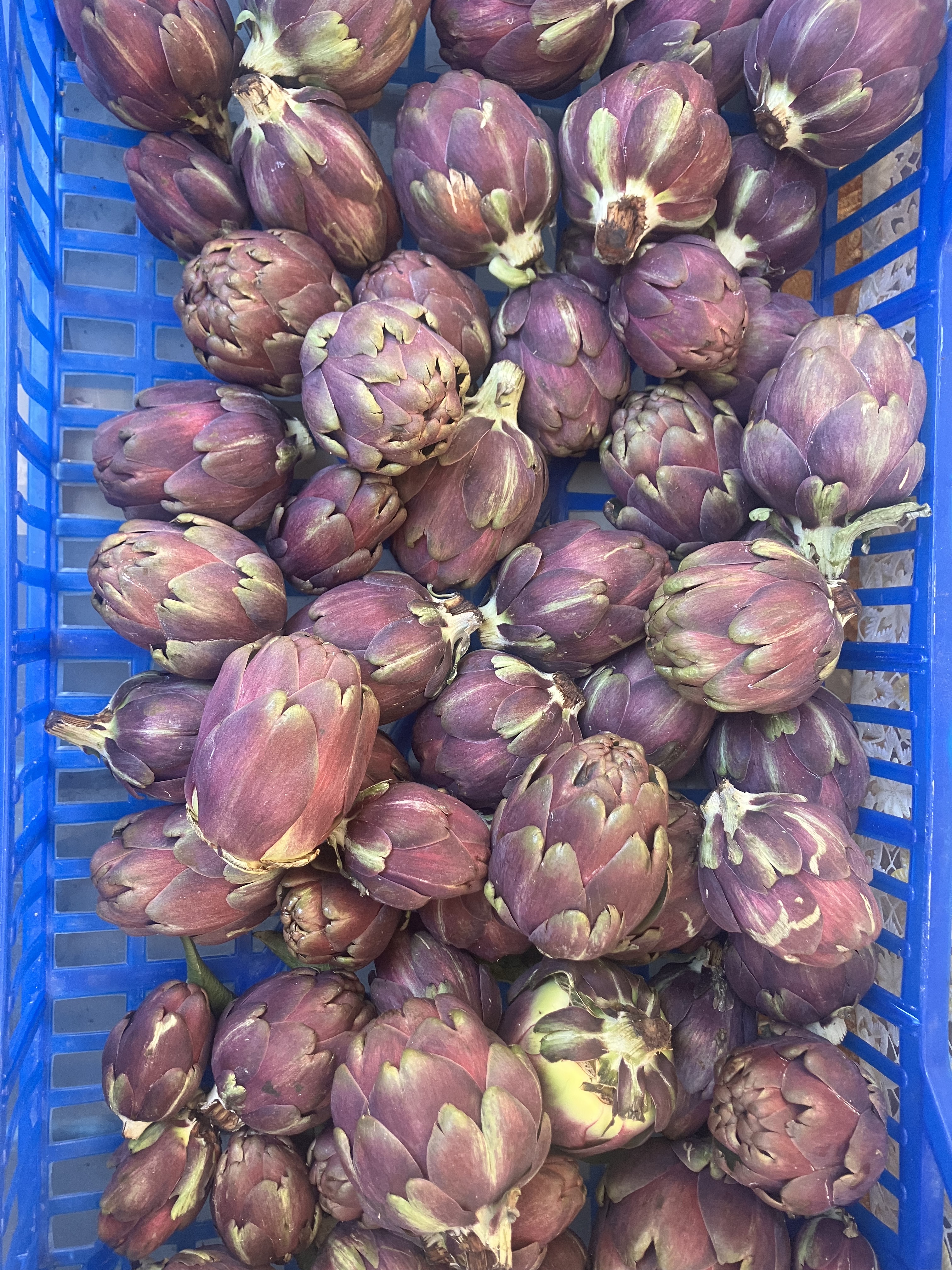
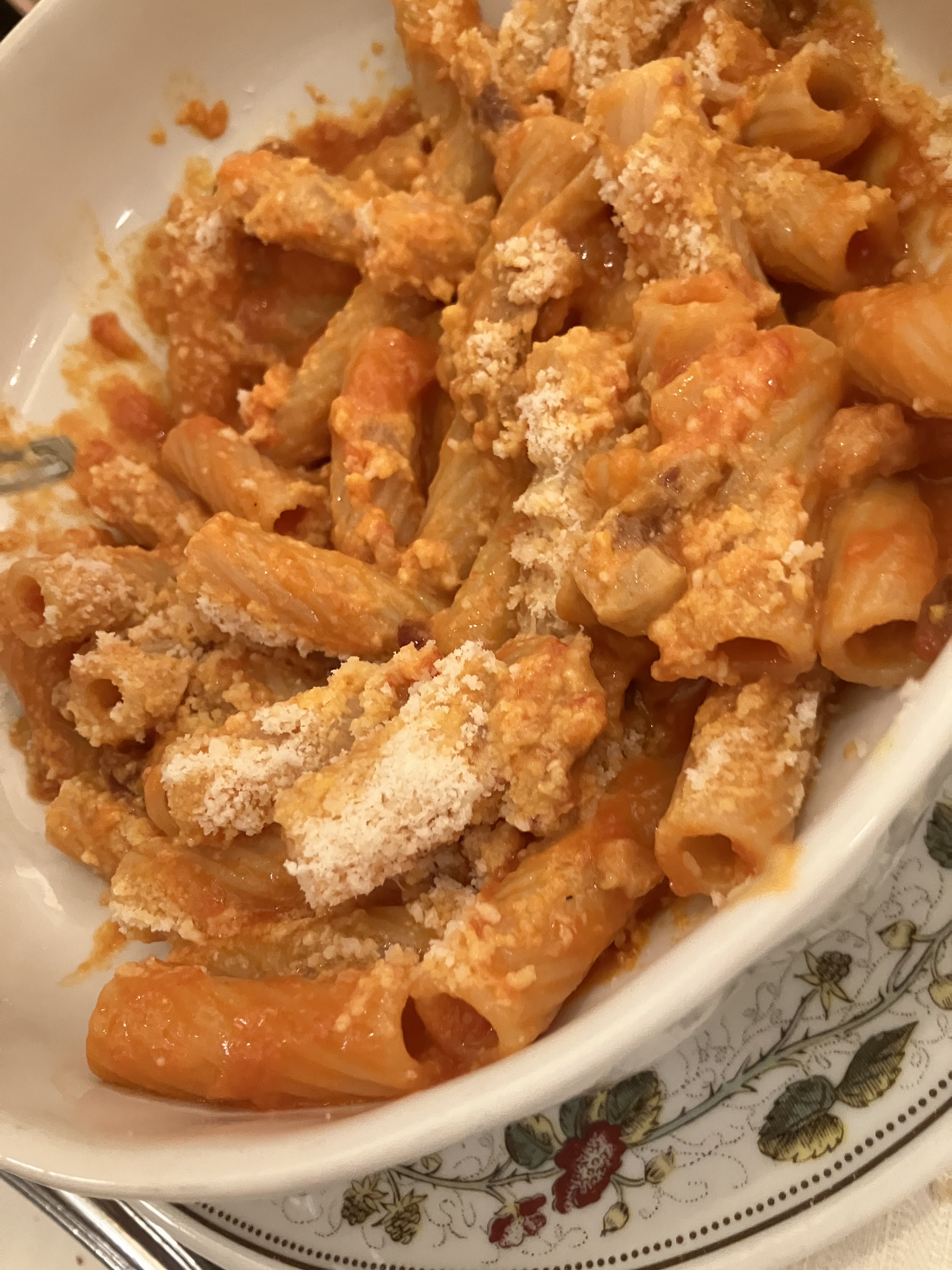
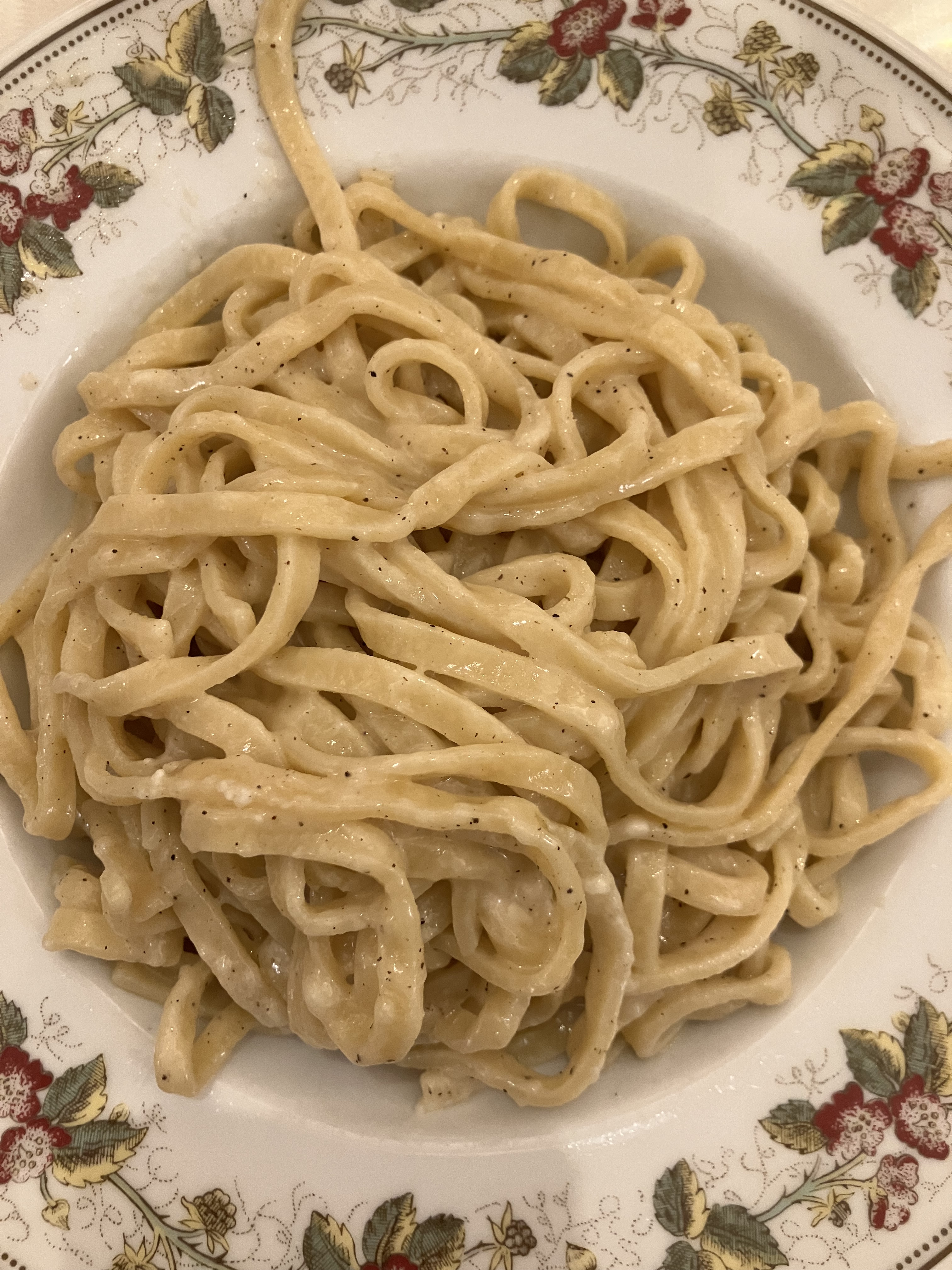
Even if you find yourself spending the day seeing the major sites, making provisions for an exceptional dinner is a must. Back to Prati, do not dismiss La Fraschetta Romanesca (Via Tacito, 54/a, 00193). On street level it appears to be a tiny restaurant, but head downstairs to the cellar and you’ll be greeted by trays of homemade crostata di marmellata in a friendly, well-run establishment – that happened to be the best Roman meal of the week. Of course sharing the quadrant of pasta classics (alla gricia, amatriciana, cacio e pepe, and carbonara) is fun with a large group – plus the meatier options for secondi like trippa alla romana and coda alla vaccinara. Shout out to artichoke season, where the carciofi alla romana was beautifully bulbous and entrenched in its oils with a texture that was heartier than actual meat. We did return to beloved Testaccio for a few evenings, and despite Rome constantly changing, I appreciate that Via Marmorata and the surrounding streets host some of the best restaurants you will experience within city walls. Trattoria Perilli remains a must – with its terrazzo floors, bright gallery-white walls, and memorable involtini with fava beans. Nearby Il Grottino a Testaccio broke up the pasta reliance for a fun Friday night of crackly crust Roman pizza and delightful fritti – from salted cod/baccala to stuffed squash blossoms.

Despite tourism becoming increasingly more unpleasant and Rome bearing its brunt, I am happy that the outlying neighborhoods continue to get stronger and evolve with every visit – as I wander (and eat) my way through life.

Quando Napoli ci ha rotto

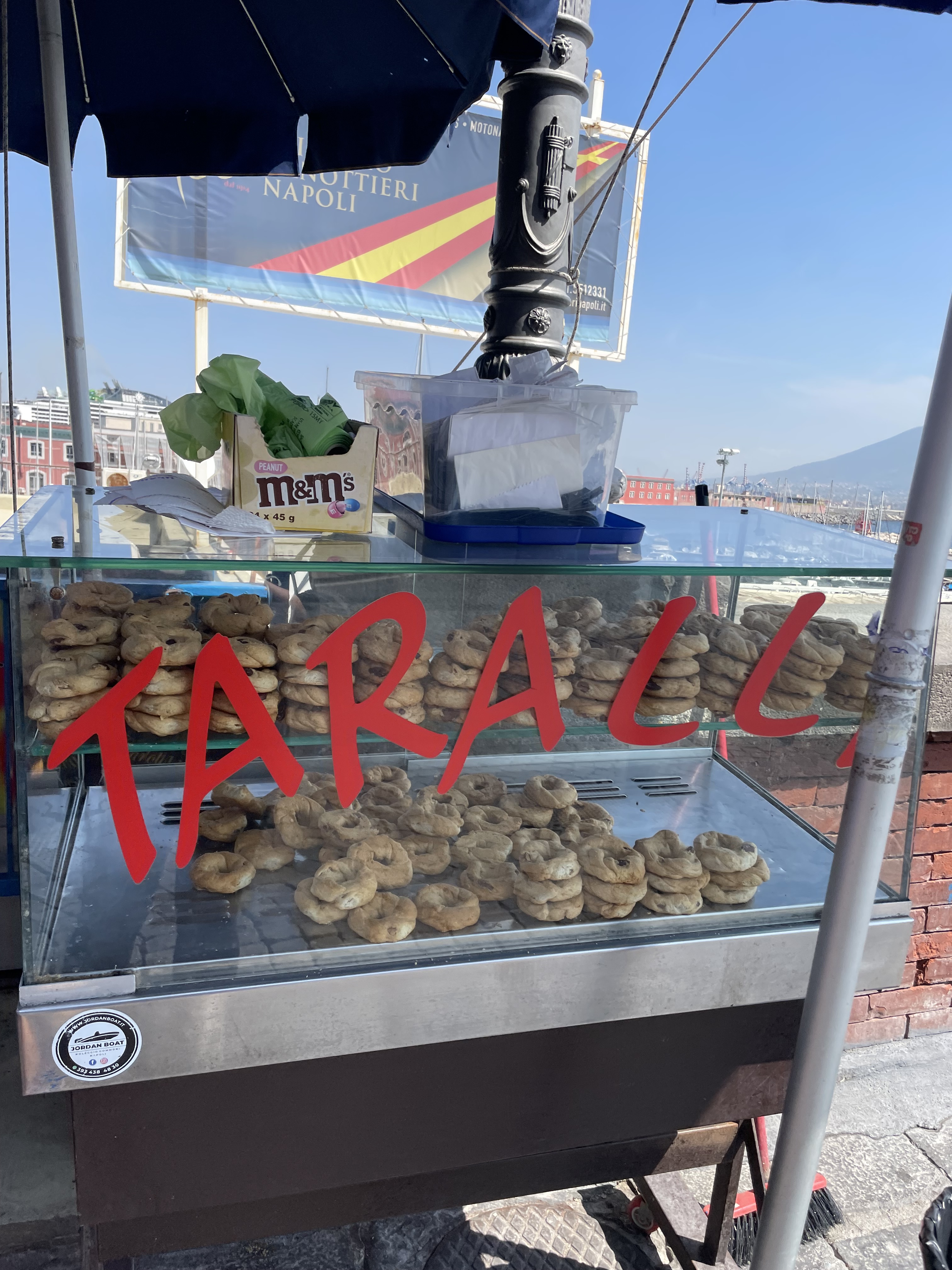
How a trip can go from sheer exhuberance to feeling physical pain is never a surprise when you add up the factors: too much bread, summer, Italy, southern Italy, summer, HOT, heat – and again – too much bread. It has clearly taken me a long time to reflect on my first visit to Napoli, a city that took me to the highs of energy, inspiration, and reflection, only to depart feeling so tired and overwhelmed I needed time to process this experience.

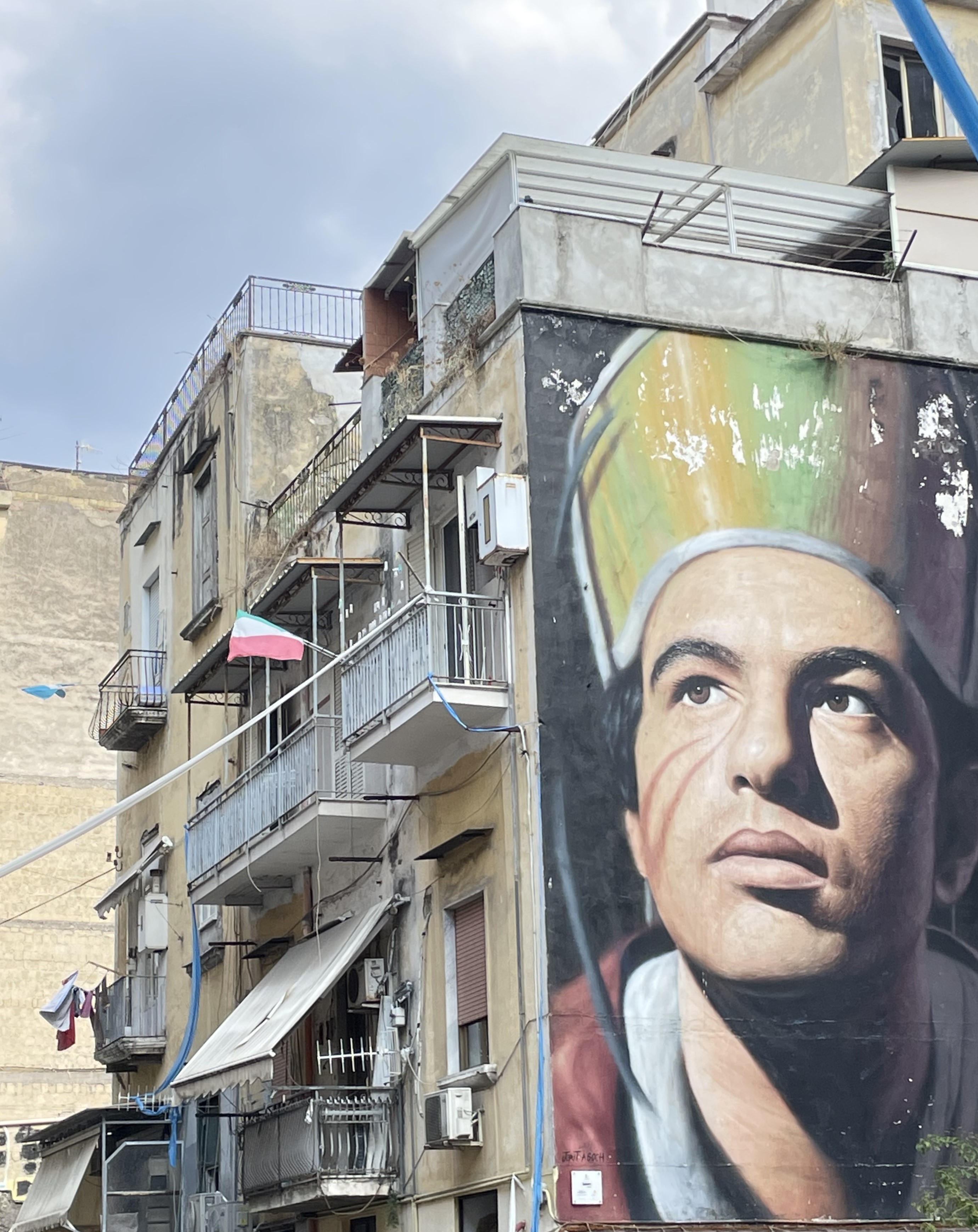
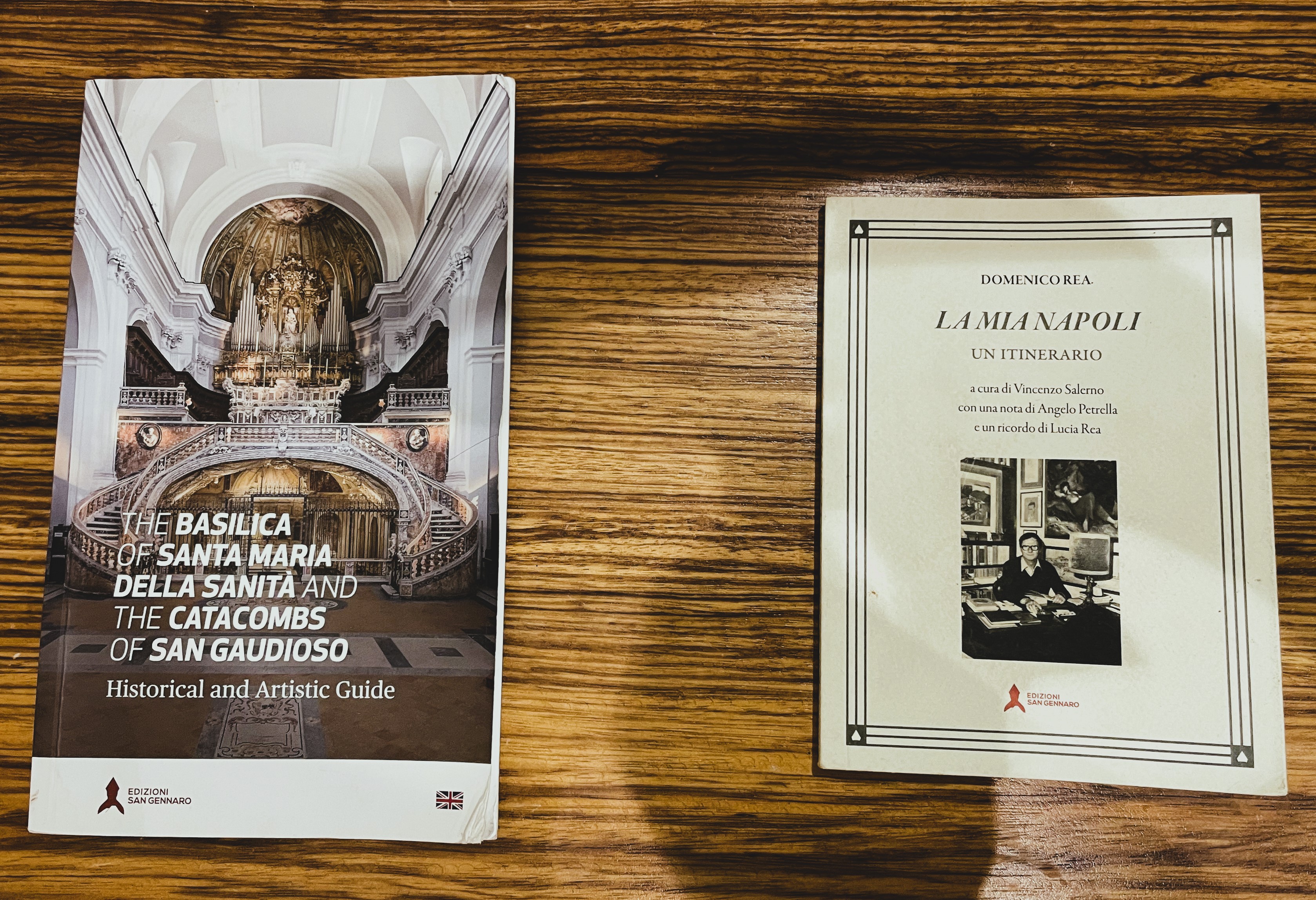
I grew up always thinking about San Gennaro and the ritual of his liquefying blood that basically is responsible for keeping Napoli in one piece. Also hot-blooded, I busted into Napoli with so many reservations and stereotypes floating around in my mind. The usual horror stories Americans tell of winding down the wrong mandolin-soundtracked alleyway at night, getting in the thick of some local gangland feud, or, simply being pancaked by Vespa culture still shockingly reign supreme.

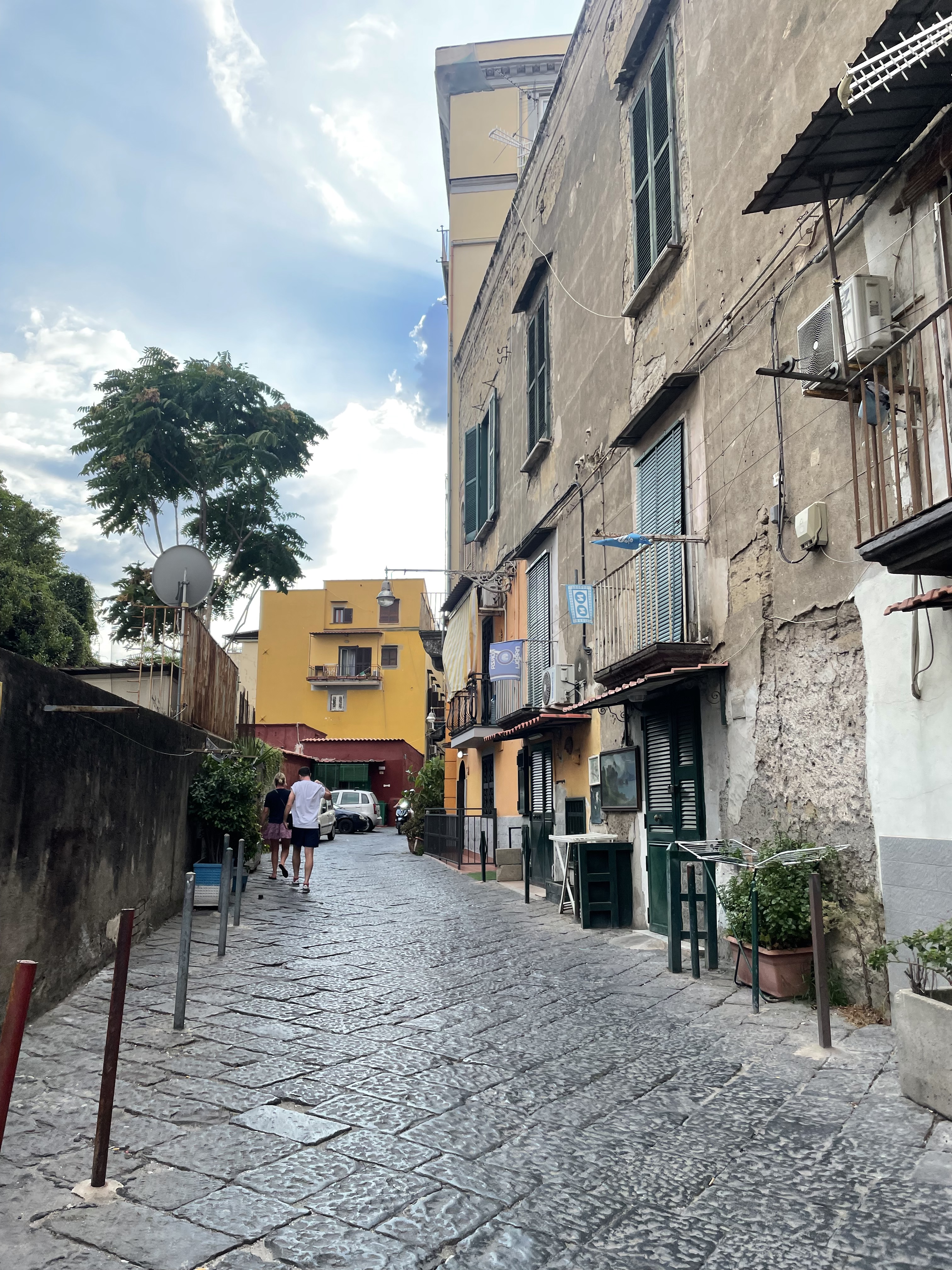
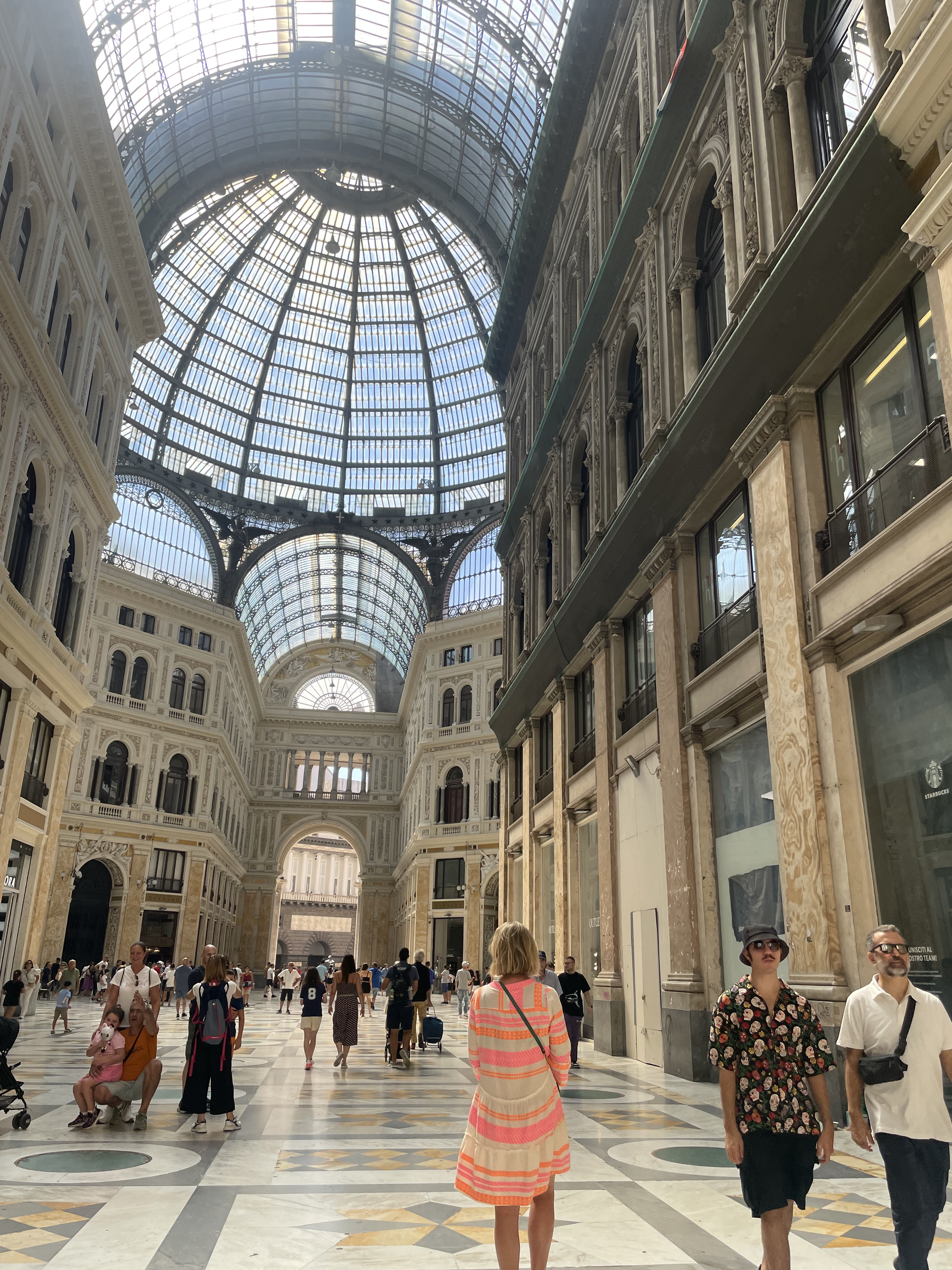
Ready to experience the ups and downs, we marched into town only to feel all the tired tropes melt away and embraced the instant burst of life that smacks you in the face. The train station was modern and had a Hudson News shop [hello, Penn Station?], without the piccoli scugnizzi waiting to mug us. Sure, we should have taxied to our accomodation, but walking through the area skirting the train was doable and not “dangerous.” The only dangerous thing was sweating profusely thanks to the energy-sapping heat.

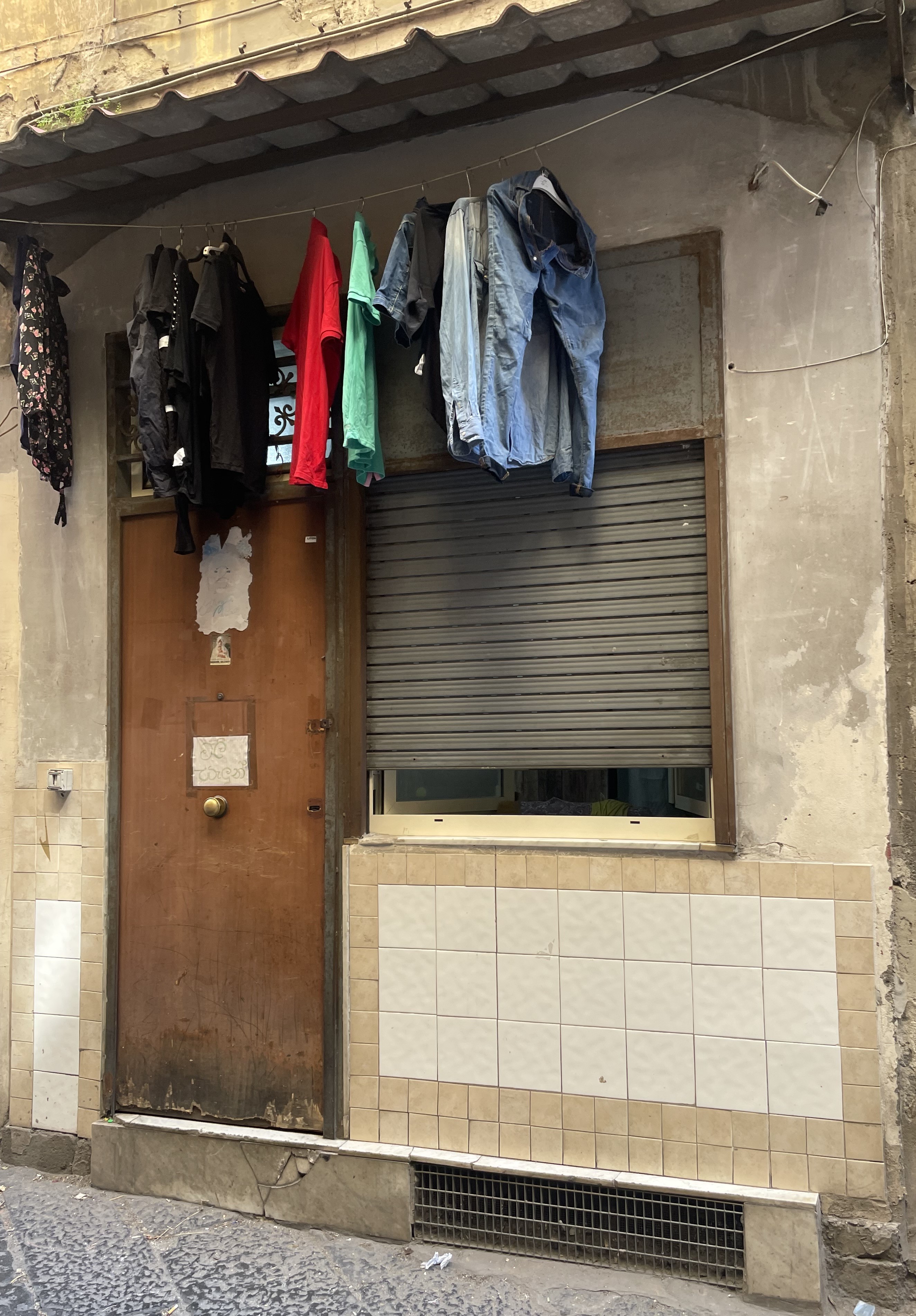
We made the utterly vibrant (and so cool it does not know it is cool) Rione Sanità our home for a few days, opting to tap into the local arts community at Atelier Ines (Via dei Cristallini, 138). Ines and her husband Vincenzo are the proprietors of what can only be described as one part ‘art laboratory’ and one part B&B in a previous open-air cinema/theatre. Upon entering through the gates you immediately escape from the madness of the streets into a serene courtyard, meeting Ines’ team who transport you into an otherworldly space. The rooms are spacious, stylish, and an artisan-antique lover’s dream. Palazzo Dello Spagnuolo is literally a minute away (minus hoards of tourists), a palacial masterpiece that has become a postcard image when one thinks of Napoli – and in true form – is quietly tucked away behind an open-air fruit market. Descending on the city and taking in Atelier Ines and the palazzo in under an hour was enough stimulation to warrant a pizza lunch.

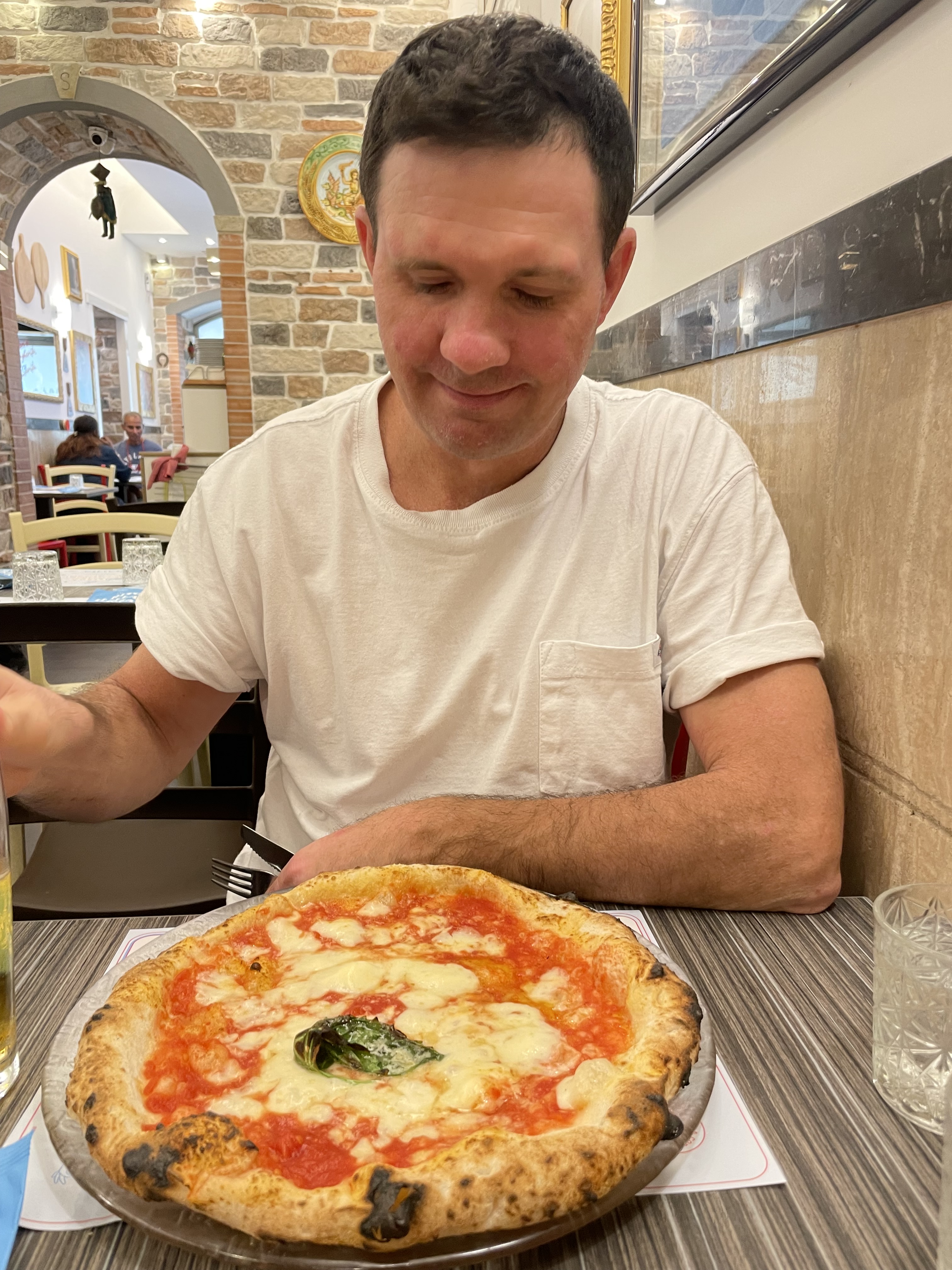
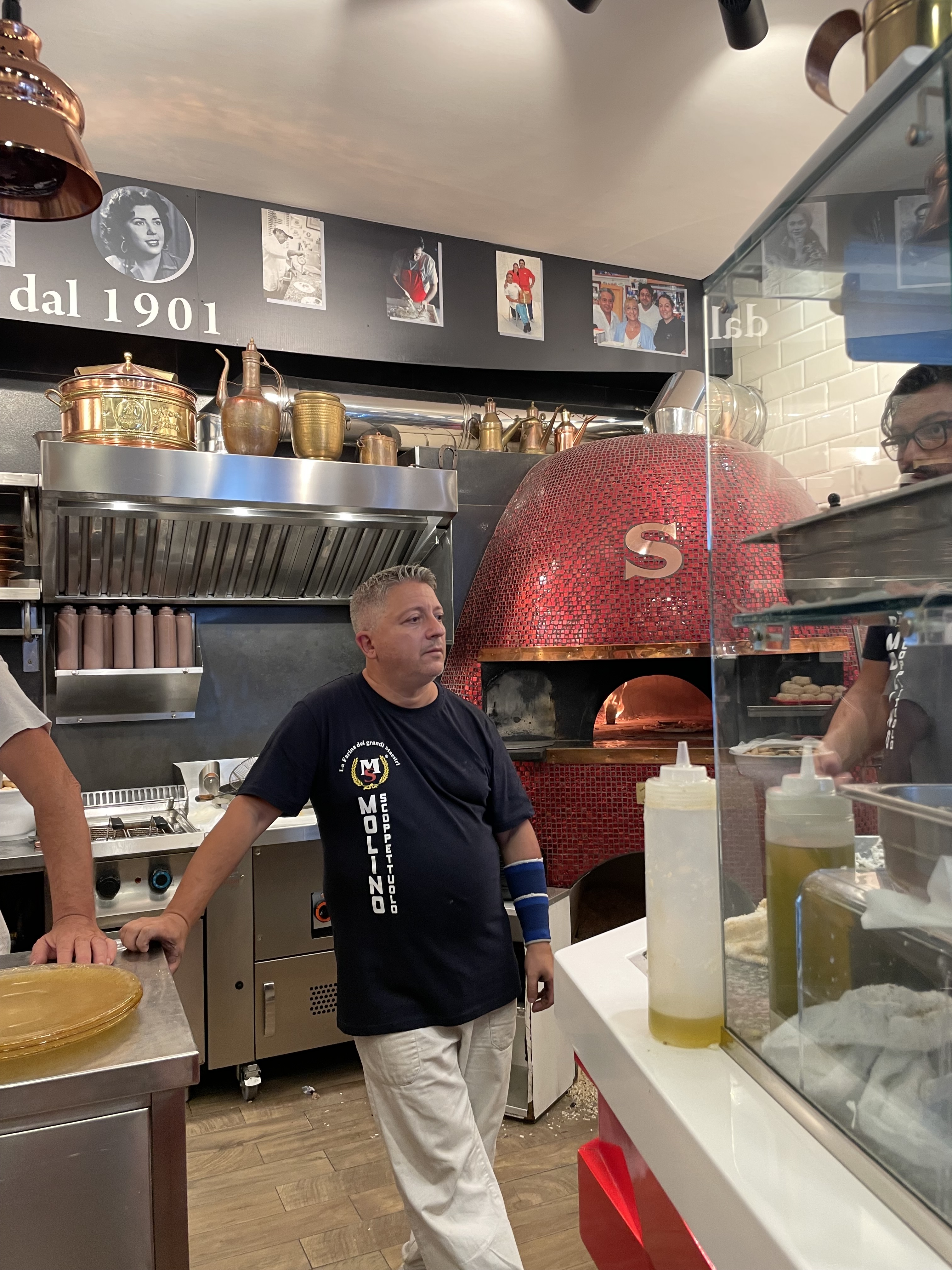
We had to try one of the classic establishments, and Starita (Via Materdei, 27/28) was top of the list. Of course it delivered, but I found the fritti / fried snacks the star of the show – from genovesina to frittatina di pasta to montanarina, it is amazing how one can stuff and sauce fried dough. Of course the pizza delivered, thanks to the magic being in those Vesuvio-enriched tomatoes.

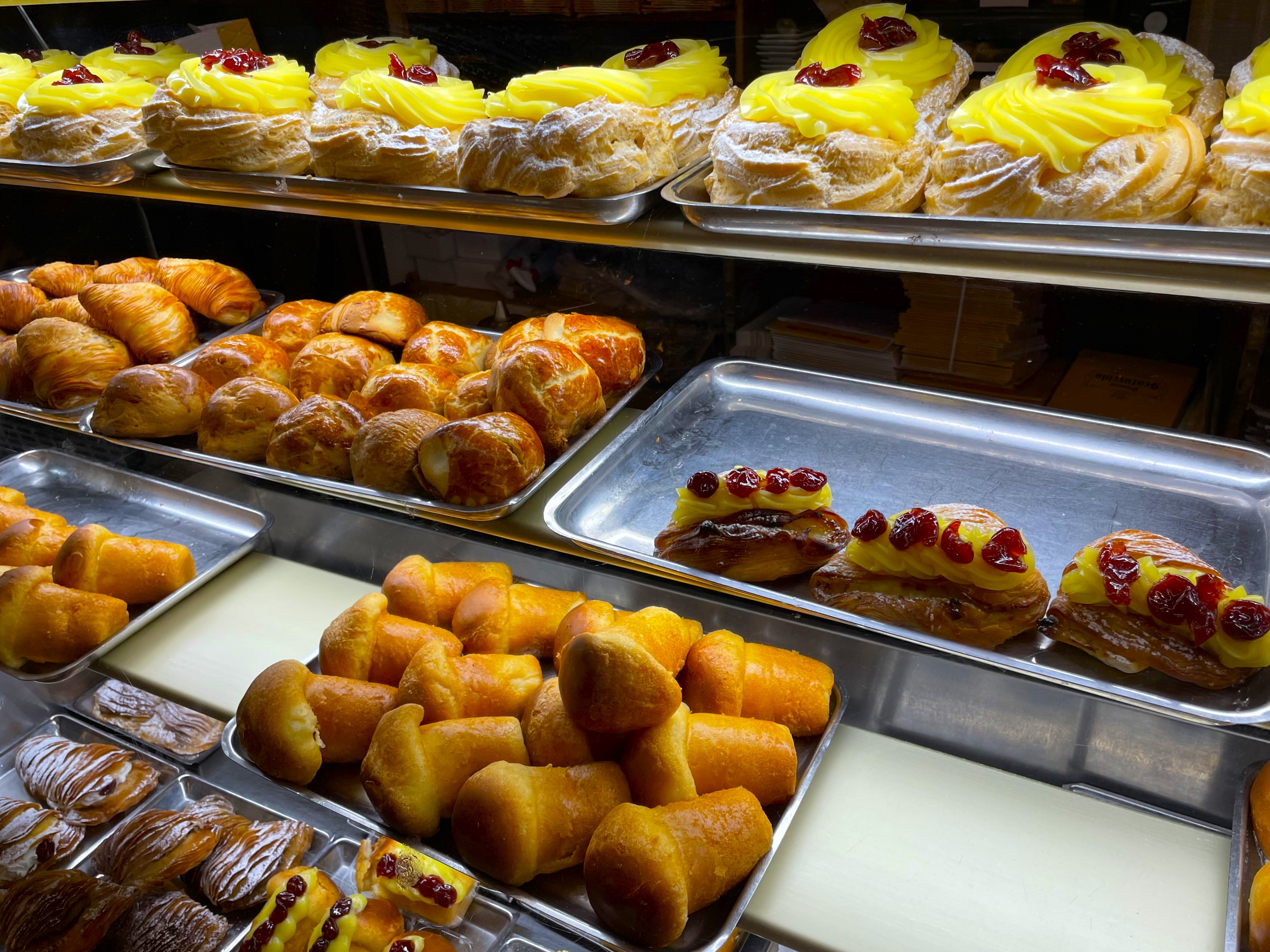
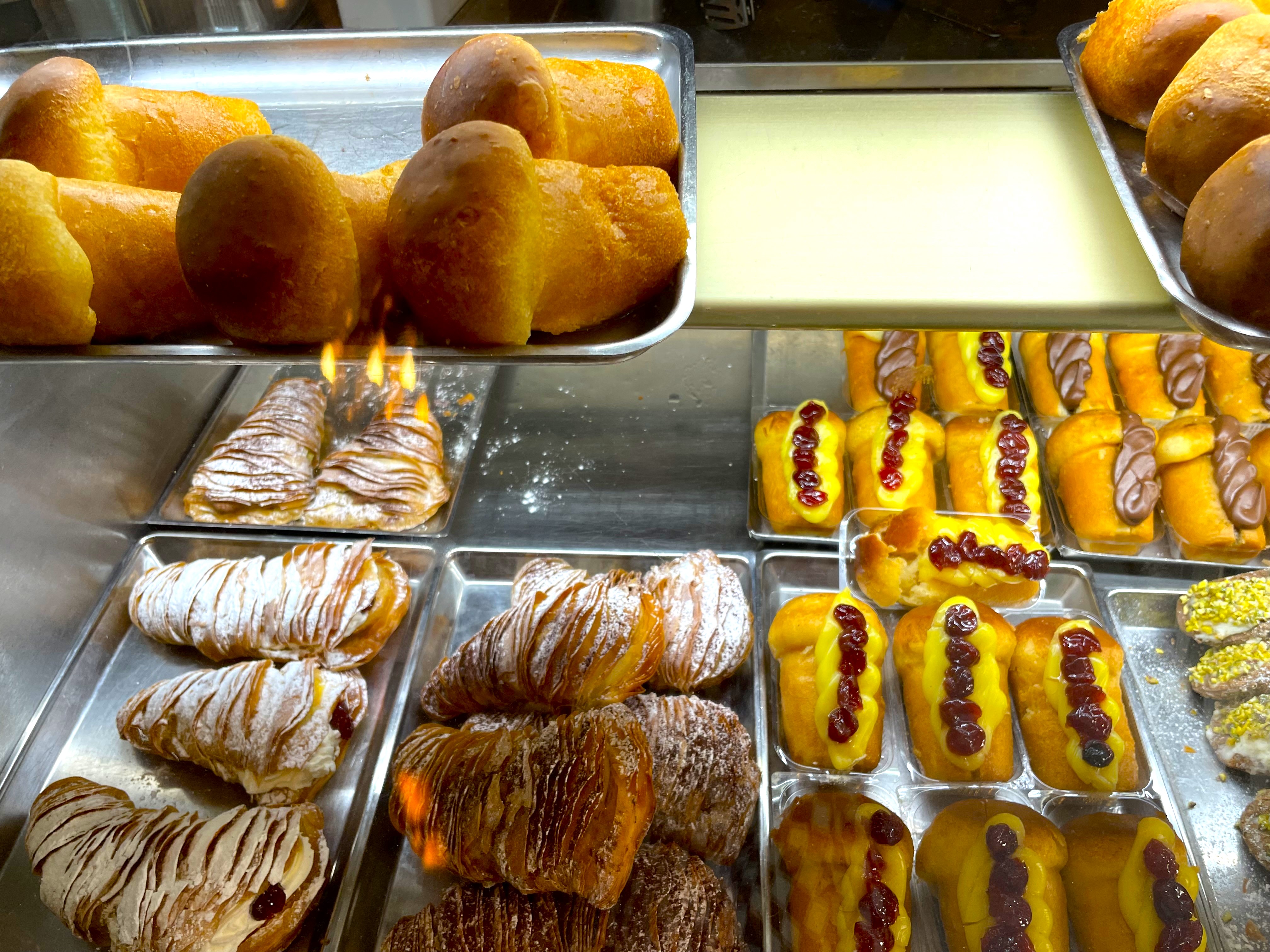
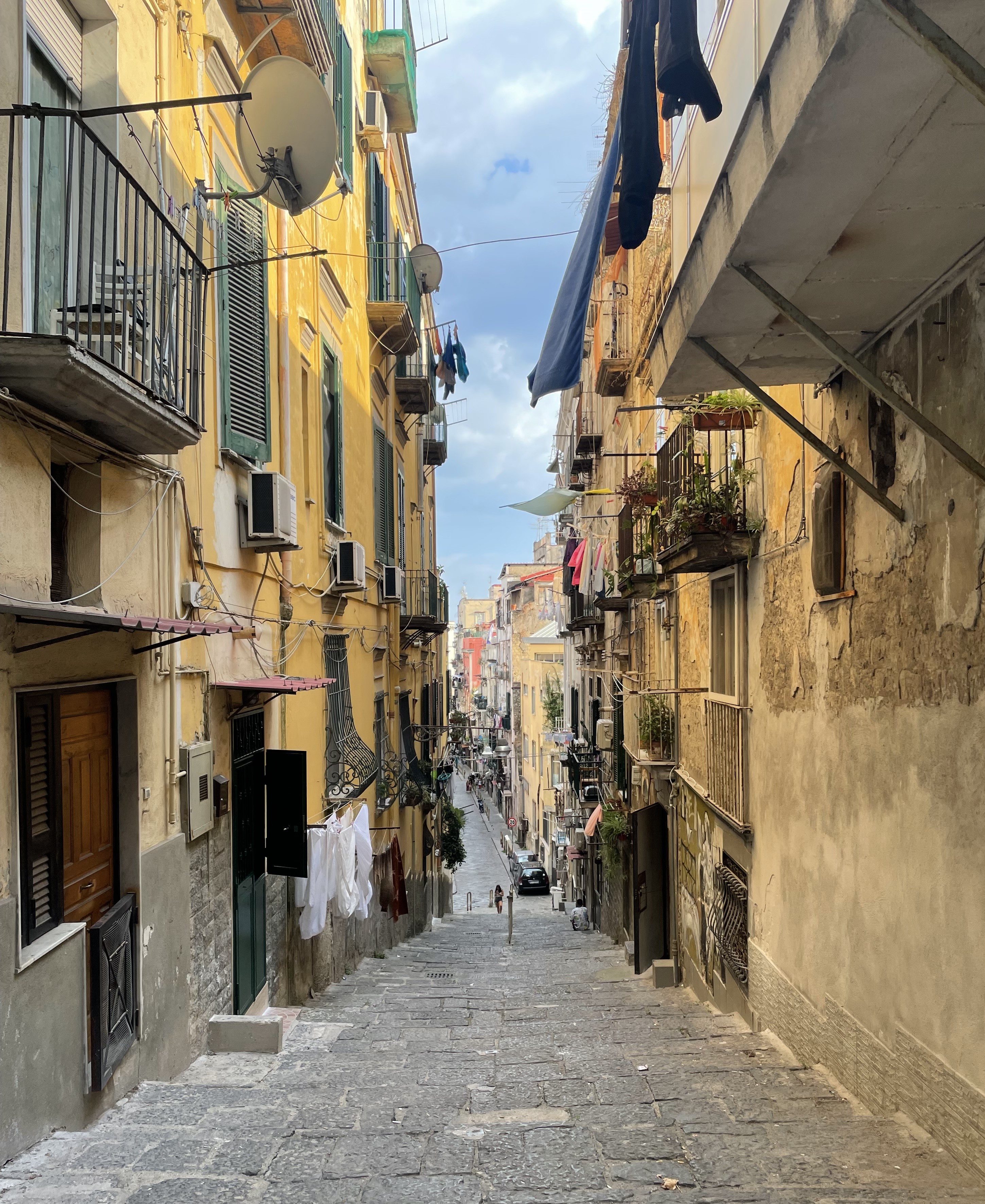
There is no need to depart Rione Sanità after dark. Here you have the mix of old and new Napoli – old family businesses and open-air markets still chugging away, complemented by young proprietors coming in and adding a splash of new to the tried and true street culture. Another pizza experience – and it definitely was an experience above all – is the highly-lauded Pizzeria Concettina ai Tre Santi (Via Arena della Sanità). Whether it’s the magic show of presenting your fried goodies and pizza once they hit tableside, sprinkled/oiled/sauced with pizzazz, or the cool wine offerings, or just the general nightclub-like buzz outside – you better have a booking or know someone to get in. Pasticceria Poppella is across the street – meaning your top-notch, rum-soaked baba and sfogliatella needs are met. A little further down Via Vergini, and Antica Cantina Sepe was creating a street dance party alongside a chalkboard noting the owner’s sheer disdain for spritzes. Point taken! I could have sat there all night and people-watched. We tried an evening up the hill in posh Vomero, and while the winding car ride up and vision of a more middle class Neapolitan existance were interesting, it did not match the purity of Rione Sanità.

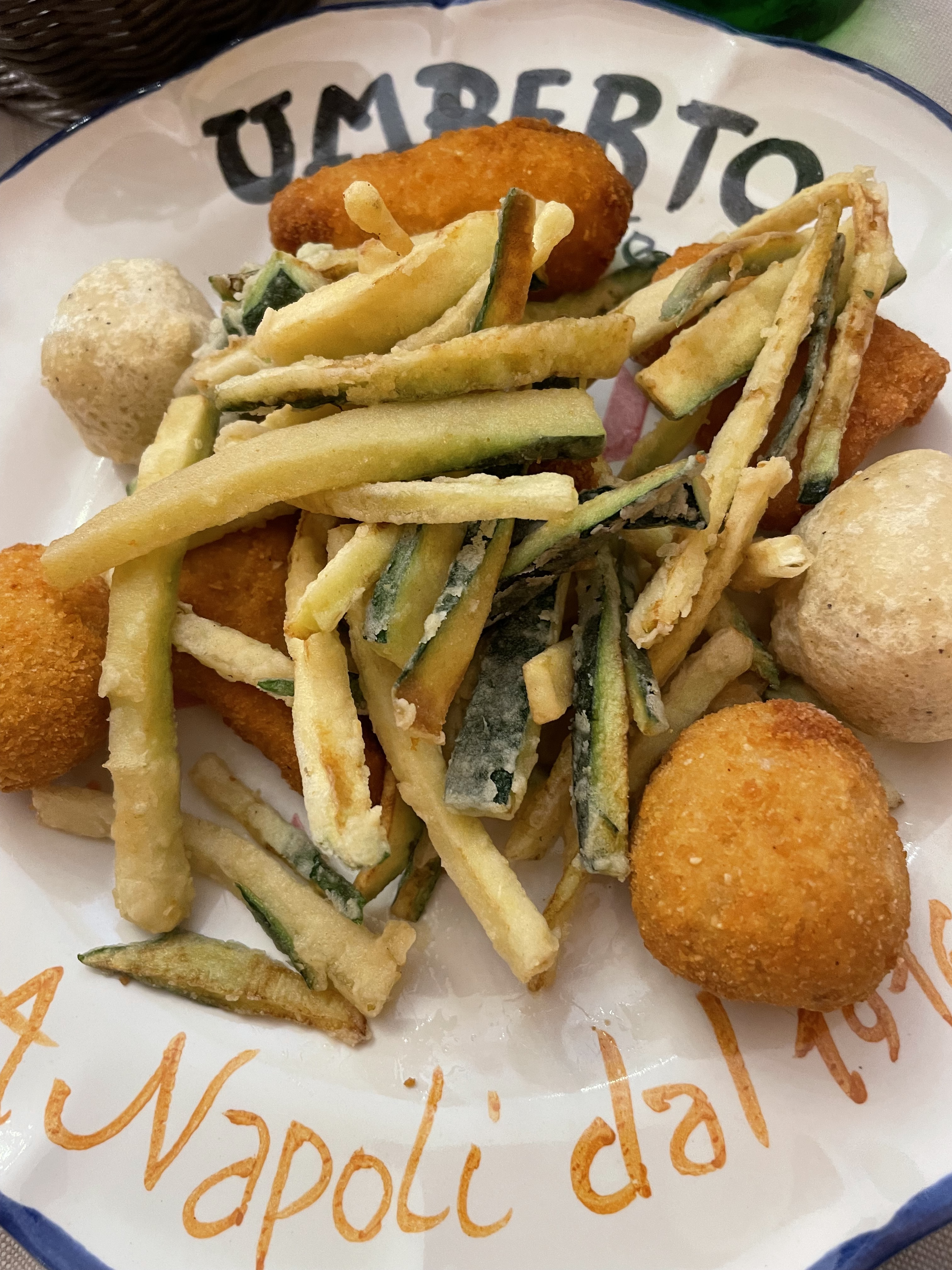
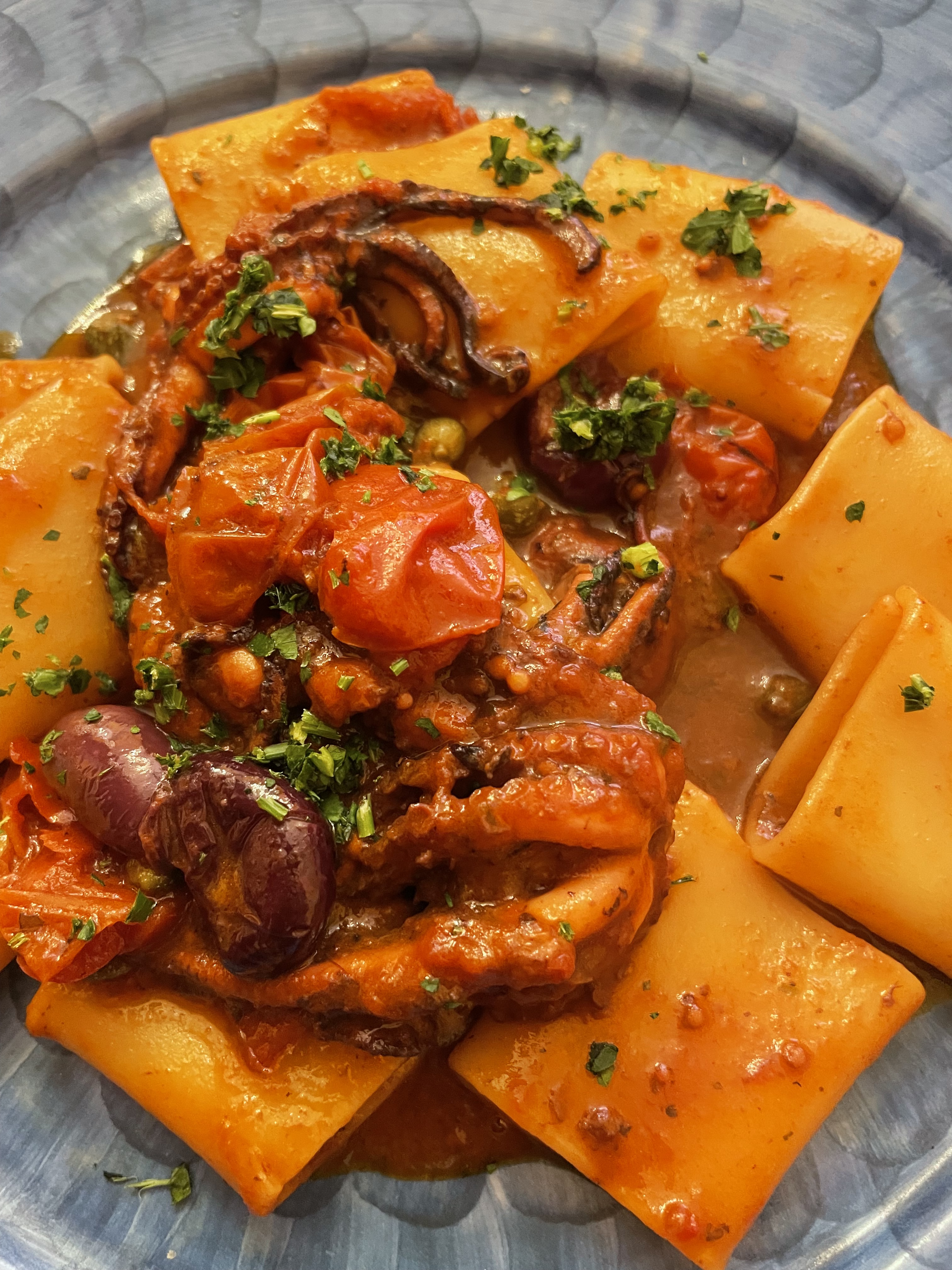
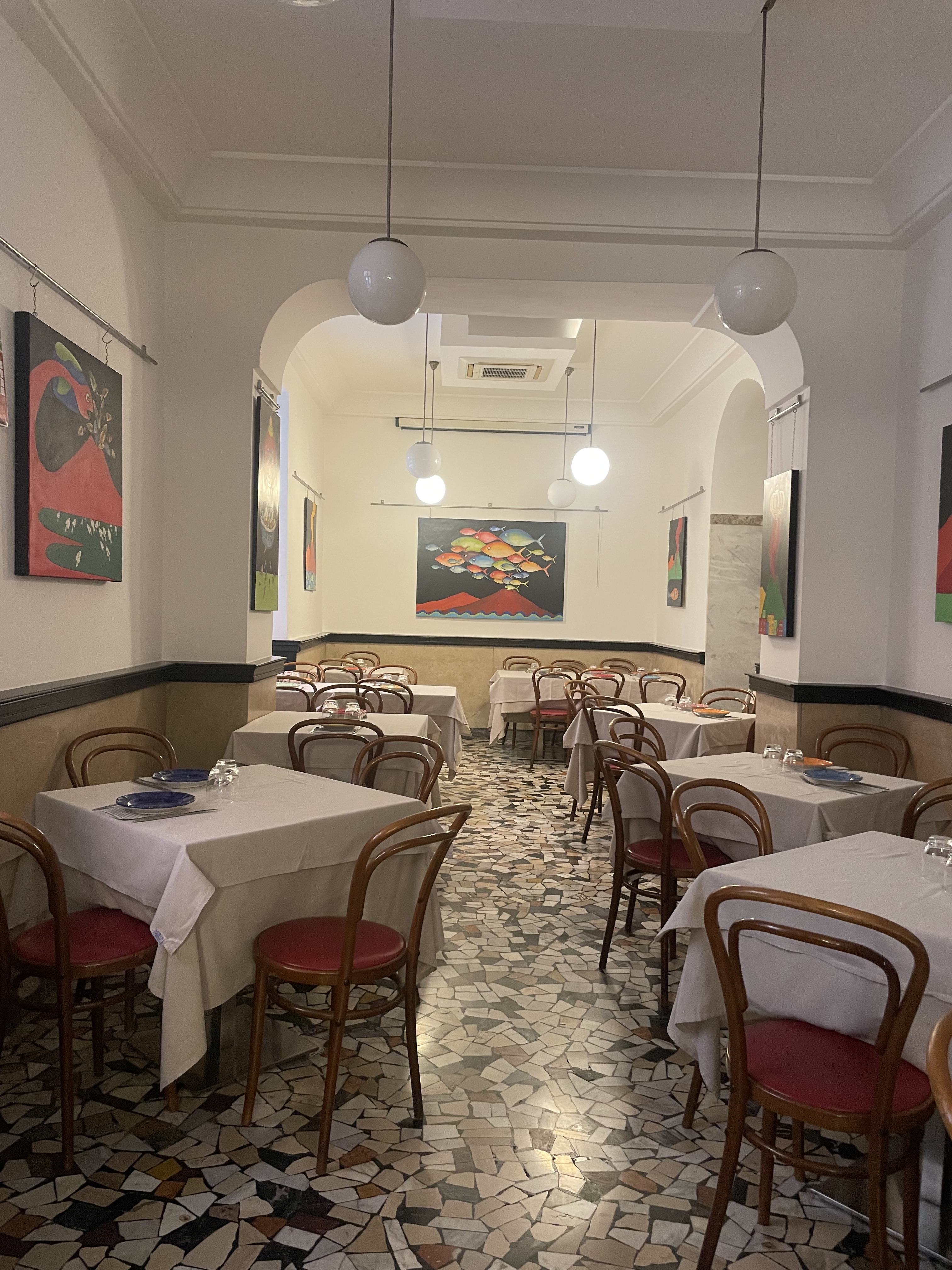
Spending your days winding down the many rioni that dot the city center, don’t miss taking in a relaxing and quintessentially locals-only lunch in the Chiaia neighborhood, at the storied Umberto dal 1916 (Via Alabardieri, 3). The menu was truly the best of la cucina partenopea – from fried carrozzas to paccheri with octopus to the creamiest tiramisu.

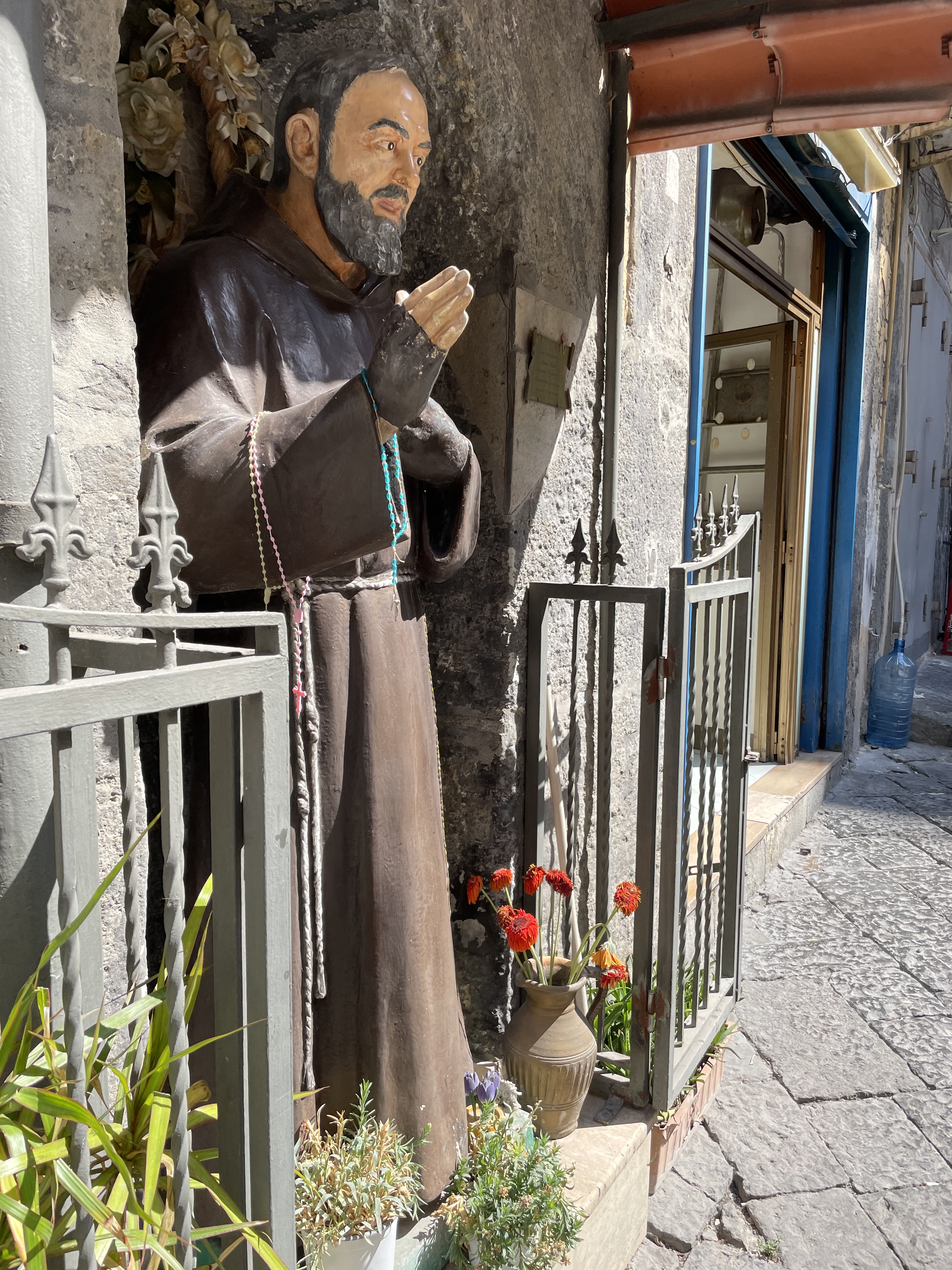
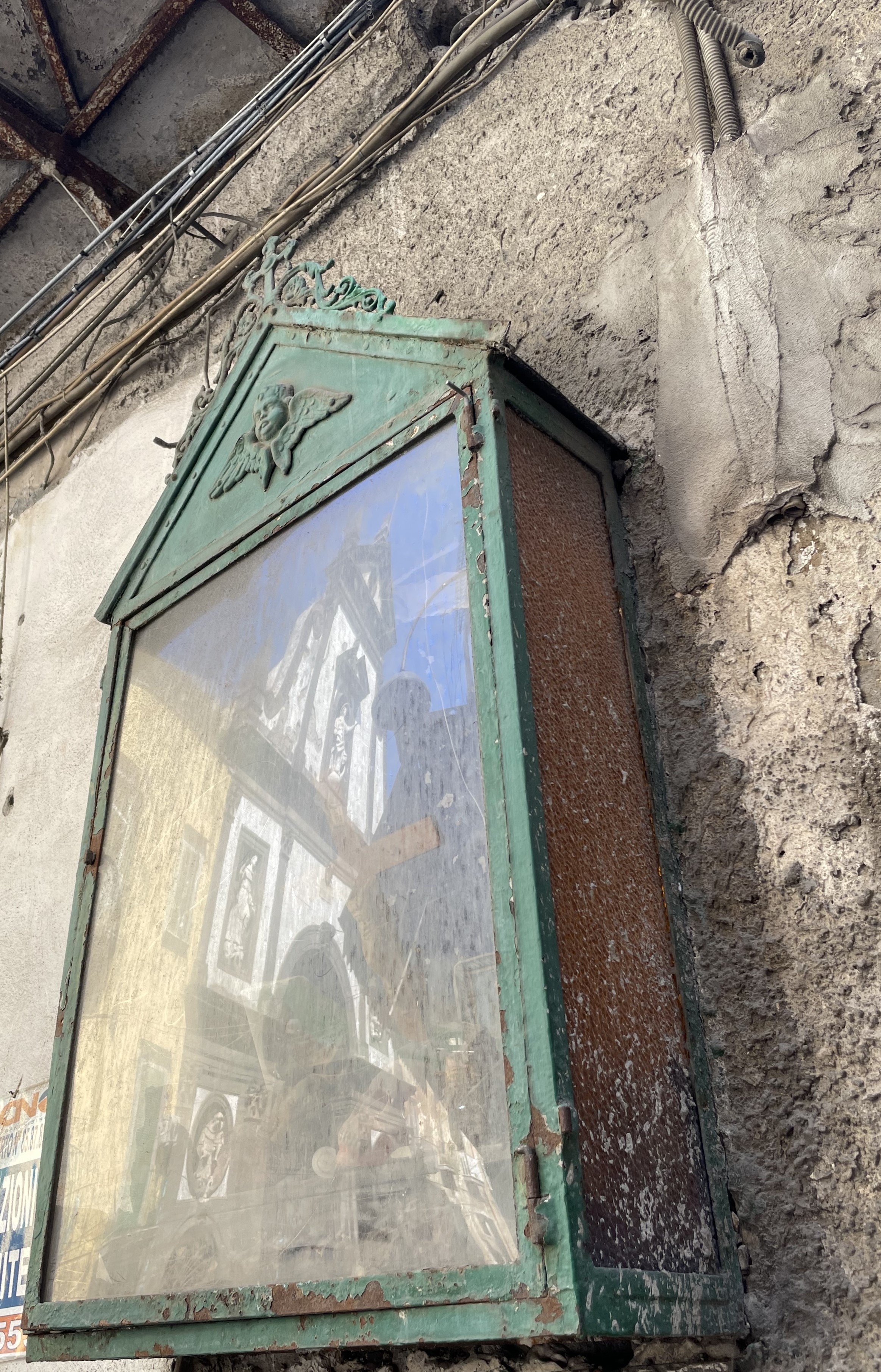
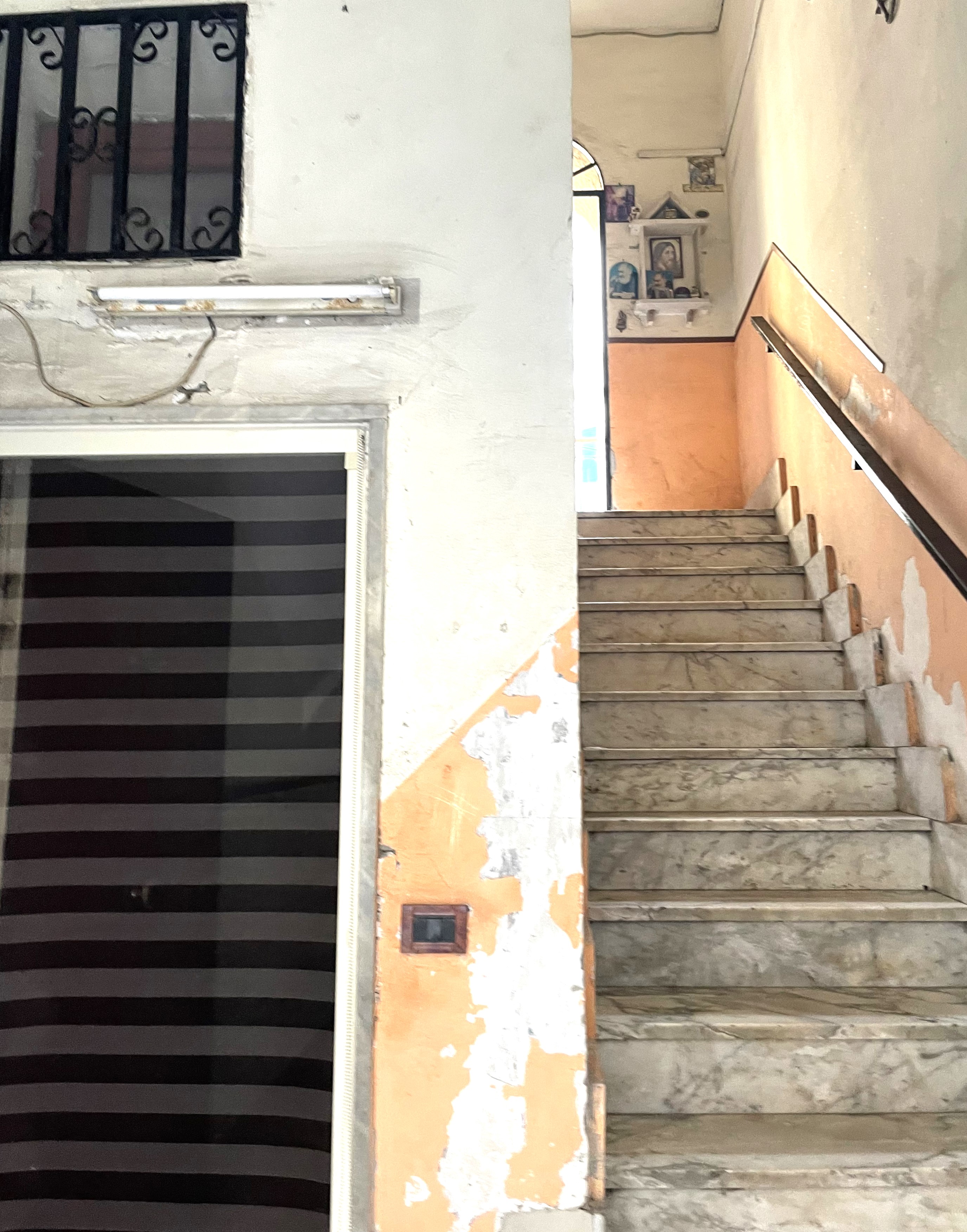
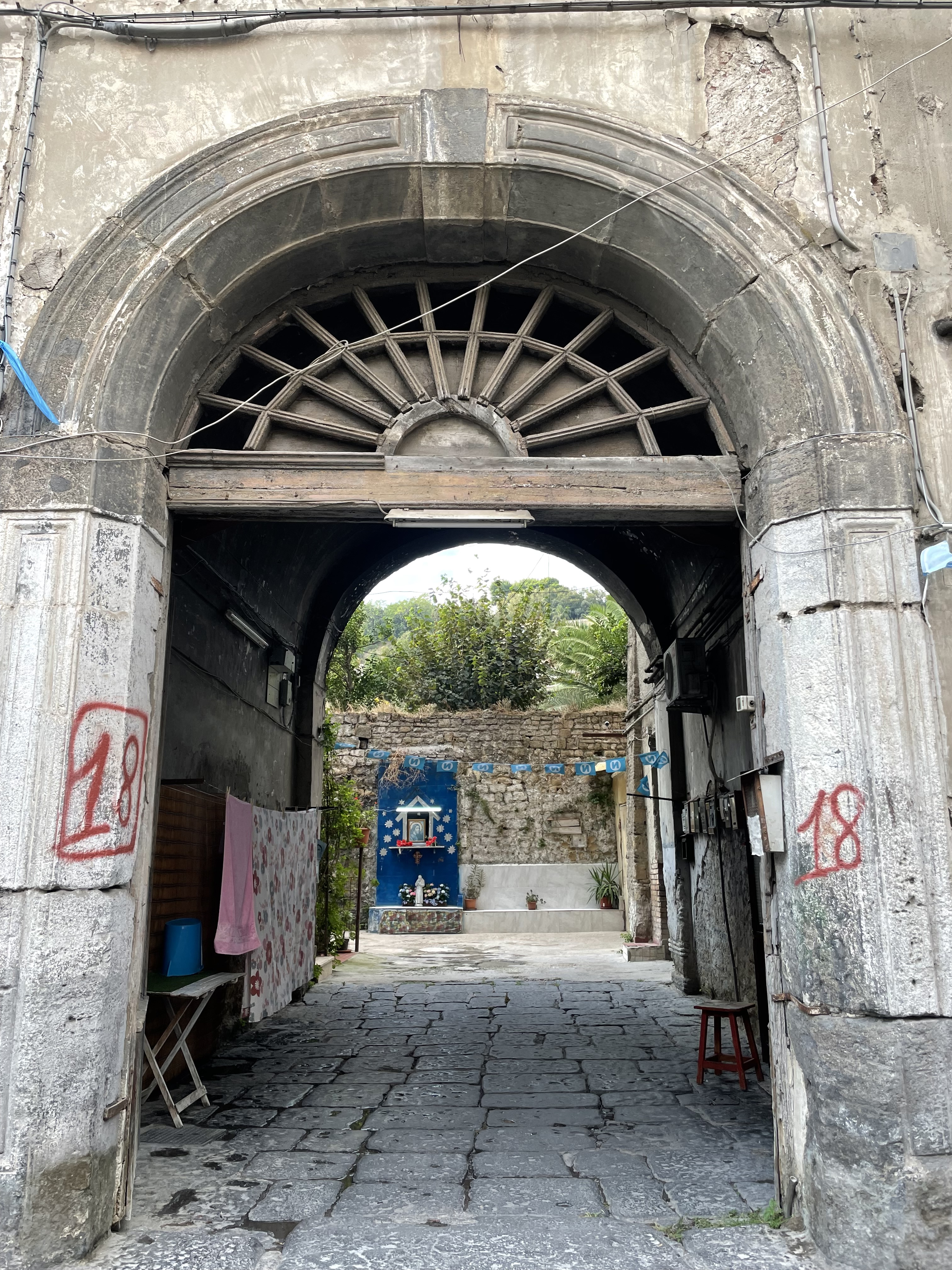
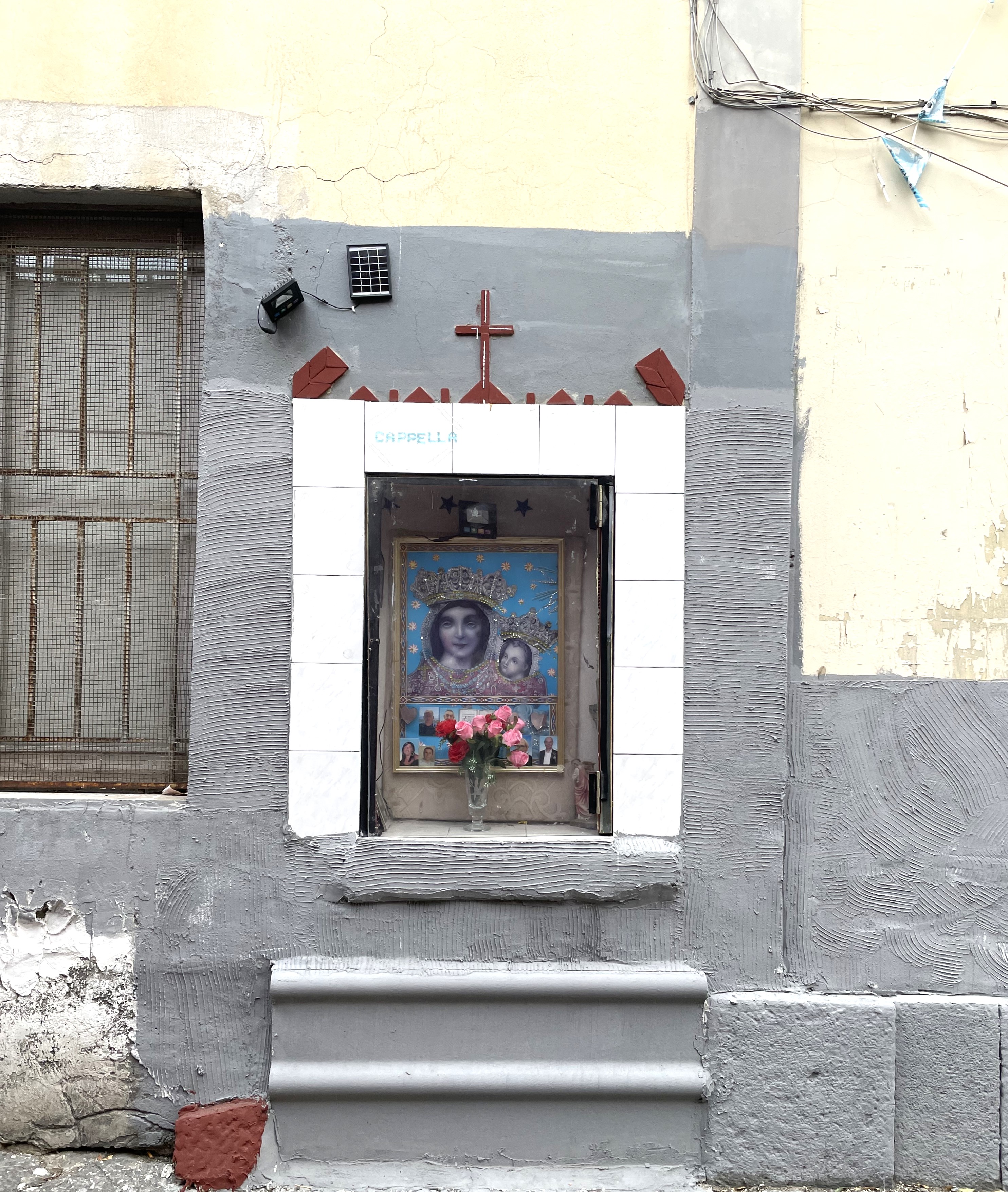
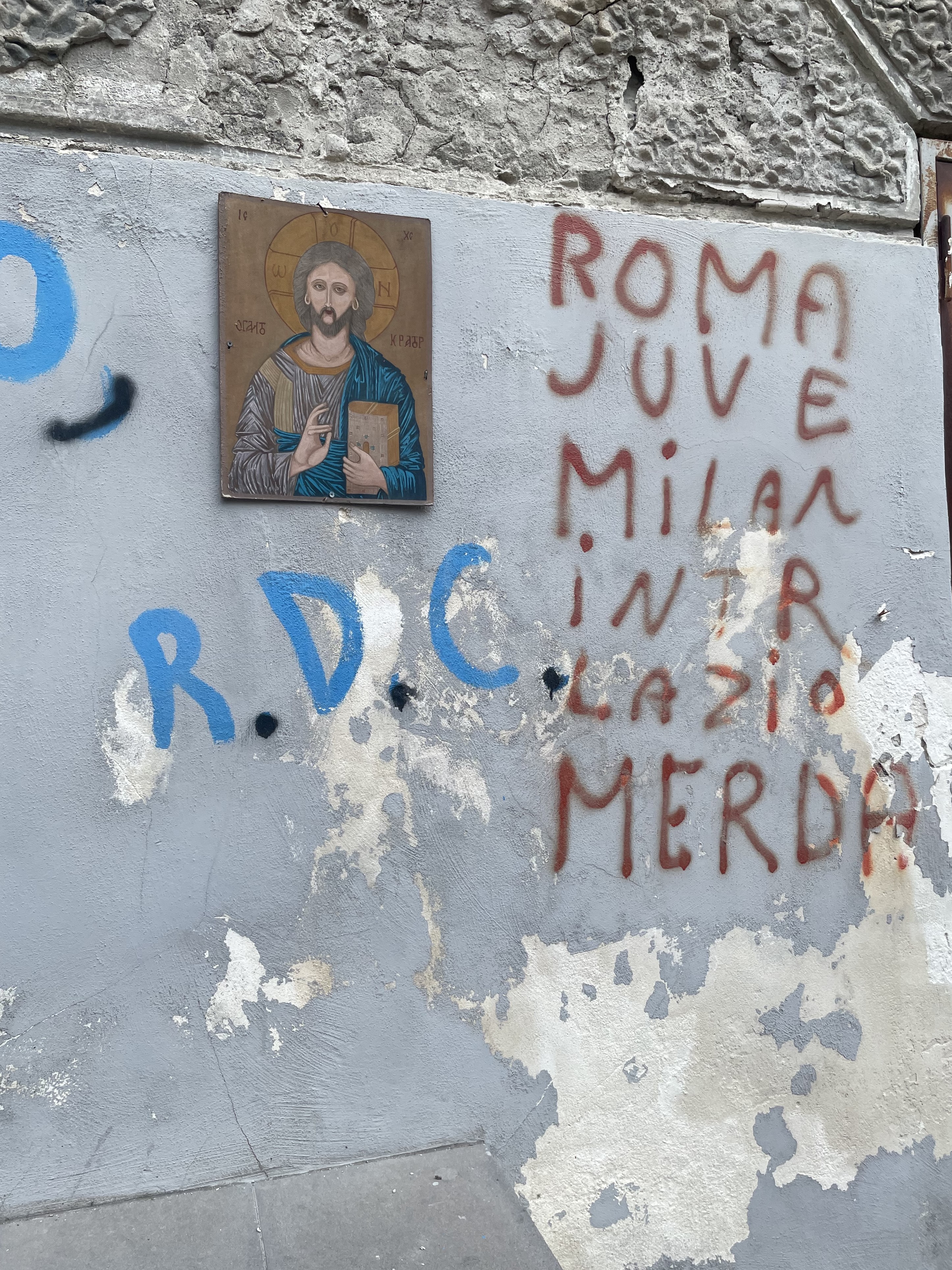
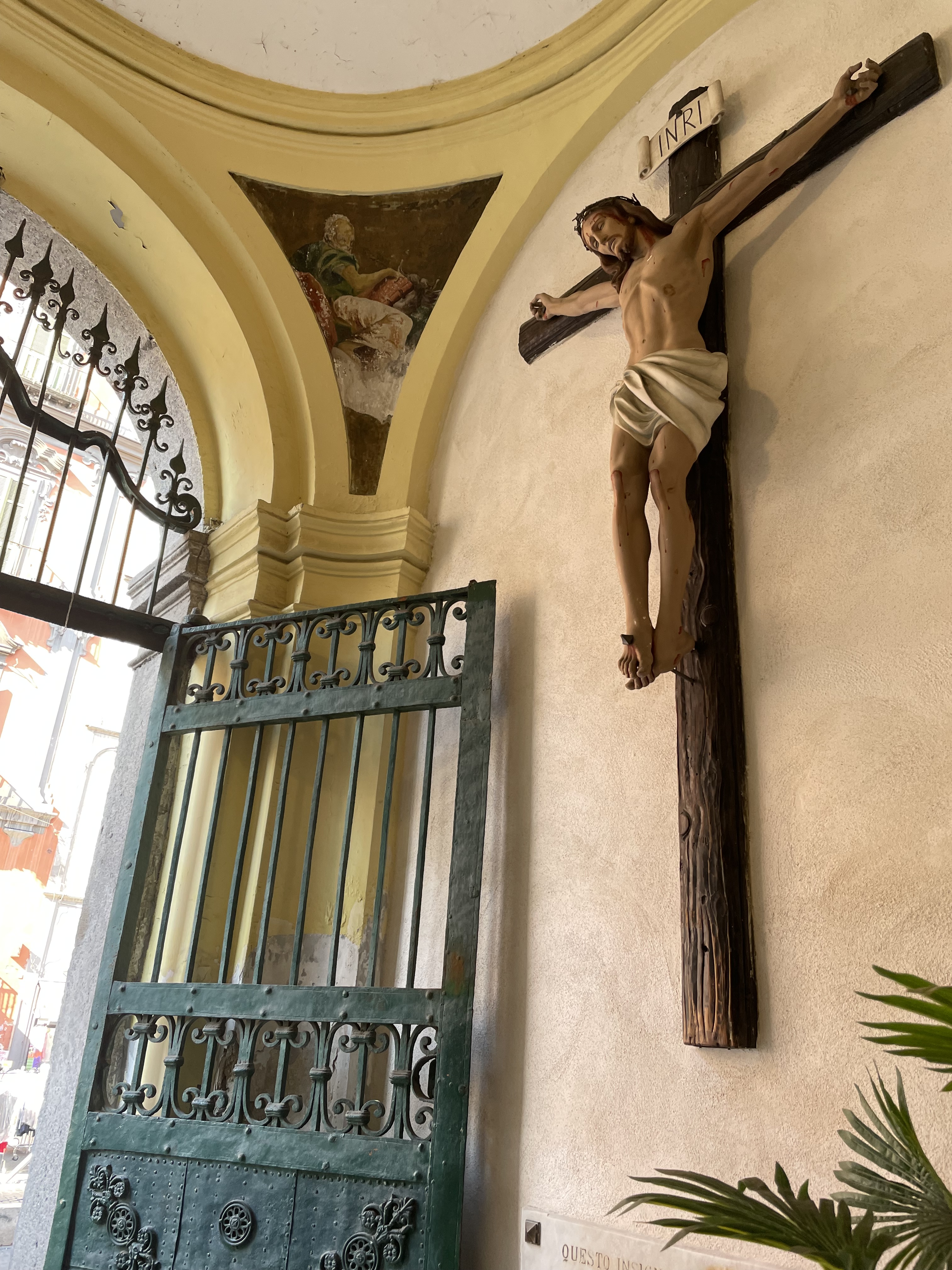
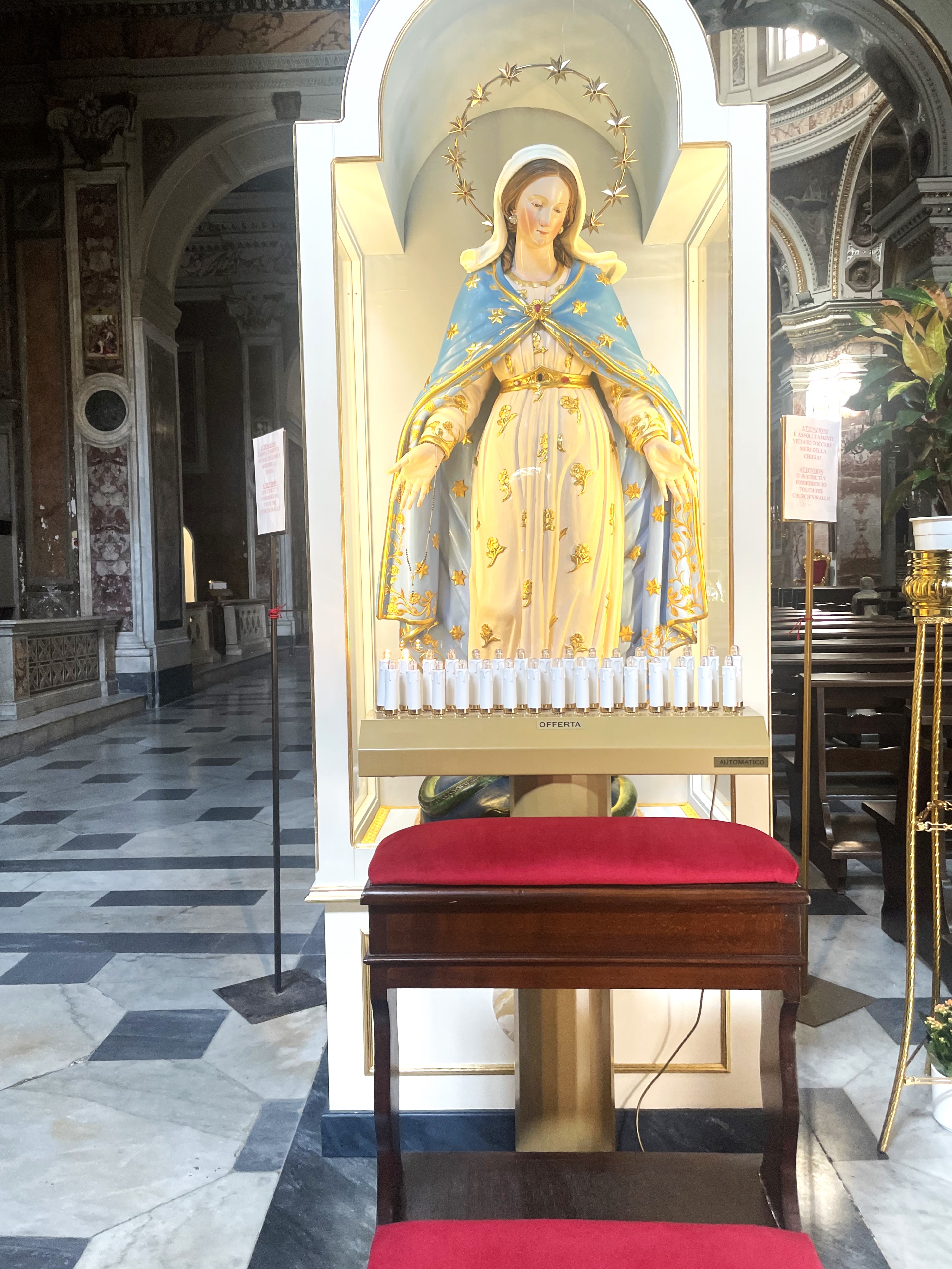
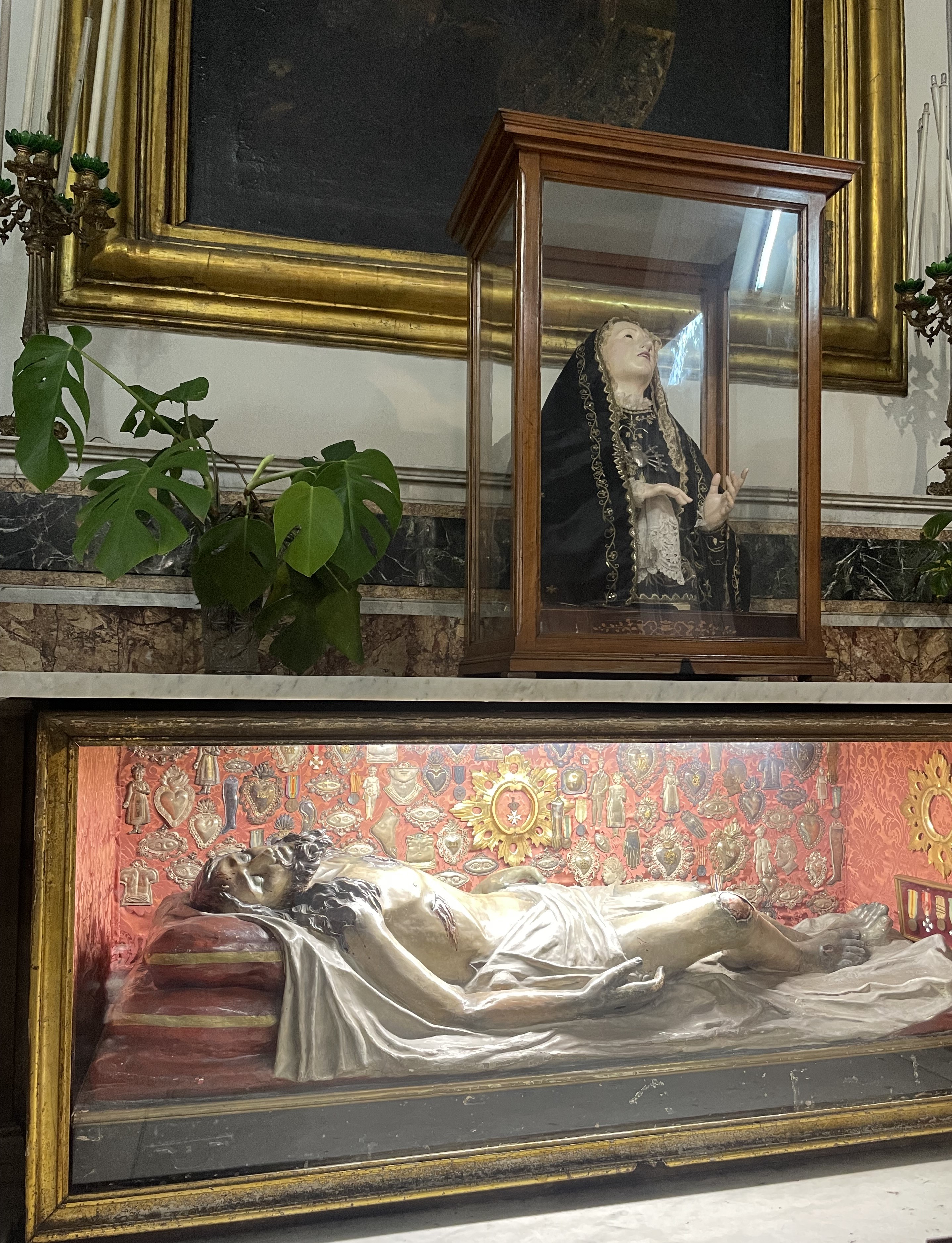
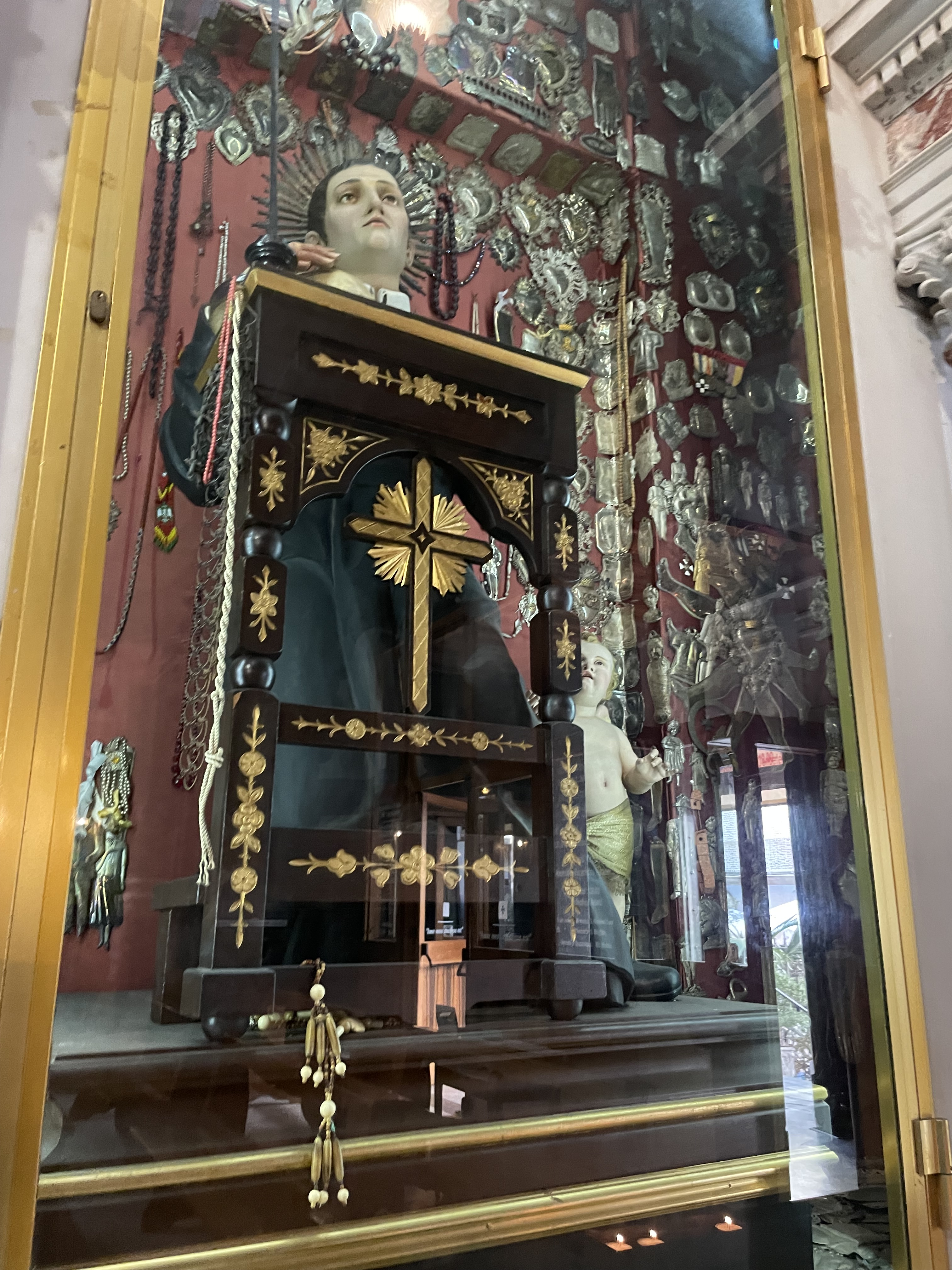
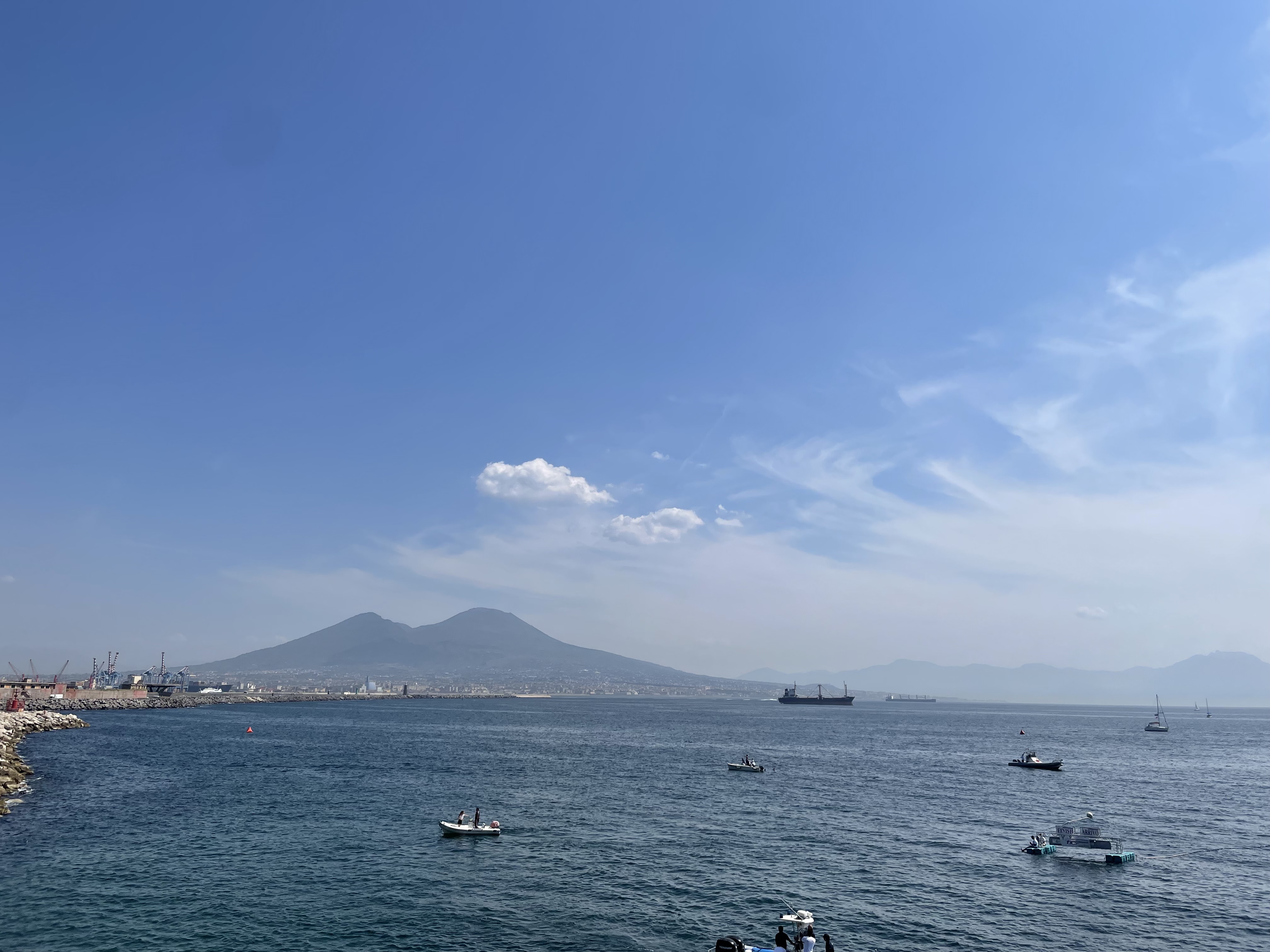
It felt strangely familiar being in Napoli, like maybe in another lifetime I had been there before. Little moments made the biggest memories – the familiar smells emanating from kitchens, the dialetto, the stunningly emotional aedicula (street shrines) – or even when a man squeezed us fresh limonata from his little cart, putting more love into it than some people do a full dinner…and more limonata runs thanks to the lady who squeezed and, as a bonus, sang to us one as we gazed at Vesuvio in the near distance. Watching glistening, golden Neapolitans sit on the rocks outlining the Bay of Naples, as cruise ships dock. I thought about my father and grandparents who all departed from that same port to come to New York decades ago, and weirdly how I had come full circle, returning to where their journey began…. But now I am experiencing a very different side of Italy.

At 4am, we dragged ourselves into a van headed for Rome airport. The streets were dark and shadows of boys hung out on their bikes, while kitchen staff started turning on their lights to bake bread and prepare for another sweltering day. I realized that this city is and will always be still shrouded in so much mystery and magic. As the famous song says… Napule è tutto ‘nu suonno, e ‘a sape tutto o’ munno, ma nun sanno a verità.


Travel Capsule: Paris (Summer 2018)


I’ve never been anywhere with such high-stakes dining as France. Maybe the pressure to eat well is all in my head, but I always feel the need to do a ridiculous amount of homework before setting foot in this country. Last year’s visit to Lille proved it was much easier to zoom in on the great spots when in a manageably sized city – and not a poor meal or snack was had. But, Paris has always been this bestial force of dining. I always feel like I run the risk of choosing a great or horrible restaurant – because to me, a mediocre meal defies all that France stands for.
On this recent summer trip, Timbo and I scored a reasonably priced Norwegian Air flight over Labor Day weekend. Five days and four nights was enough time to rekindle our affair with Paris. This time we decided to stay in the trendy 20th, with the wonderfully buzzy Mama Shelter as our base. Our visit was a perfect contrast of Paris’ old and new school of wonders. We discovered that pizza in Paris is something to seek out, and that a good time in Paris knows no ending.
Traditional Eats
Aux Lyonnais (32 Rue Saint-Marc 75002) 
I discovered my love of Lyonnaise cooking at the now shuttered Moissonnier. I still dream of their quenelle de brochet, a poached pike fish dumpling smothered in a Nantua sauce (essentially a crayfish bisque) served in a piping hot casserole dish. Since this beloved husband and wife outfit closed, I was forced to find the next best option. I knew Aux Lyonnais would be an experience – it’s an Alain Ducasse establishment, so how could we go wrong? The setting is a Belle Époque beauty, the prix fixe menu is a must and the service is impeccable. Three courses for lunch at 34 Euro and you can’t go wrong. The quenelle de brochet was delicious, as was the île flottante dessert that was devilishly sweet yet angelic in appearance. To say that this place is an indulgence is an understatement.

Le Vieux Belleville (12 Rue Envierges, 75020) I like having fun. Sometimes I like having too much fun. Our evening at this cozy bistro high up on Belleville’s peak was one of the best nights I’ve ever had. I guess you could say the main focus of this place is “dinner theater” but that sounds a little too Chorus Line. Let’s say this is French version of dinner theater which involves a room full of Parisians eating well, drinking copious amounts of wine and singing traditional chansons bursting with regional – and collective French pride. I don’t think I’ve ever wished to be French more than on this night. The chanteuse at the center of it all was Minelle, who rocks up with a bounty of accordion gear, dutifully handing out sheet music in between songs, and kindly served as our English translator. I thought this place would be brimming with tourists, but we were the only outsiders in this wonderfully inclusive environment. The food was simple and done well – a heaving shepherd’s board of cheese and charcuterie followed by perfectly skewered steak brochette and dauphinois, plus copious amounts of red wine that could sink a small ship.

Chantefable (93 Avenue Gambetta, 75020) In my fake Parisian life I would live around the corner from this neighborhood brasserie, frequenting every week, and then die slumped over in one of those big metal champagne buckets. Chantefeble appears to be an unassuming, average corner spot until you step inside…. The atmosphere checks all the boxes one wants out of a classic Parisian bistro. Oversized mercury glass mirrors and blood red banquettes line the space. The bar is replete with clanking glasses filled with aperfits/digestifs/bubbles. The genial staff are buzzing around and engaging in banter with the regulars. Pristine tartares, flavorful steak frites, buttery sole and ooey gooey profiteroles were guarantors of a happy evening.

Pizza 
Louie Louie (78 Rue de Charonne, 75011) I dare say that this is the best Neapolitan-style pizza I’ve ever had. Pillowy dough that had the right char, tangy sauce piled with plentiful toppings, glistened with olive oil. Washed down with a coolly packaged Italian cola or homemade soda syrup (still dreaming of the grape), and it doesn’t get any better than this. The 1960s Italianate interior is appropriate for a Michelin-starred space, rounding out this place to be a 10/10.

Il Posto (356 Rue des Pyrénées, 75020) Louie Louie was a magical pizza experience, and Il Posto was a level or two below, but still standout. Continuously packed all night, we ate al fresco fueled by plentifully cheap wines and spritzes. Il Posto served as a great starting point to a night of madness in cooler-than-thou Belleville.

Paris’ Nightlife Revolves Around Belleville/20th
Chez Cosette (41 Rue des Envierges, 75020) Life doesn’t get any better than sitting on a quiet residential Parisian side street, peering (non creepily!) into balconied Parisian apartments and wondering what life would be like if you were a denizen. 1950s Americana tunes wafted in the background and faded into the balmy air, ice cold local beers were on tap and in true Gallic style, you felt like you could hang out until dawn and nobody would care.

Culture Rapide (103 Rue Julien Lacroix, 75020) This kitschy bar’s decor felt like it was stuck in the 90s (in a good way), with a decently packed events program plus a spacious outdoor section that spills into the vibrant Rue de Belleville. We walked in for the last moments of their Thursday night English spoken word show. A very talented American gal belted The Cranberries’ “Zombie” on the ukulele in a room full of Francophiles and Anglophiles. If you’re an expat Brit or American looking to make friends/build a community, this is a great place to make it happen.

Aux Folies (8 Rue de Belleville, 75020) Down the hill and this spot is a must, even for one drink. I wouldn’t even question a place that has been a social mainstay since… the 18th century.  I love that Parisians embrace drinking outside into the wee hours, something we could only dream of in New York or London. The pink neon classic signage calls to you, and you’re sucked into the wonder of this sedate cafe by day and party bar by night.

La Bellevilloise (19-21 Rue Boyer, 75020) Northeastern Paris was, and is, a beating heart of Paris’ working class culture. It’s no surprise that as times change, this almost 151-year-old building was home to the city’s first workers cooperative and is now an events space. The airy courtyard was heaving with queues of punters and beefy bouncers who were surprisingly intimidating despite the indie club vibe. We popped in for the Do You 80s? dance party in the massive ballroom, just when the playlist turned to French/Euro 80s pop. It was a delight observing French partygoers getting nostalgic to the songs of their youth that didn’t involve usual suspects like Madonna or Duran Duran.

Café
Le Pure Cafe (14 Rue Jean-Macé, 75011) There isn’t anything cooler than watching dear Anthony Bourdain knock back some coffees during his No Reservations visit. Perched on an idyllic, peaceful side-street in the 11th, the bright cafe has a lovely bar with good coffee and an atmosphere so overwhelmingly Parisian I left feeling quite emotional thinking of Mr. Bourdain and his contributions.

Officine Universelle Buly 1803 (45 Rue de Saintonge, 75003) Stepping into Le Marais location of this 19th century fragrance atelier is surprisingly therapeutic. This Old World-apothecary is a treat to the senses – including a glacé and café bar leading to a cozy, dimly lit room featuring an artisan who specializes in dried flower wreaths.

Cuillier (19 Rue Yvonne le Tac, 75018) A Sunday morning walk up Montmartre was cathartic yet briskly timed before the onslaught of tourists. We headed down to nearby Abbesses, and there was Cuillier, a mini coffee chain. Pull up a stool in this bright, beautifully designed space and sip the morning away to the sound of good music among cool patrons.

Glacé
Berthillon (29-31 rue Saint-Louis en l’île 75004) If heaven had a taste it would be the cerise glacé from this Parisian ice cream institution. The original outpost is situated in the Île St-Louis, a sliver of land between Notre Dame and Rive Gauche. The queues are always long, but beyond worth the wait. The texture is unlike any frozen treat I’ve ever encountered, with meticulous quality control and first class flavor being the priority. Having a cherry and chocolate cornet overlooking the Seine, tasting ice cold, tart cherries bursting in my mouth was utter bliss.