Ferrying into Baltic oblivion (Stockholm to Helsinki)

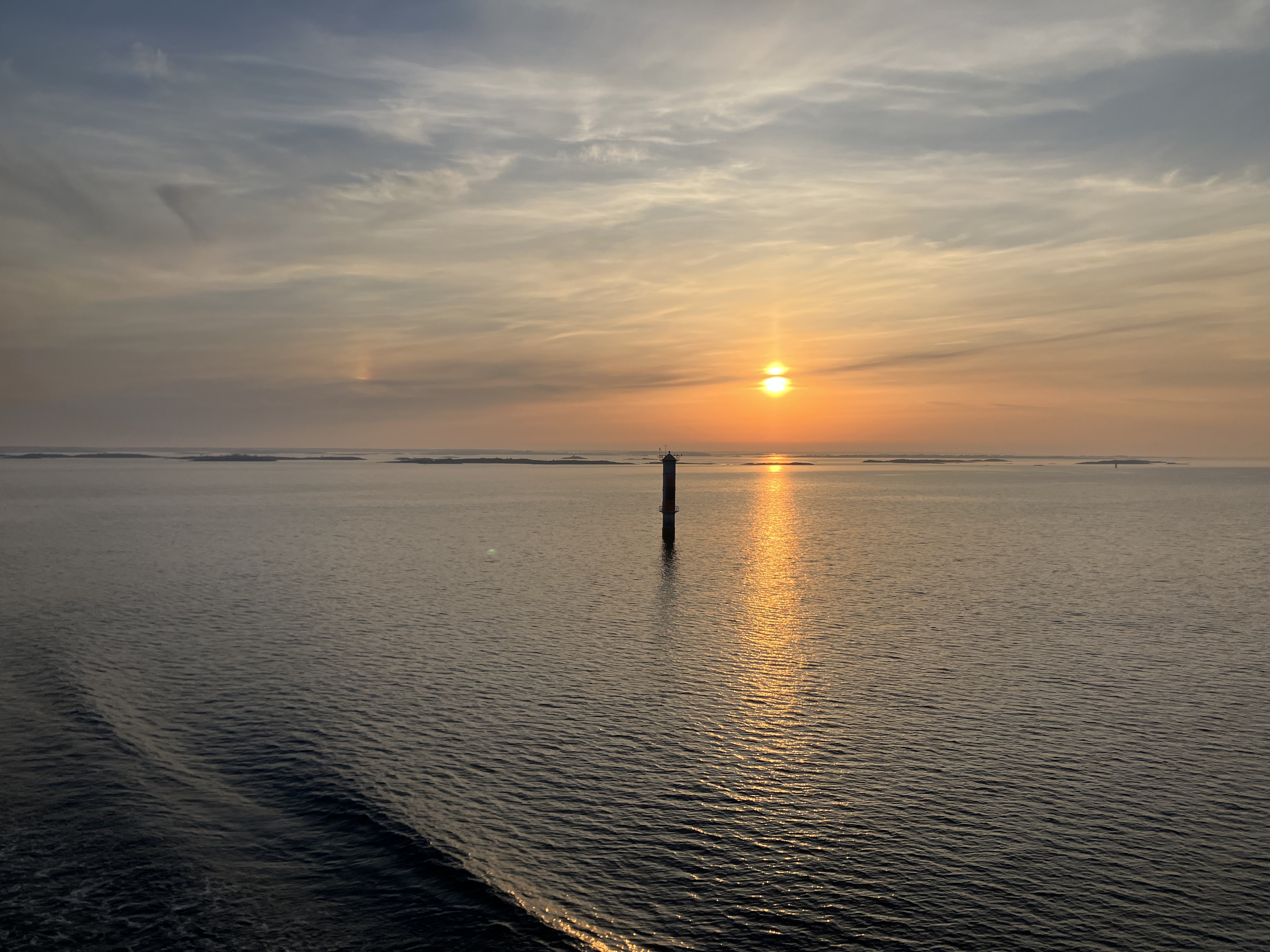
I will never forget how the blue of a Swedish summer’s night faded to mist in mere seconds….

Having wanted to visit Helsinki for a long time, there weren’t any accommodating direct flights from New York to maximize a long weekend’s visit. Better flight options to Stockholm and my friend Amy’s enthusiasm for catching an overnight ferry to Helsinki resulted in a resounding group “yes” – and rooms were immediately booked for a one way journey on the Viking liner.

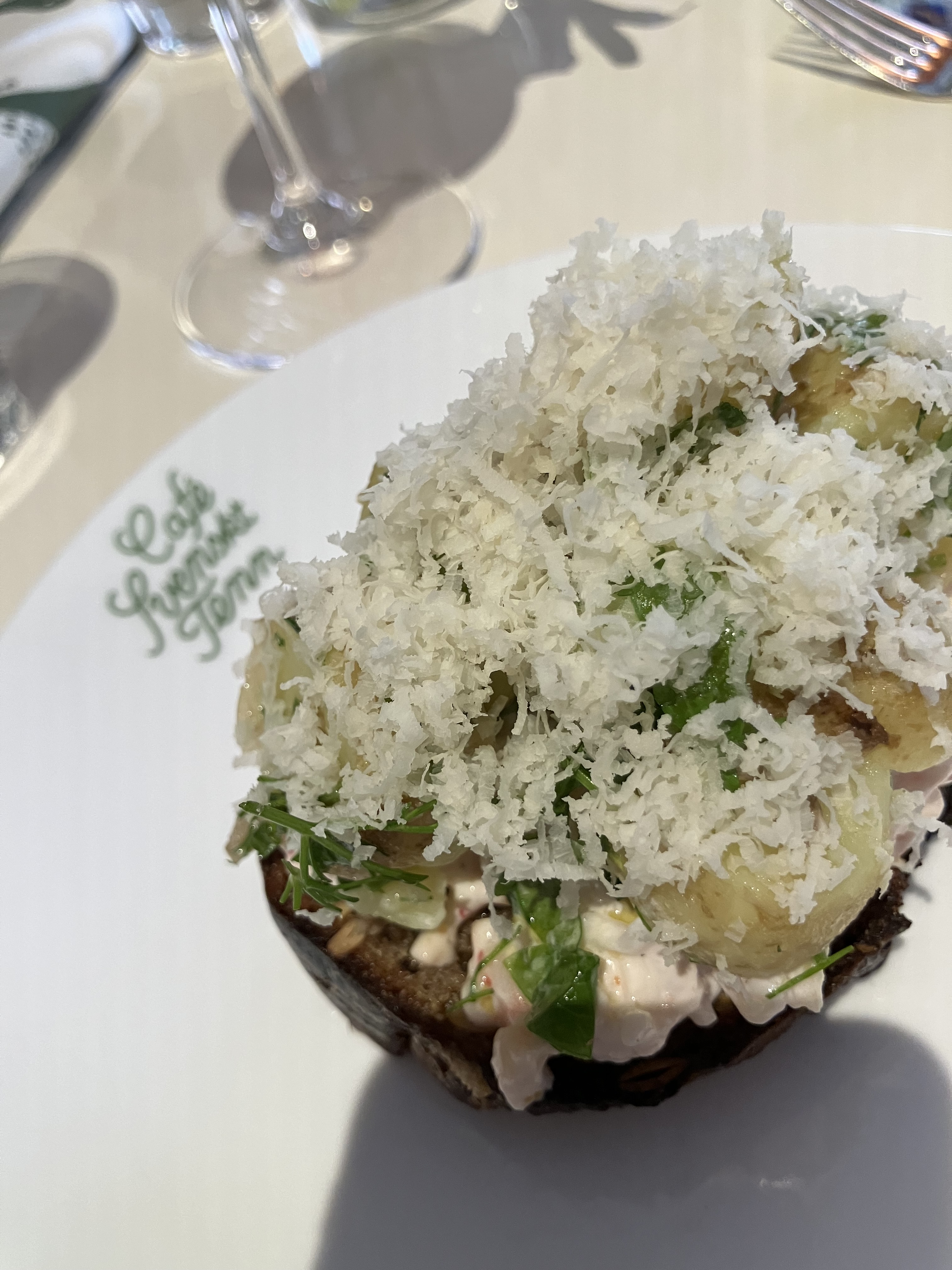
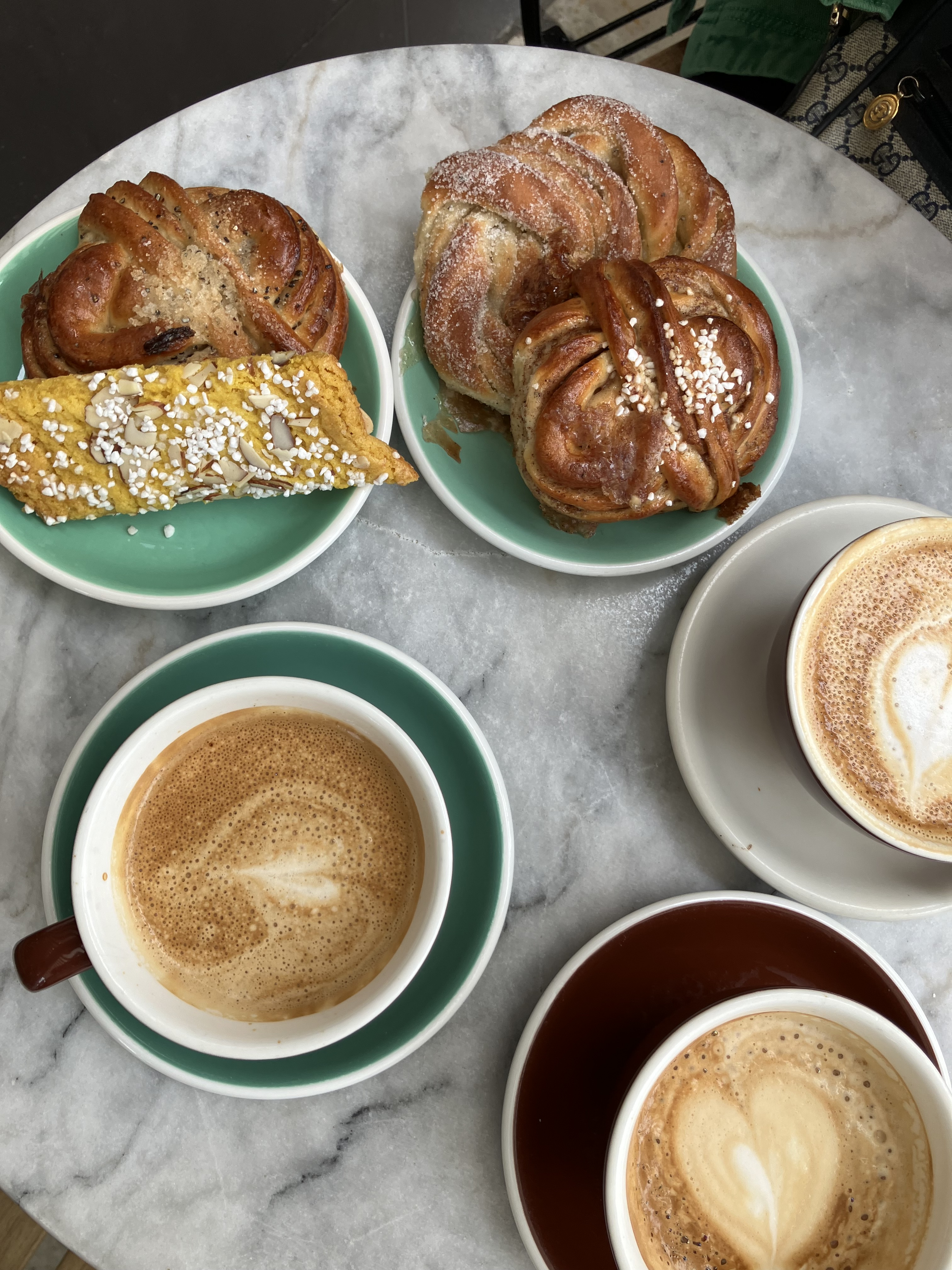
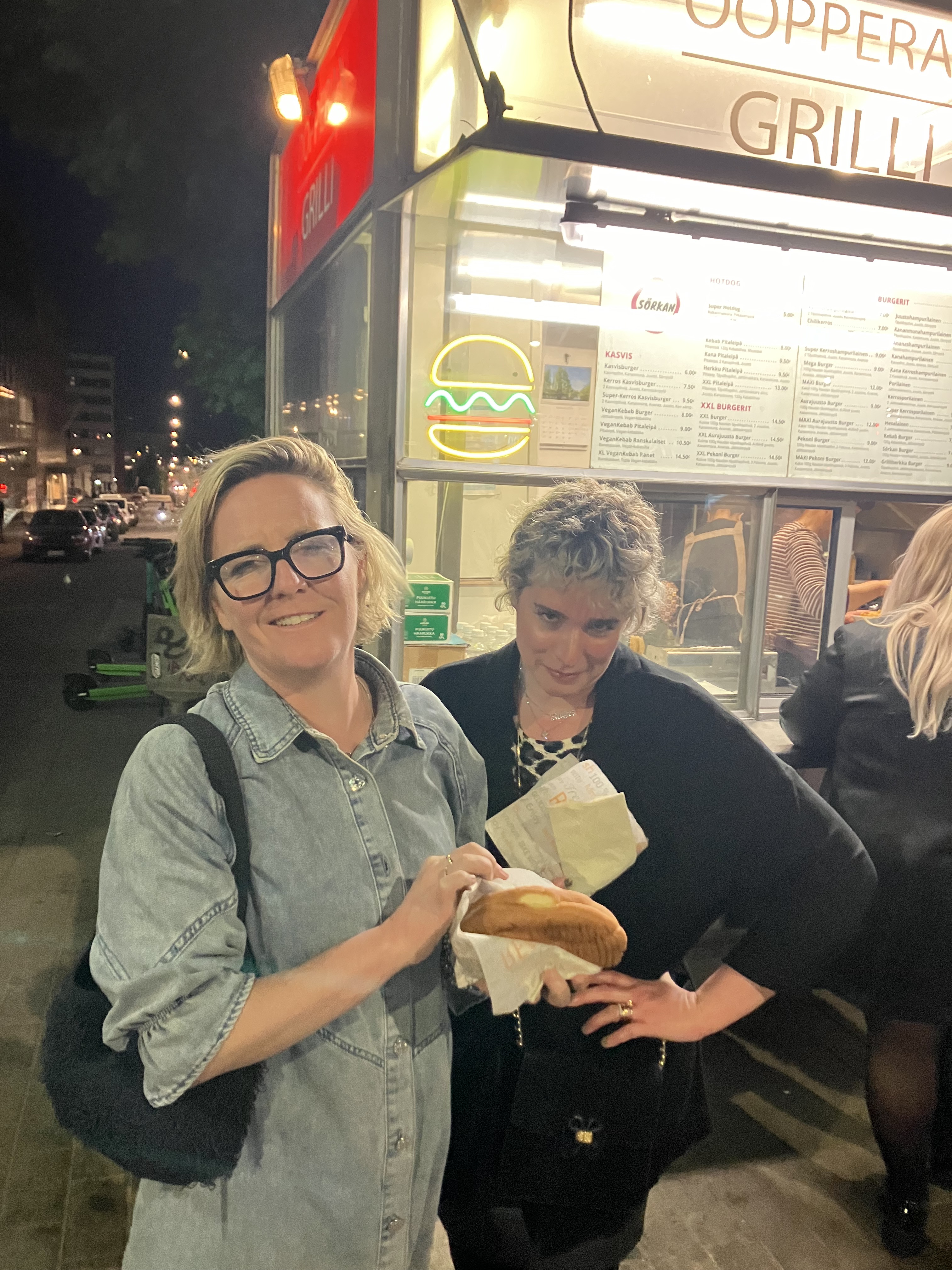
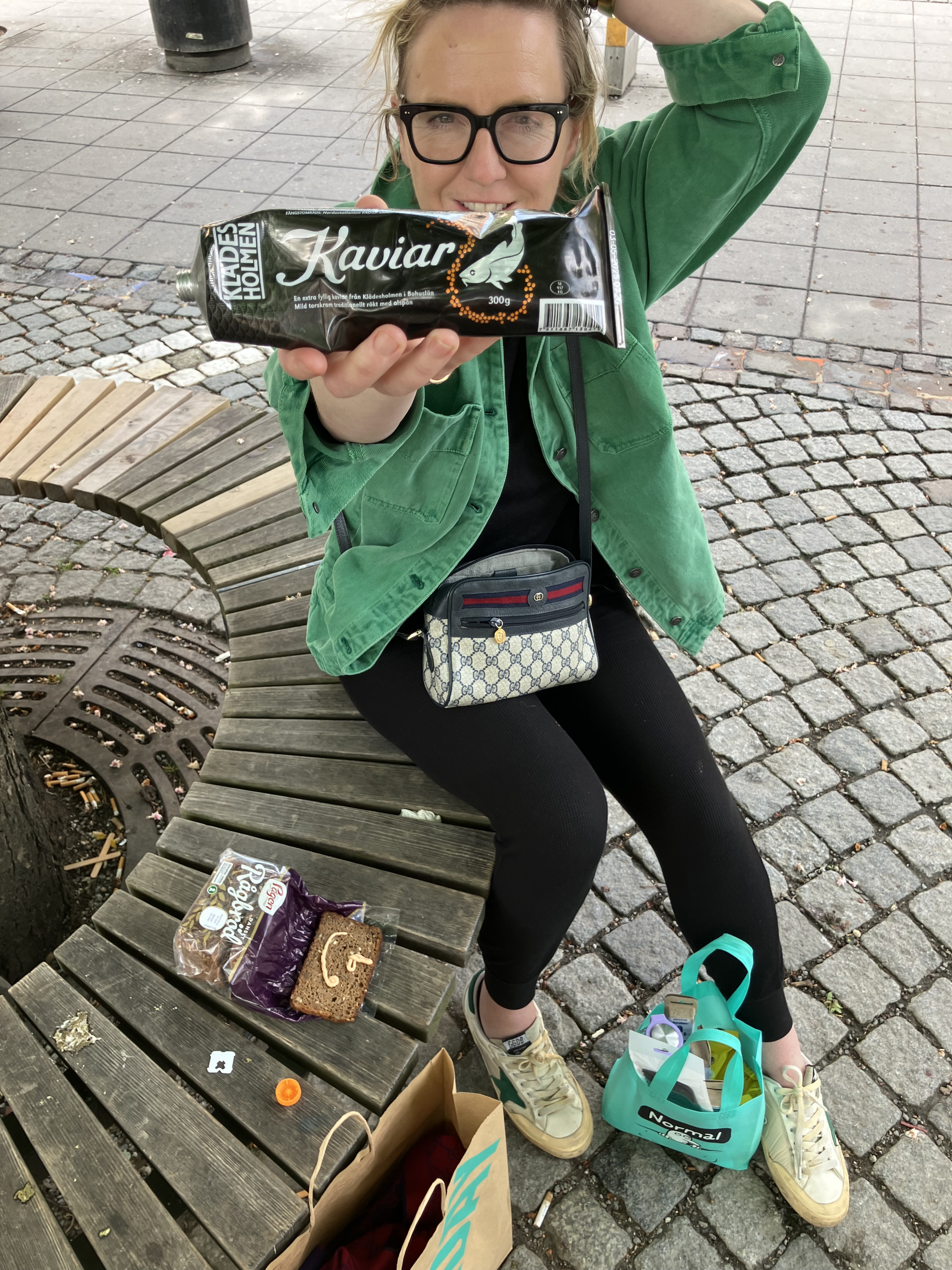
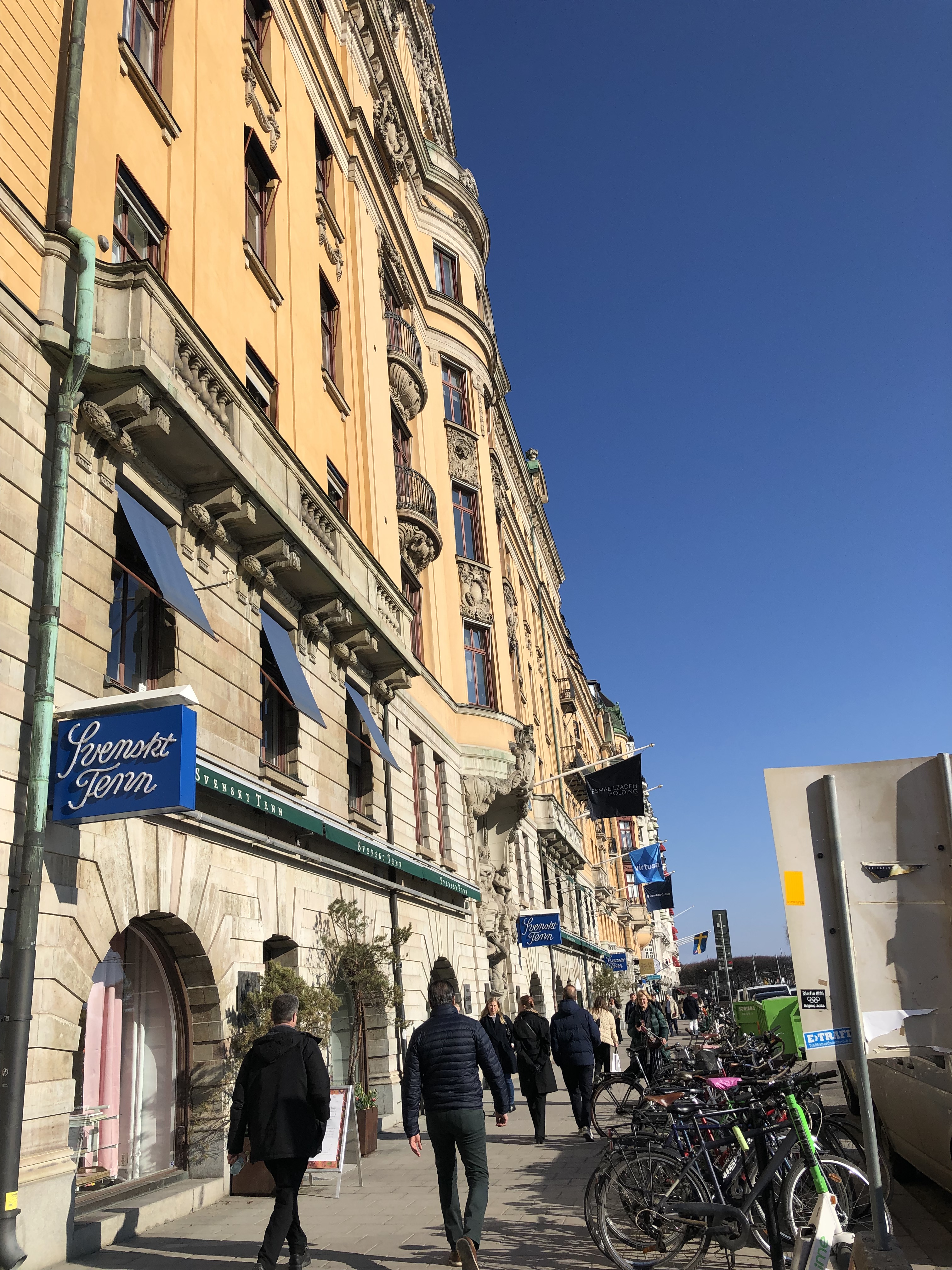
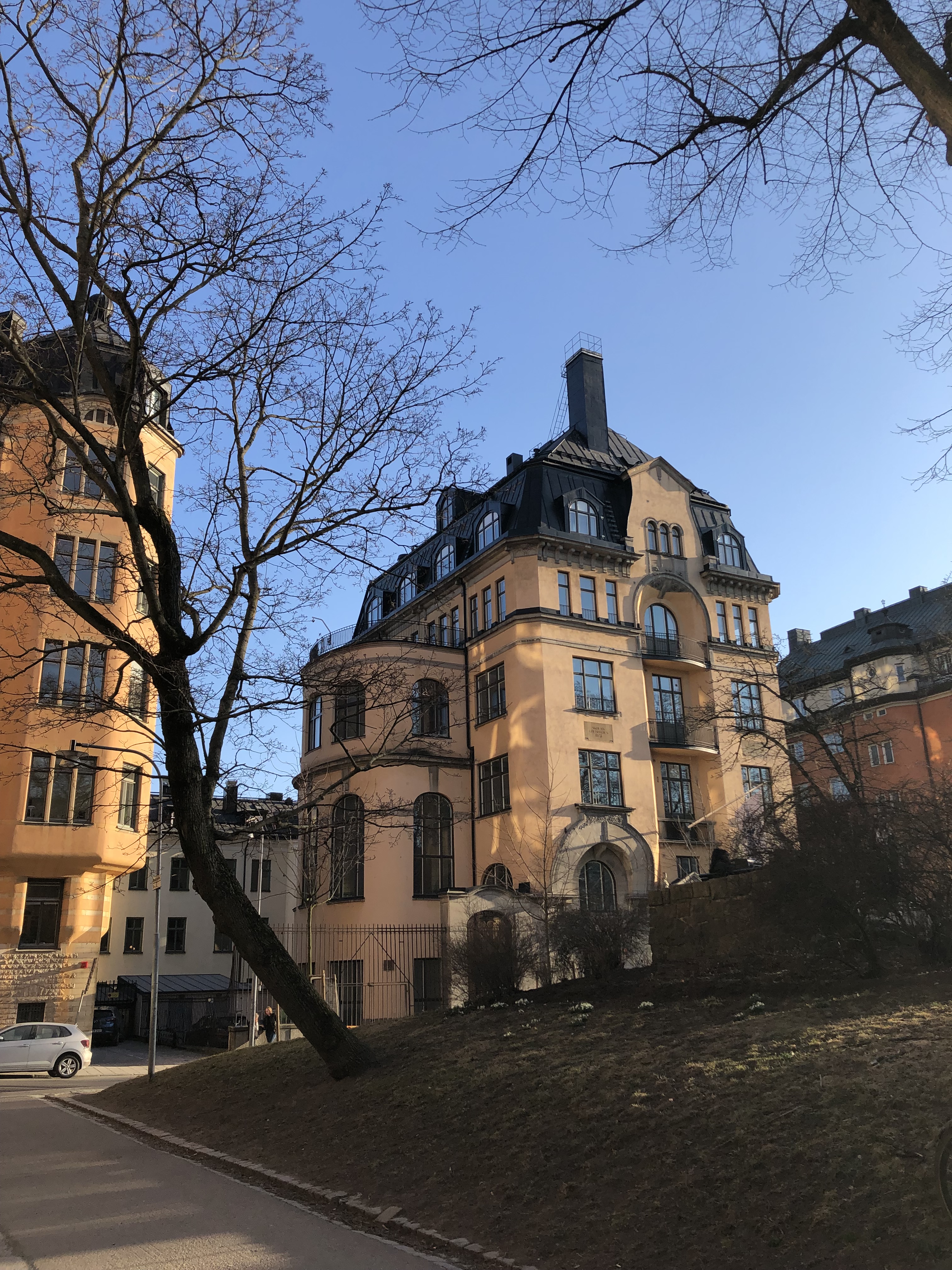
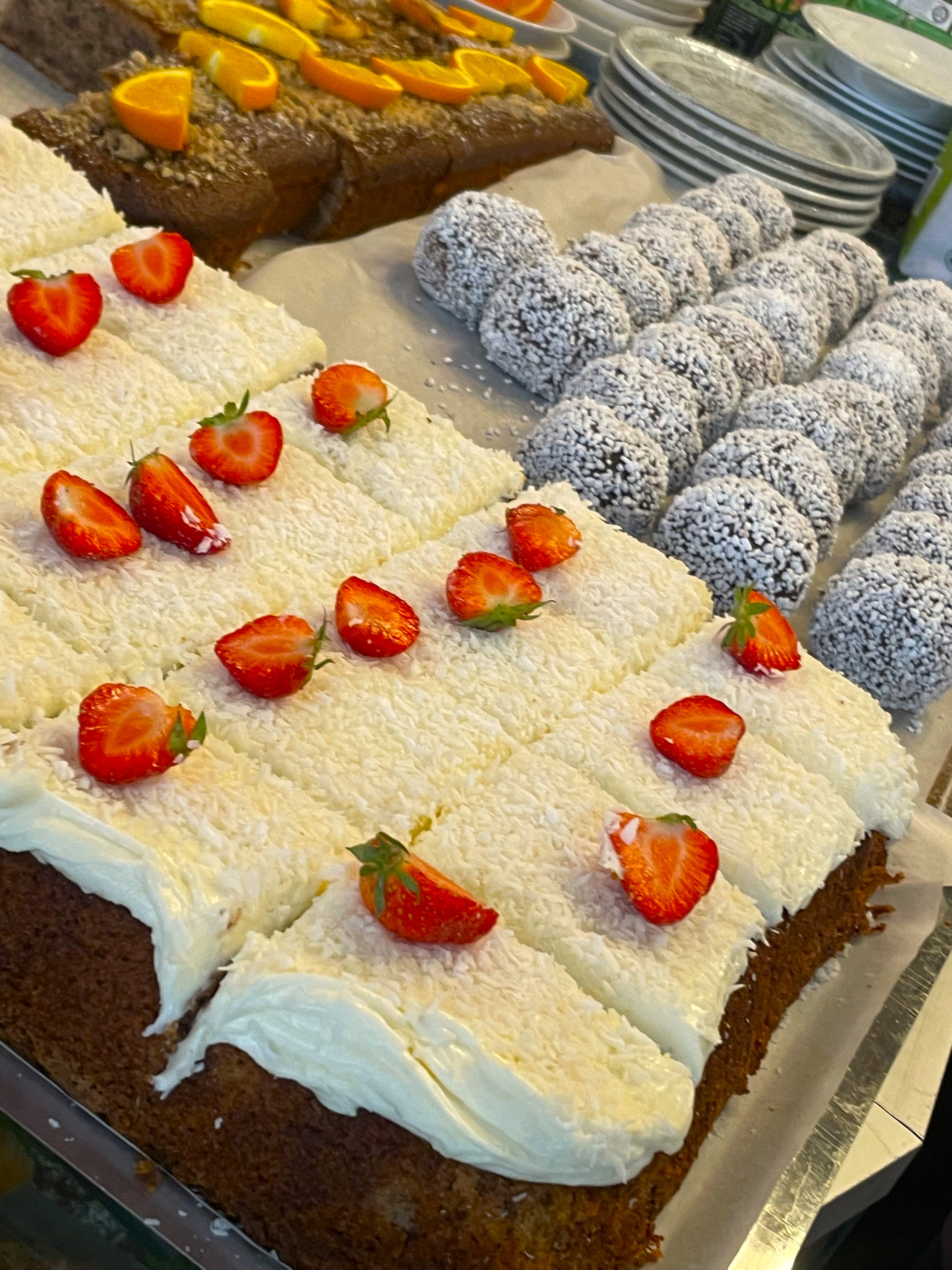
An early morning Stockholm arrival allowed for ample frolicking time. Yes – when in Stockholm, we frolick. Any opportunity to spend a few hours there is the stuff I dream of. The perfect half day experience is devised of: kanelbullar for breakfast, getting hopped up on ginger shots from the delightful Joe and the Juice chain, a snack of korv med bröd (aka hot dogs) from our favorite cart Oves Hjulkorv (Kungsgatan 43), and finally, a visit to the holy grail that is Svenskt Tenn (Strandvägen 5) for a dreamy lax lunch of toast skagen at their namesake cafe. Having to unglue myself from Stockholm’s streets, we boarded a much grander (than I imagined) Viking ship – replete with tourists like ourselves and many a group of Swedes and Finns – sports teams, stag dos – you name it. The boat was already boasting party vibes and we did not even depart Sweden’s shores yet.

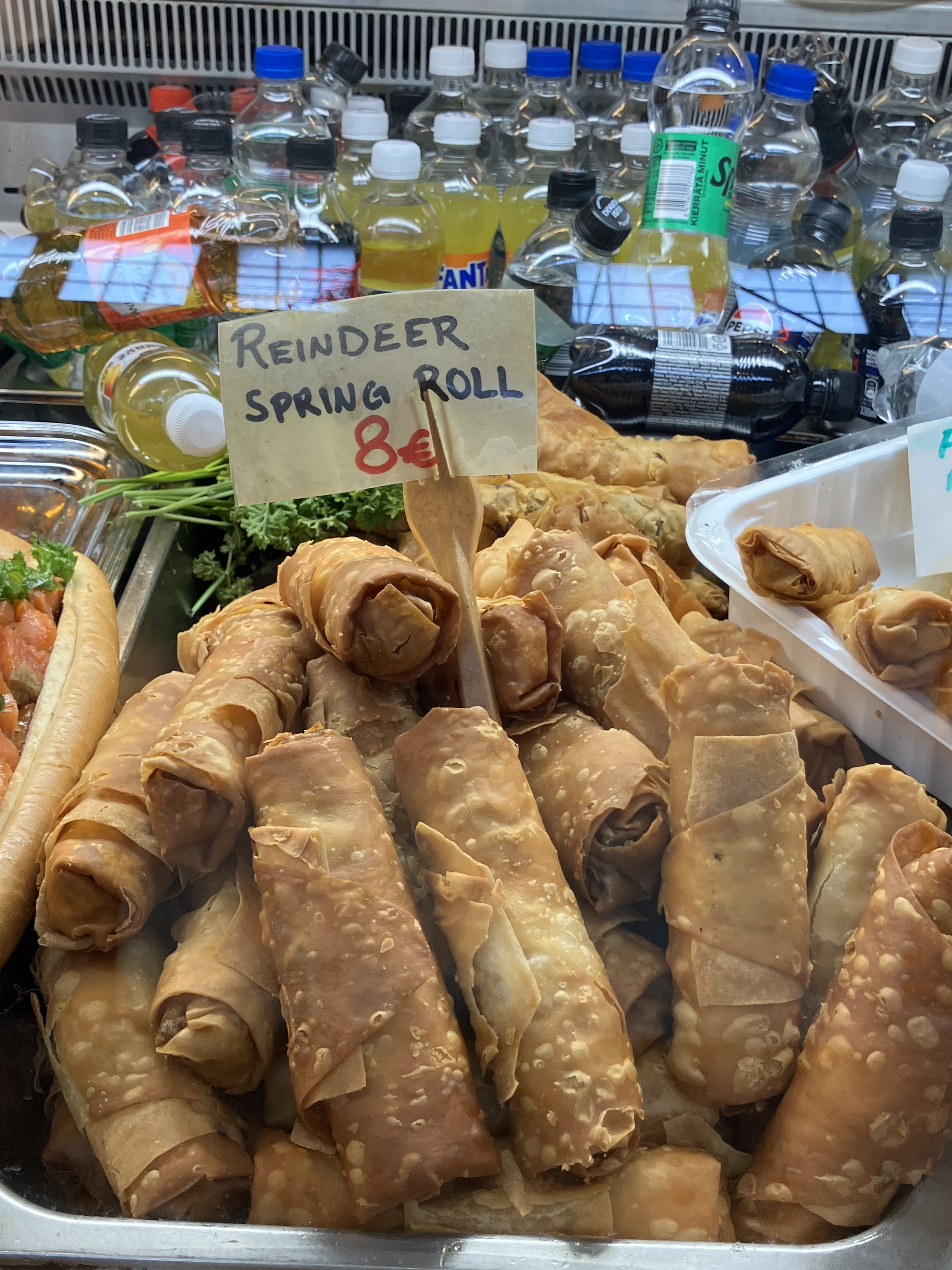
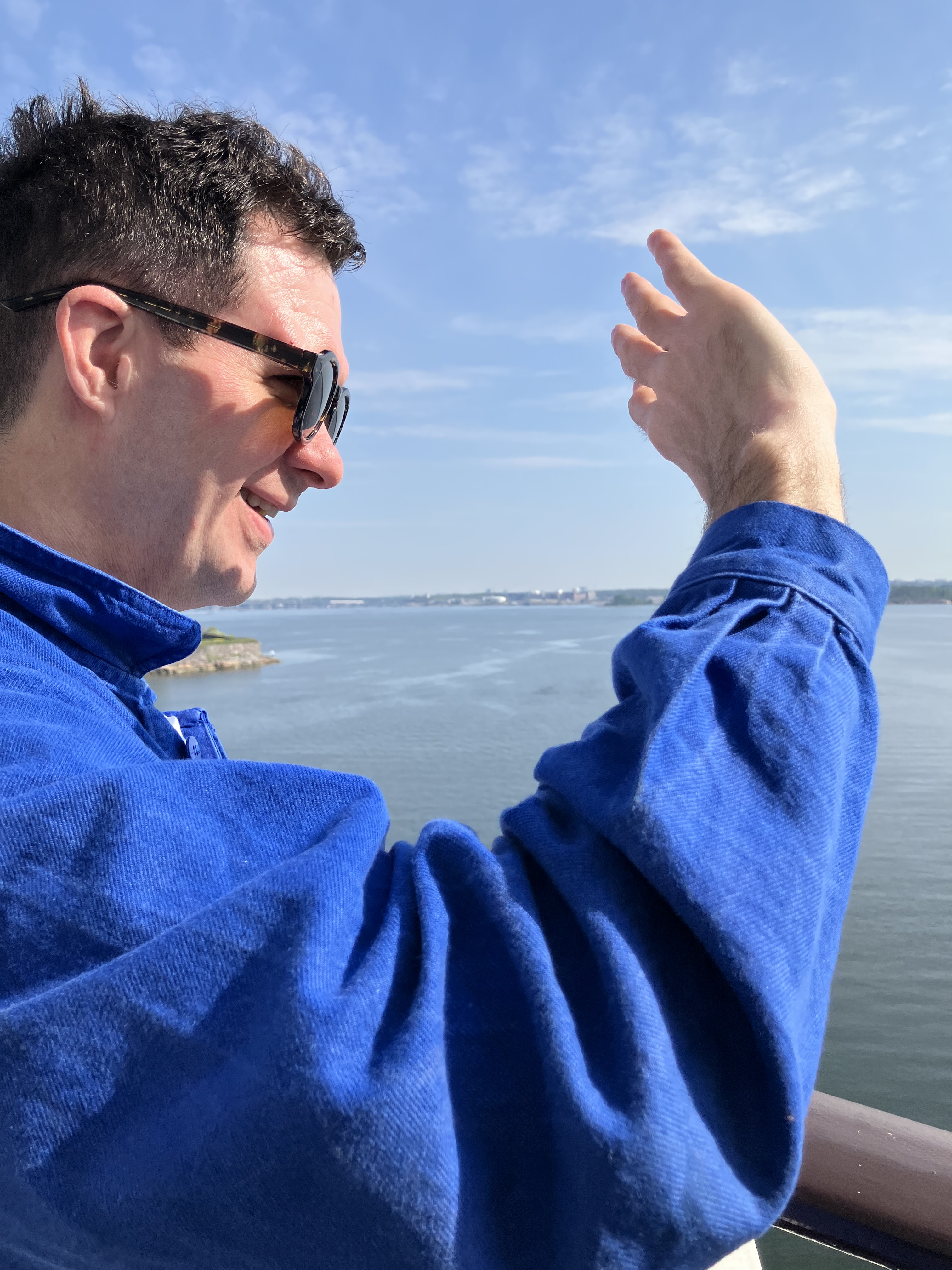
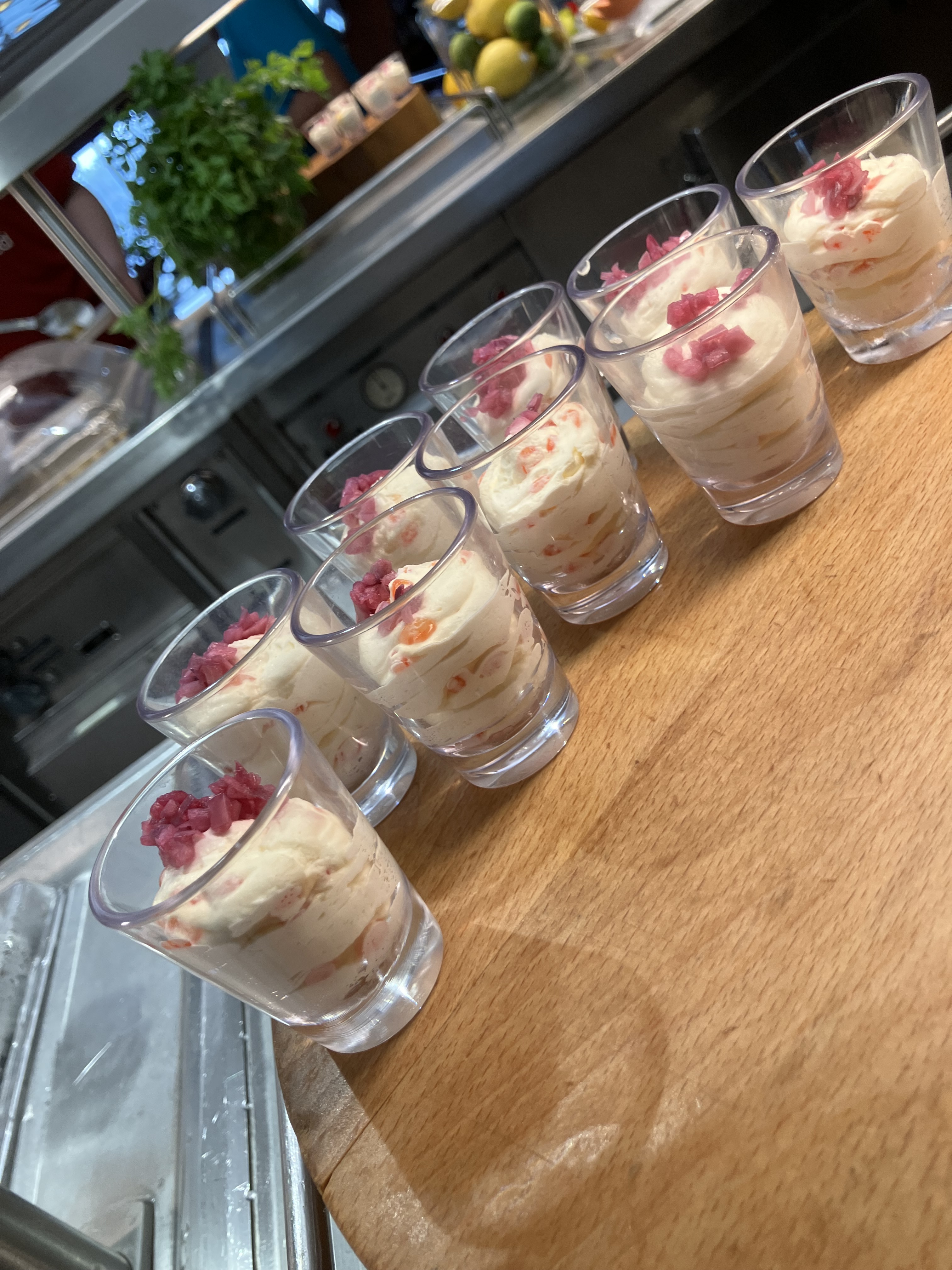
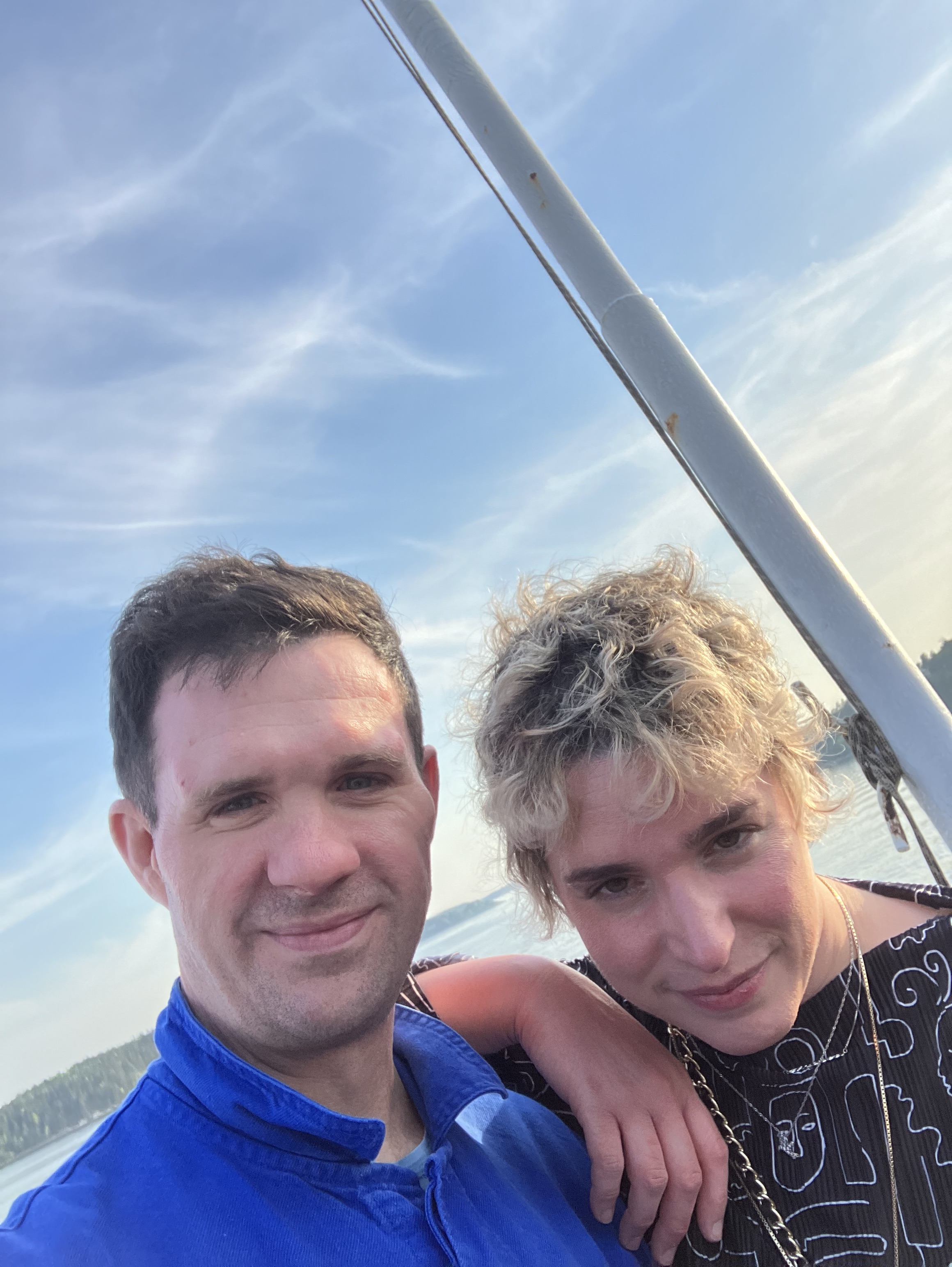
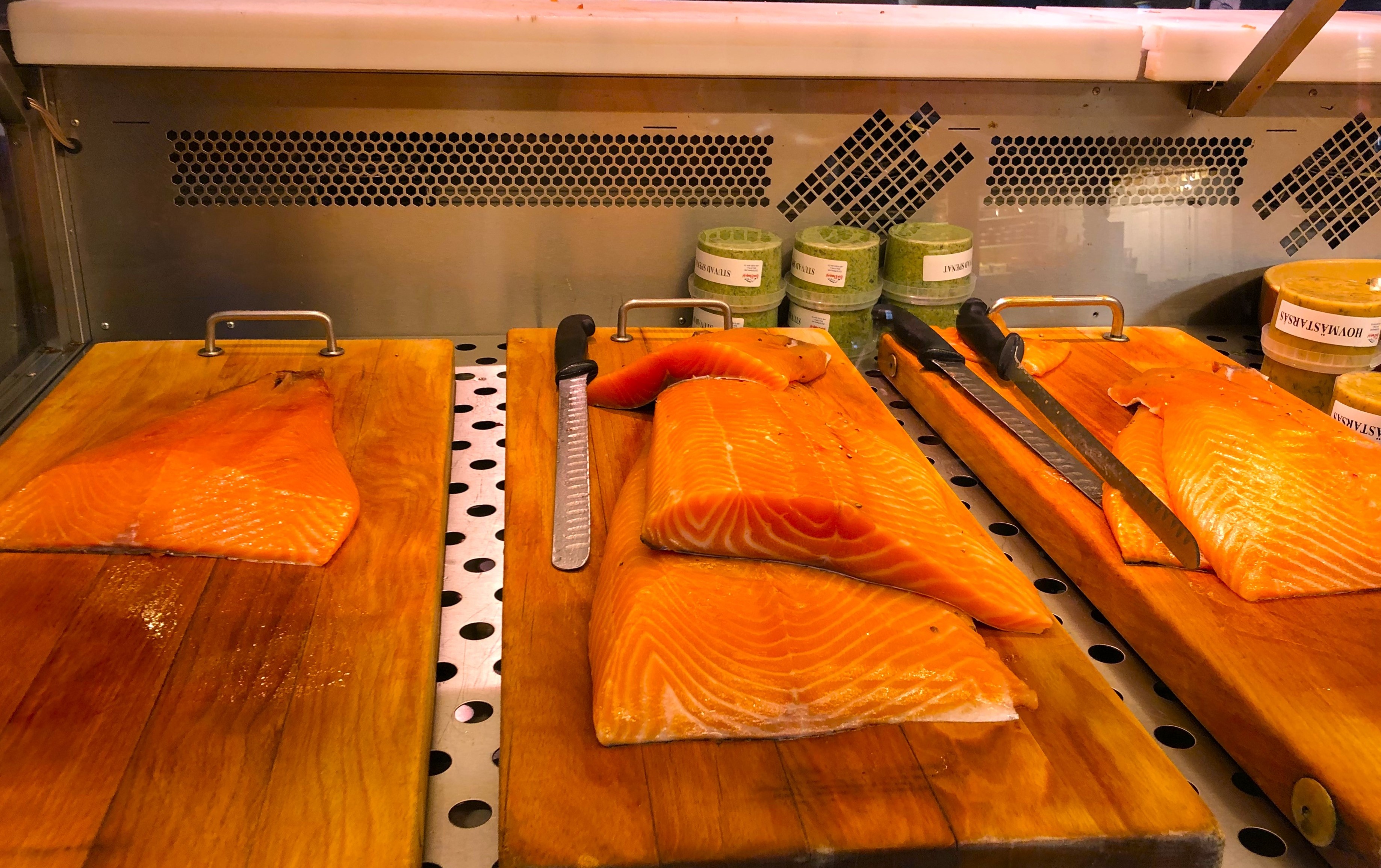
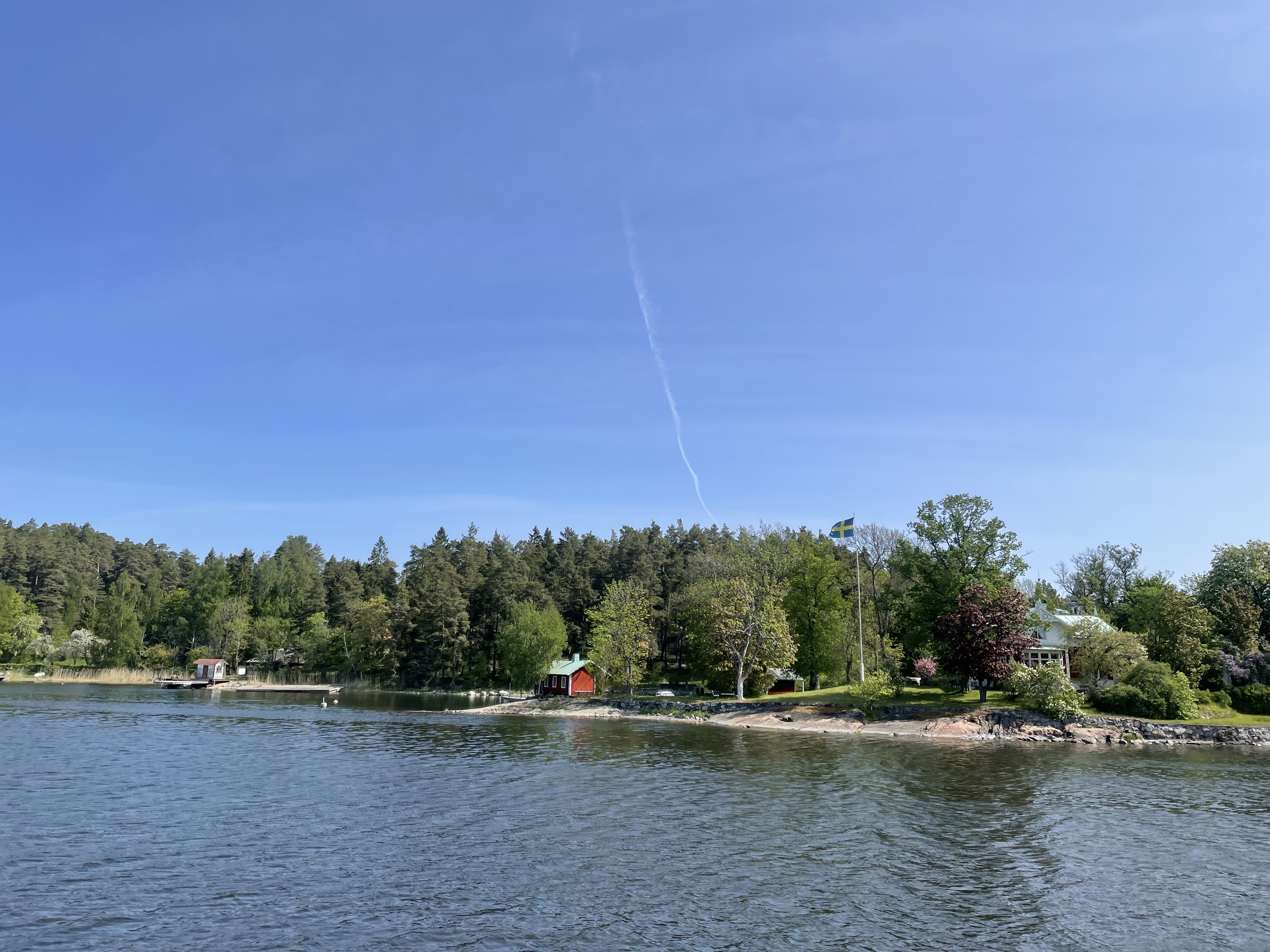
I had never taken a cruise before. But, my prediction of settling into a tiny room and an even tinier shower rang true. The tiny accommodations are a meager concern, as you’re spending the majority of your time dining and meandering around the ship. The lively dinner buffet is splattered with the colors of the Scandinavian rainbow – earthen tones for reindeer meat, the bright oranges of trout roe, and the beautiful hues of salmon – smoked, sauteed, etc. I love the balance of Scandinavian cuisine – an even-keeled offering for carnivores and pescatarians alike. Dinner turned to drinks on the deck – gazing at the true blue waterways of the Baltic, dotted with classic red cabins nestled amidst swaths of lush, verdant pines. As the sky began to dull from blue to gray, we turned inwards to the disco, with partygoers dutifully singing karaoke to anything from ABBA to Frank Sinatra, increasingly clouded by fumes from the smoking nook perched above the bar.

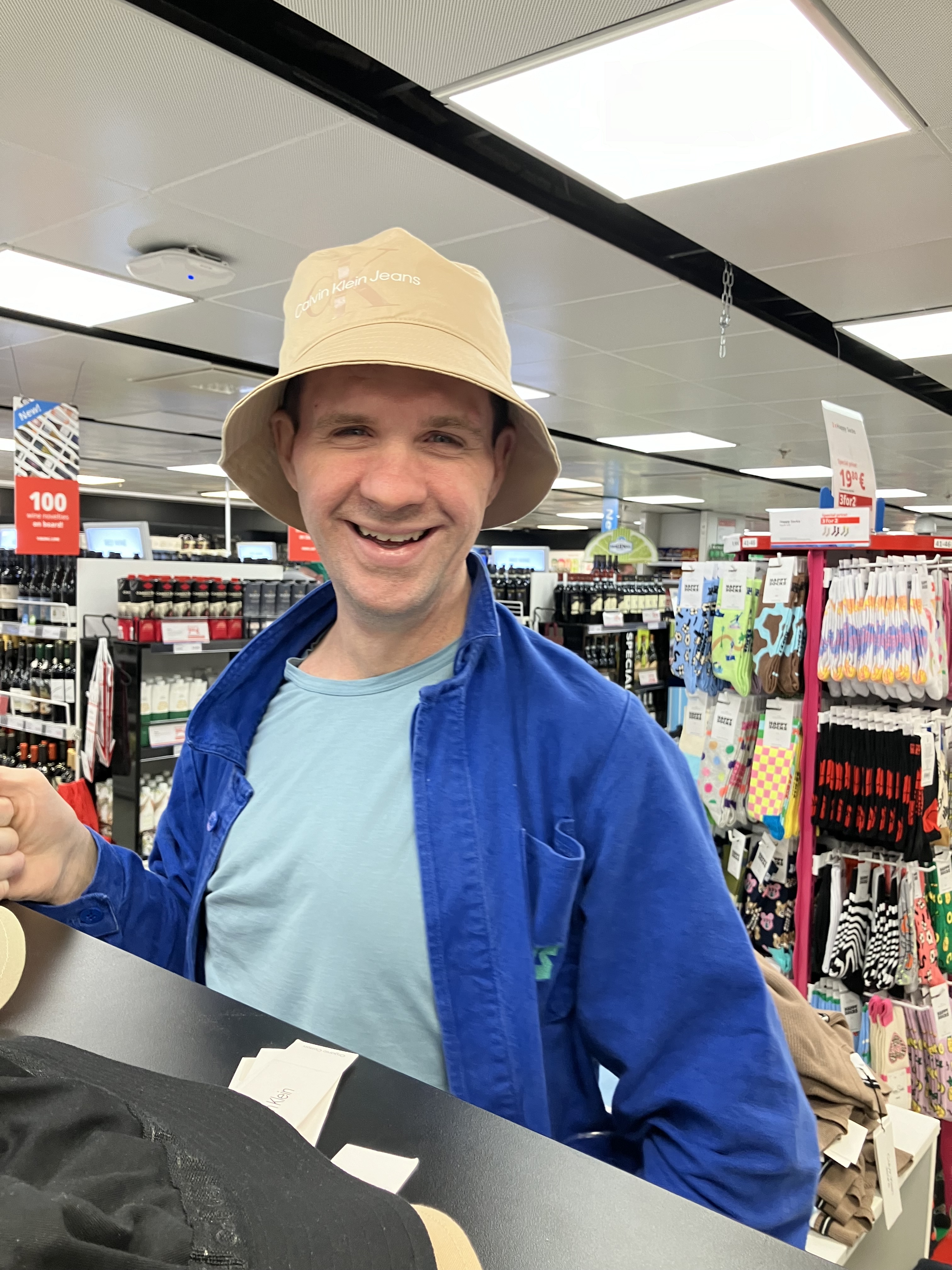
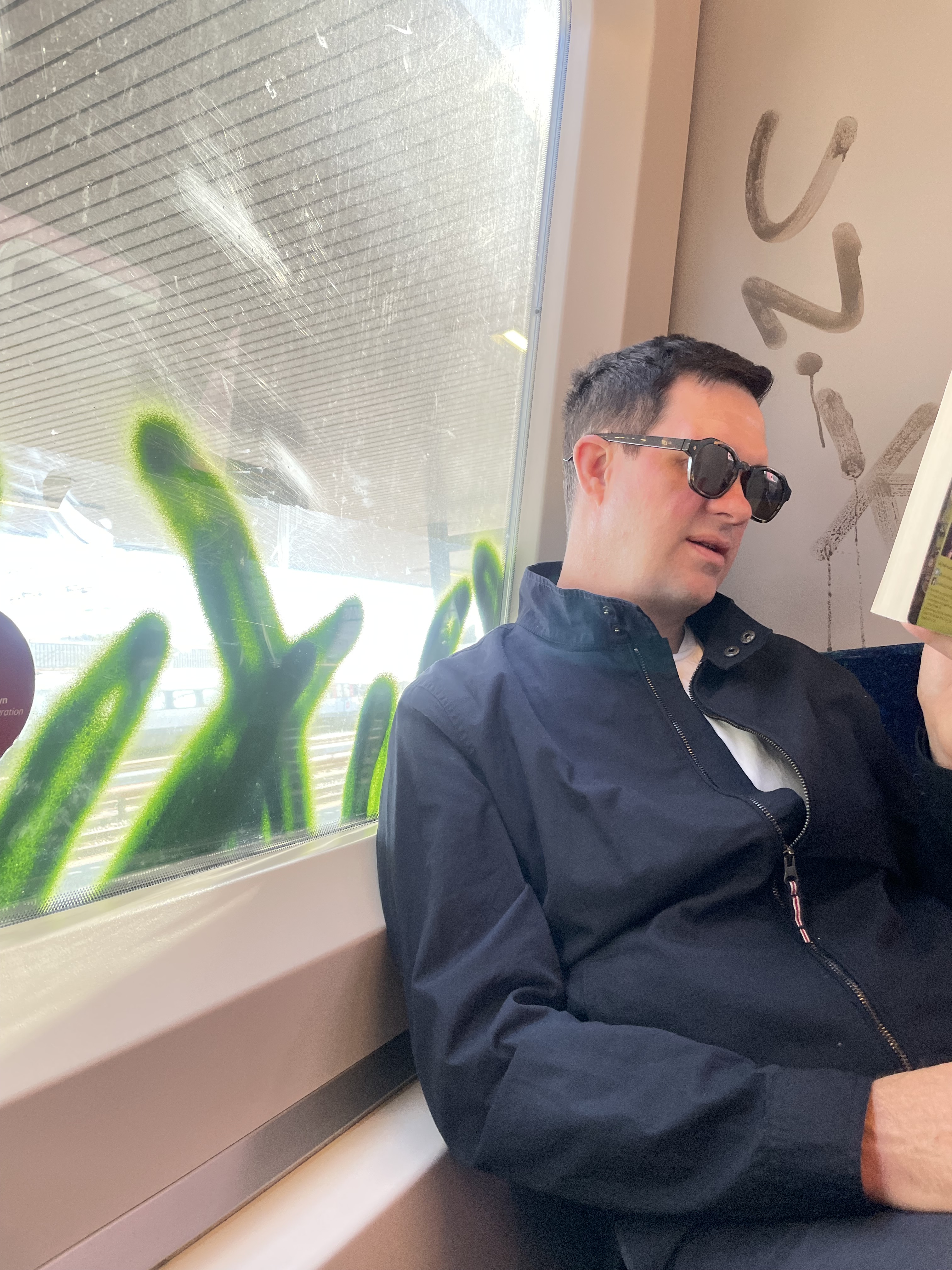
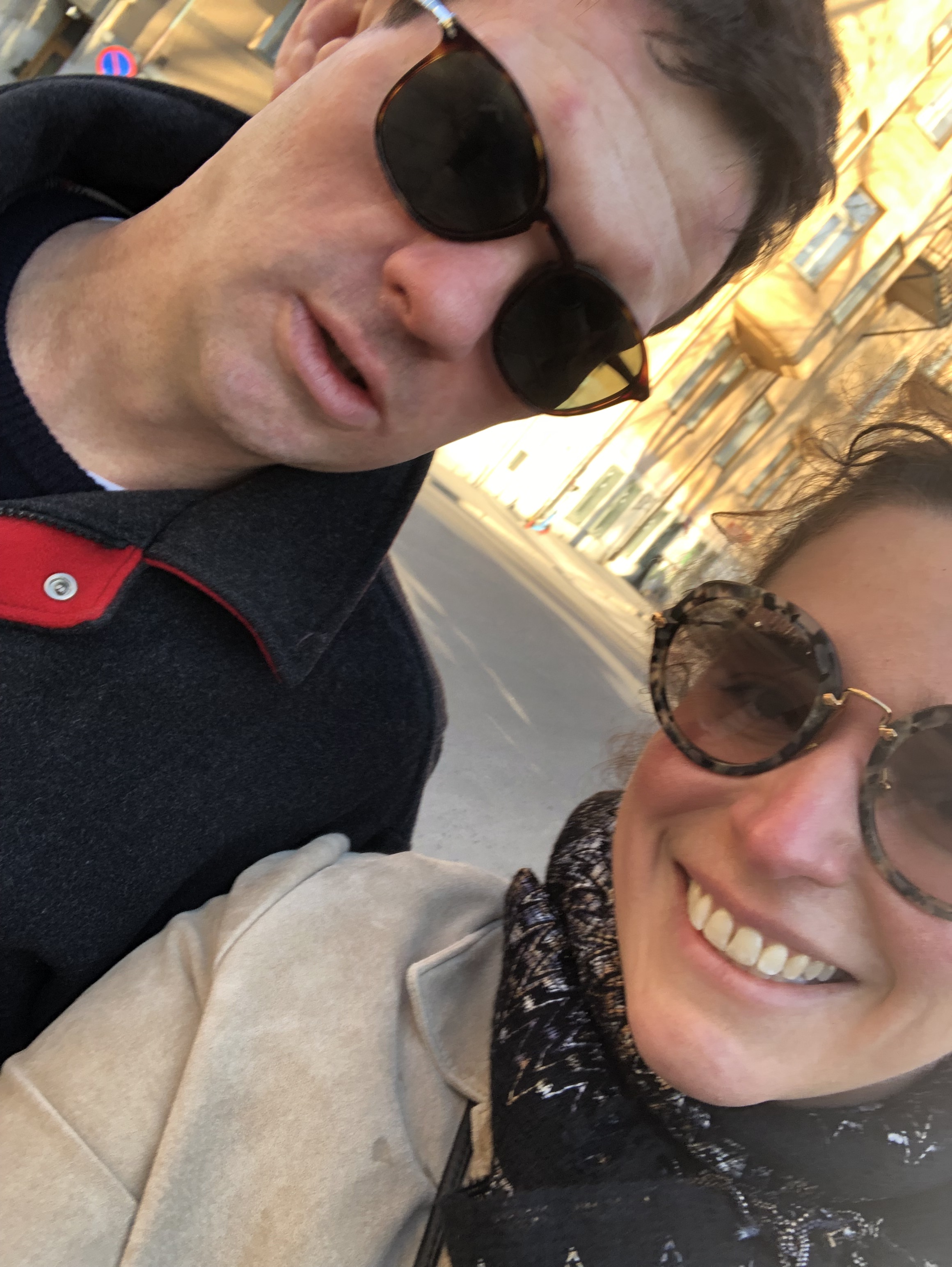
As one does at this point in the night, we made our way to the expansive duty free shop. Maybe it was being a few lagers into the evening or the weird feeling one gets with lack of window access, but we were compelled to buy mementos as we swung our wagon through the aisles laughing like giddy teenagers. I walked out of said shop wearing sky blue aviators, Tim in a bucket hat, and Amy crouched in a corner eating a giant Toblerone.

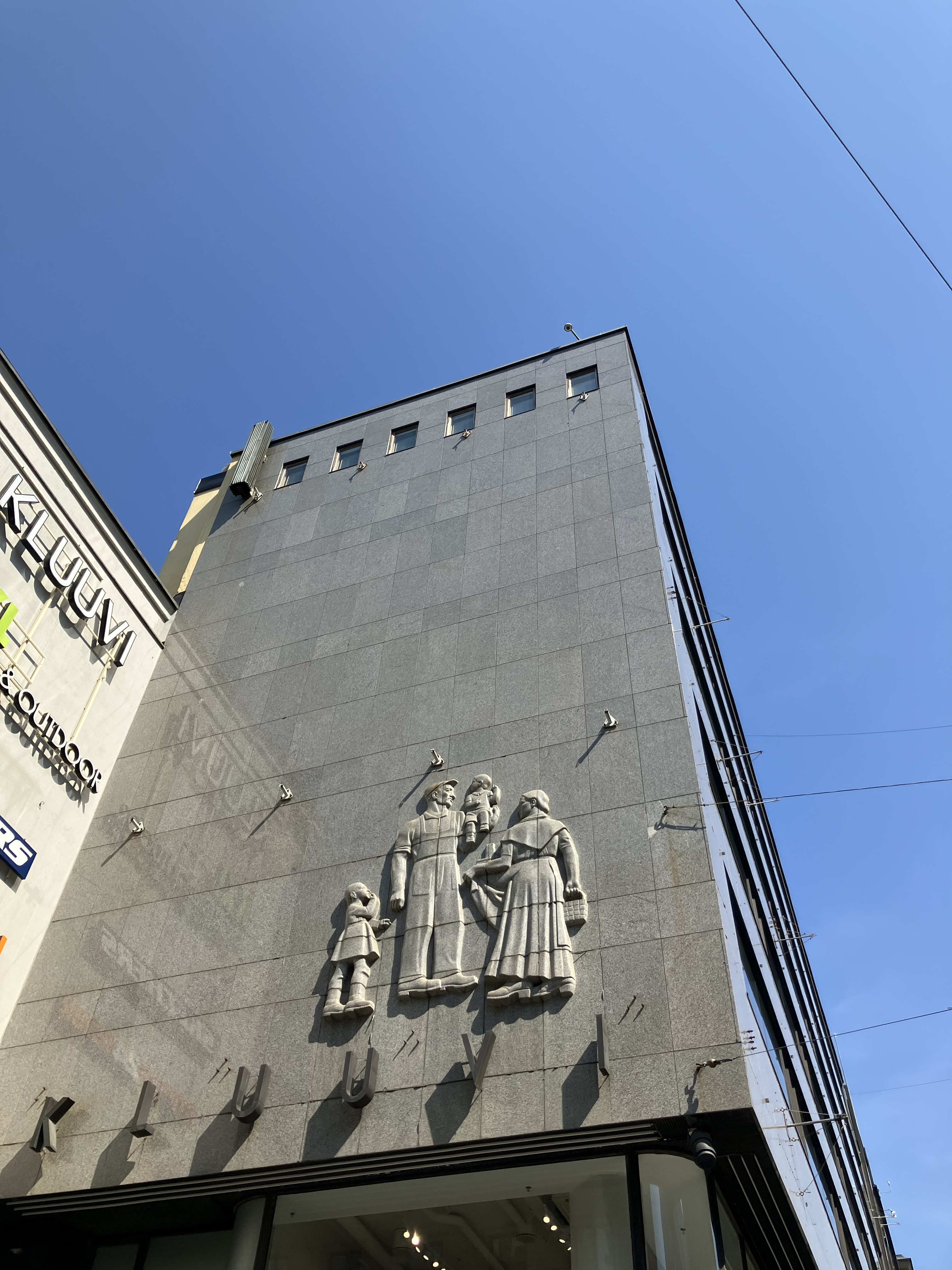
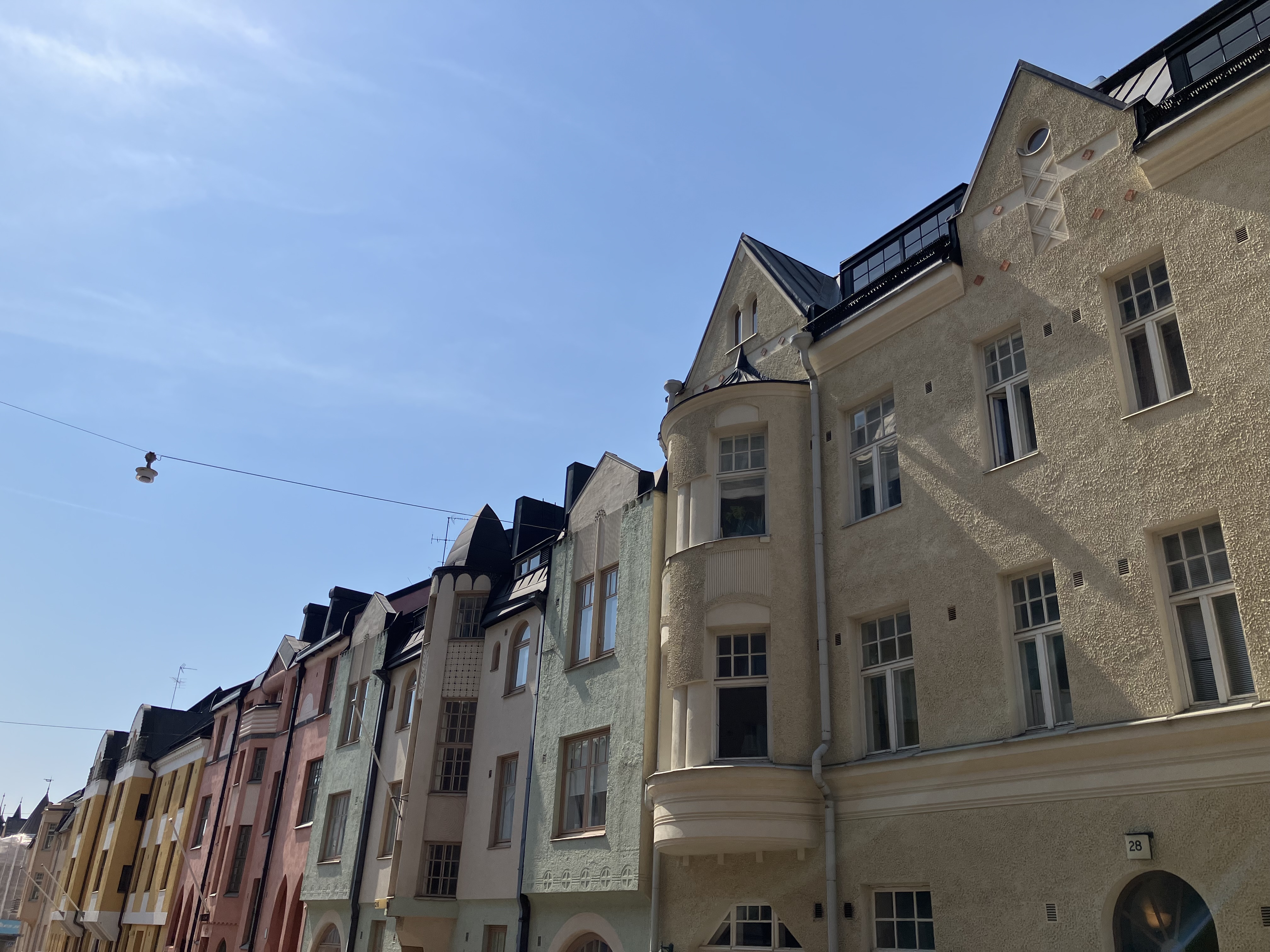
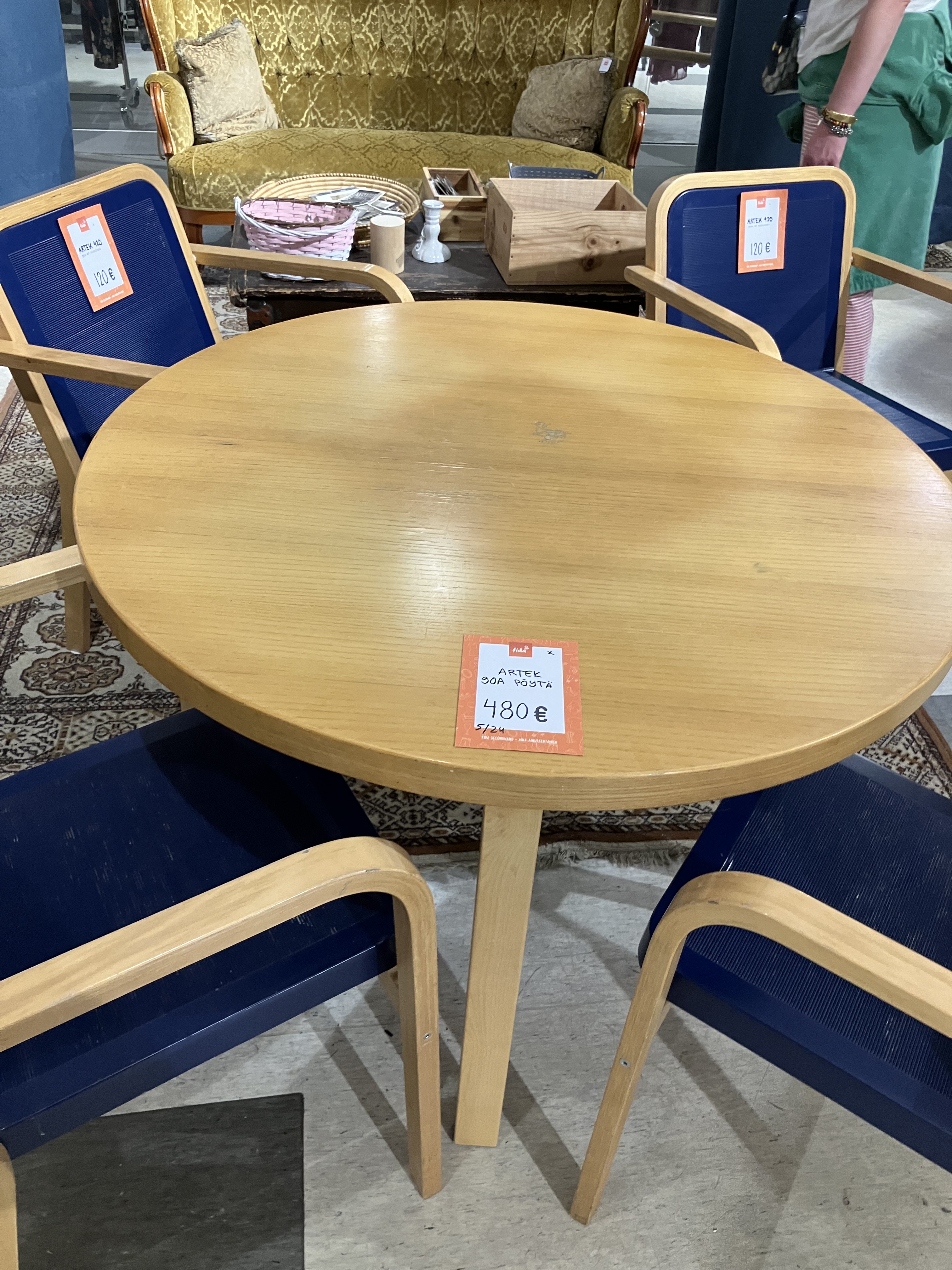
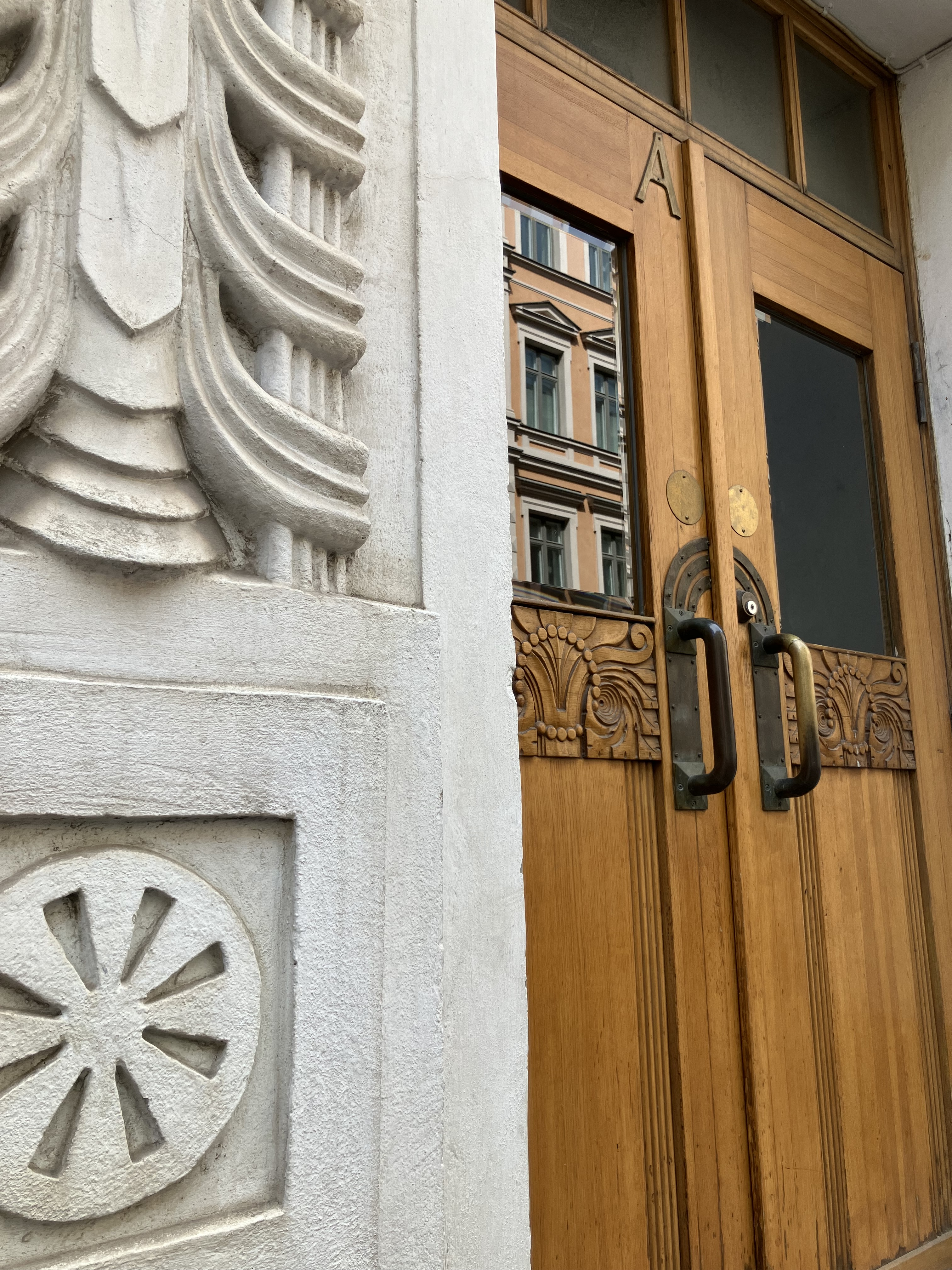
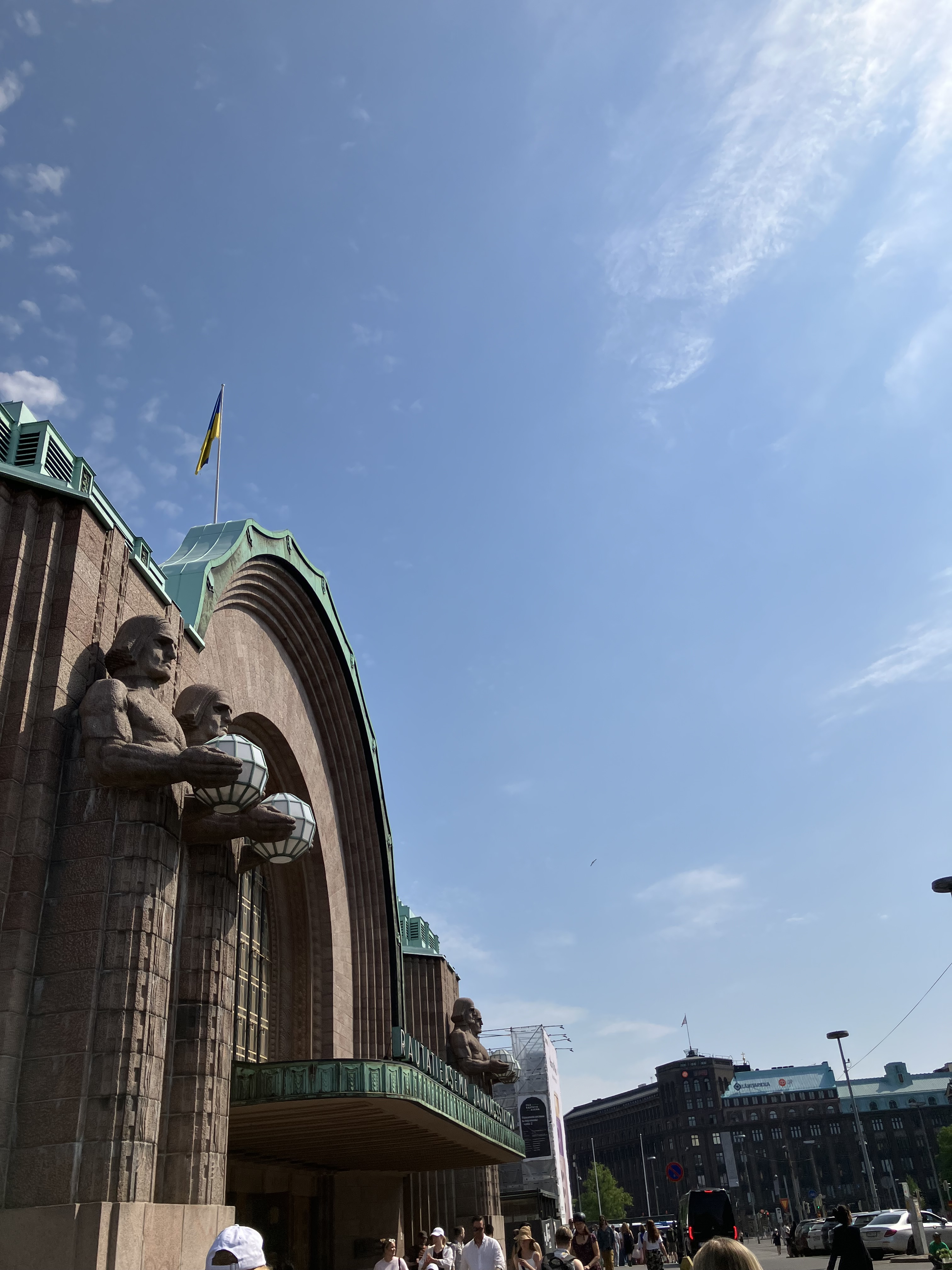
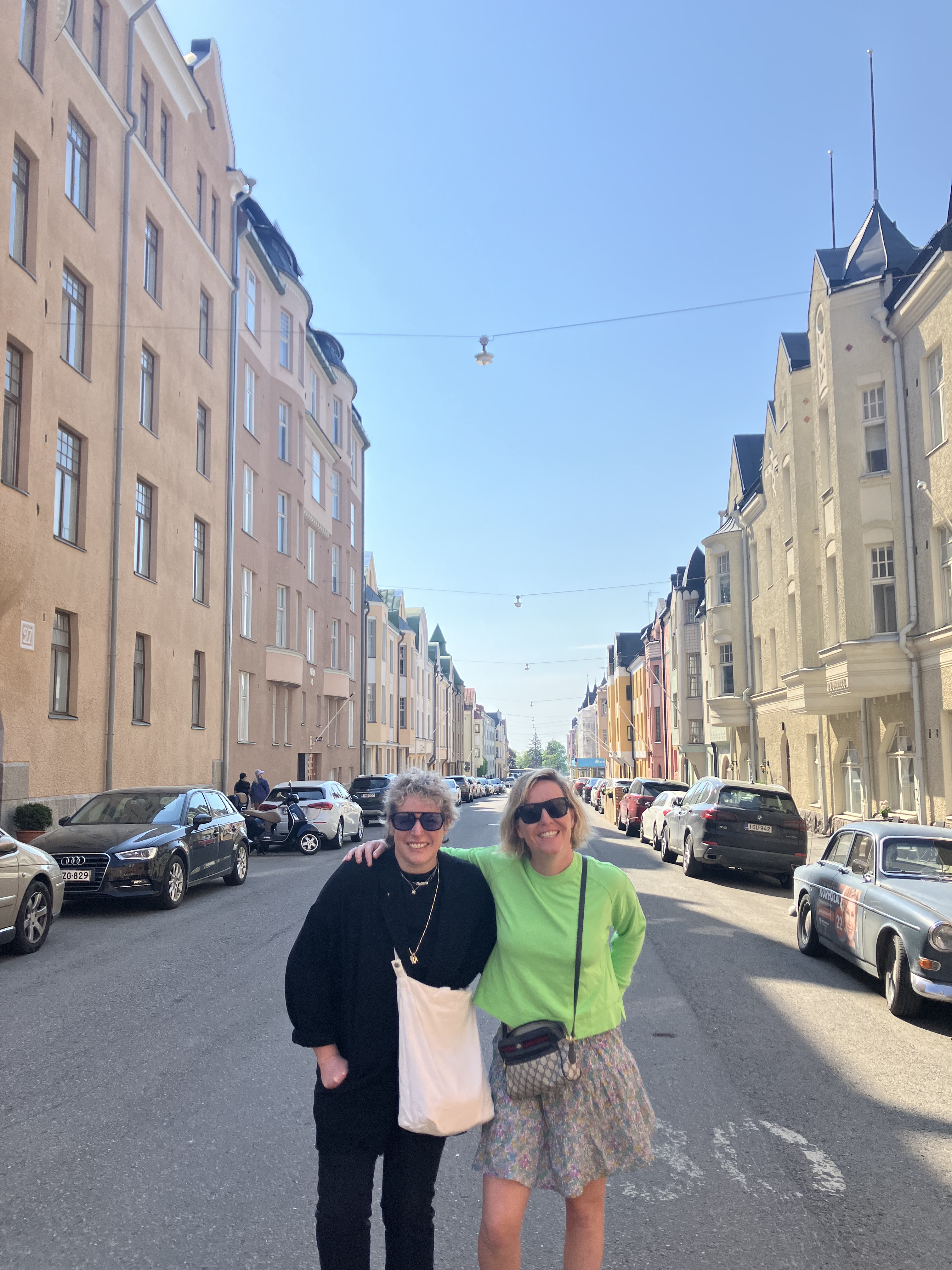
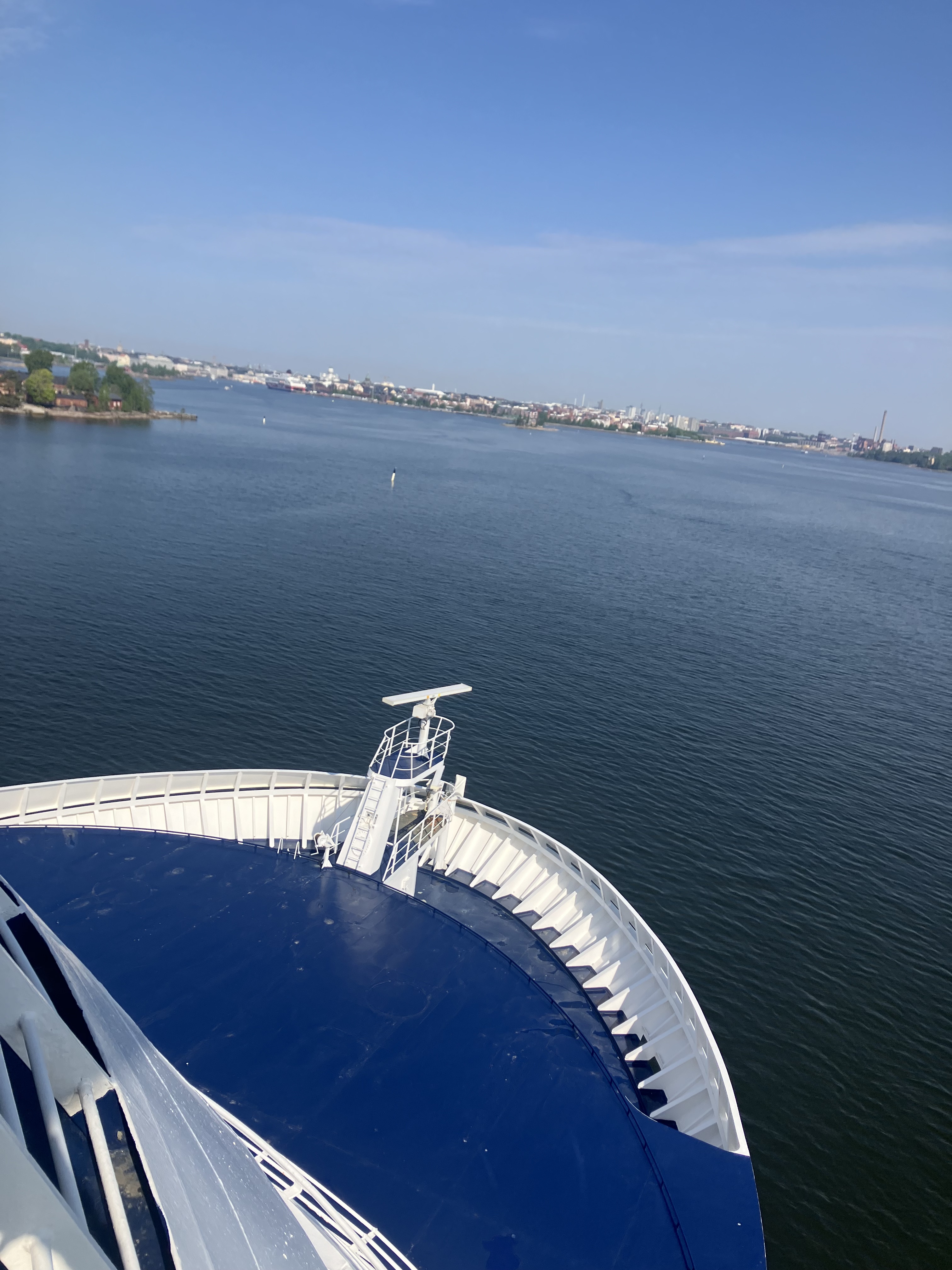
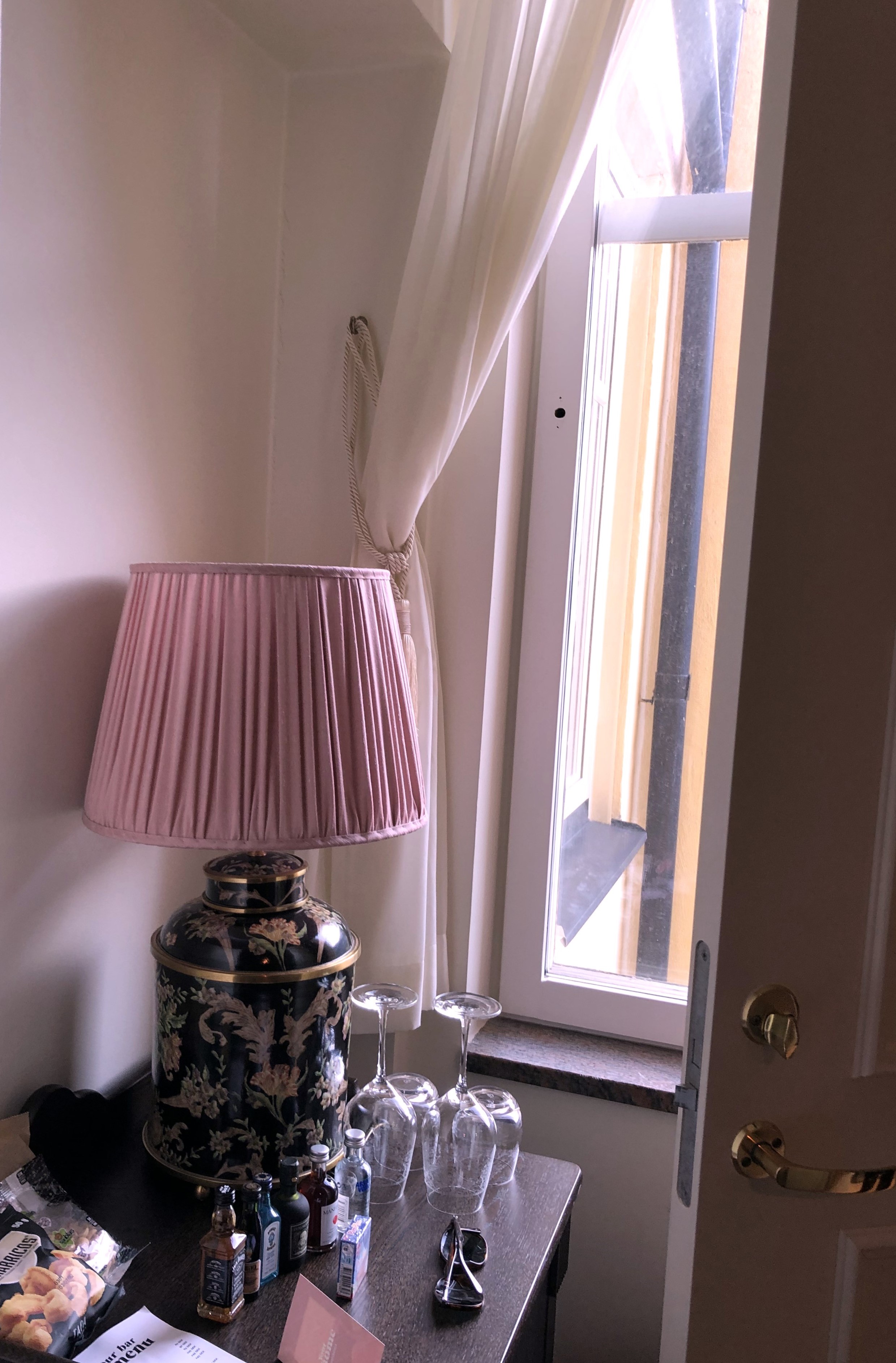
Safe in our sleeping quarters, we awoke to the blue skies of Finland, followed by another assault on the buffet, with the shoreline fully in view. Spending two days in Helsinki felt like a good starter for a hopeful return. I had always envisioned Helsinki as a two-sided coin. One side is the tattoo-clad, black metal-tinged town that heartily endures the endless winter darkness. The other side is of endless summer daylight and images of whimsical Moomin characters. All stereotypes of course, and Helsinki is a complicated place that wears many faces agnostic of the seasons. Walking around, you’ll notice that brutalist Finnish architecture is complimented by the delicate designs from the grandfather of modern Scandi design (and a personal favorite), Alvar Aalto. Staying at the Hotel Helka (Pohjoinen Rautatiekatu 23), you’ll find every ounce of space ensconced in Aalto/Artek designs, and it was truly a top fiver of a hotel room that I never wanted to leave.

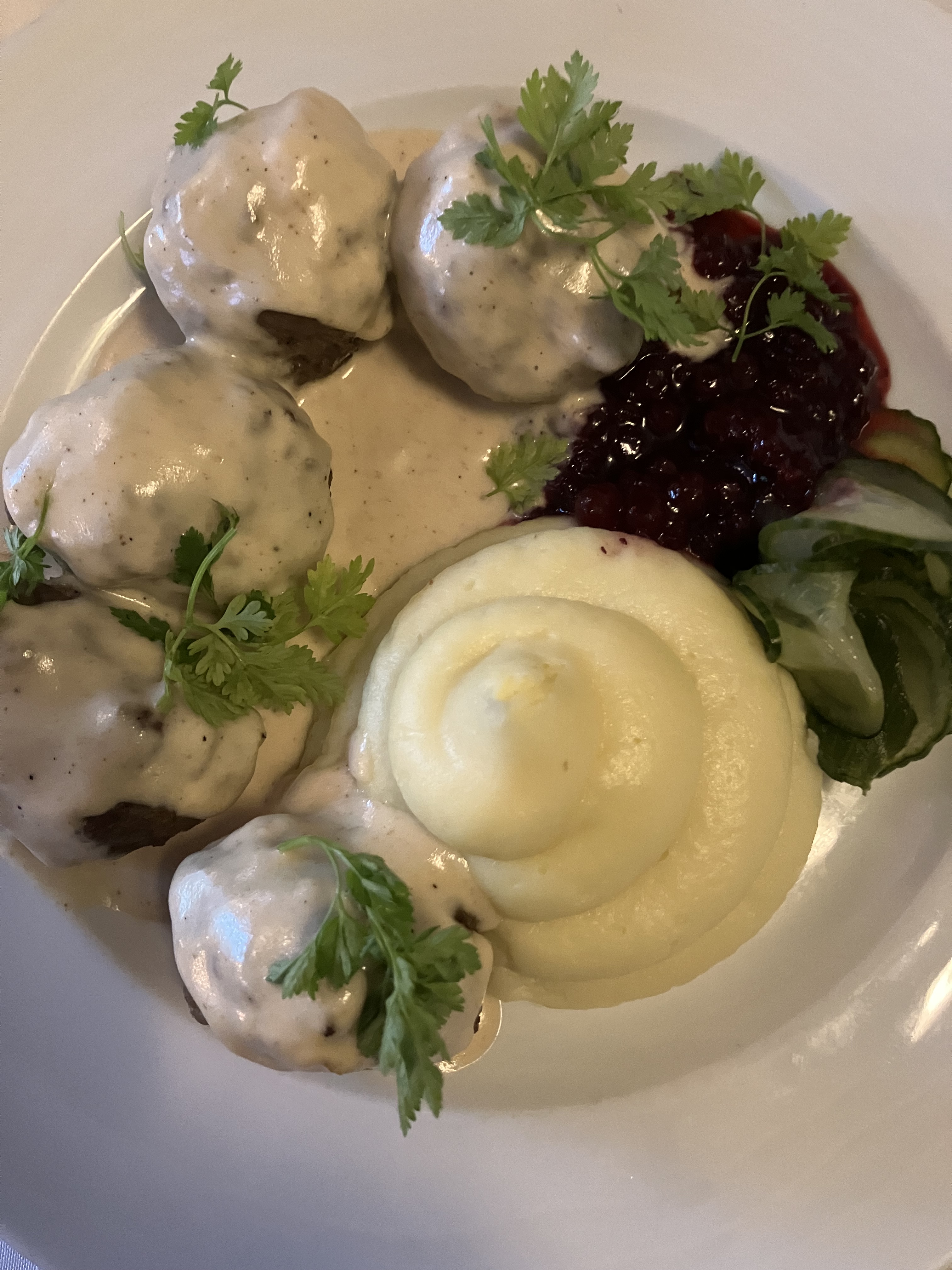
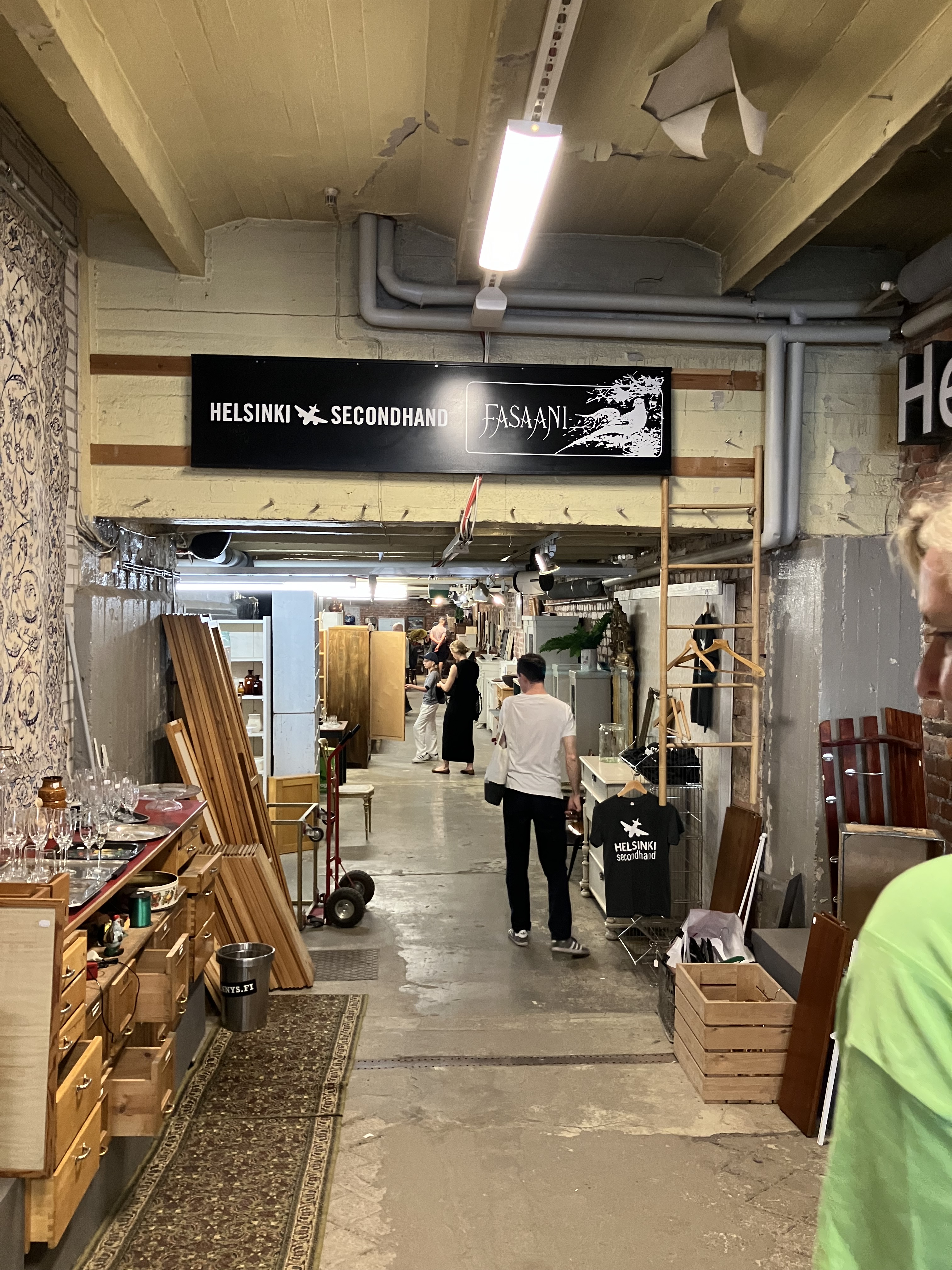
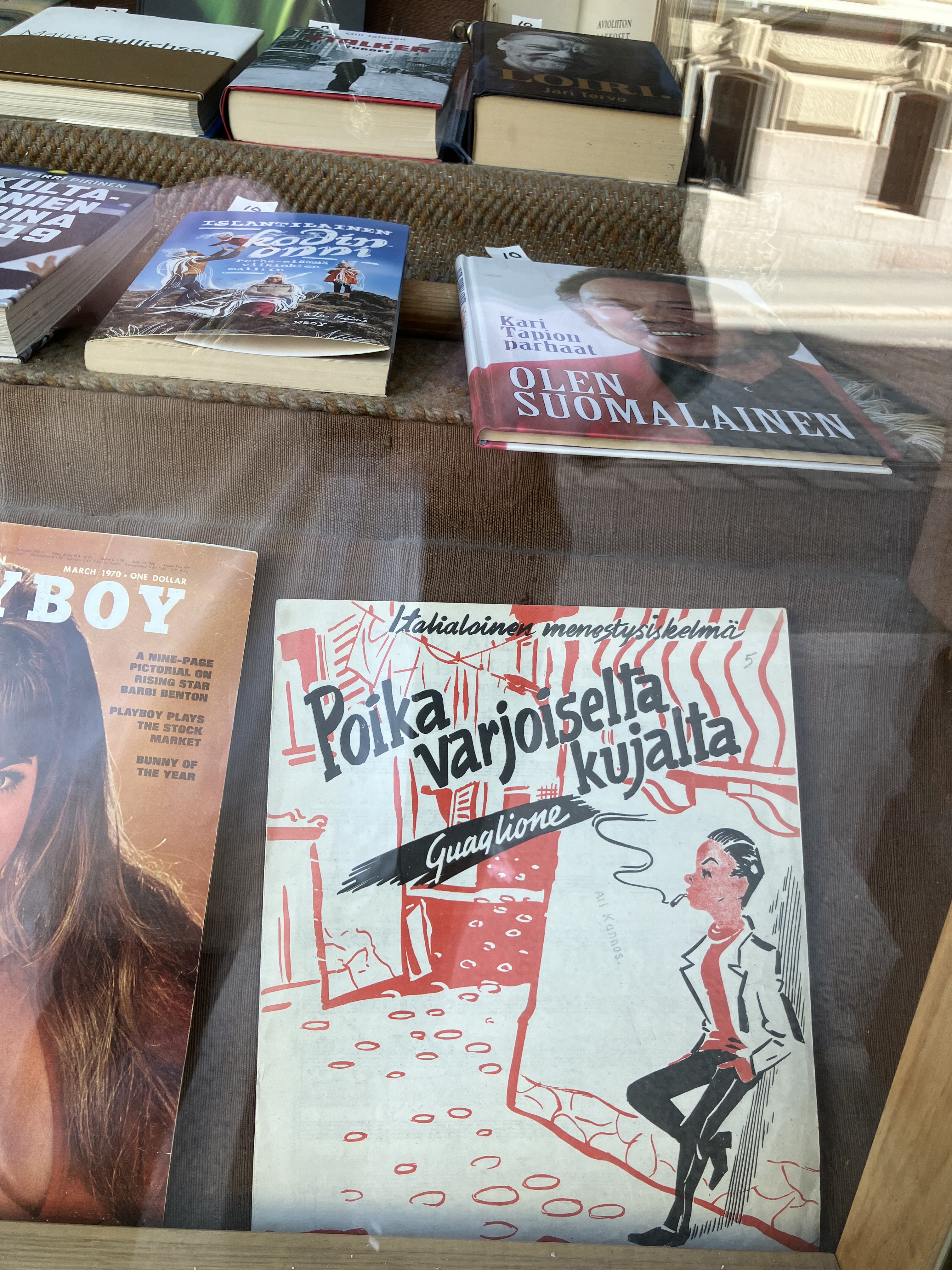
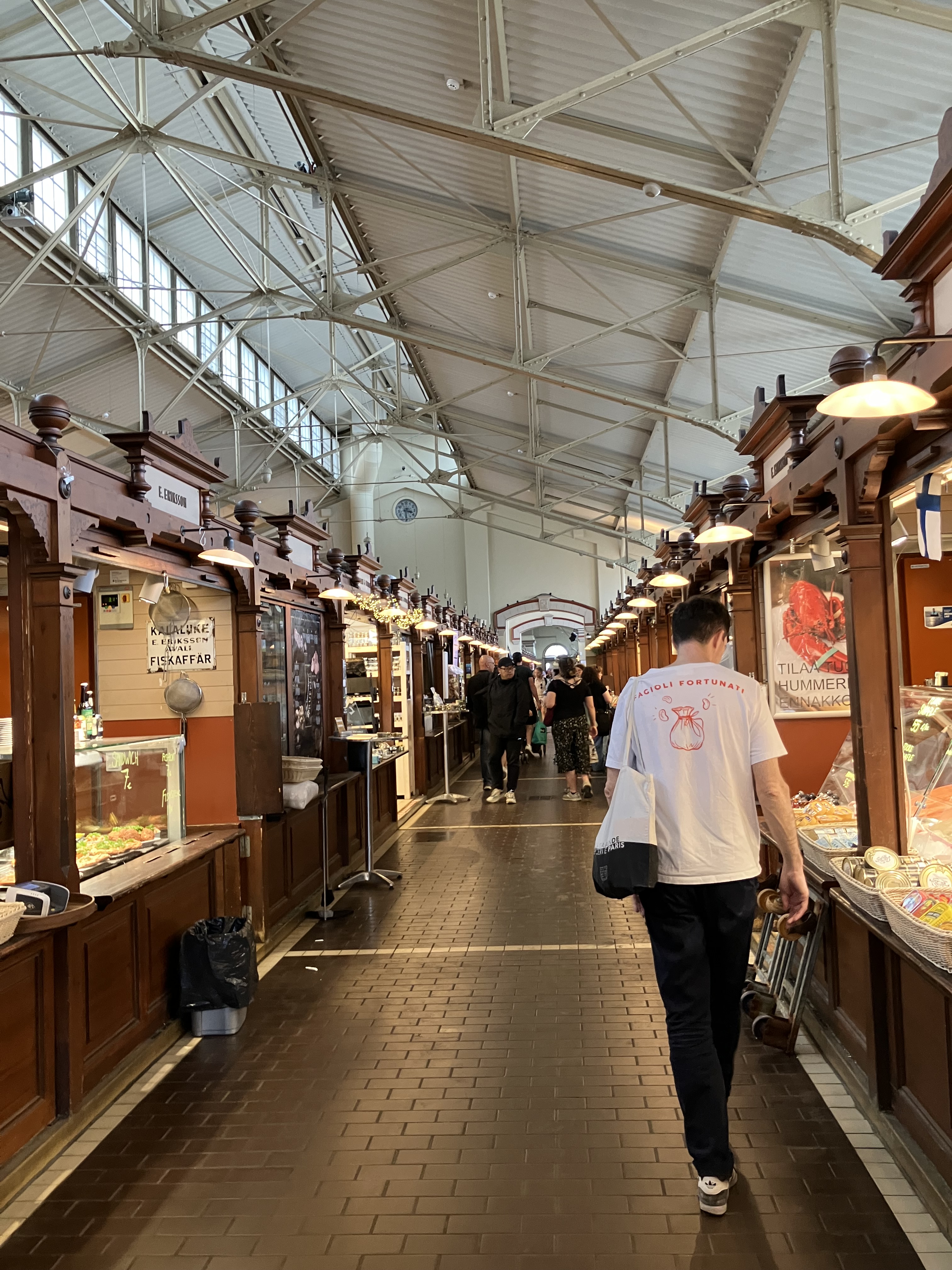
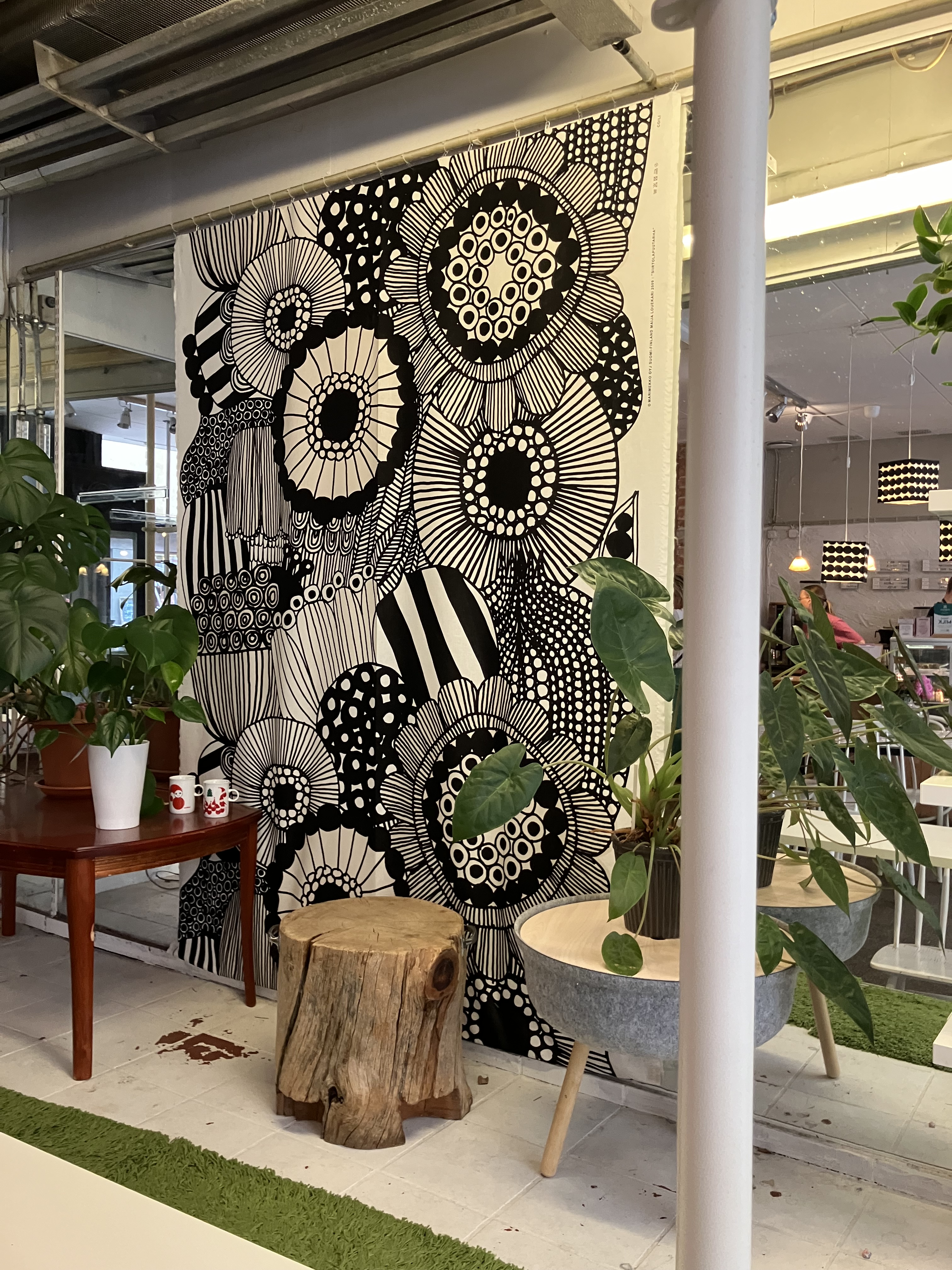
Antique shopping is a best-of for Artek, Iitala, Marimekko, Moomin, and much more. The best experience was at the expansive treasure trove Helsinki Secondhand (Korkeavuorenkatu 5). Search hard enough and you’ll find exceptional goods – from limited edition signed 1970s Iitala pieces to rare cuts of vintage Marimekko fabric. While I still see Stockholm as my shining star of Scandi dining, Helsinki had memorable meals of the standards – comforting meatballs and some of the most pillowy mashed potatoes I ever had at Restaurant Sea Horse (Kapteeninkatu 11).

Two days in Helsinki were followed by an early morning flight back to New York via Stockholm. Thanks to the pleasantries of Scandinavian travel, even when you’re running from station to station, airport to airport, you’re always met with above par amenities to make the experience feel civilized and miles away from the chaos that modern day travel can bring.

Quando Napoli ci ha rotto

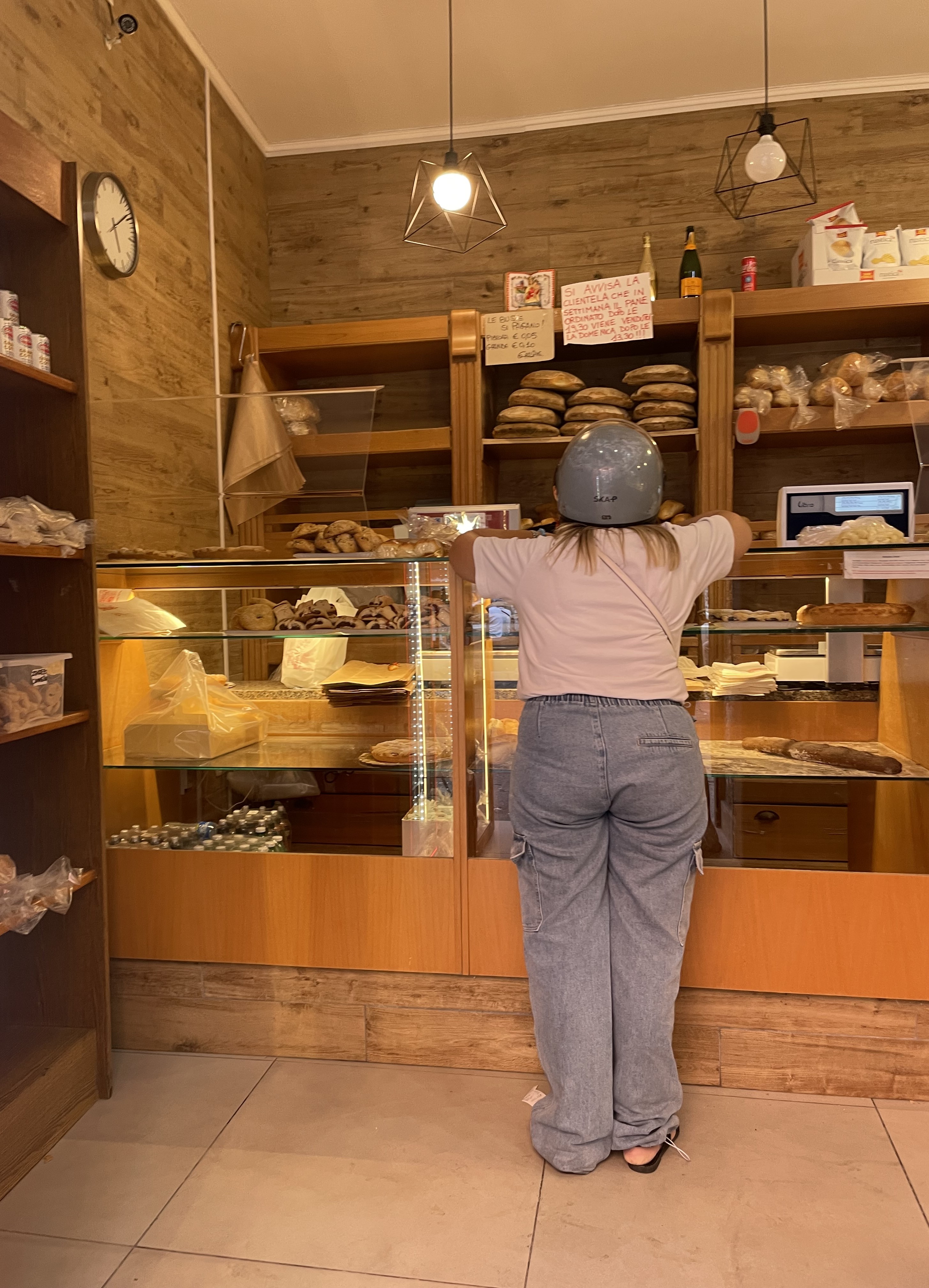
How a trip can go from sheer exhuberance to feeling physical pain is never a surprise when you add up the factors: too much bread, summer, Italy, southern Italy, summer, HOT, heat – and again – too much bread. It has clearly taken me a long time to reflect on my first visit to Napoli, a city that took me to the highs of energy, inspiration, and reflection, only to depart feeling so tired and overwhelmed I needed time to process this experience.

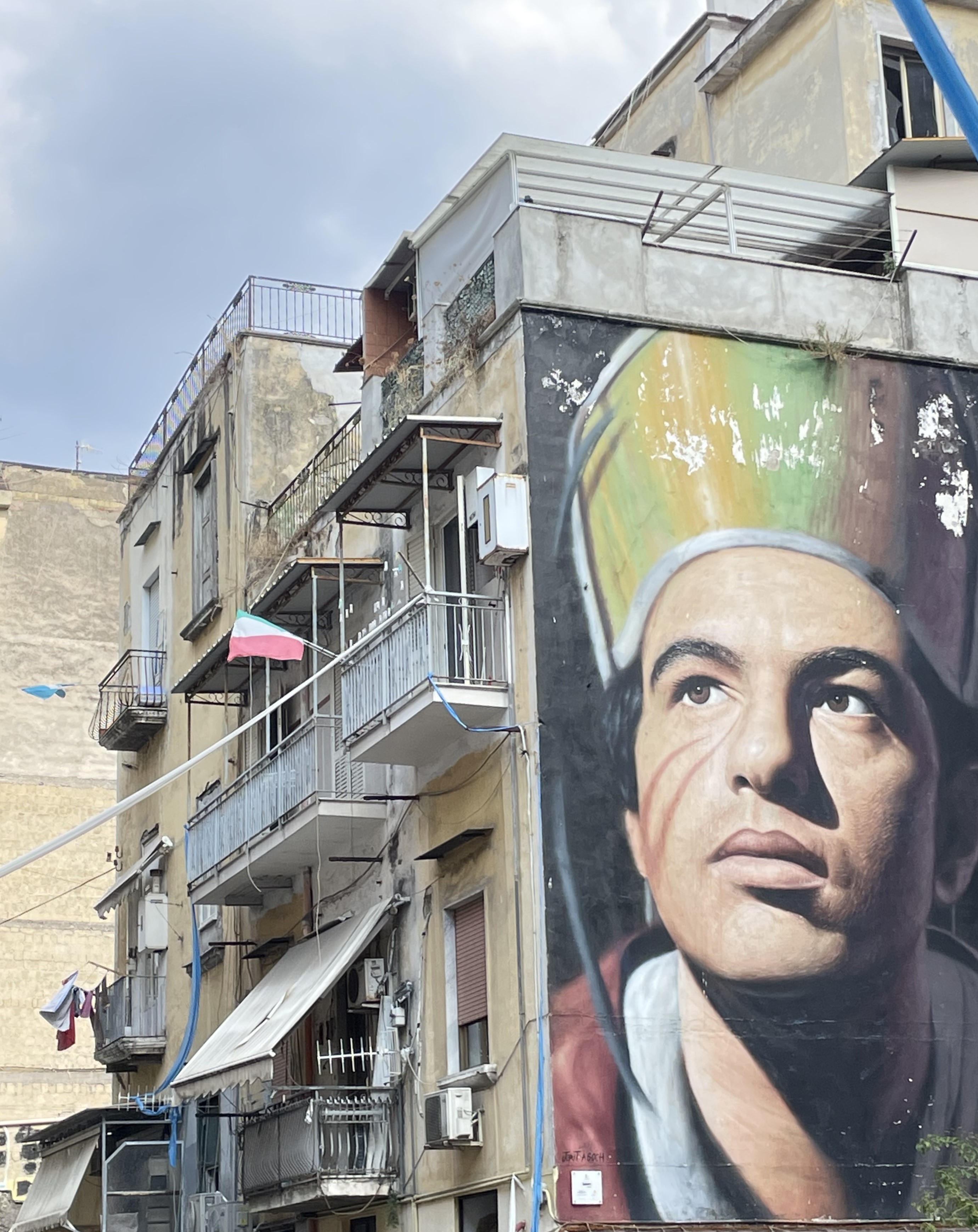
I grew up always thinking about San Gennaro and the ritual of his liquefying blood that basically is responsible for keeping Napoli in one piece. Also hot-blooded, I busted into Napoli with so many reservations and stereotypes floating around in my mind. The usual horror stories Americans tell of winding down the wrong mandolin-soundtracked alleyway at night, getting in the thick of some local gangland feud, or, simply being pancaked by Vespa culture still shockingly reign supreme.

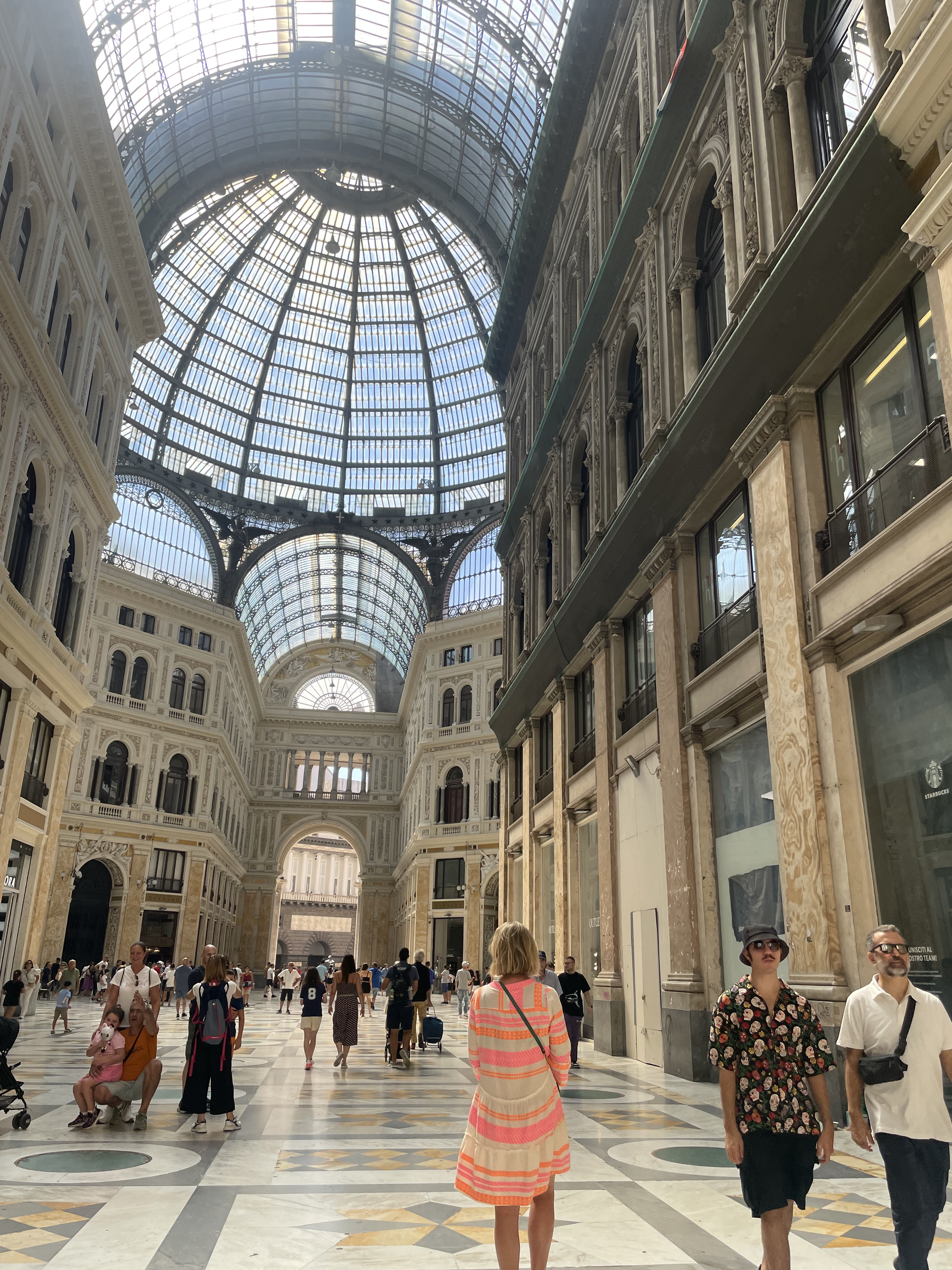
Ready to experience the ups and downs, we marched into town only to feel all the tired tropes melt away and embraced the instant burst of life that smacks you in the face. The train station was modern and had a Hudson News shop [hello, Penn Station?], without the piccoli scugnizzi waiting to mug us. Sure, we should have taxied to our accomodation, but walking through the area skirting the train was doable and not “dangerous.” The only dangerous thing was sweating profusely thanks to the energy-sapping heat.

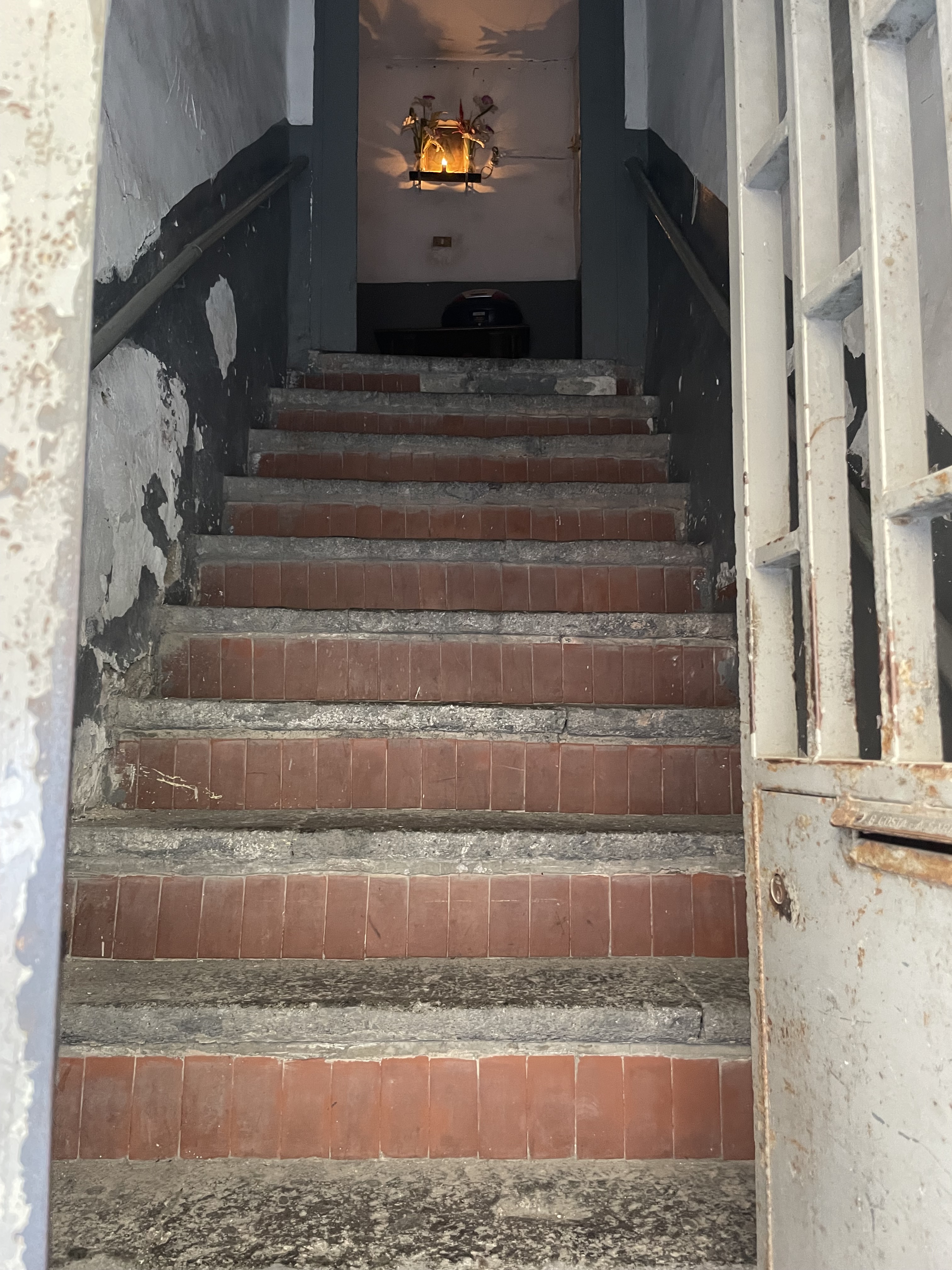
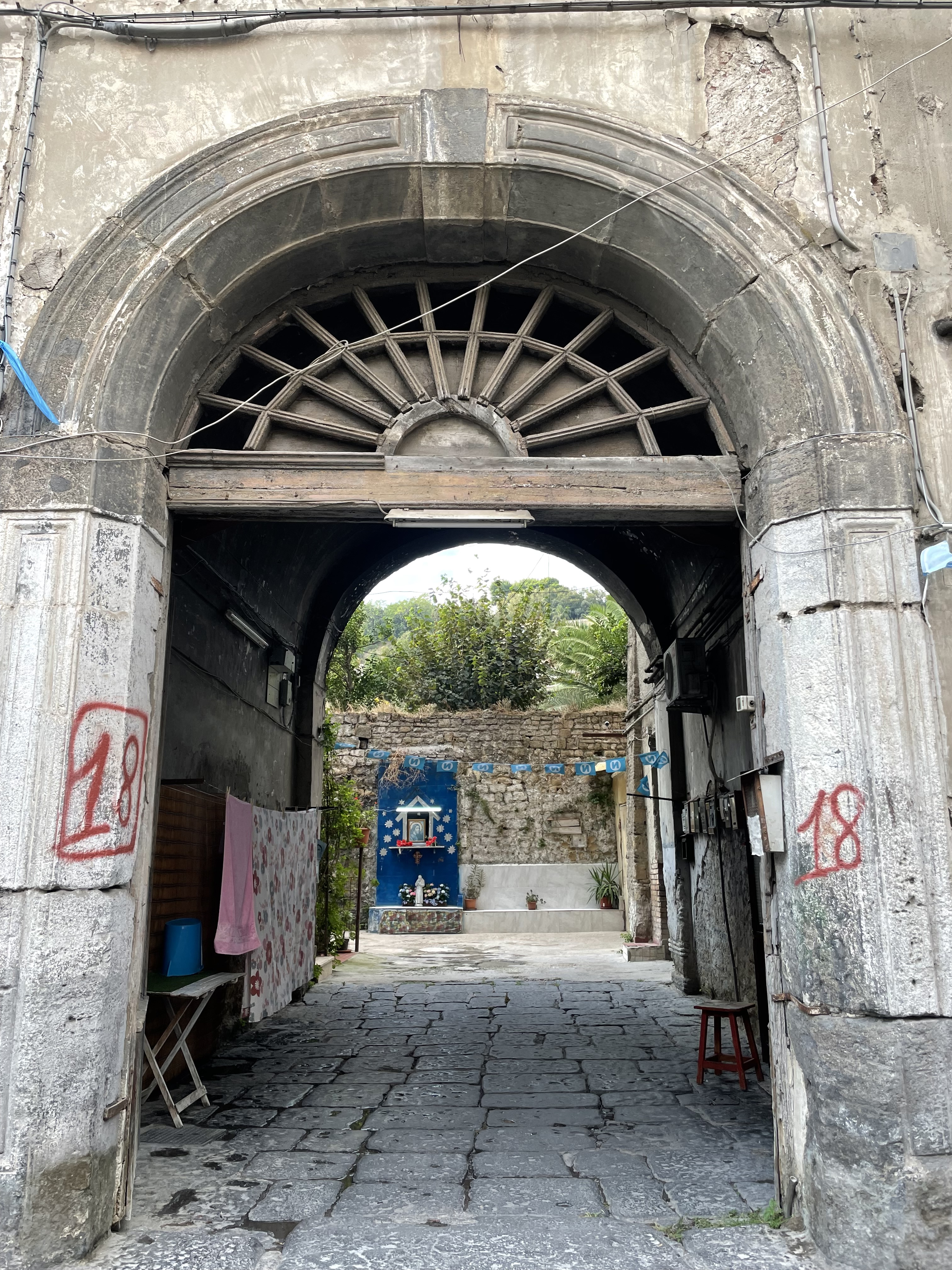
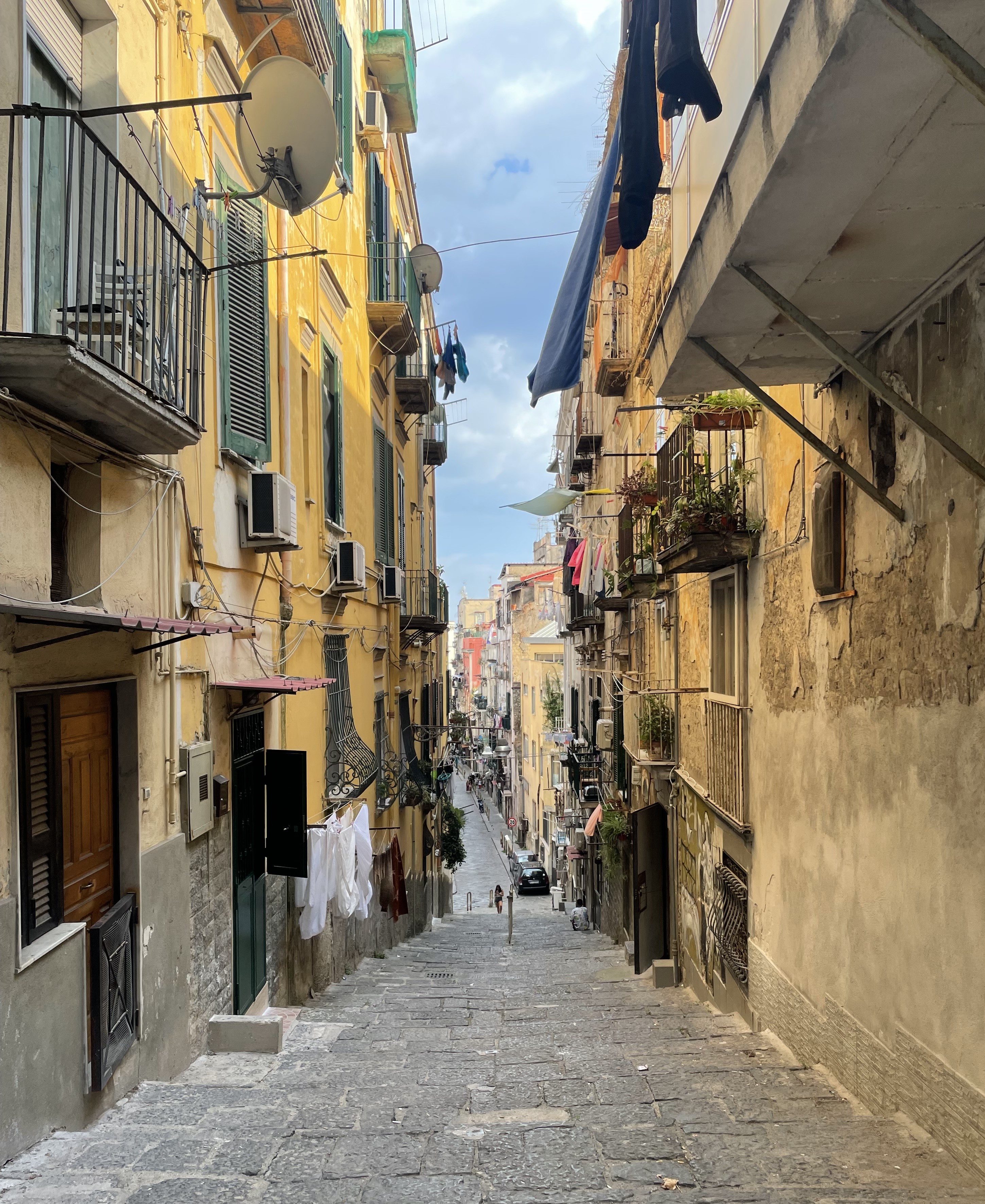
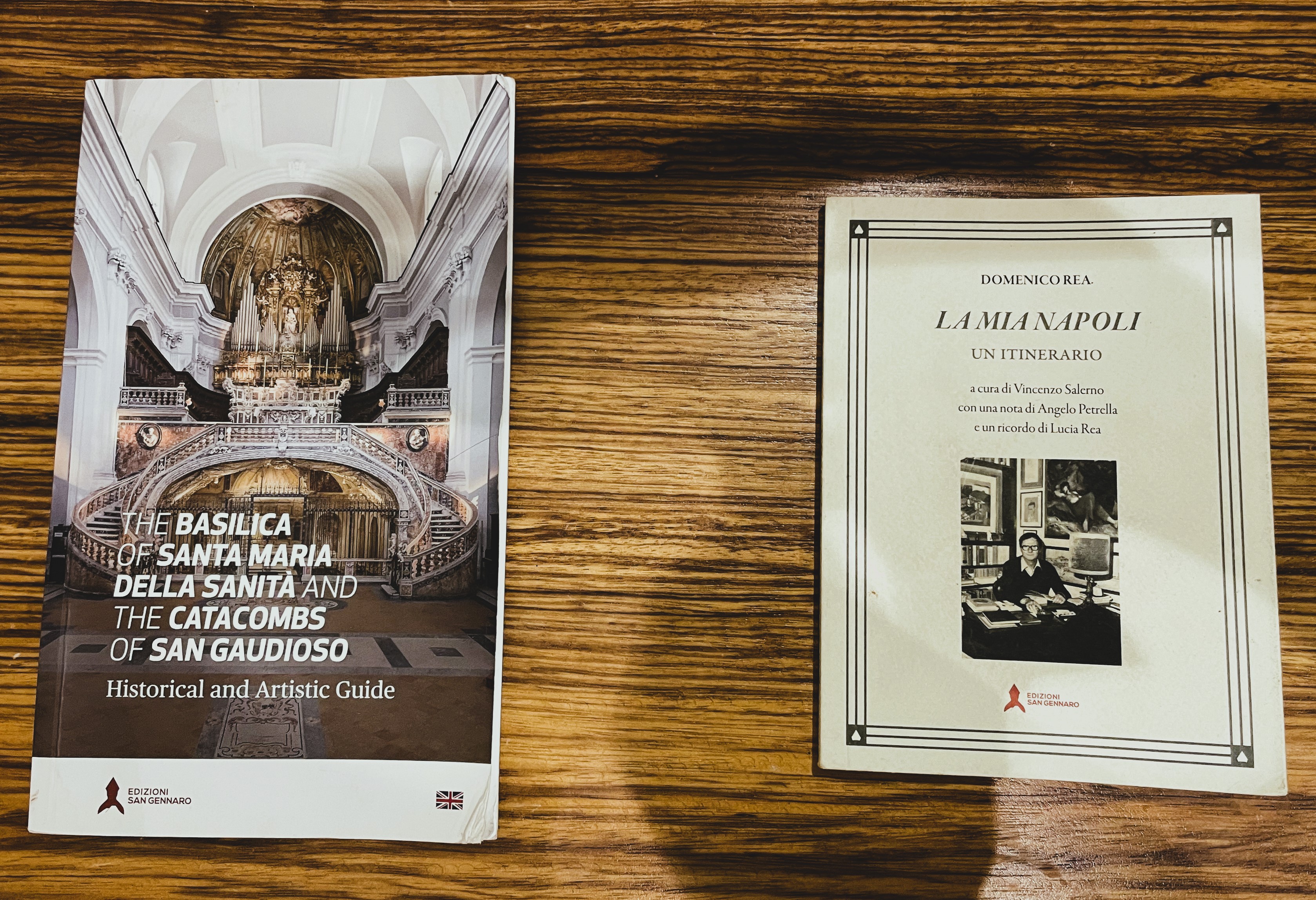
We made the utterly vibrant (and so cool it does not know it is cool) Rione Sanità our home for a few days, opting to tap into the local arts community at Atelier Ines (Via dei Cristallini, 138). Ines and her husband Vincenzo are the proprietors of what can only be described as one part ‘art laboratory’ and one part B&B in a previous open-air cinema/theatre. Upon entering through the gates you immediately escape from the madness of the streets into a serene courtyard, meeting Ines’ team who transport you into an otherworldly space. The rooms are spacious, stylish, and an artisan-antique lover’s dream. Palazzo Dello Spagnuolo is literally a minute away (minus hoards of tourists), a palacial masterpiece that has become a postcard image when one thinks of Napoli – and in true form – is quietly tucked away behind an open-air fruit market. Descending on the city and taking in Atelier Ines and the palazzo in under an hour was enough stimulation to warrant a pizza lunch.

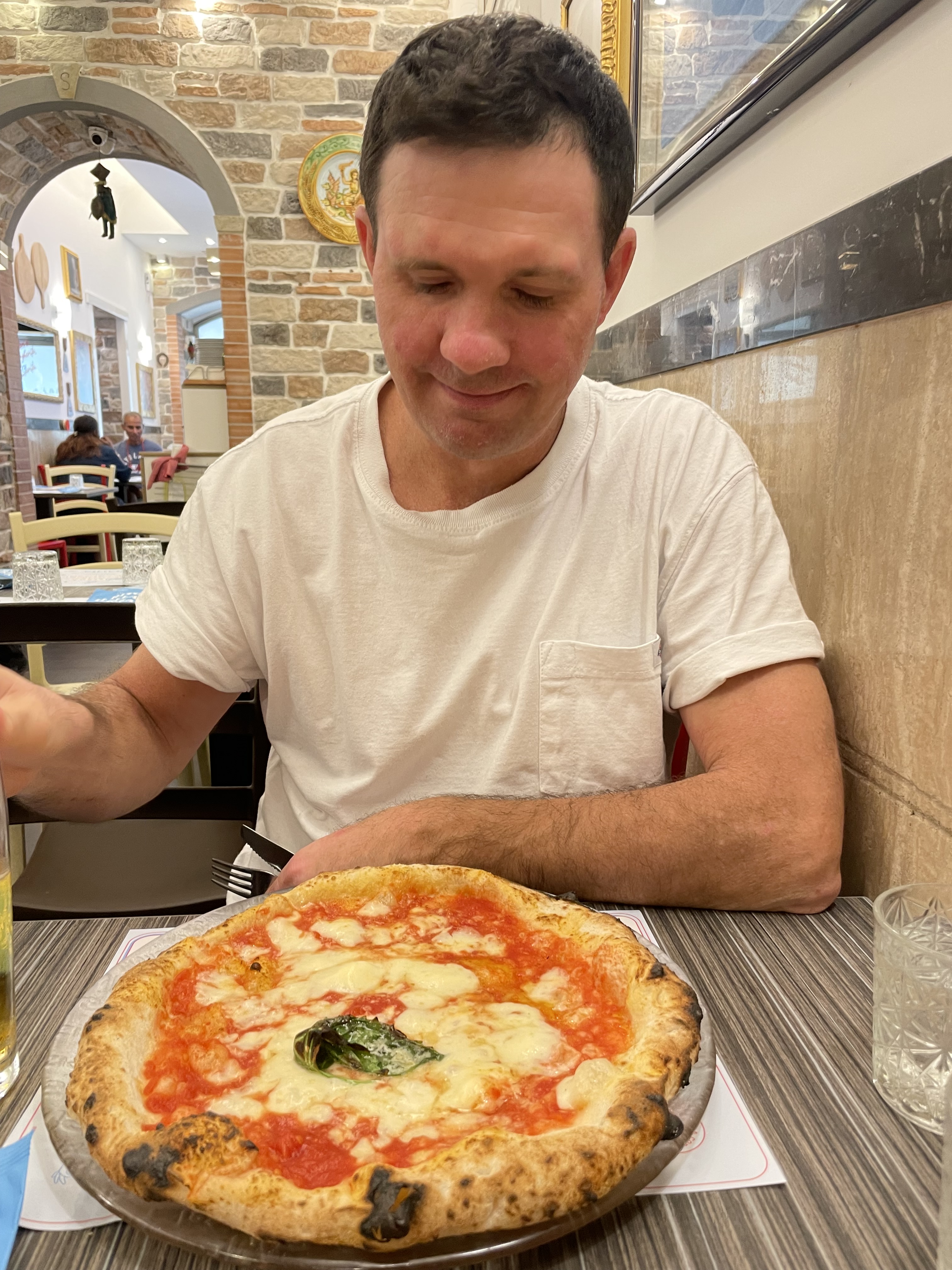
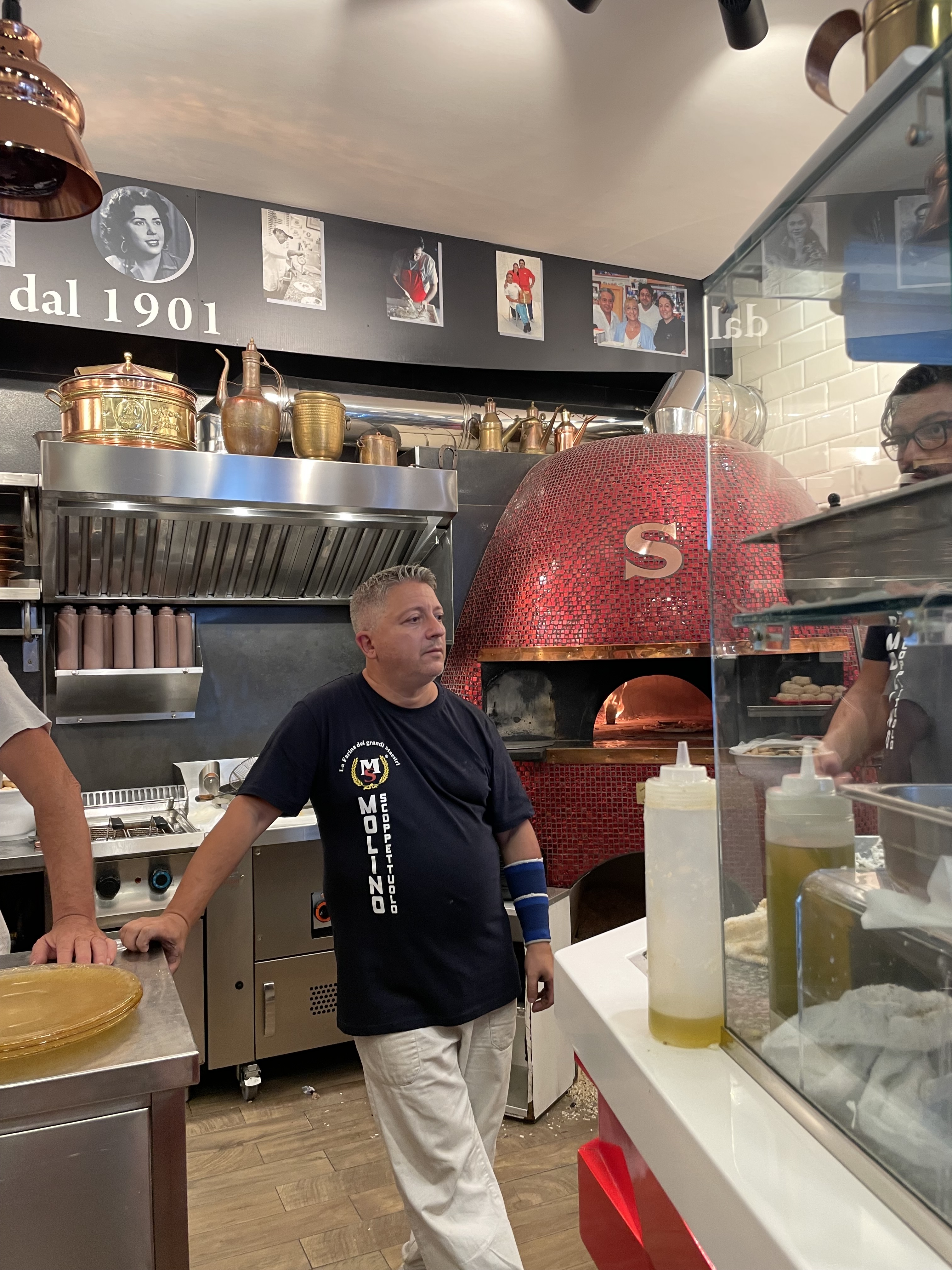
We had to try one of the classic establishments, and Starita (Via Materdei, 27/28) was top of the list. Of course it delivered, but I found the fritti / fried snacks the star of the show – from genovesina to frittatina di pasta to montanarina, it is amazing how one can stuff and sauce fried dough. Of course the pizza delivered, thanks to the magic being in those Vesuvio-enriched tomatoes.

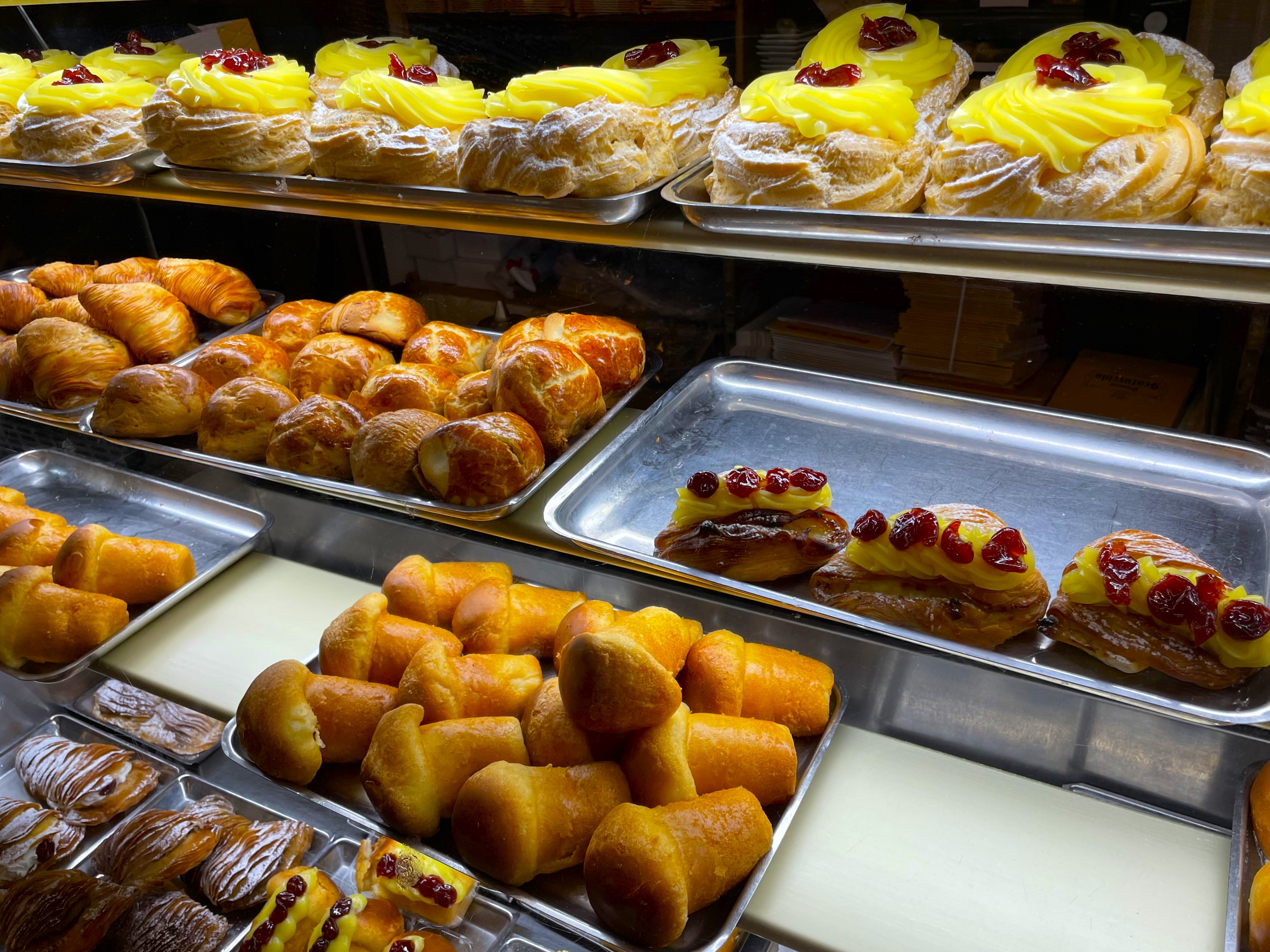
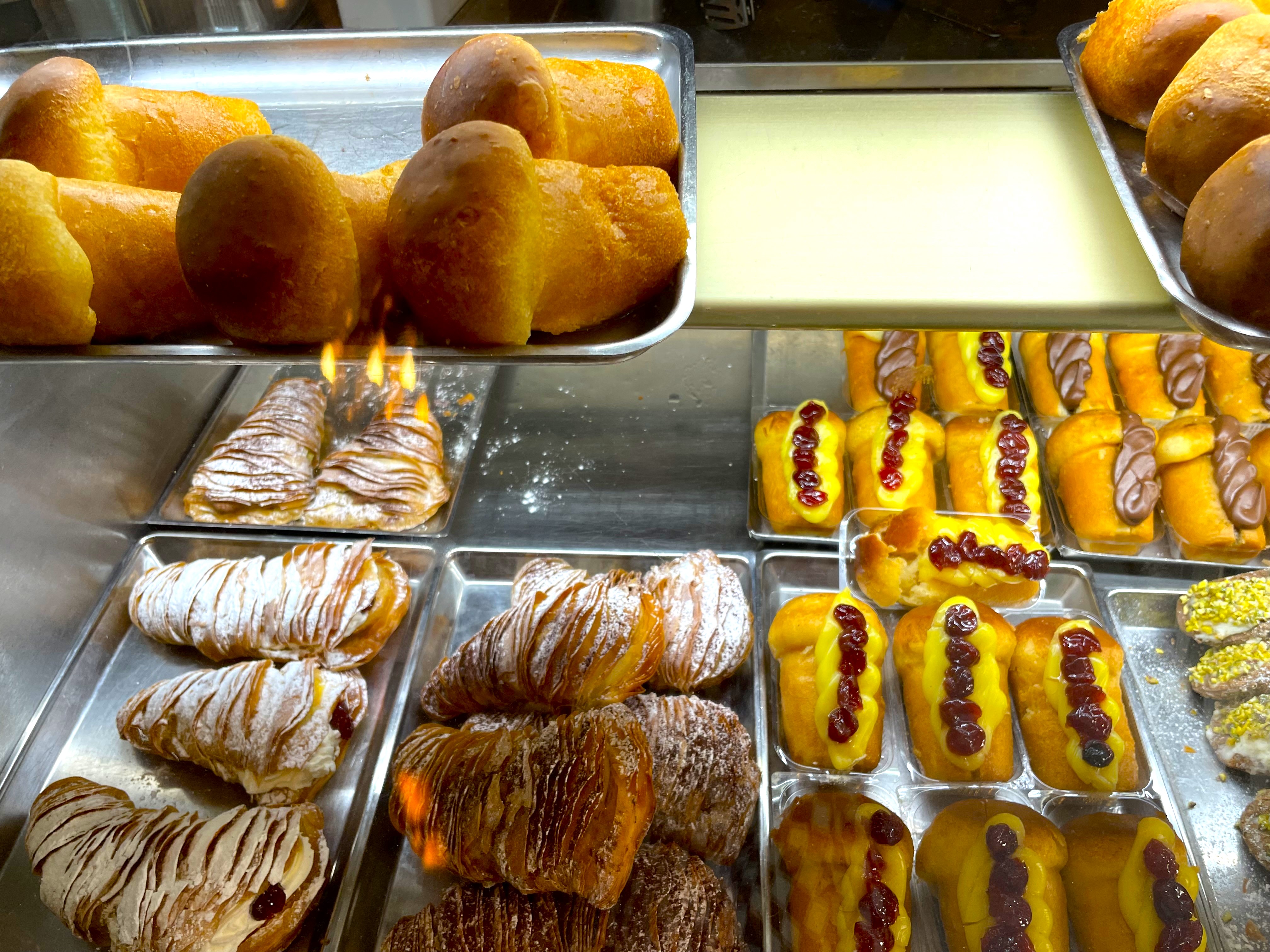
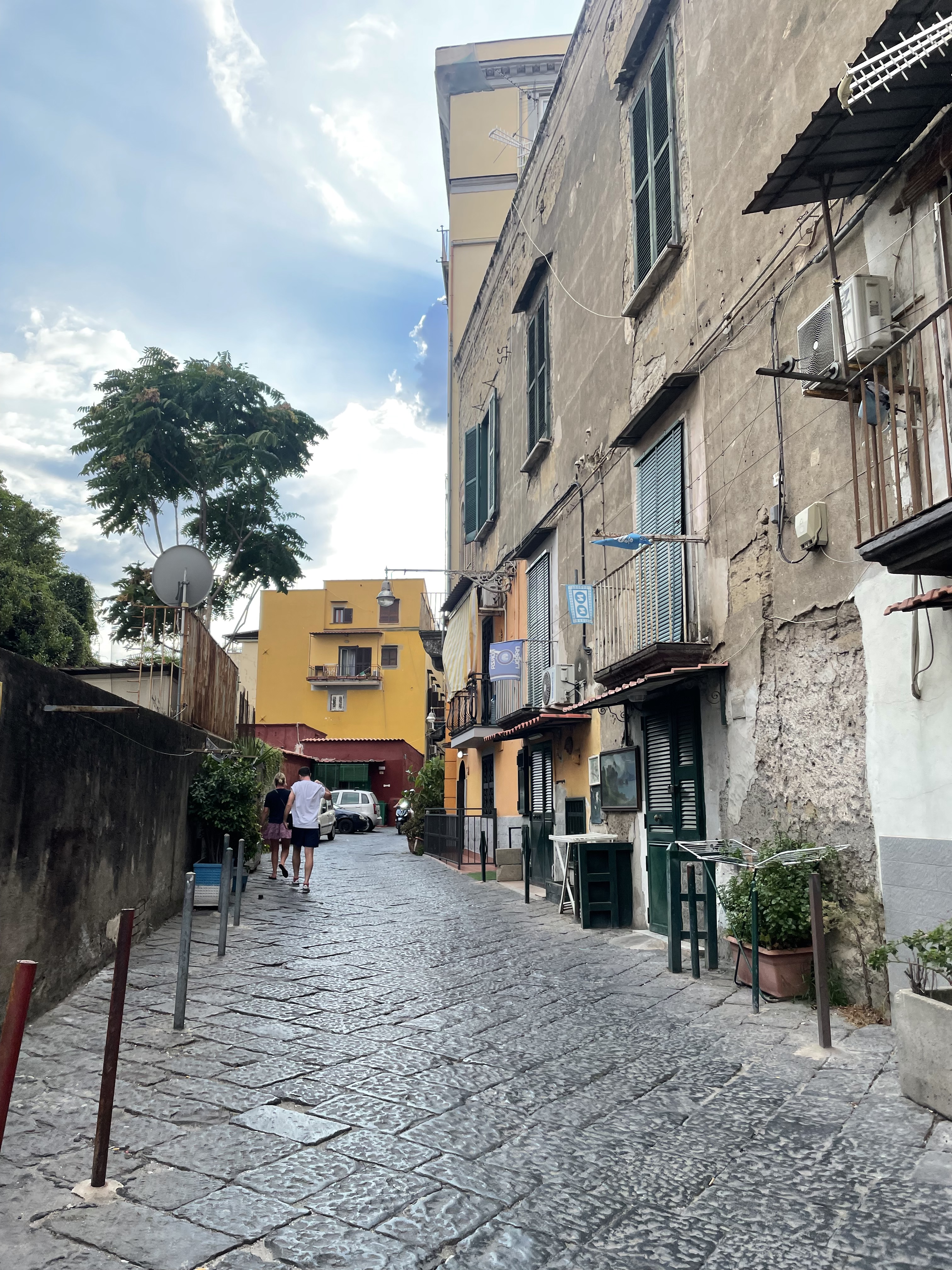
There is no need to depart Rione Sanità after dark. Here you have the mix of old and new Napoli – old family businesses and open-air markets still chugging away, complemented by young proprietors coming in and adding a splash of new to the tried and true street culture. Another pizza experience – and it definitely was an experience above all – is the highly-lauded Pizzeria Concettina ai Tre Santi (Via Arena della Sanità). Whether it’s the magic show of presenting your fried goodies and pizza once they hit tableside, sprinkled/oiled/sauced with pizzazz, or the cool wine offerings, or just the general nightclub-like buzz outside – you better have a booking or know someone to get in. Pasticceria Poppella is across the street – meaning your top-notch, rum-soaked baba and sfogliatella needs are met. A little further down Via Vergini, and Antica Cantina Sepe was creating a street dance party alongside a chalkboard noting the owner’s sheer disdain for spritzes. Point taken! I could have sat there all night and people-watched. We tried an evening up the hill in posh Vomero, and while the winding car ride up and vision of a more middle class Neapolitan existance were interesting, it did not match the purity of Rione Sanità.

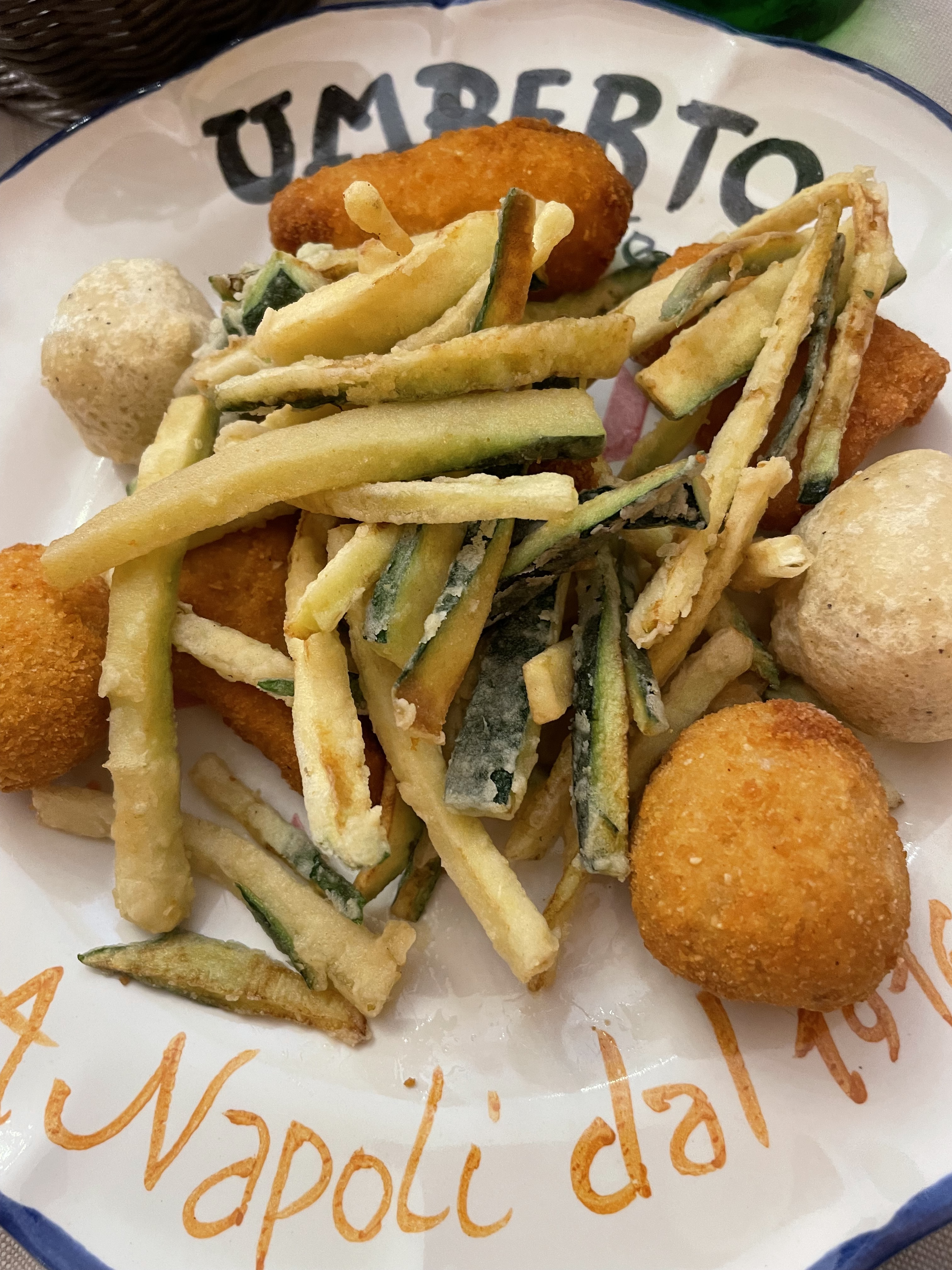
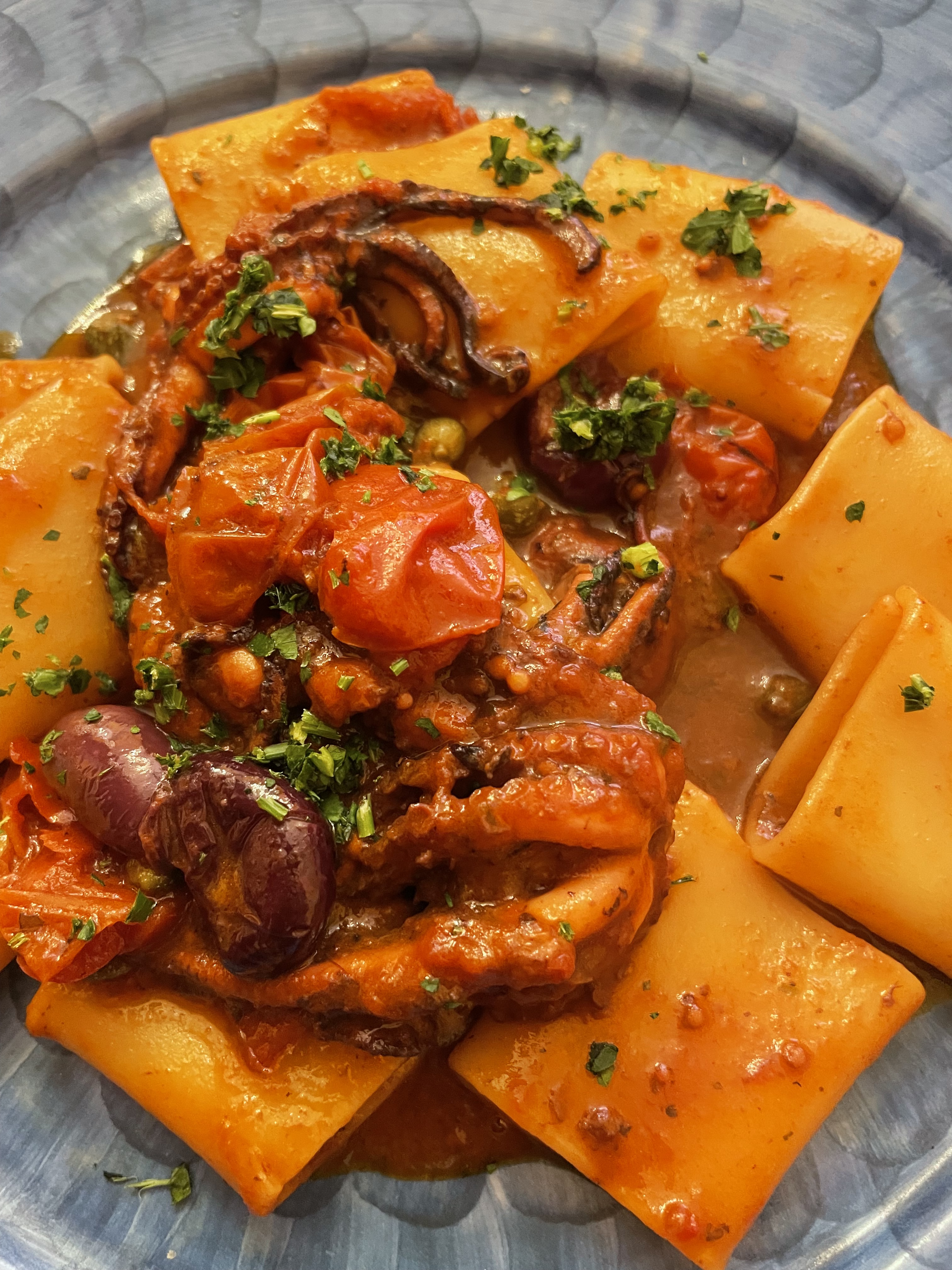
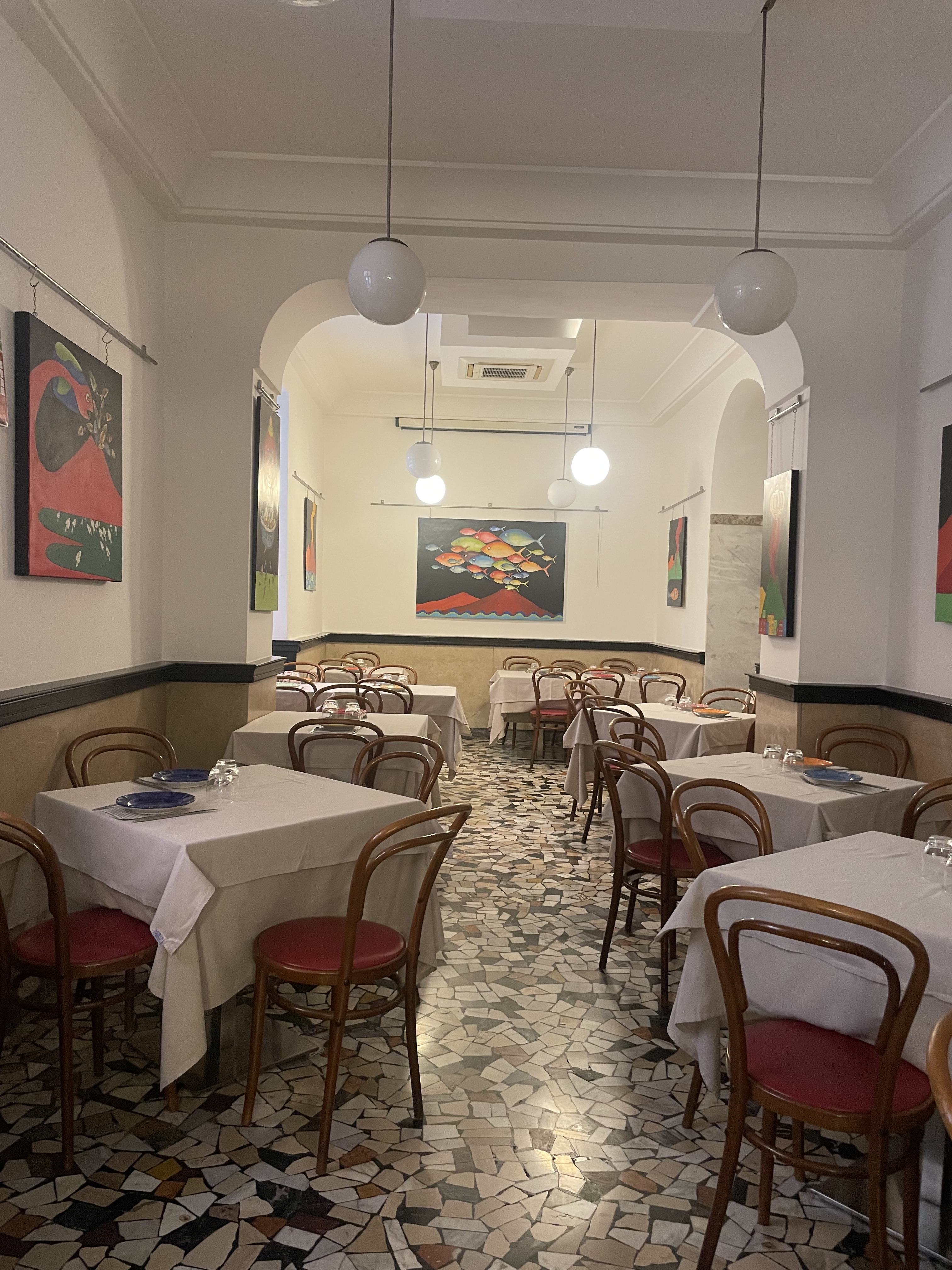
Spending your days winding down the many rioni that dot the city center, don’t miss taking in a relaxing and quintessentially locals-only lunch in the Chiaia neighborhood, at the storied Umberto dal 1916 (Via Alabardieri, 3). The menu was truly the best of la cucina partenopea – from fried carrozzas to paccheri with octopus to the creamiest tiramisu.

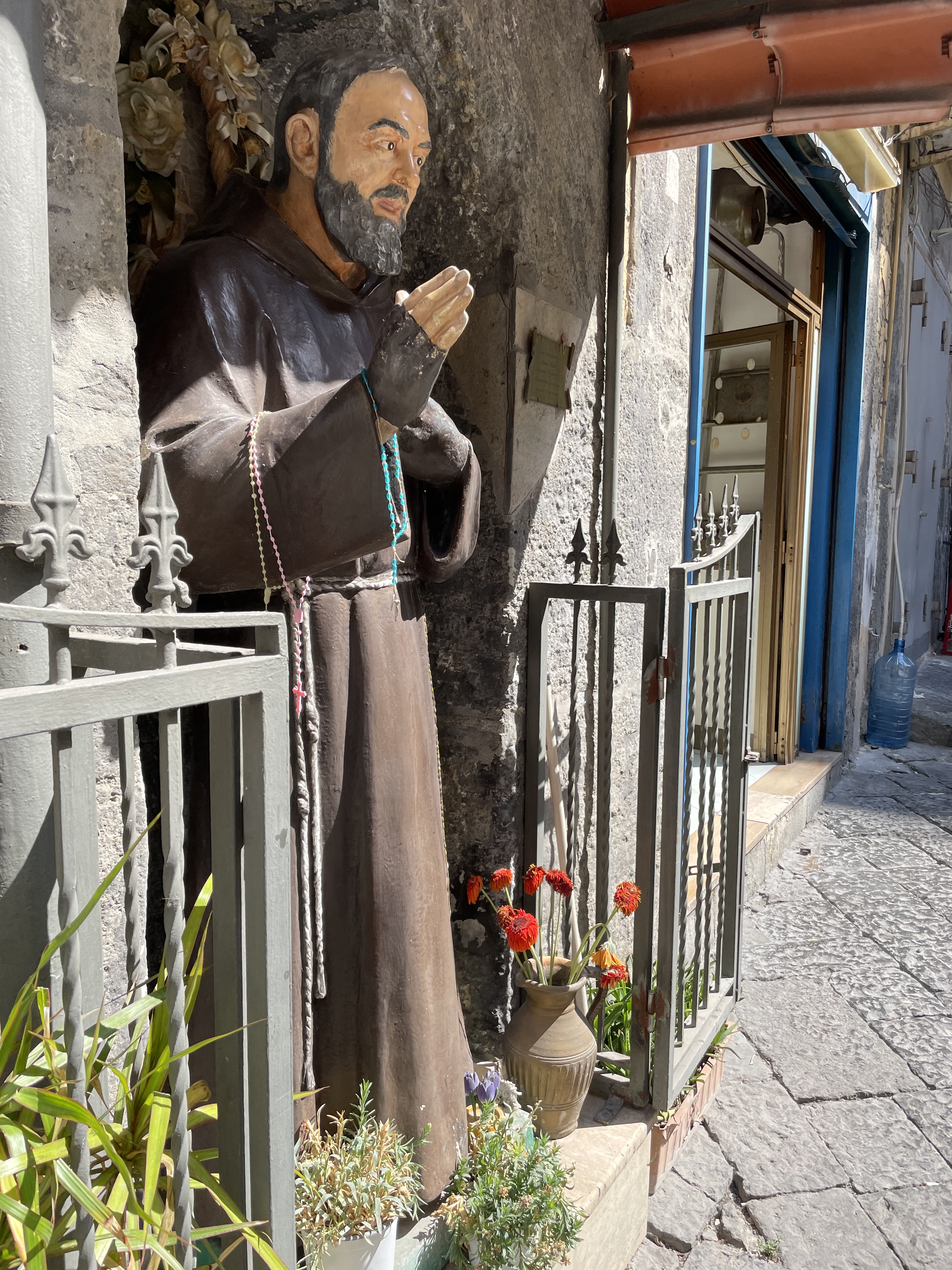
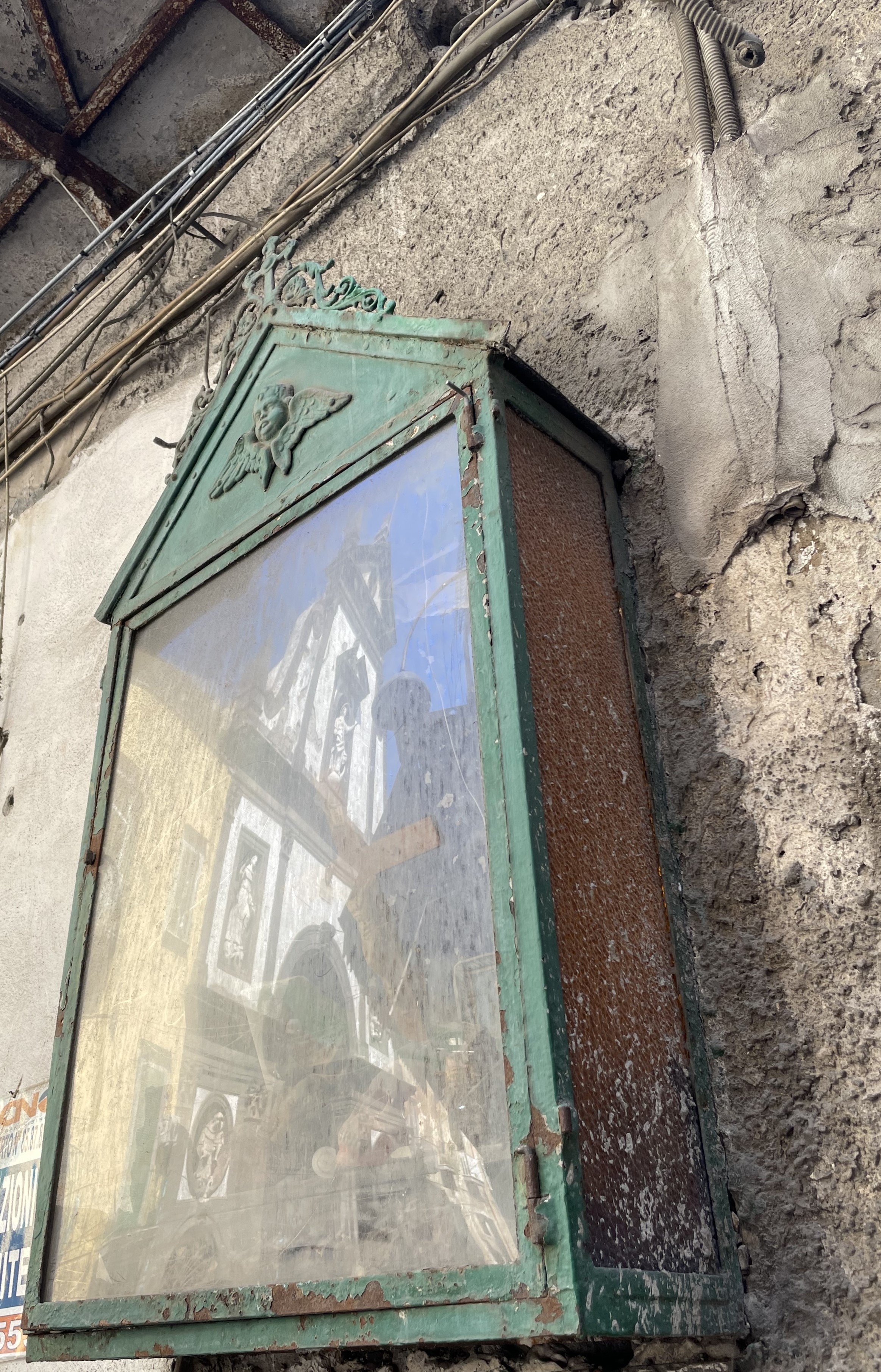
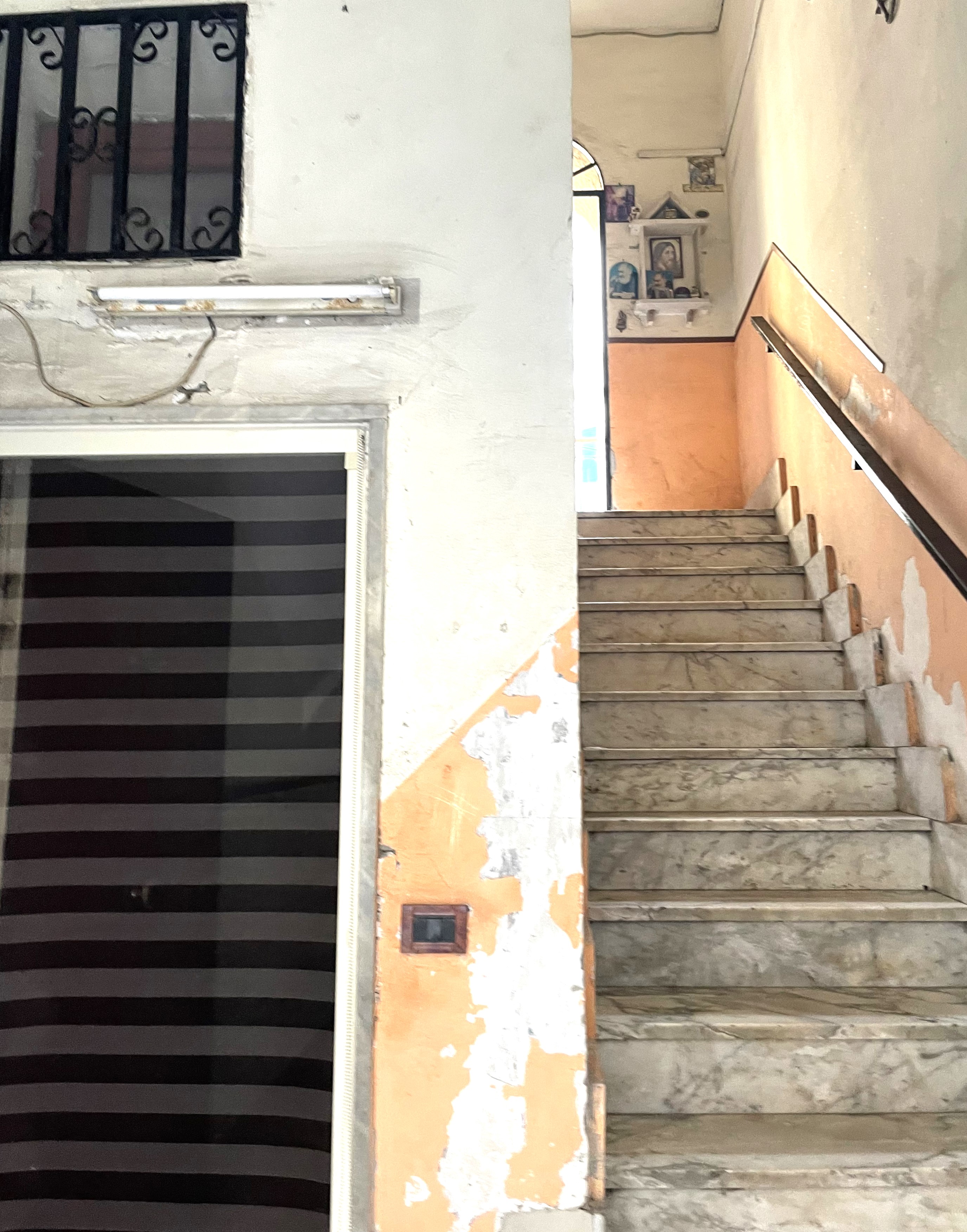
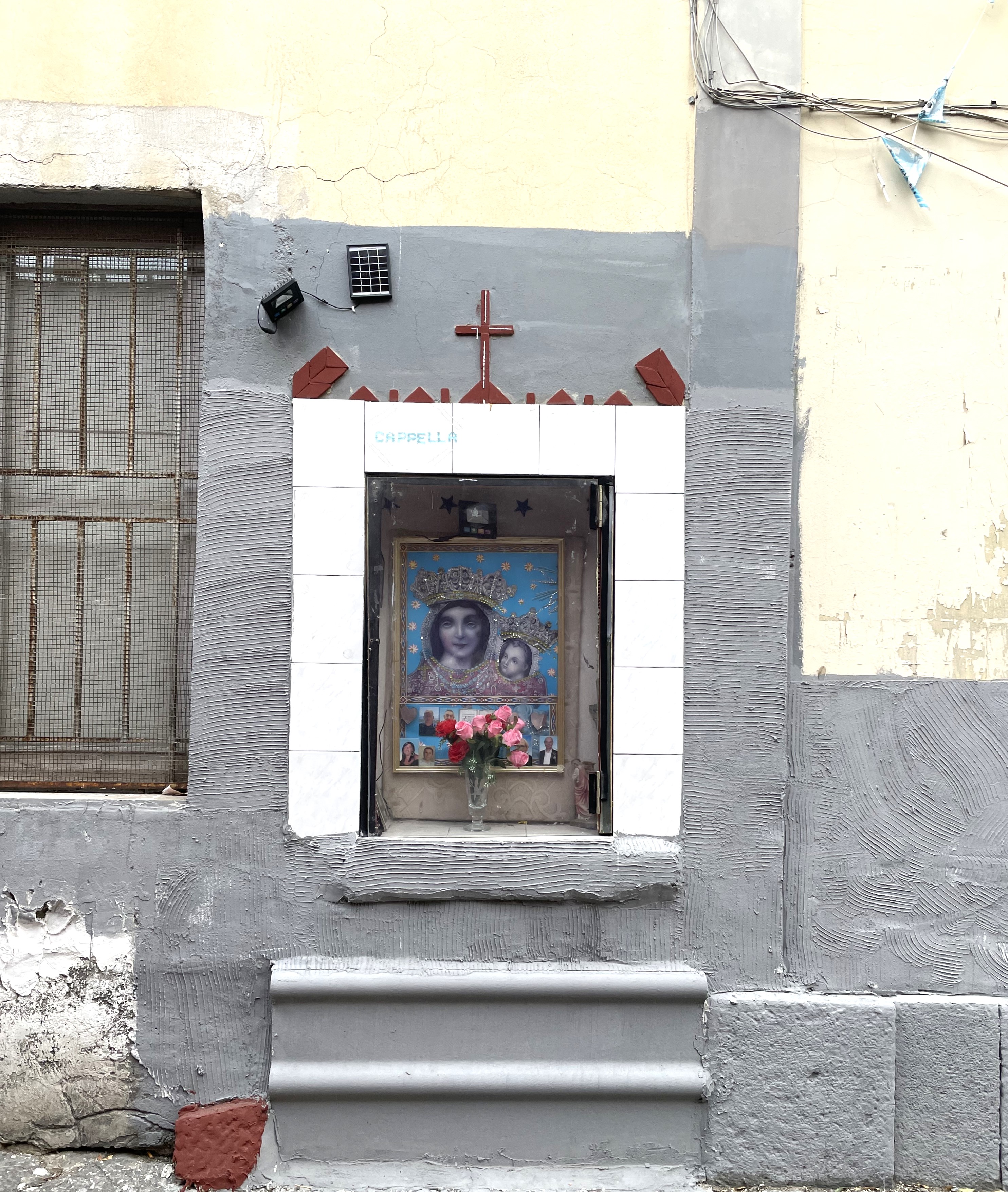
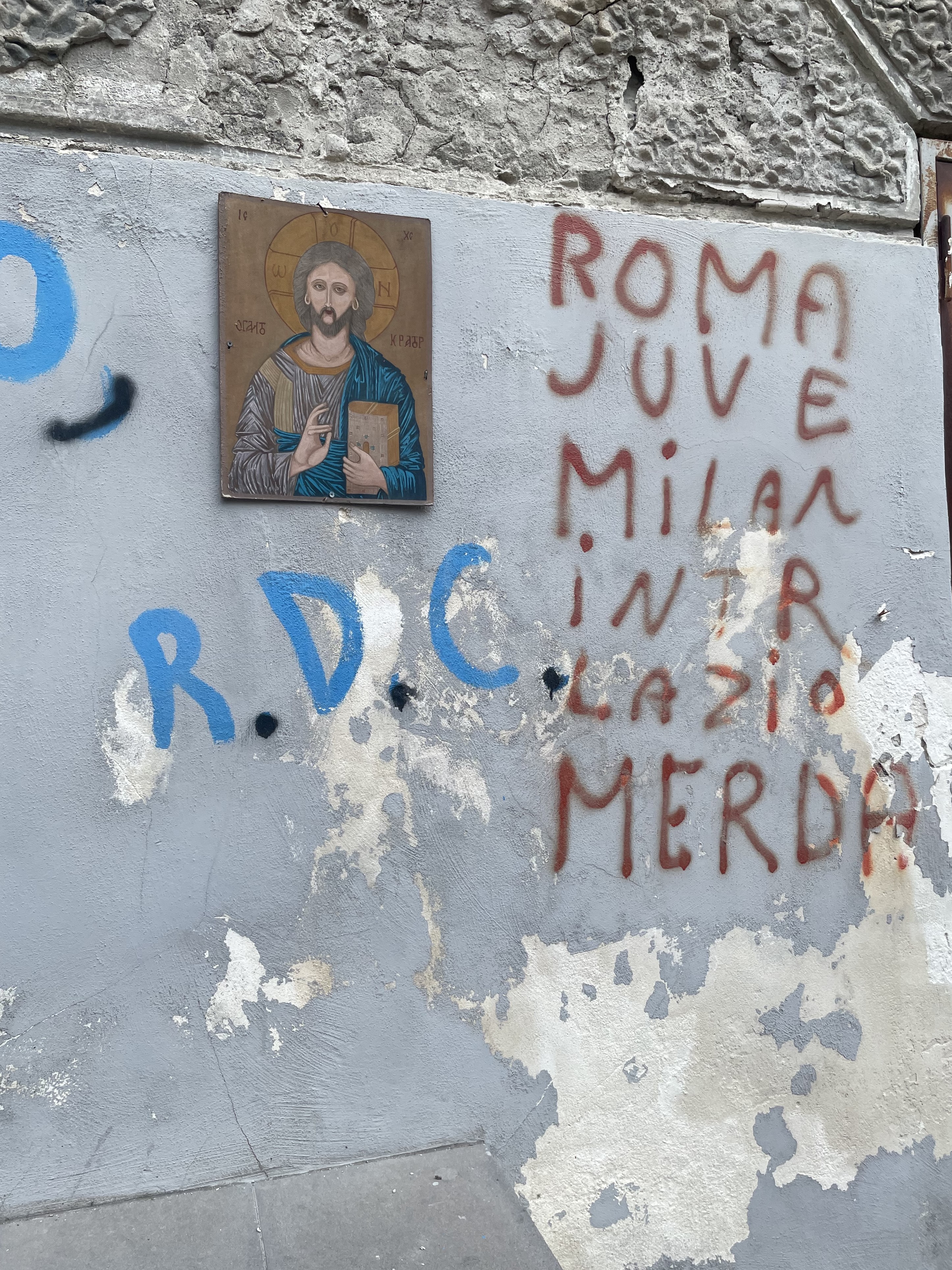
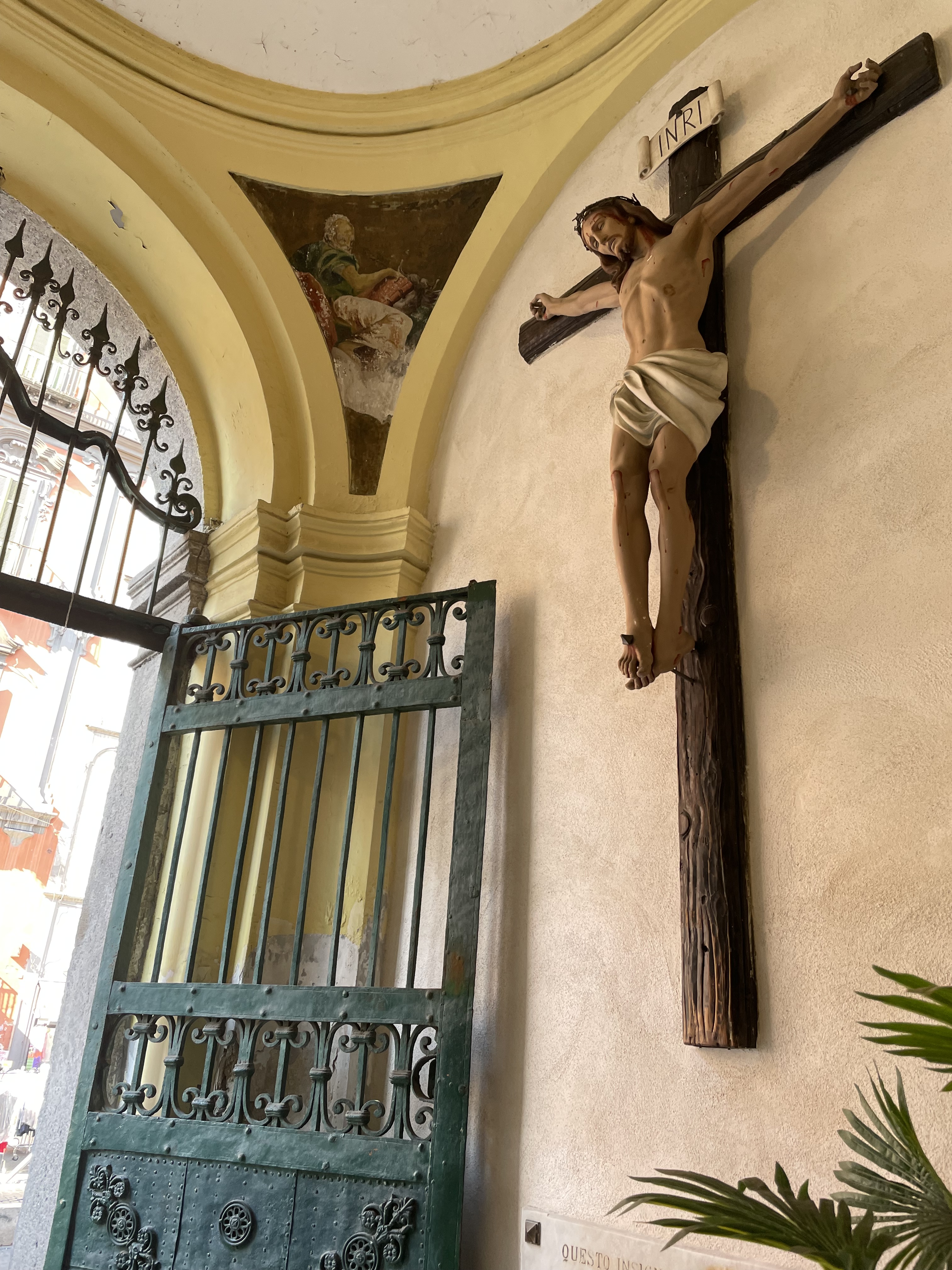
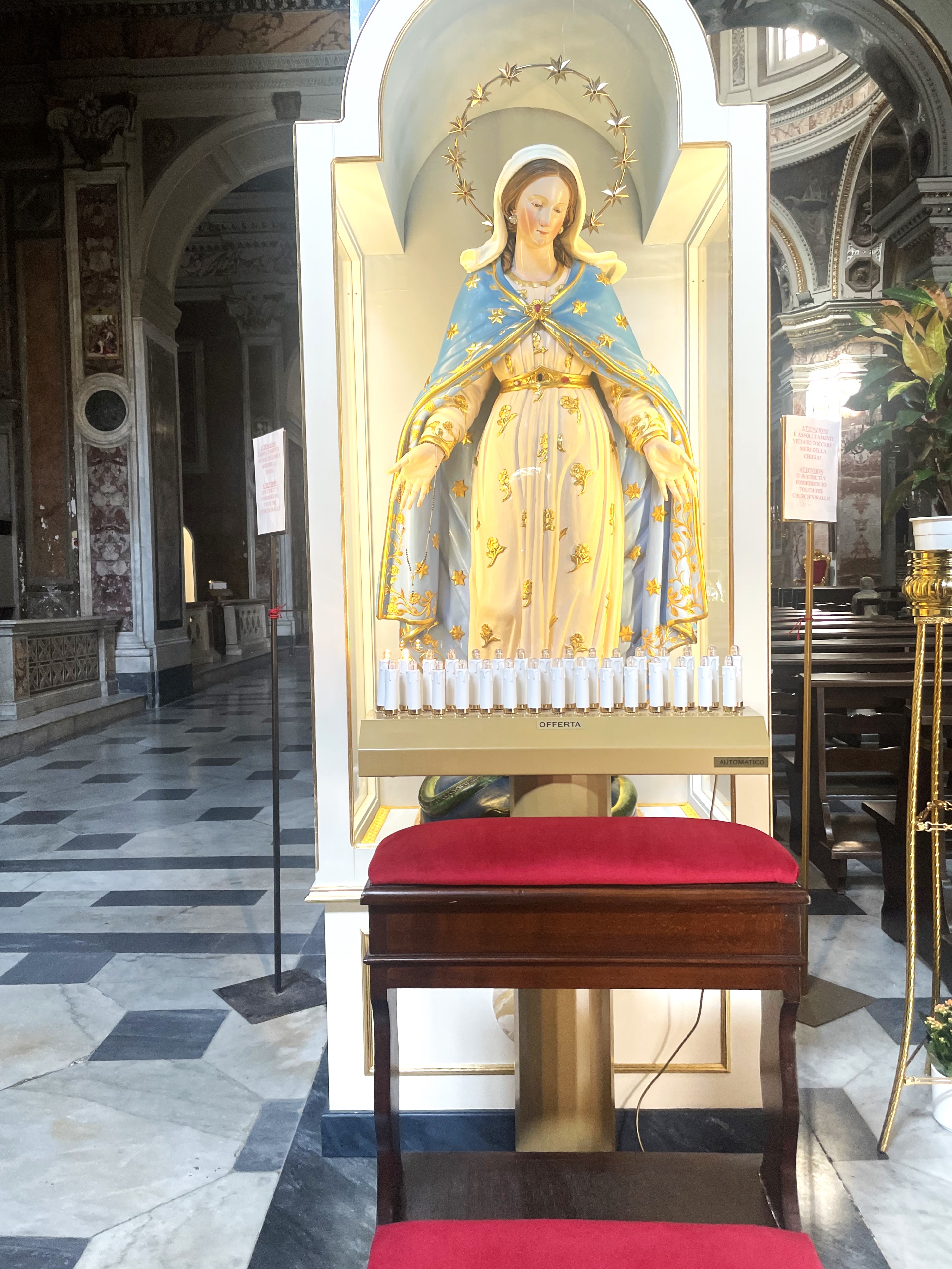
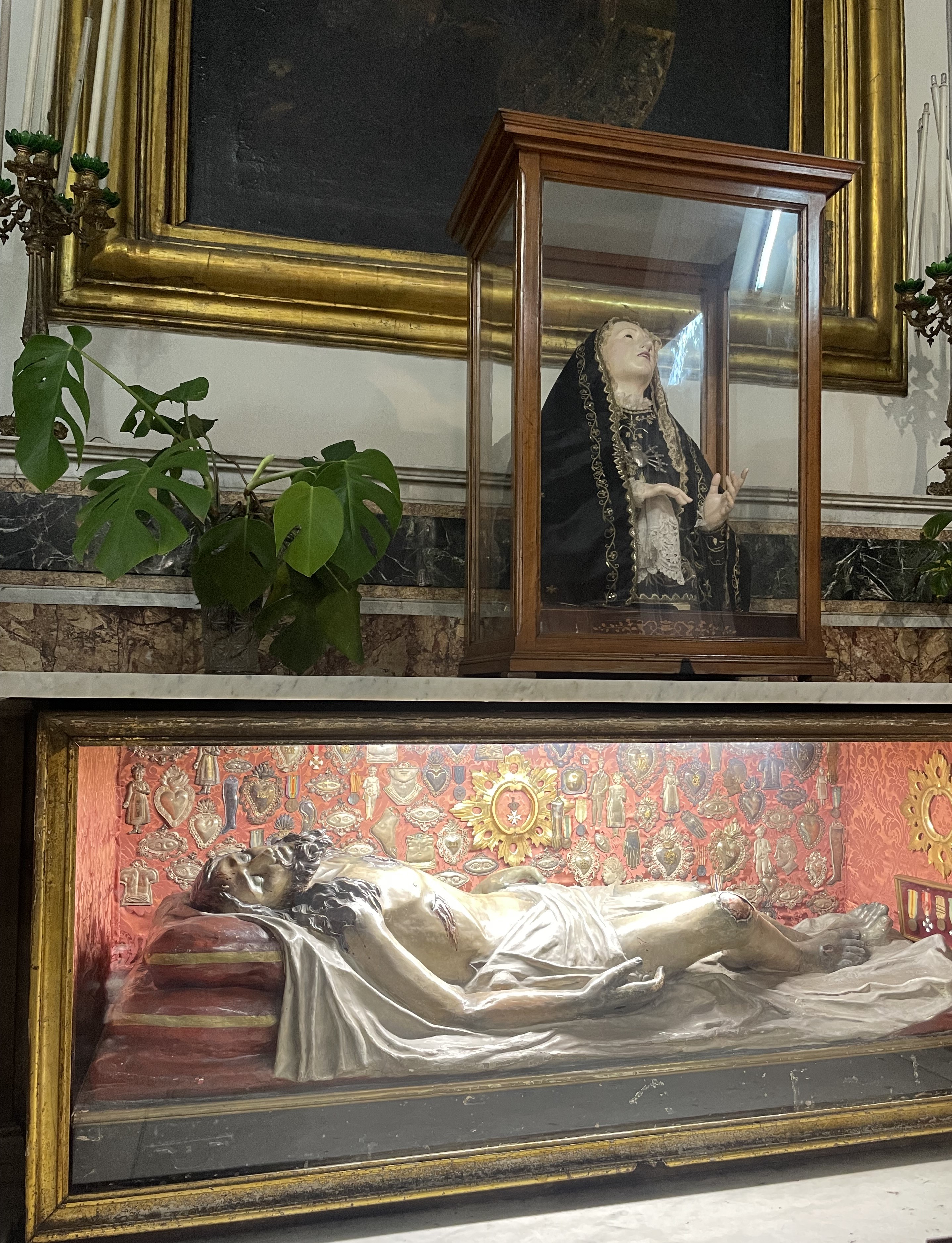
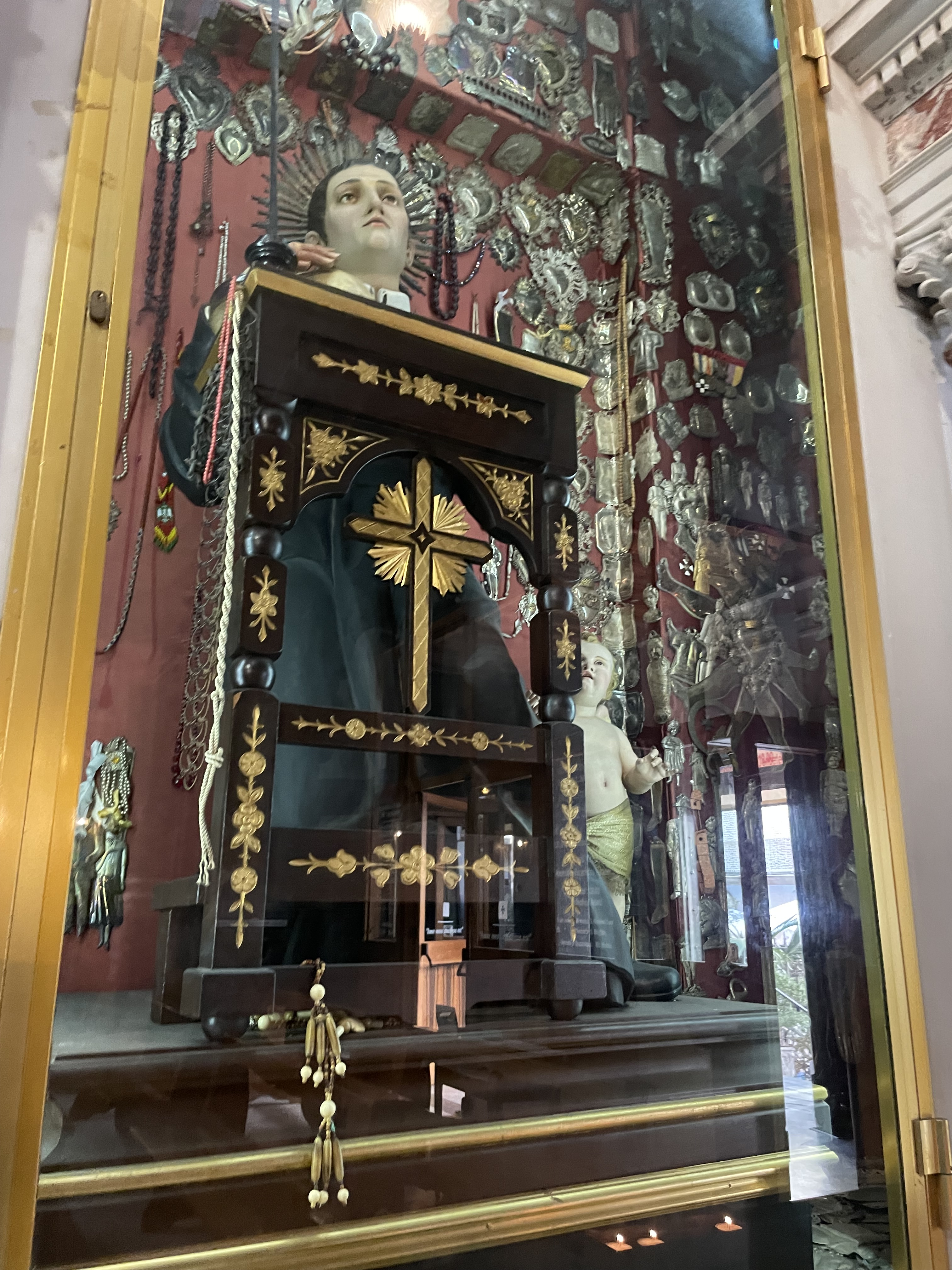
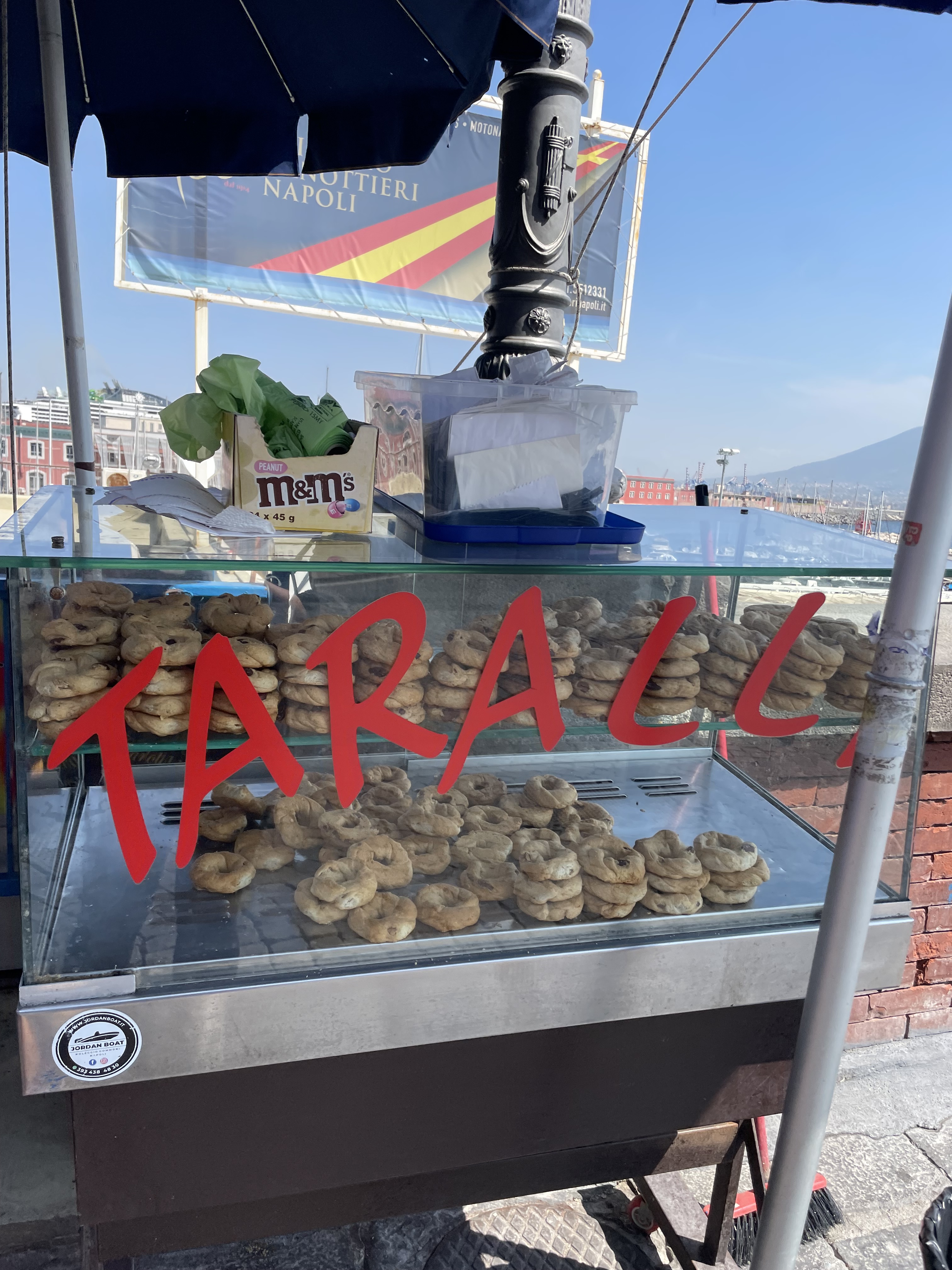
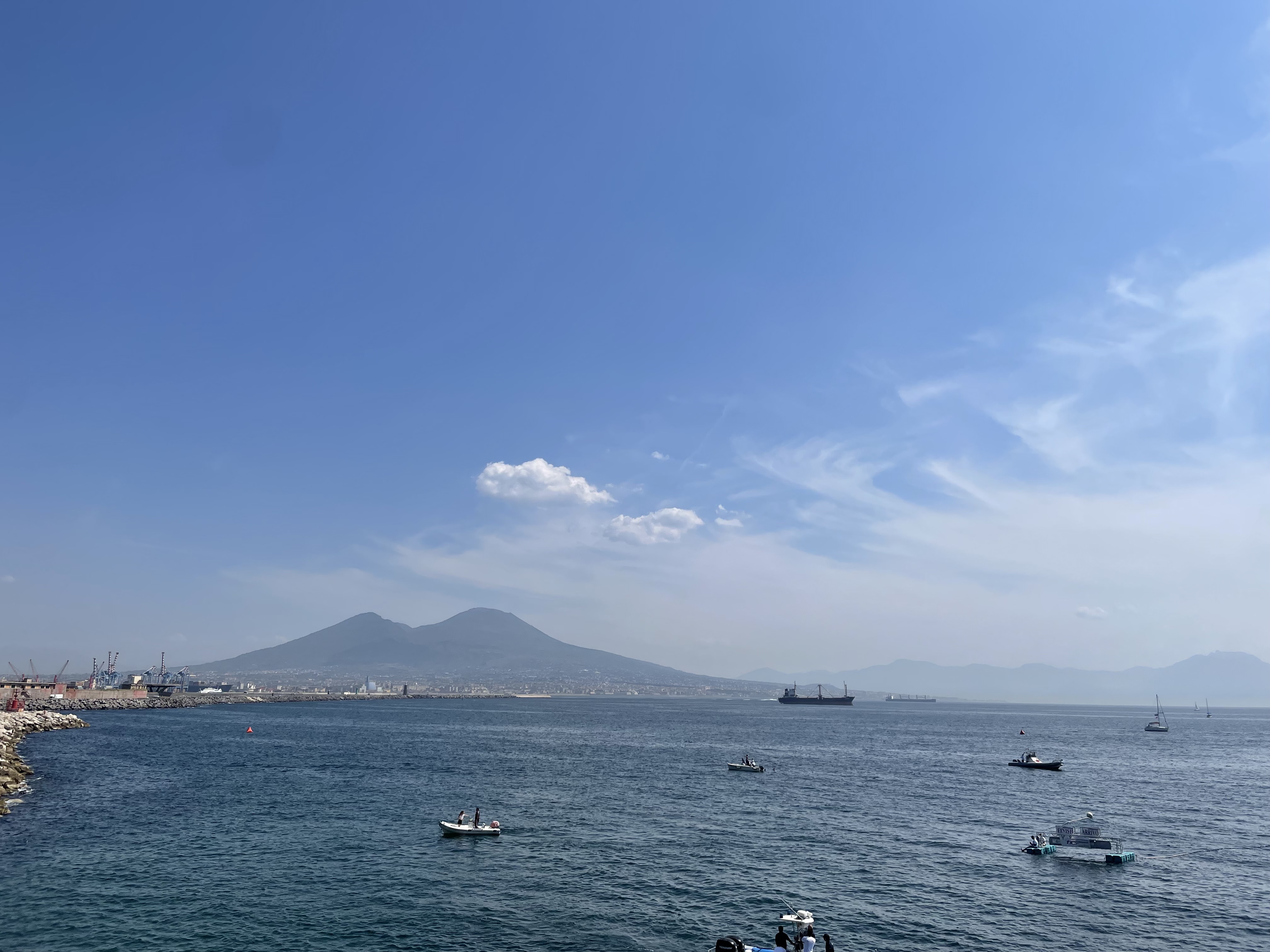
It felt strangely familiar being in Napoli, like maybe in another lifetime I had been there before. Little moments made the biggest memories – the familiar smells emanating from kitchens, the dialetto, the stunningly emotional aedicula (street shrines) – or even when a man squeezed us fresh limonata from his little cart, putting more love into it than some people do a full dinner…and more limonata runs thanks to the lady who squeezed and, as a bonus, sang to us one as we gazed at Vesuvio in the near distance. Watching glistening, golden Neapolitans sit on the rocks outlining the Bay of Naples, as cruise ships dock. I thought about my father and grandparents who all departed from that same port to come to New York decades ago, and weirdly how I had come full circle, returning to where their journey began…. But now I am experiencing a very different side of Italy.

At 4am, we dragged ourselves into a van headed for Rome airport. The streets were dark and shadows of boys hung out on their bikes, while kitchen staff started turning on their lights to bake bread and prepare for another sweltering day. I realized that this city is and will always be still shrouded in so much mystery and magic. As the famous song says… Napule è tutto ‘nu suonno, e ‘a sape tutto o’ munno, ma nun sanno a verità.


Copenhagen: Eat the rules

What does “foodie” even mean anymore?
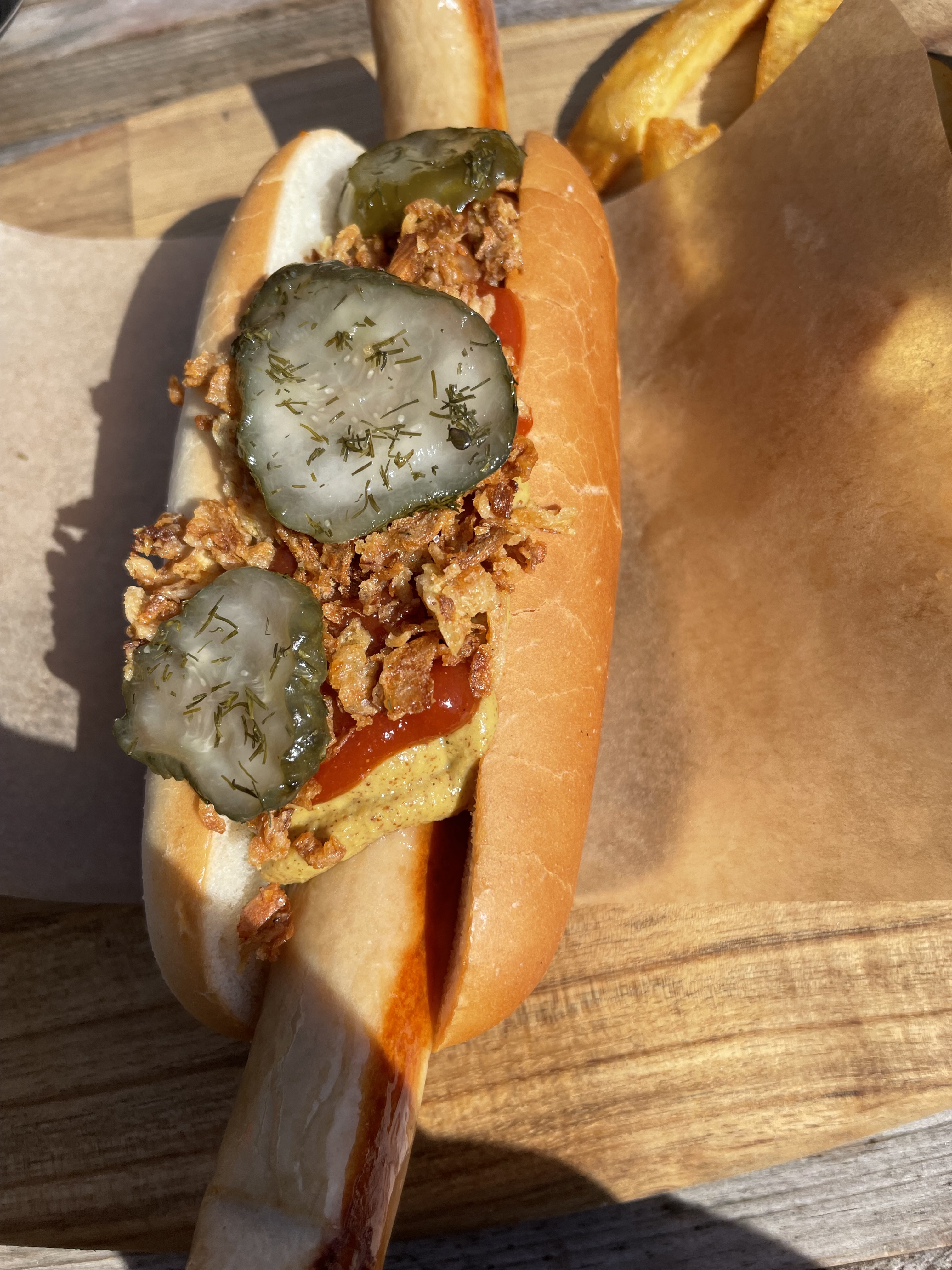
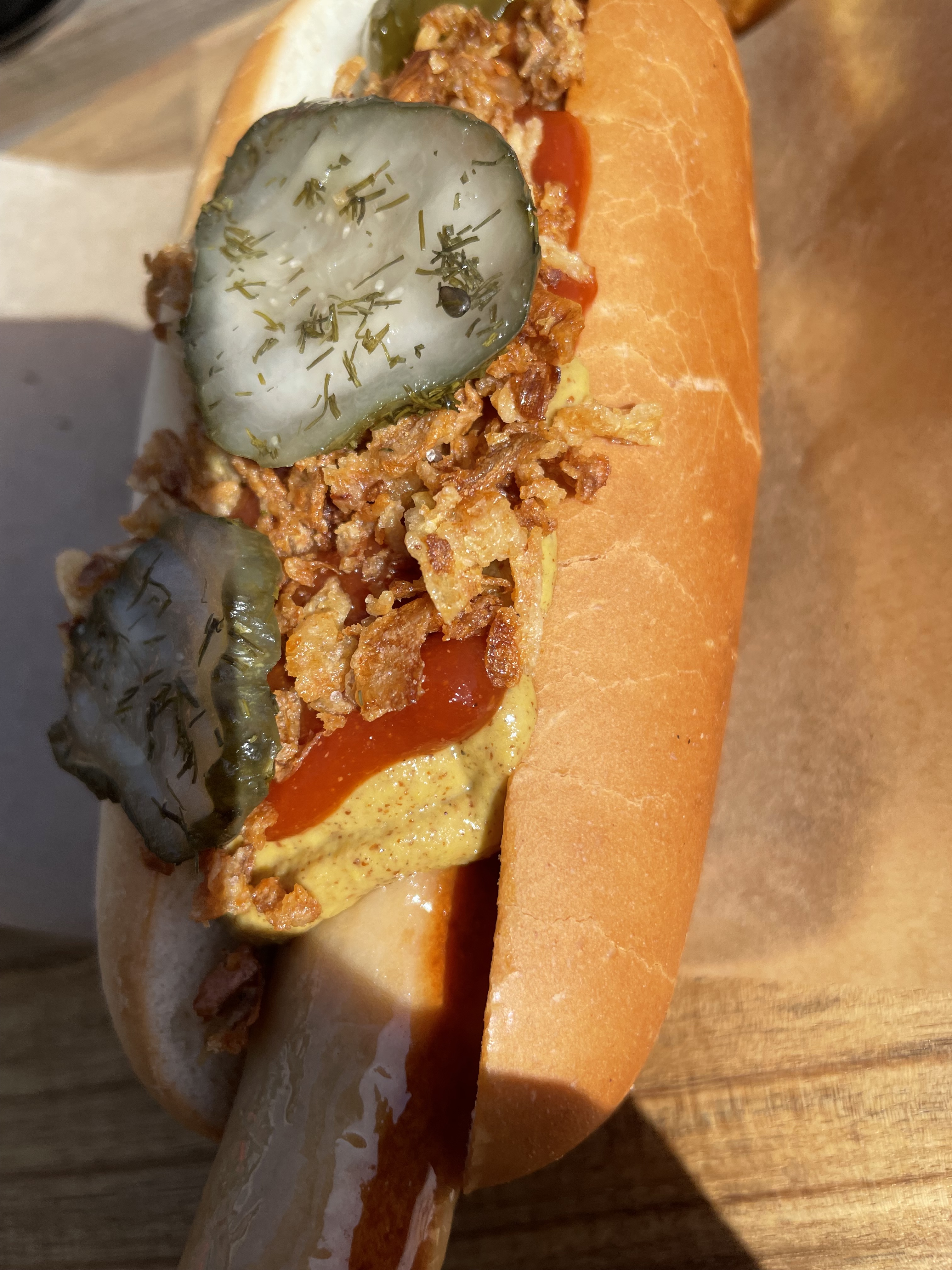
I still cannot wrap my head around Copenhagen’s dining landscape. It is a city where Noma and its real (and faux) foodies have congregated since the millennium to splash cash and elevate its reputation as a culinary untouchable. But, it’s also a city where the highest praise is also given to the local pølsevogn/hot dog or kanelsnegle/cinnamon bun purveyor. Regardless of whatever the jargony term “foodie” means anymore, Copenhagen tirelessly proves there is little tolerance for mediocrity in churning out a food product whether it is below $5 or over $500. It’s funny writing about Copenhagen after watching the hit American series The Bear and observing aspiring pastry chef Marcus’s visit, where he palms a hot dog, staring in awe at its delicate construct, then spends his days working on some of the world’s most complex dessert presentations. That episode pretty much sums up the level of food appreciation you will encounter here.

Embrace the traditional
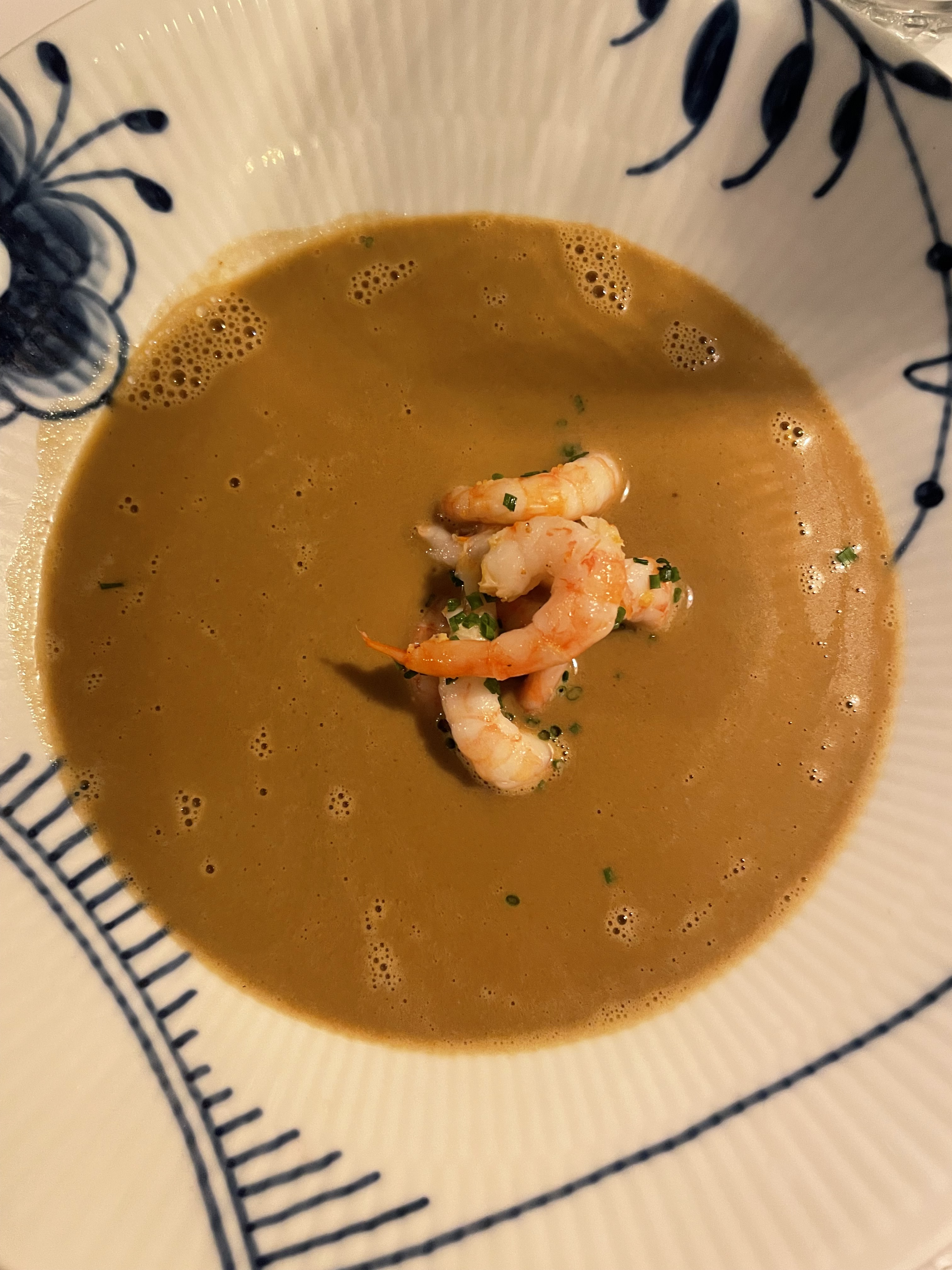
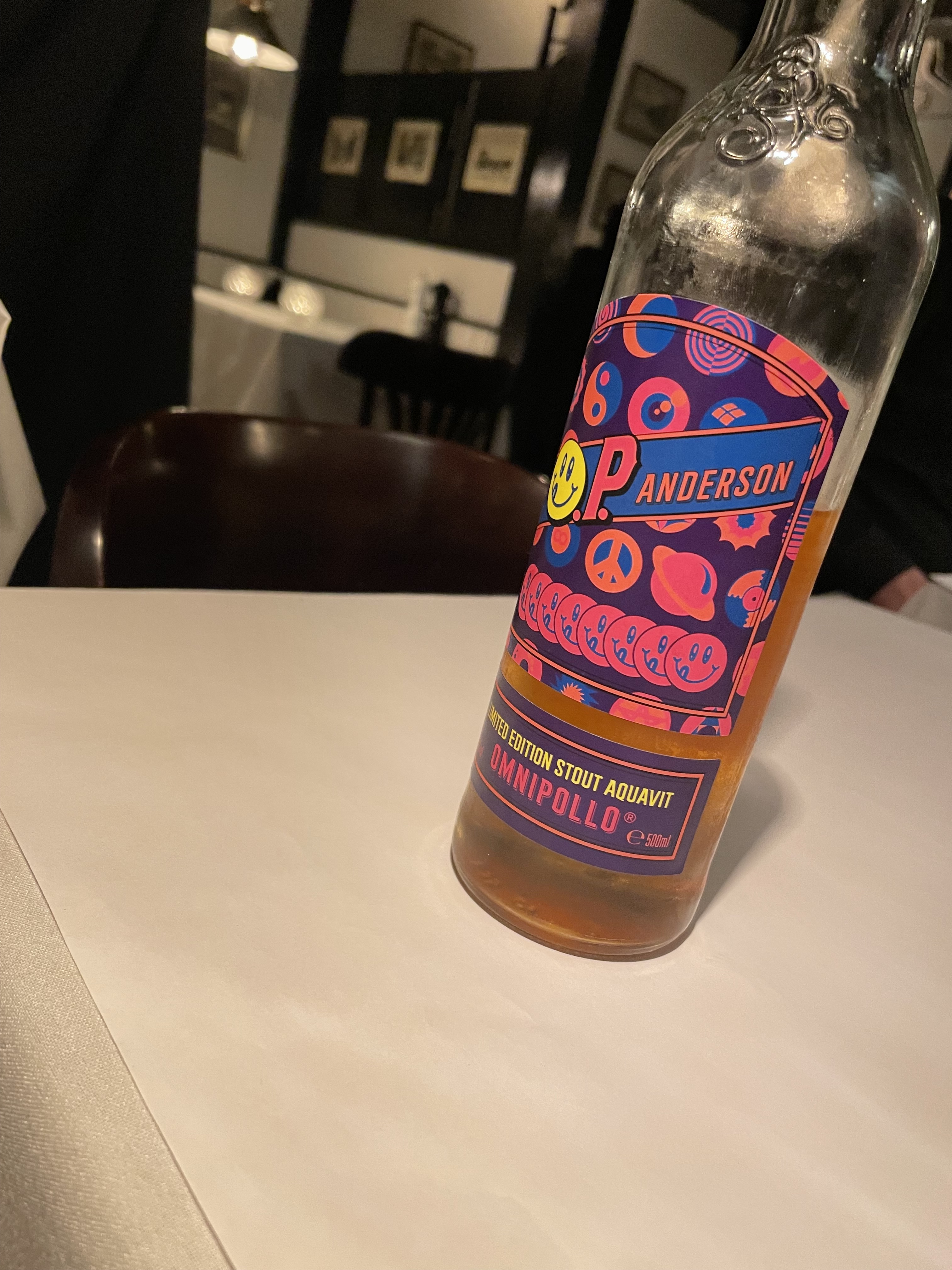
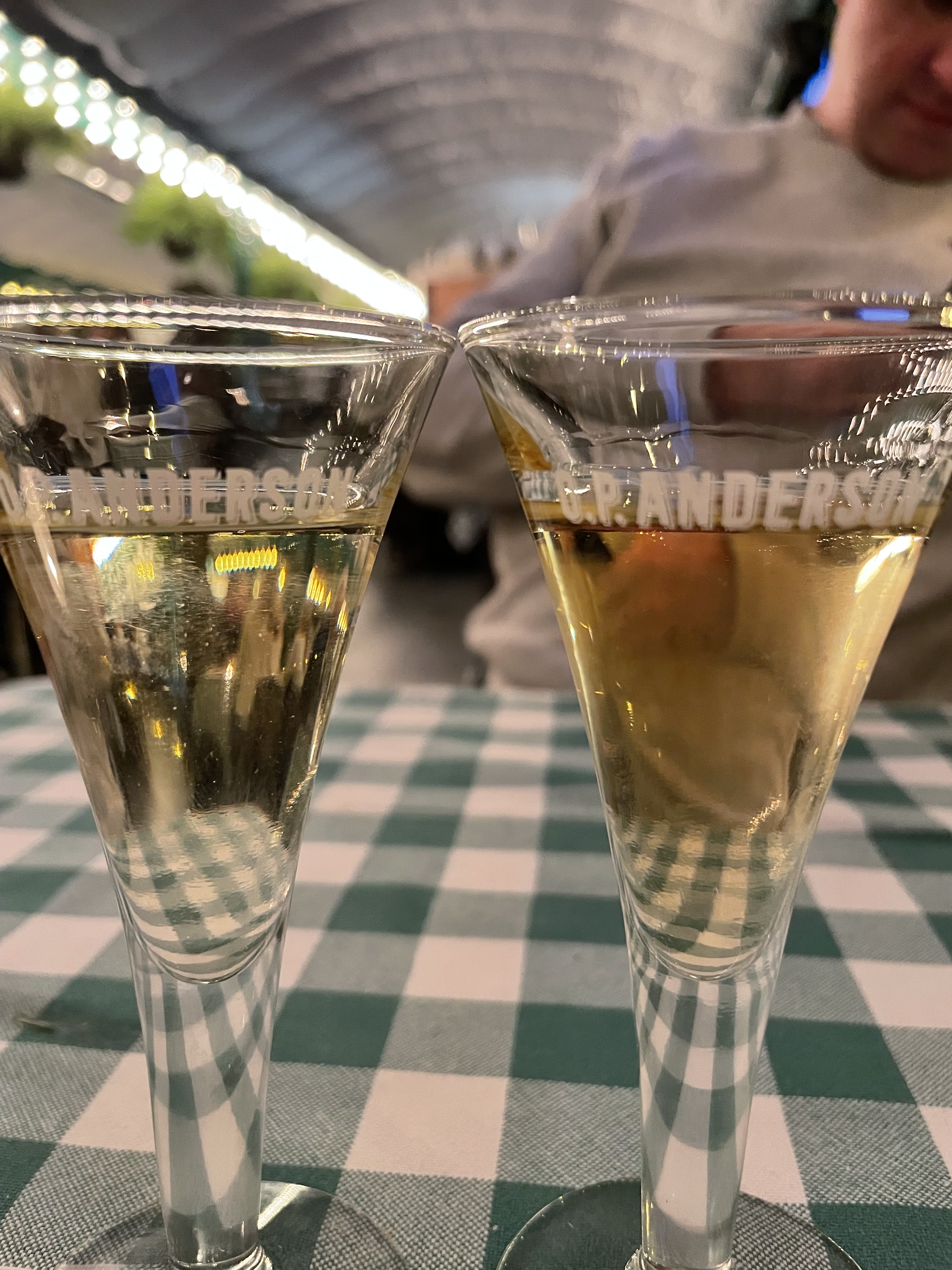
In my opinion, if you want to create a successful Danish dining capsule – limit the experimental and bone up on the classics. The Scandinavian palette is an appreciation of salty, bitter, sweet, and bland – sometimes all mingling in one dish. You can tickle your palette at traditional taverns like Restaurant Puk (Vandkunsten 8, 1467) and Restaurant Karla (Dantes Plads 1, 1556) where reliable offerings span from generous hunks of beef artfully surrounded by a mote of piped mashed potatoes to shellfish bisques to the always-reliable array of smoked fishes. Then, you’ll need to mine the aquavit menu selection (known in Denmark as snaps) – a distilled liquor from grain or potatoes, with a distinct lean towards caraway or dill flavor, served in small, chilled shot glasses. Some servers might be enthusiastic about their modern, trendy aquavits on offer and the explosion of notes you’ll experience (see: Restaurant Puk). On the contrast (and true to the frank Danish form), other servers might bluntly admit they think it is disgusting, then slam a bottle down for your tastebuds to be reckoned with as you hold back the laughter (see: Restaurant Karla).

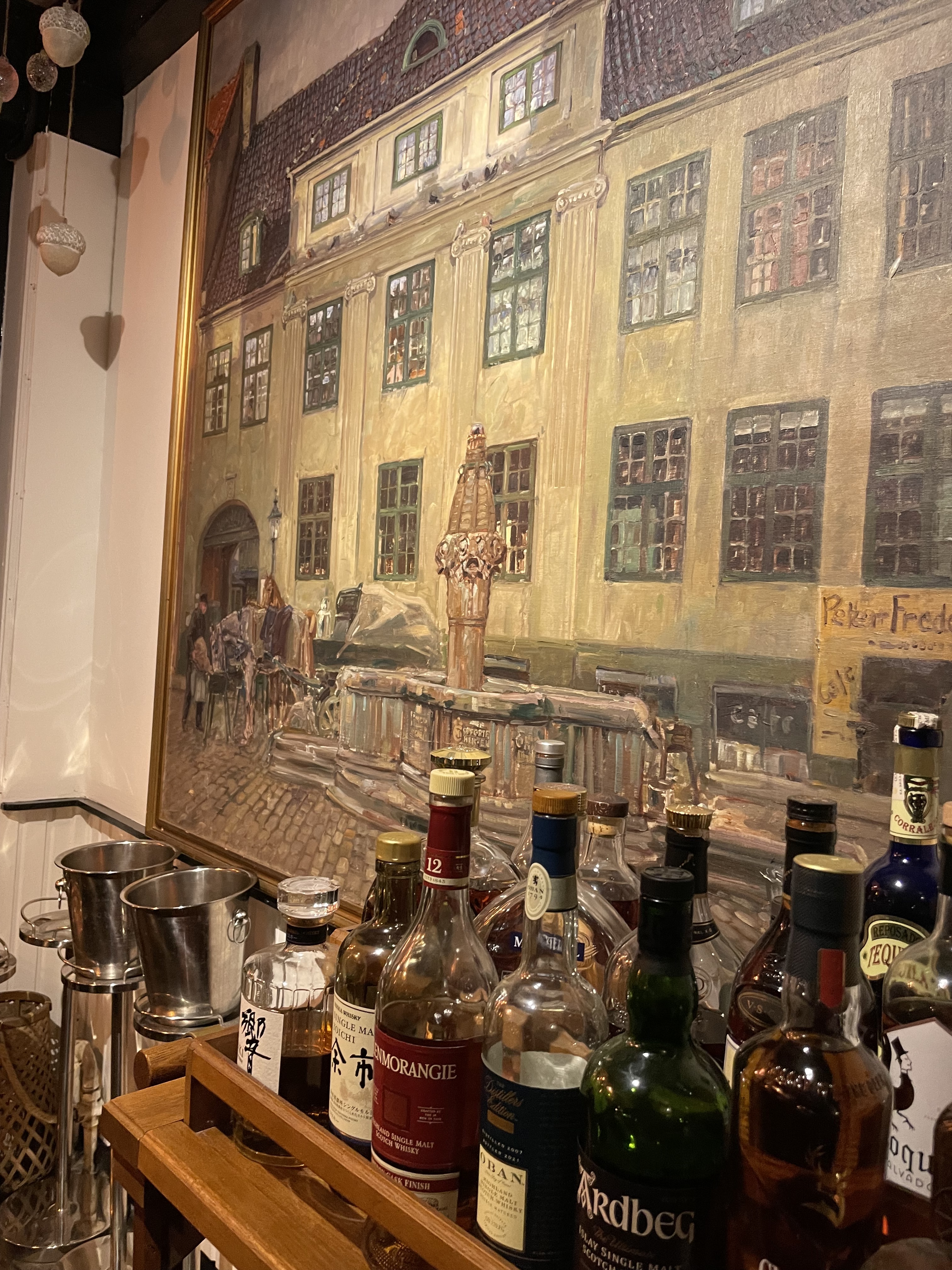
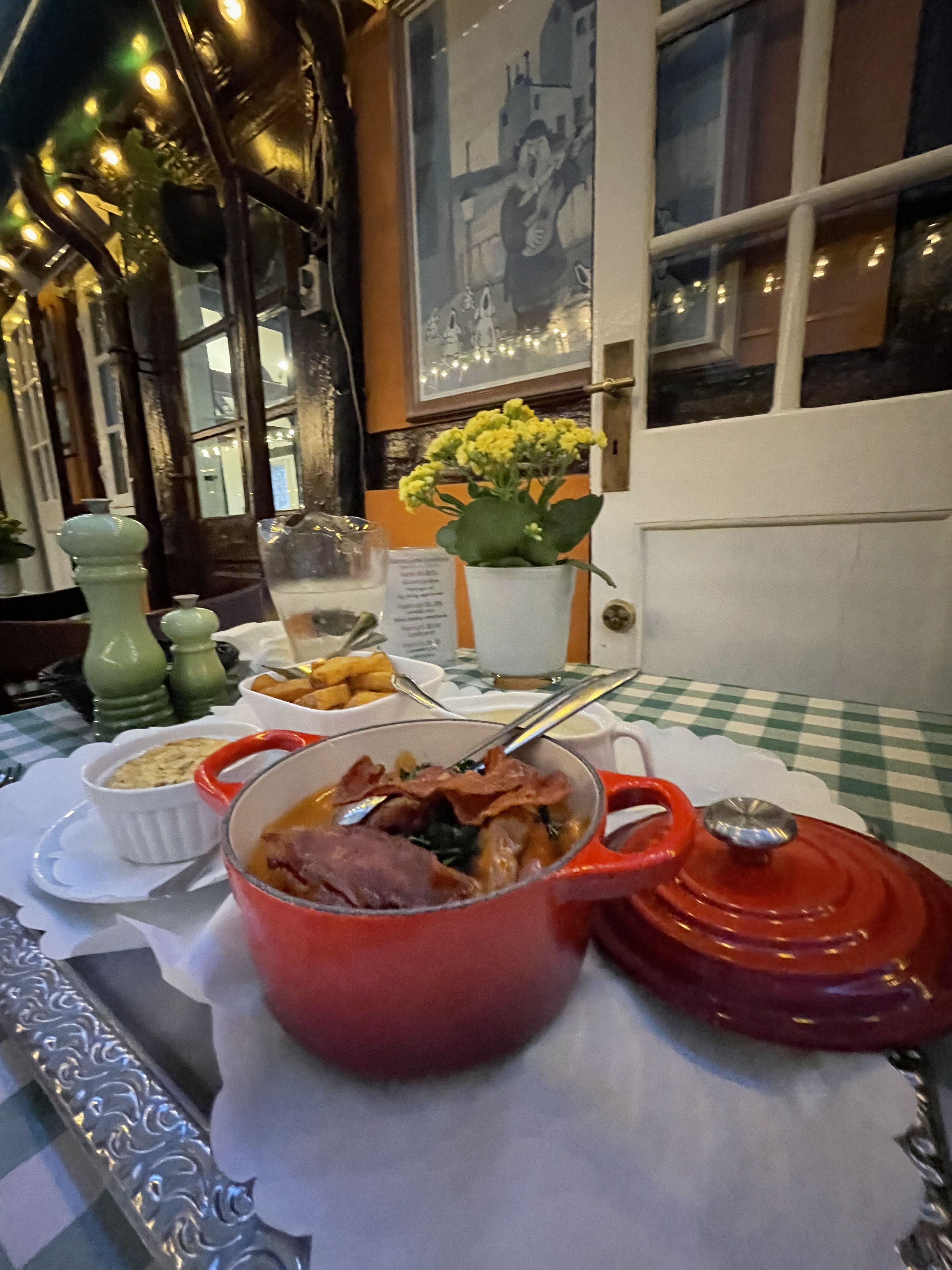
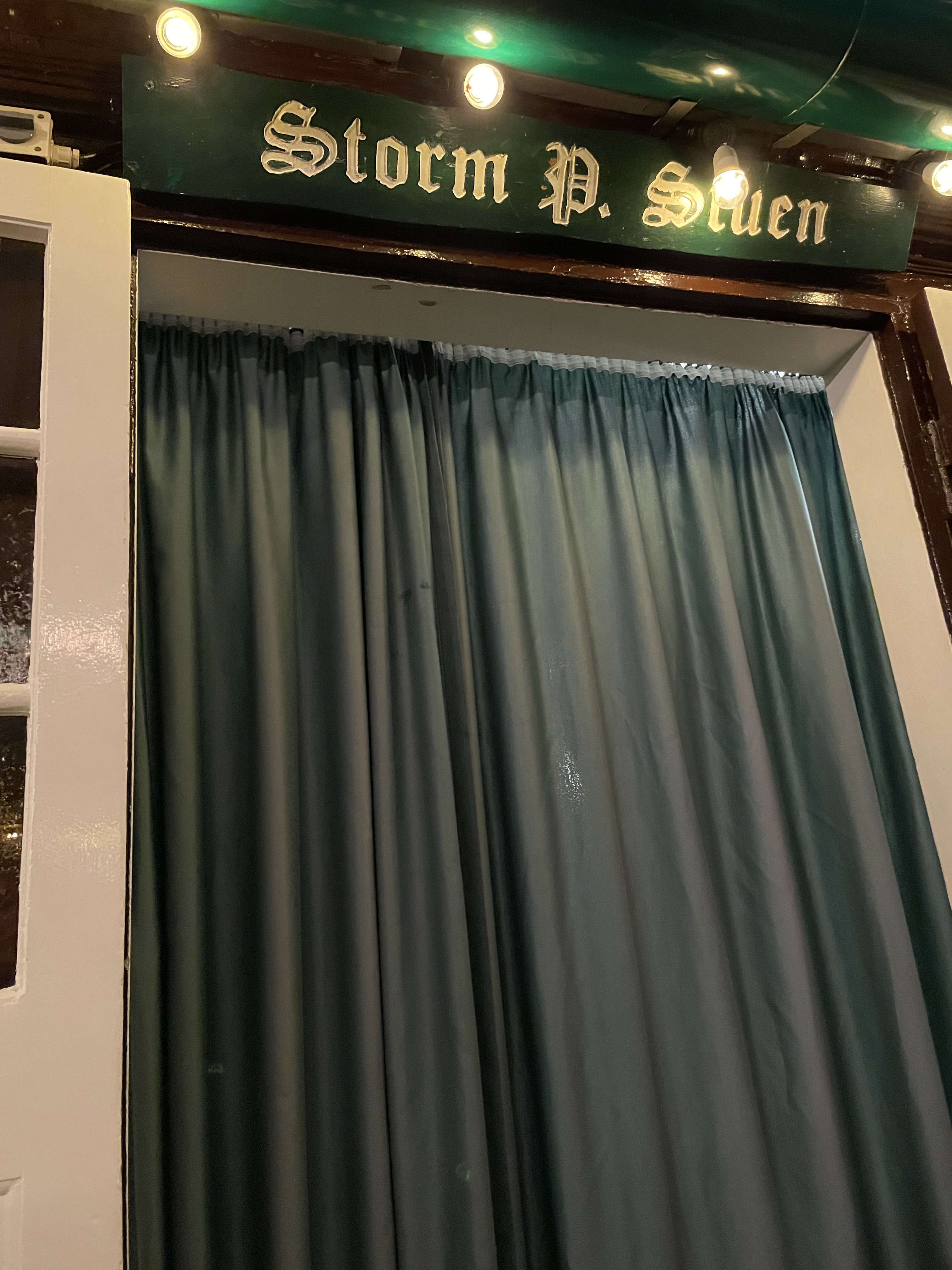
Spend your Sunday afternoon in smørrebrød paradise at Restaurant Kronborg (Brolæggerstræde 12, 1211). Witty servers will talk you through not over-ordering their delightfully delicate open-faced sandwiches and which snaps compliment, while families and friends gather, pissing the afternoon away in this cozy basement-level institution. But, the crowning classic that takes the tavern experience to the next level is Hansens Gamle Familiehave (Pile Allé 10, 12, 2000 Frederiksberg) – a spot slightly away from the city center, perched along Frederiksberg Park. Dating back to 1850, Hansens is overflowing with only a specific brand of quirk the Danes can execute, and you can feel the decades of family touches and local appreciation that has fueled generations of patrons. At first glance, the checkerboard tablecloths make you want write Hansens off as a family-friendly dud made for average food and drawn-out family Sunday lunches, but, the plentiful menu delivers (try the zesty choucroute-like pork-paprika dish). The long tables are heaving with diners in party mode and the decor is nothing to turn your nose up at. Look around and you’ll notice eccentric artwork and even a dedicated dining room to the cherished 20th century artist/humorist Storm P. – once a regular – and as usual – proves that Danish dining is always replete with a quirk or two and defies that notion that “traditional” dining has to be stale or boring.

Go experimental: Italy and Denmark – where two brilliant worlds collide
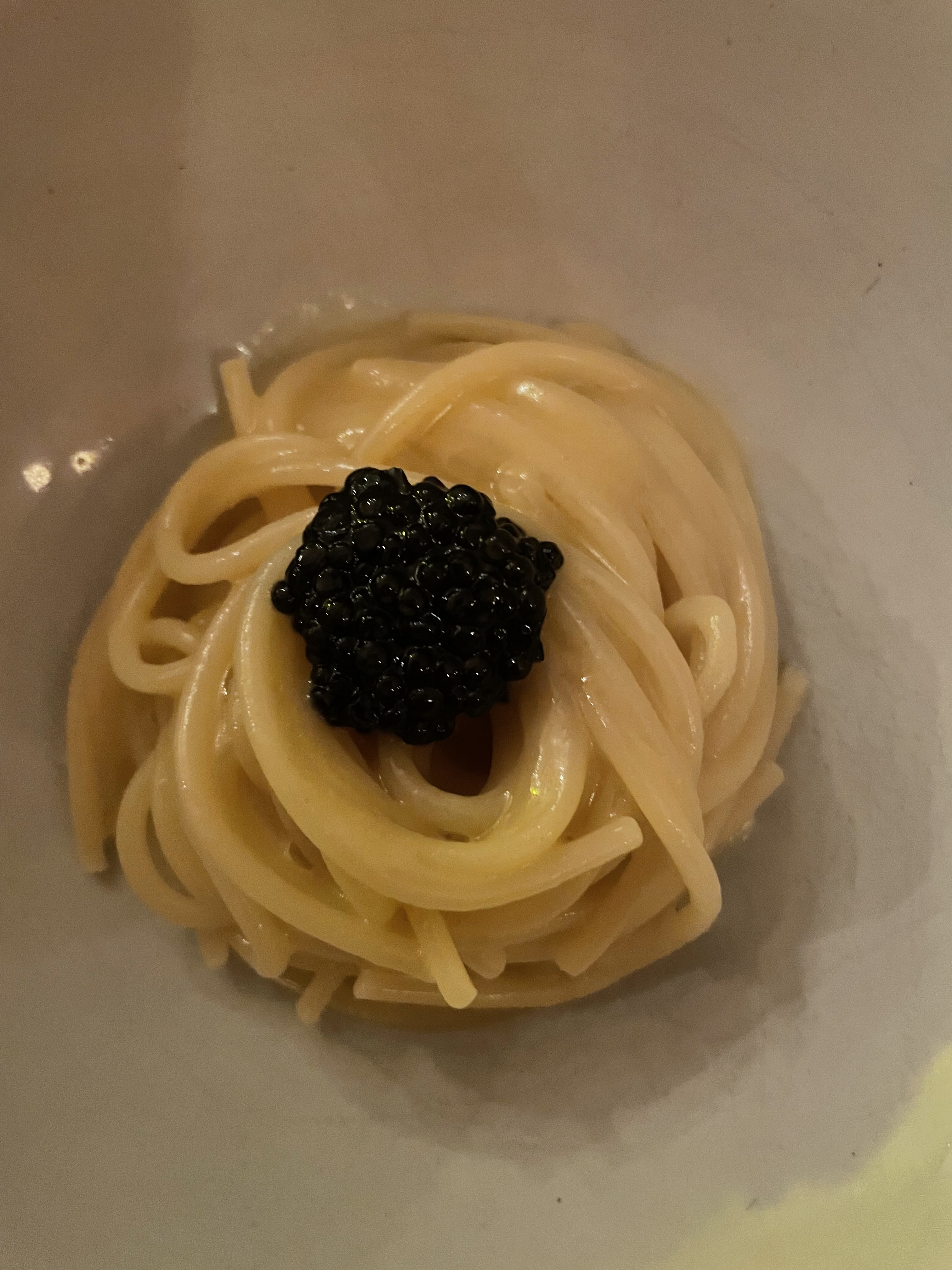
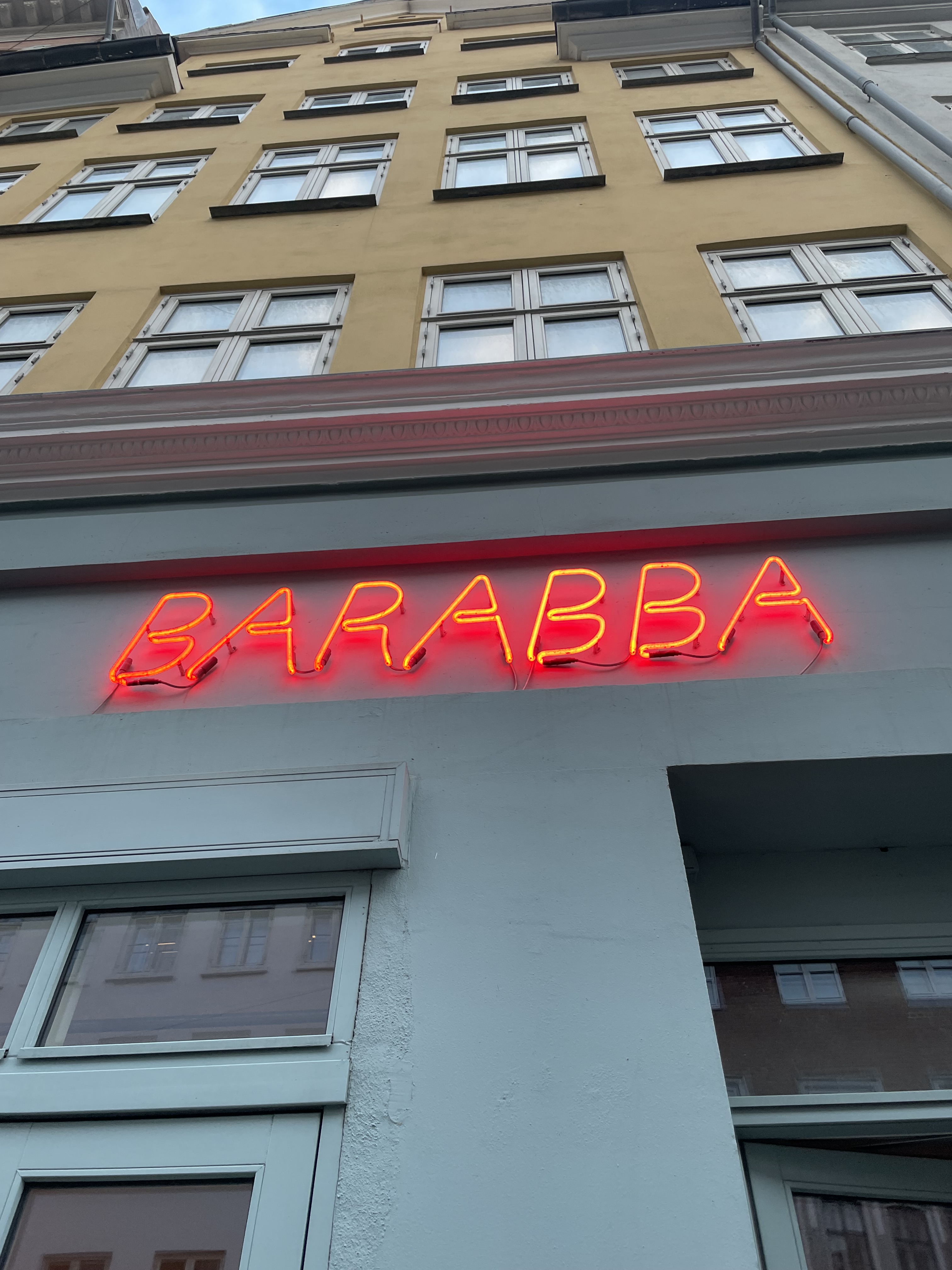
If you are going to invest your time and money in one experimental dining experience, go to Barabba (Store Kongensgade 34). Run by two Italian chefs, the shabby chic dining room feels like a clash of southern Italy with modern Danish sensibility, crowned by showstopping spearmint-green Murano lighting that sparkles above while you enjoy a nine course tasting menu including the most flavorful chickpea farinata (pancake) and succulent octupus you’ll ever enjoy. The standout? My pasta fever dream: spaghetti with butter colatura (anchovy) and caviar – the most unforgettable, indulgent delight that is the holy grail for a pasta lover. A solid new wave soundtrack and a rotating cast of cool Italian chefs presenting their creations tableside makes this place sheer heaven.

Copenhagen: Bjørn Wiinblad and The Blue House

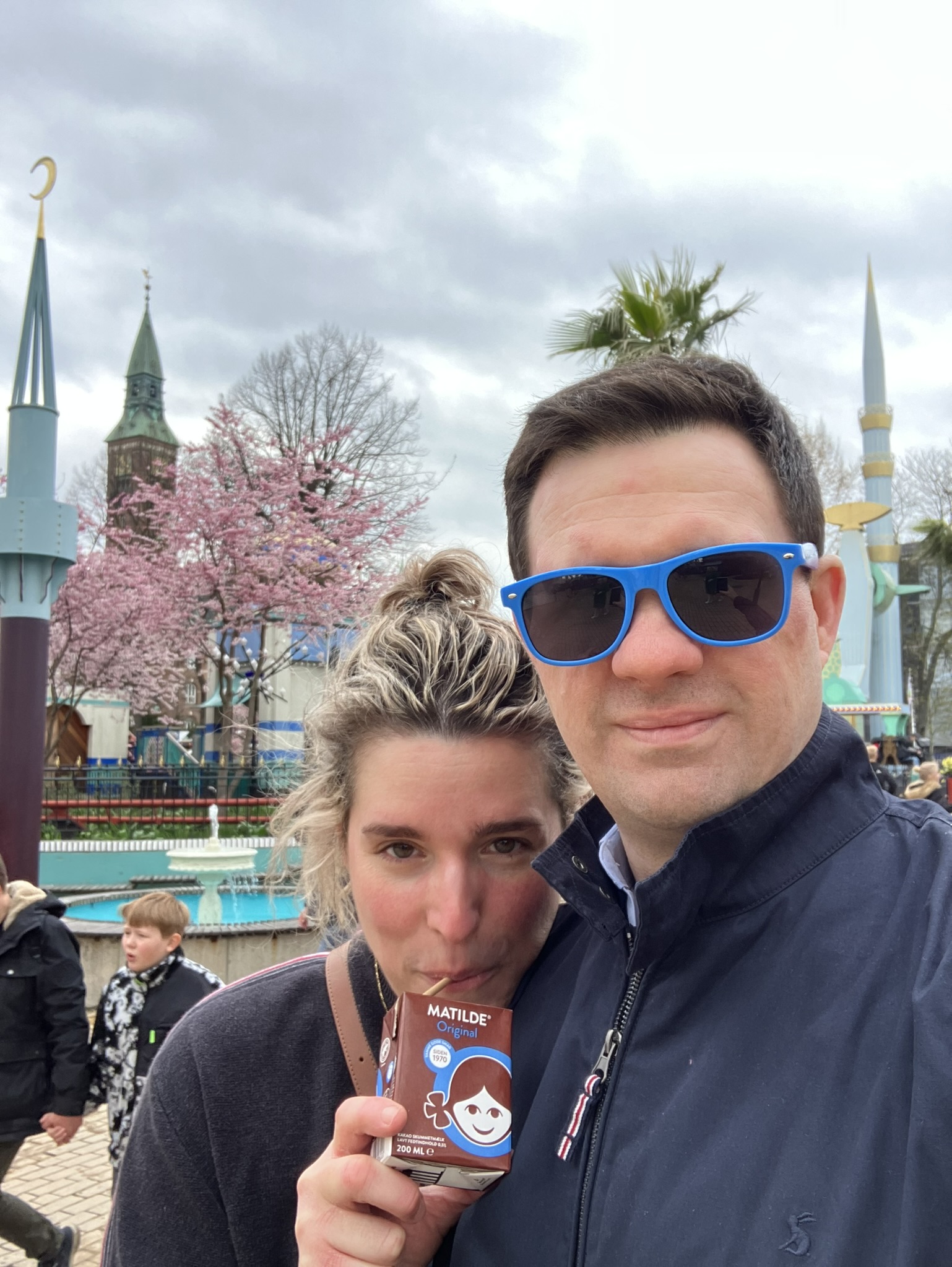
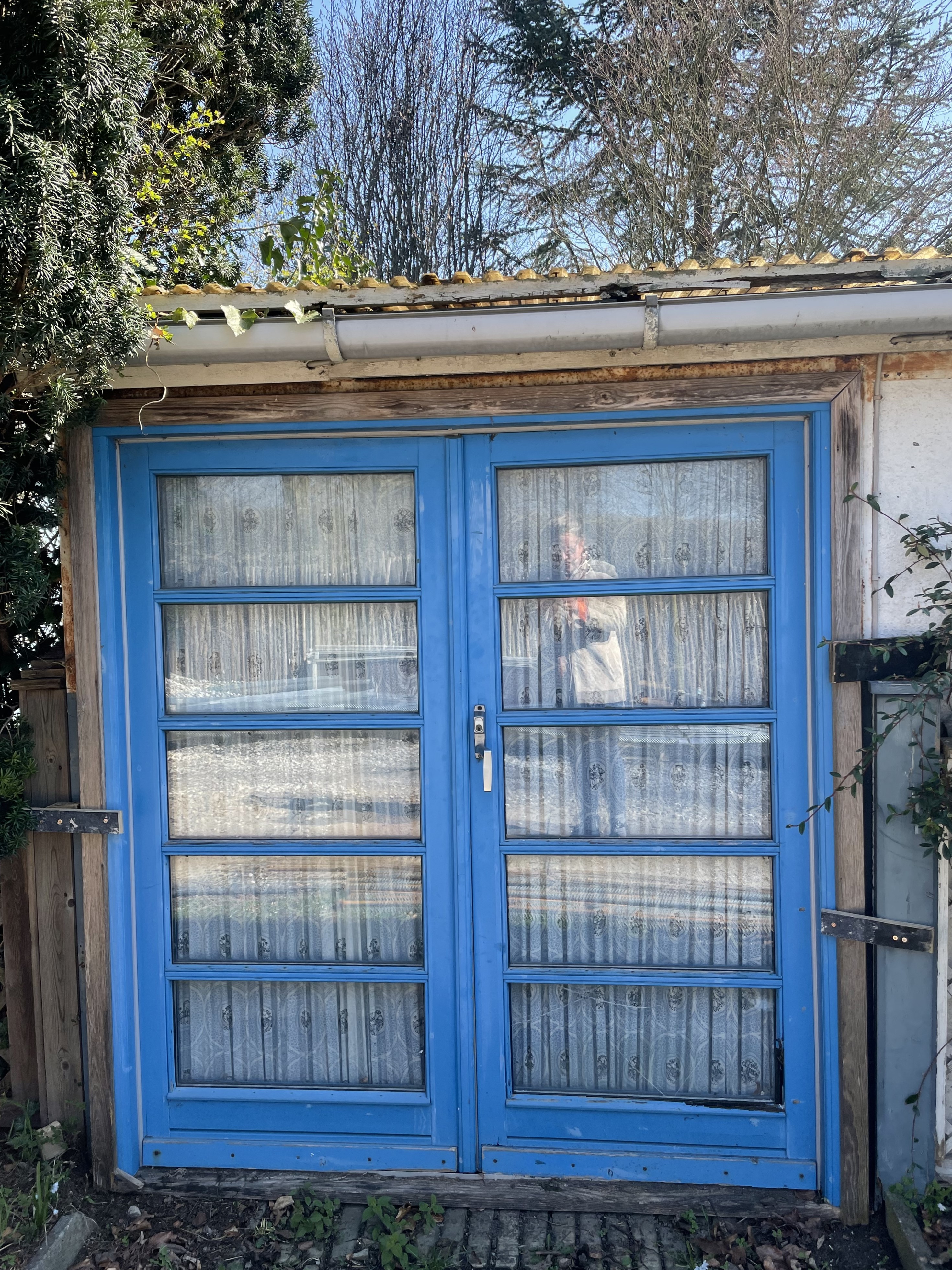
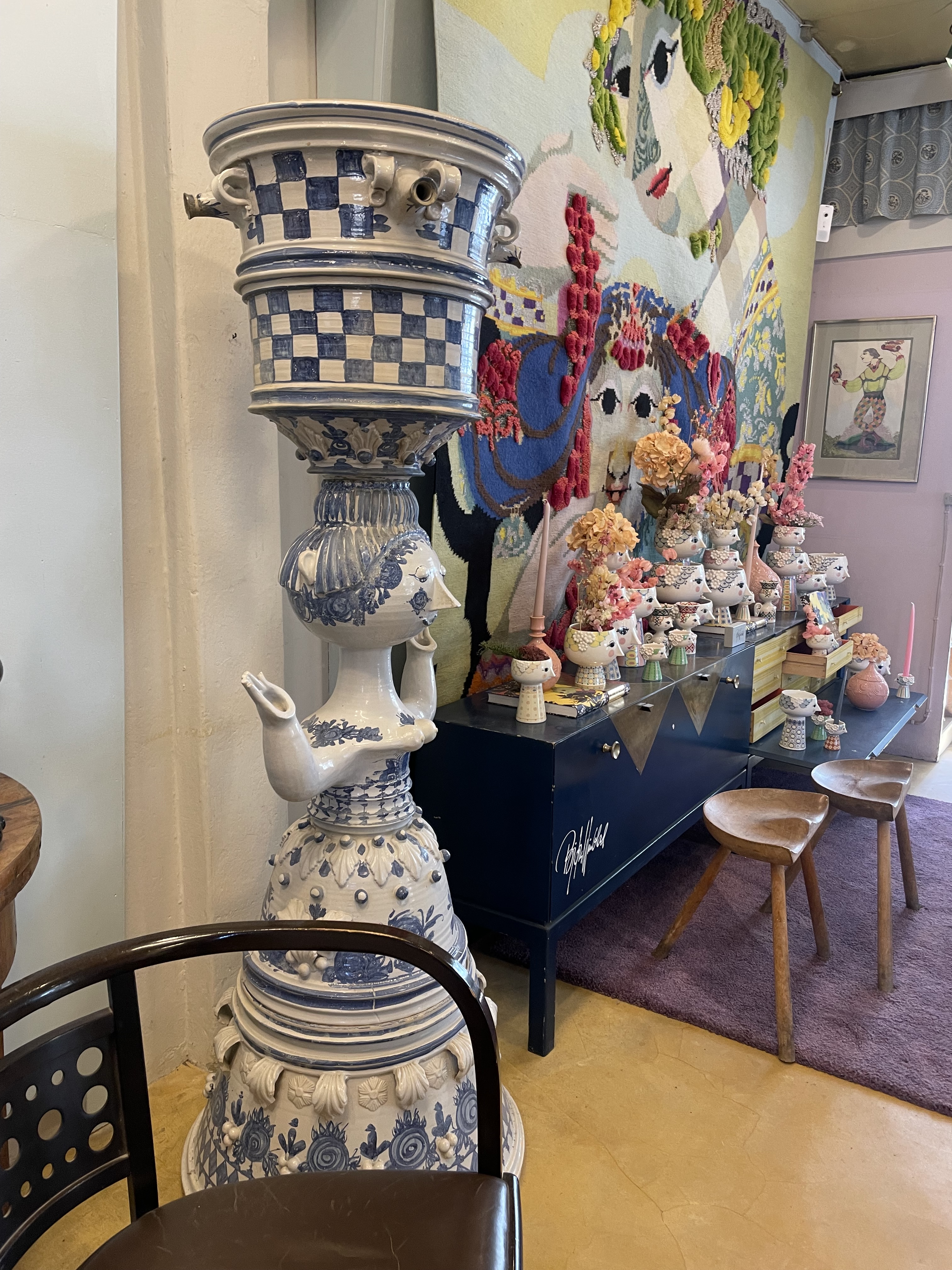
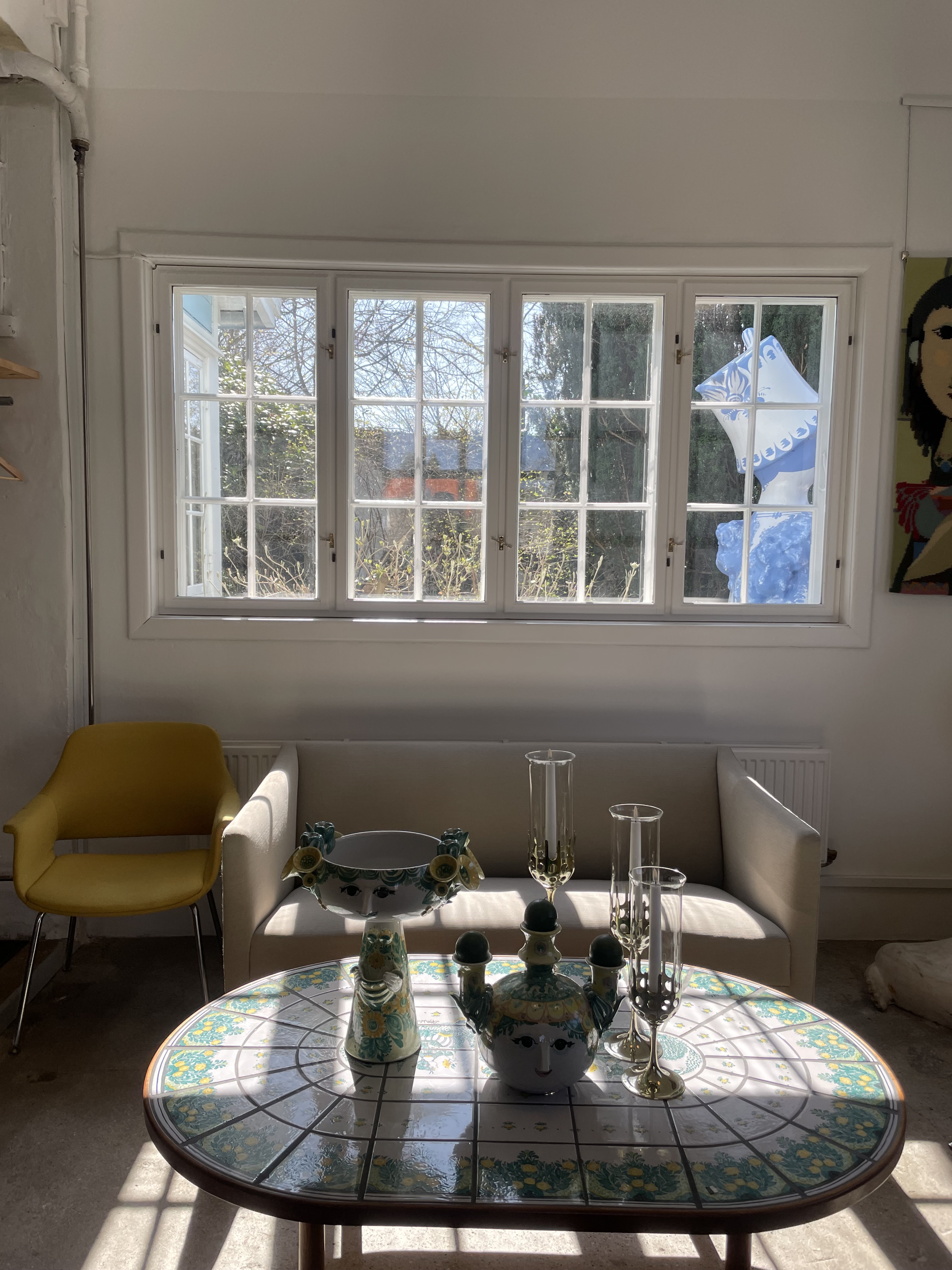
There was something extra special about a recent visit to Copenhagen. The last time there was a pre-pandemic Christmastime weekend spent sipping gløgg at a holiday market and watching The Nutcracker in Tivoli’s earthy, wood-paneled Concert Hall. We mainly traversed the city among the candlelit darkness, but this sun-fueled springtime jaunt centered around a pilgrimage to The Blue House. This is the former home (and now shrine) to the personal life and career of Denmark’s beloved Bjørn Wiinblad. One of the most famous modern day artists to emerge from post-war Denmark, Wiinblad created both private and commercial works – but was exceptionally successful on the retail side, reproducing his designs of whimsical women and fantastical, borderline psychedelic faces [mainly in pottery form] for houses Rosenthal and Nymølle Denmark – making his work accessible at all price points. Perhaps if you have a northern European grandma or are an antique-shop-rummaging pro, you will have most likely spotted his pottery reproductions nestled in a pile or hidden on a dusty shelf. I discovered his work at a Brighton Oxfam back in 2007, and knew my design interests would never be the same again; Wiinblad was my gateway into the world of 20th century Scandinavian arts.

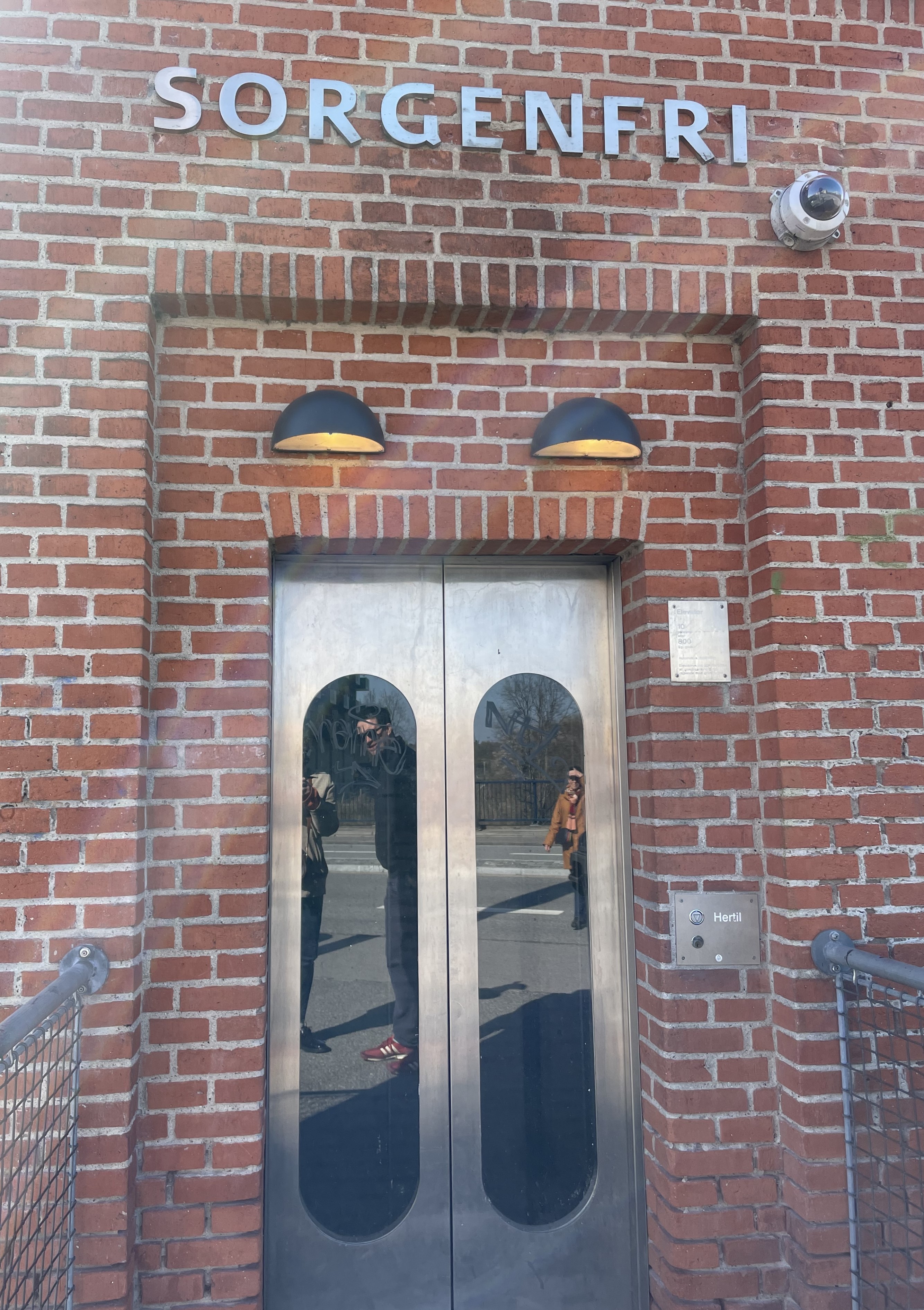
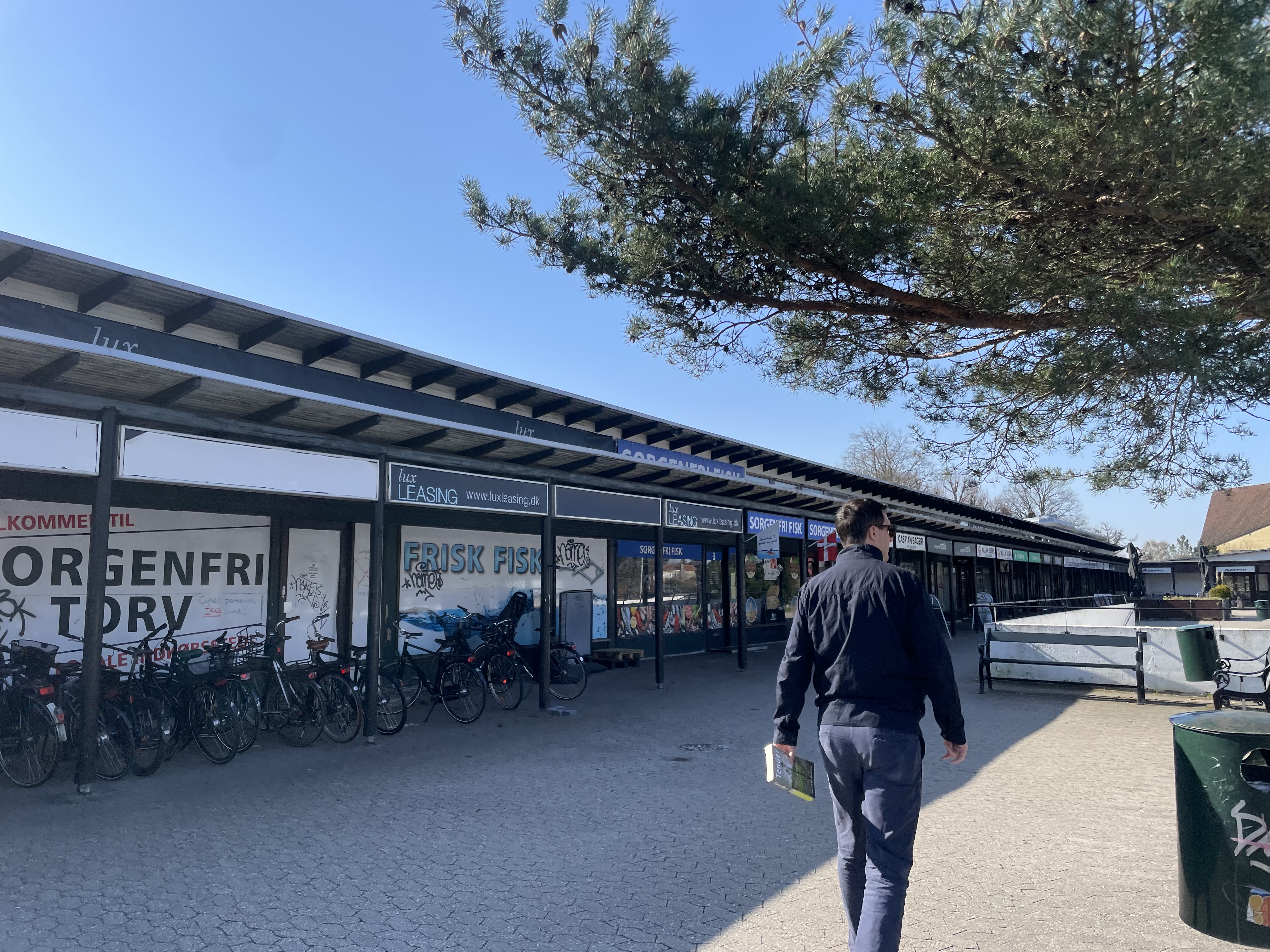
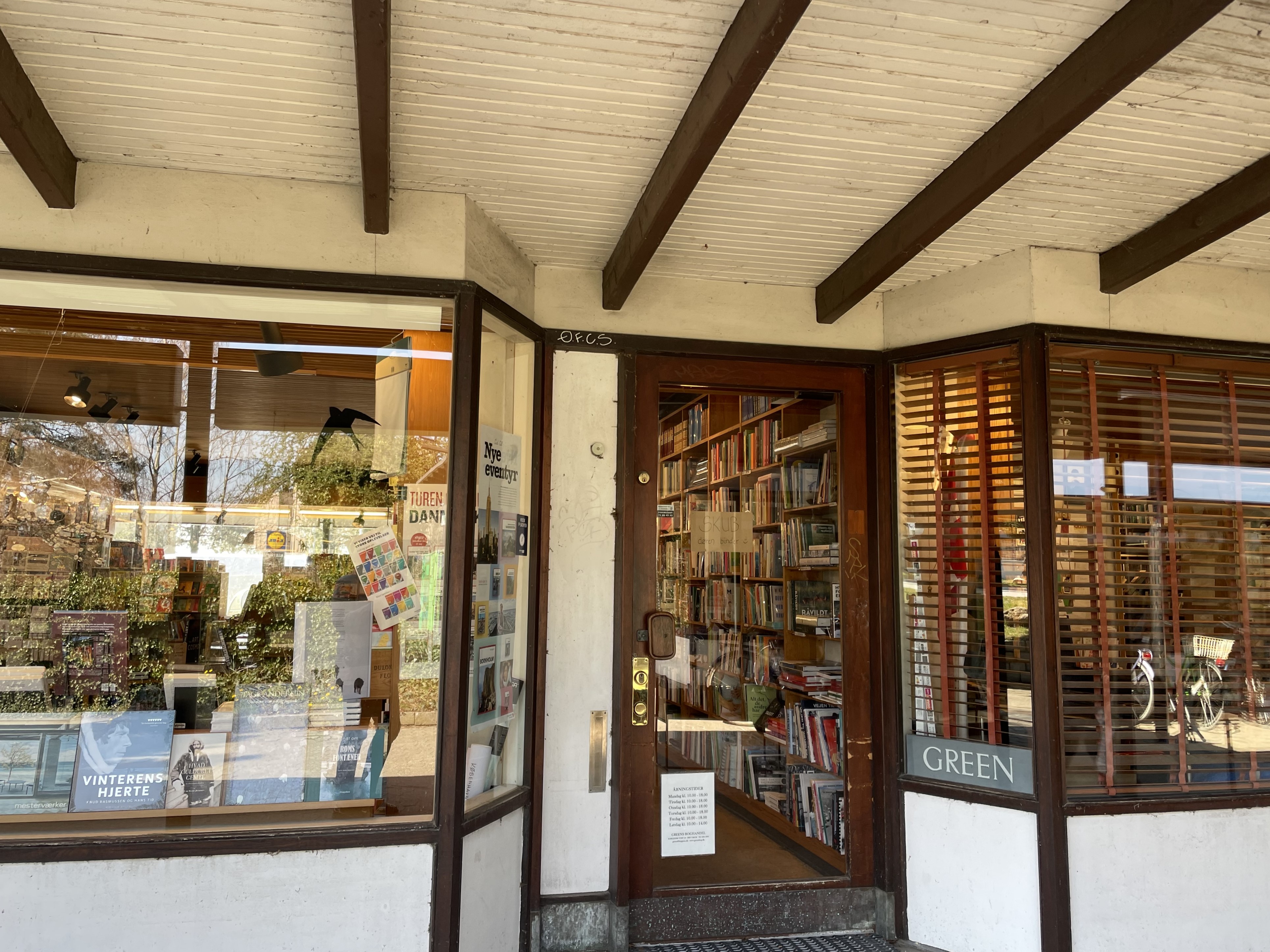
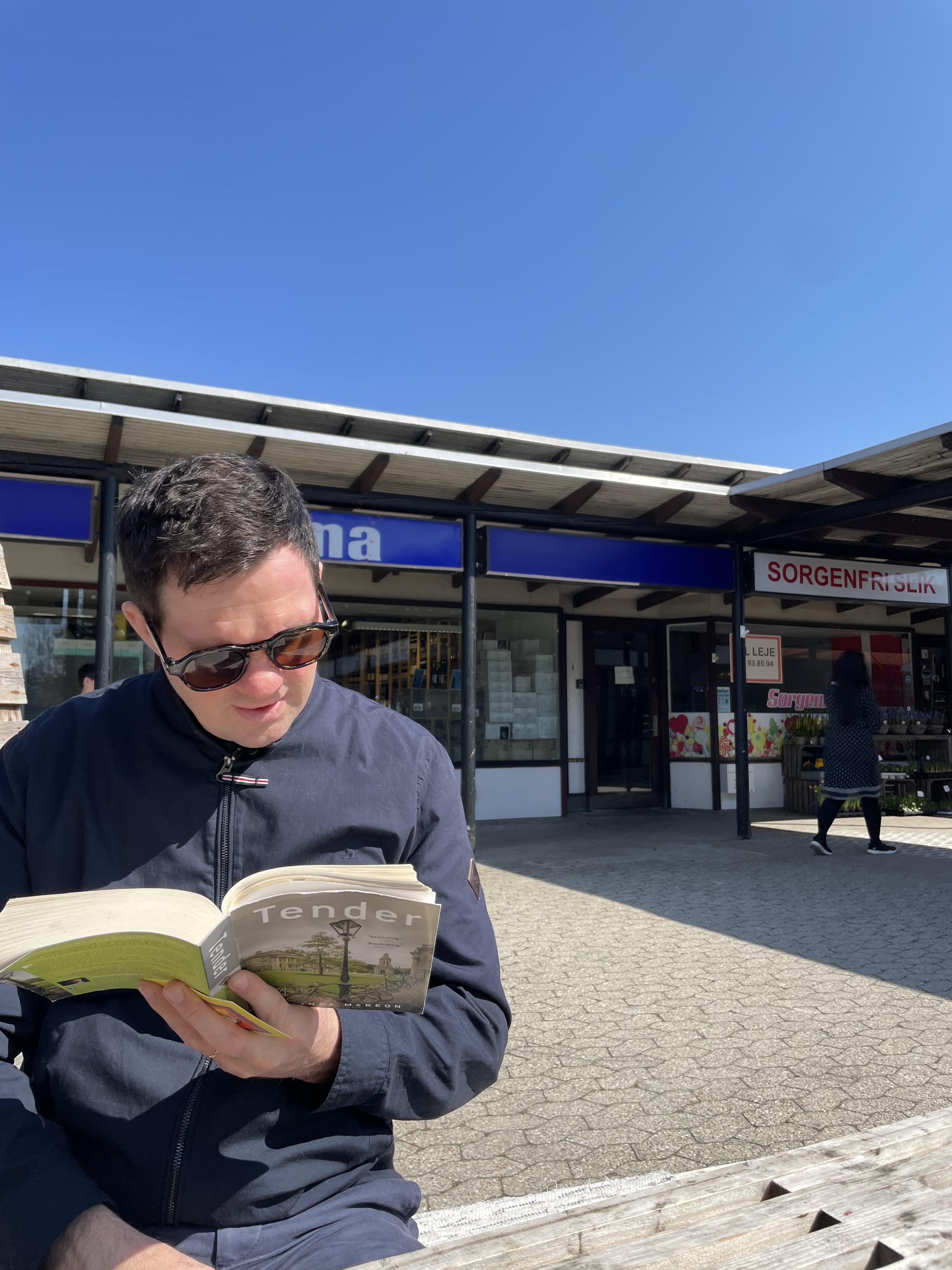
Taking the train from Copenhagen central about 30 minutes into the suburbs, you’ll wind up in the leafy Lyngby area. Exit at the Sorgenfri stop, and you’ll be met by a quaint set of local shops – worthy of a quick browse and hot dog snack. Make sure to pop into the bookstore Greens Boghandel (Sorgenfri Torv 20, 2830 Virum). Upon making conversation with the owner, it was immediate proof of how many lives Wiinblad touched in his community and beyond. The owner explained how he was once gifted with a custom-made piece of pottery that still sits on his desktop, and even disclosed details about the day of Wiinblad’s funeral. He went to “the house” and sipped champagne, nibbling luxurious bites – all meticulously planned by Wiinblad to reinforce his eternal love of finery. Even before approaching The Blue House it was a testament that this artist simply loved life and creating a sense of happiness for anyone in his orbit, even after his time on earth. I thought about how I discovered his work soon after his 2006 passing, a testament to the powerful afterlife that artists possess.

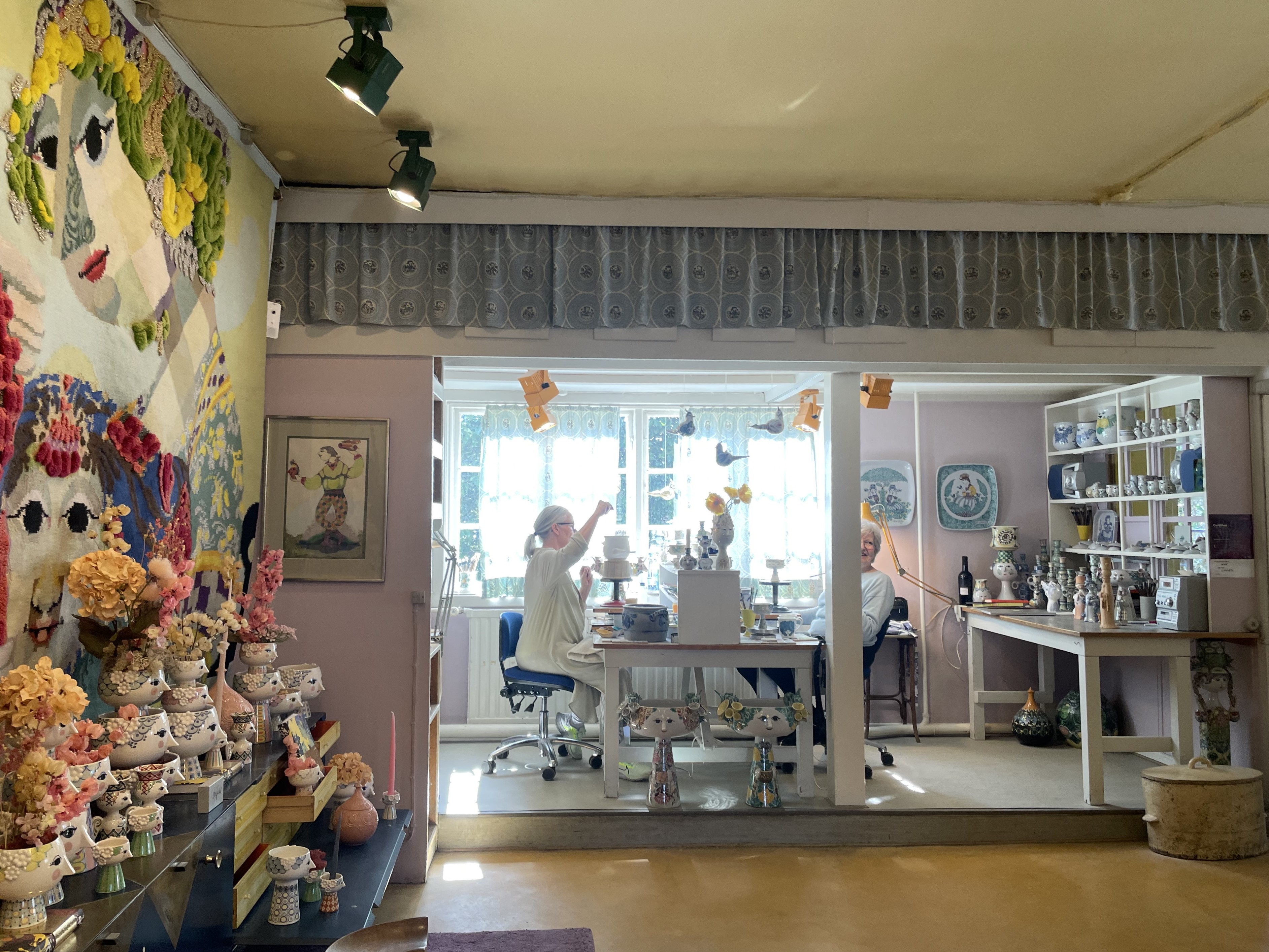
Private tours can be booked, hosted by Wiinblad’s longtime chauffeur and right-hand man, René Schultz. We were guided around the petite cottage property that sits over two floors – replete with a drafting room, workshop and private residence. Upon entering the workshop, you’re greeted by the artists studio where two older (whimsical) women sit on a daily basis, having been trained by Wiinblad when they were young. They now reproduce his pieces, with classical music playing in the background and the sun shining through. I have never felt like more of a voyeur into someone’s life, gazing at the midcentury monochrome rooms – a green-hued parlor with the seat cushions still showing signs of imprints, the grand but cozy blue dining room that literally sparkled – with handcrafted table settings [Wiinblad always customized his dinner guests’ placements] surrounded by what appeared to be some of his most beautiful pottery creations ever seen. You could envision the elaborate caviar-fueled dinner parties with the queen of Denmark and other celebrity friends. Housed in this modestly sized property were riches of a well-lived life – with no photographs allowed – which truly made you feel like modern life was miles away.

But, that is so Danish – having lived this larger than life existence, but in a modest, understated way. Mr. Schultz dazzled us with anecdotes where you could feel Wiinblad’s presence – such as another part of the funeral story – when the veranda’s ceiling tiles (all hand-placed by the artist) came crumbling down not long after his burial. Or, when I asked who inspired the faces of the whimsical women. I was expecting some grand response in the vein of Greek godesses, but Mr. Schultz simply retorted: “I think Bjørn was inspired by his mother’s face.”

I could not help but be emotional visiting The Blue House. It was everything I was expecting and more. There are few people whose life I would like to emulate, and Bjørn Wiinblad’s is one of them. He truly loved art, travel, and the wonderment of life. I hope that my fellow antique-mad travellers continue to discover his work and keep the appreciation for his whimsical aesthetic alive.

Lagom & Light in Sweden

For the past few years, I have a been accumulating a compilation of very clear snapshots from my Swedish experiences. A constant of these visits is the presence of a neverending cerulean blue sky, purveyor of the lack of sleep I can’t help but experience….

24 hours in Malmö
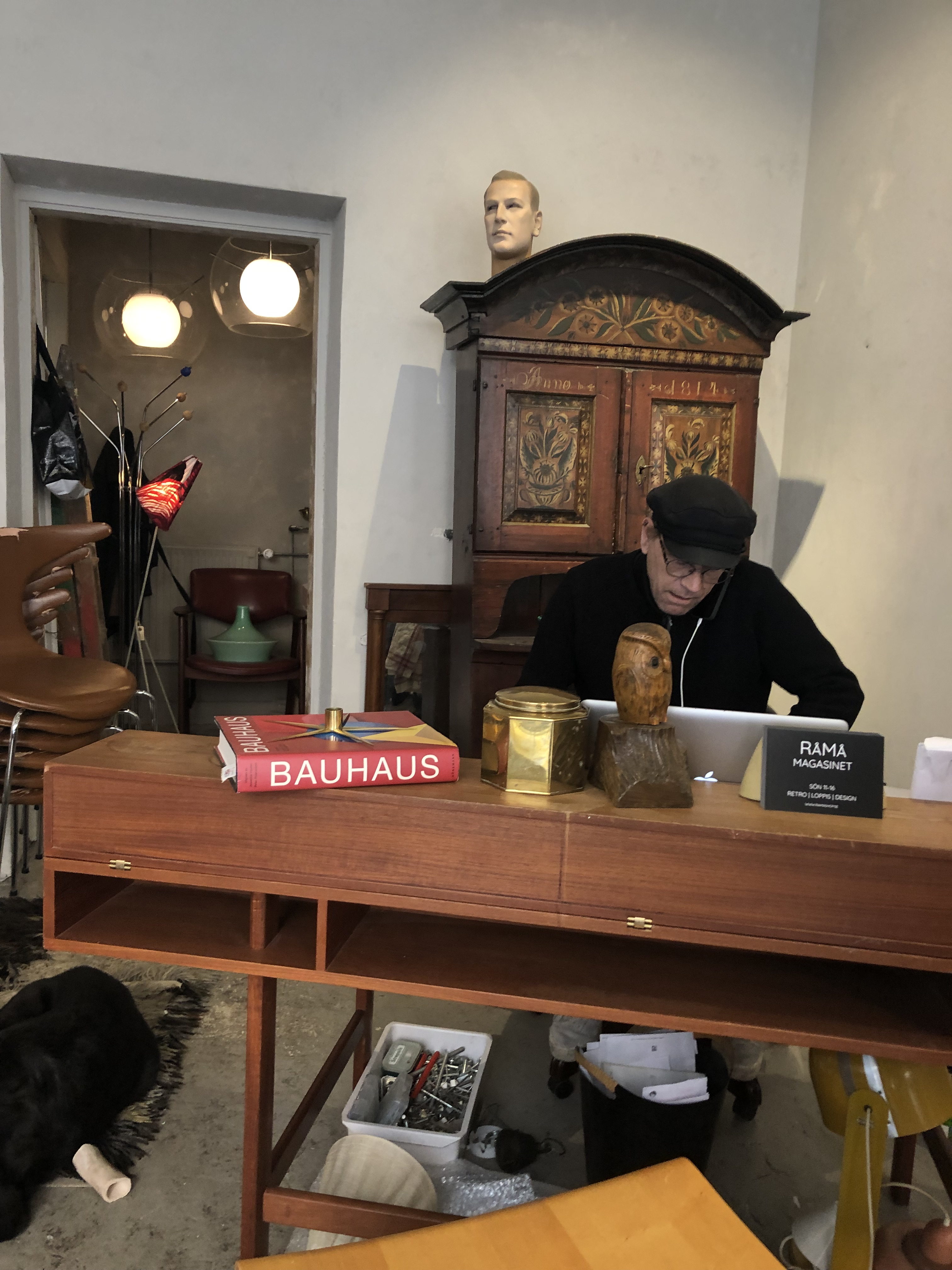
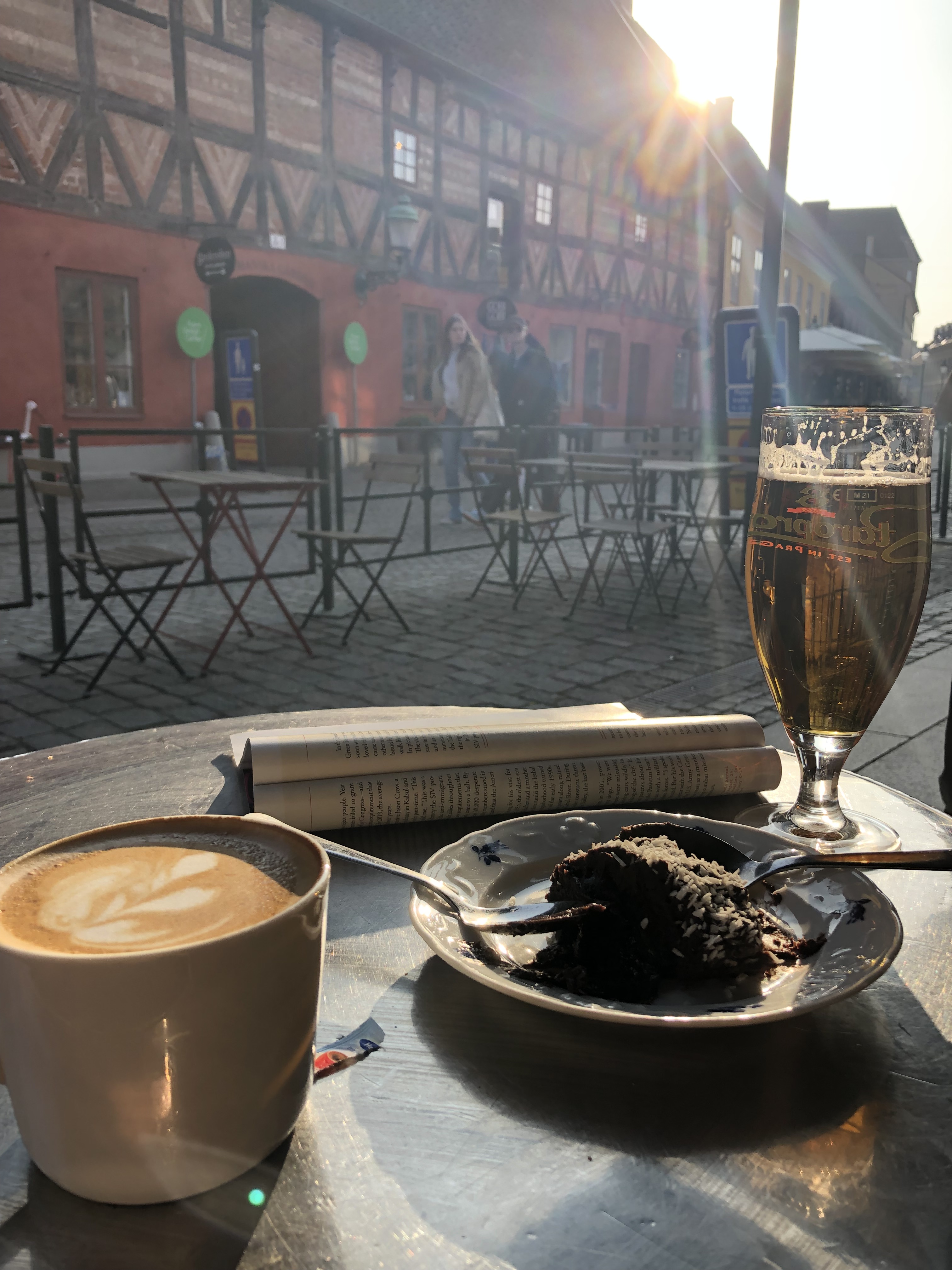
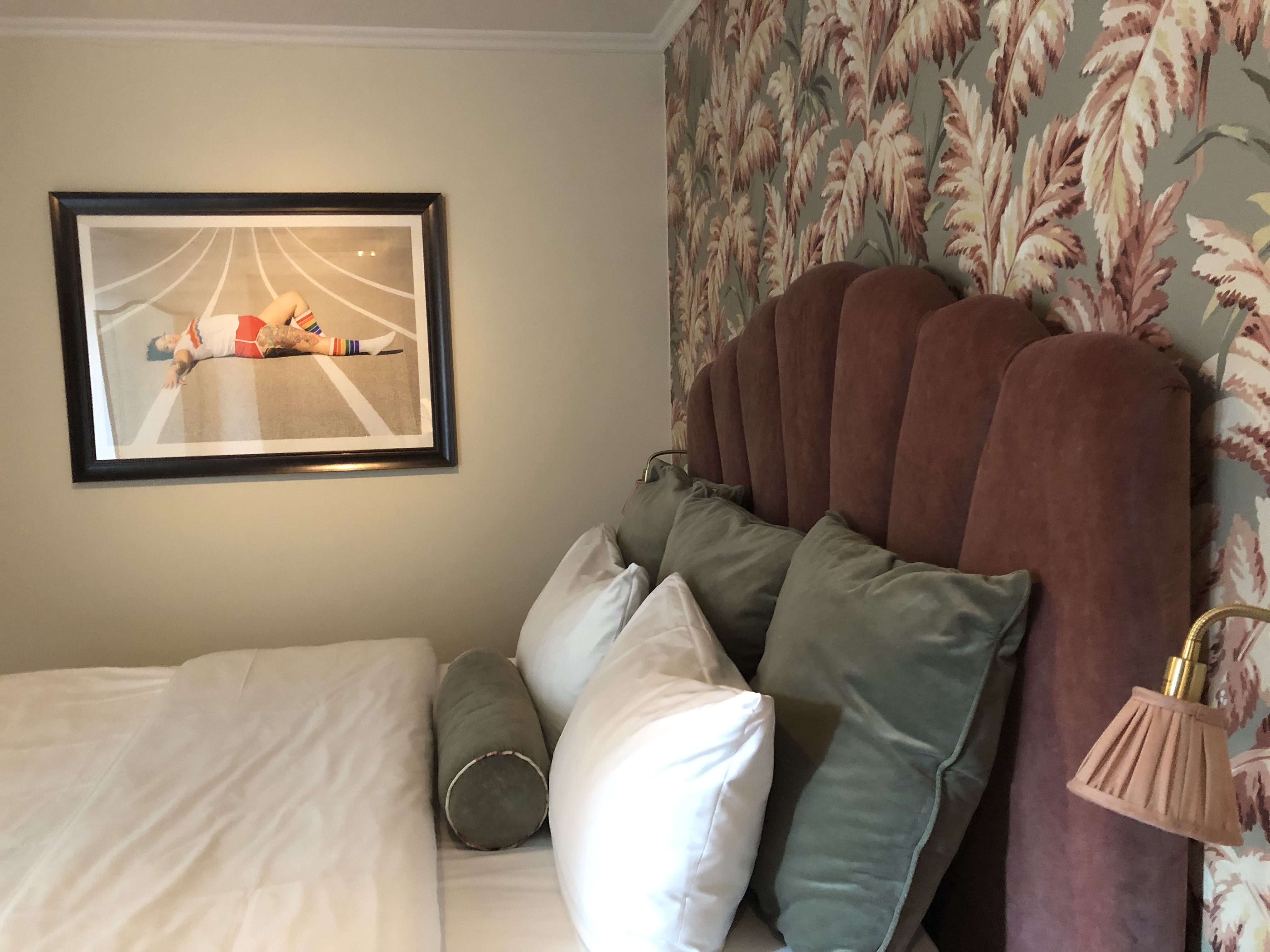
I think about the night before our visit to Malmö, when I couldn’t fall asleep, then spent the long ride waking up intermittently to new passengers – the teens napping and clutching their snus as we chugged across the achipelago dotted with cozy red cottages. Arriving in this unassuming, small city was an understated surprise, packing a punch with some impressive antique stores [especially one of the coolest shops I have had the privilege of visiting – RåMå Antik & Design (Kärleksgatan 4)], followed by late afternoon fika, indulging in devilishly memorable chocolate cake at record store-cafe Folk å Rock, and staring across the street at the storybook landmark Casa “Ekströmska” (Skomakaregatan 11). Then spending a crisp night seeing Kings of Convenience at the hauntingly industrial venue Slagthuset (Erlend and Erik happened to be the catalyst of this trip), followed by inventive Nordic-Italian small plates at Ruths (Mäster Johansgatan 11), and finally putting ones feet up at the velvet-clad [courtest of House of Hackney] party hotel, MJ’s (Mäster Johansgatan 13).

Strawberry season in Stockholm
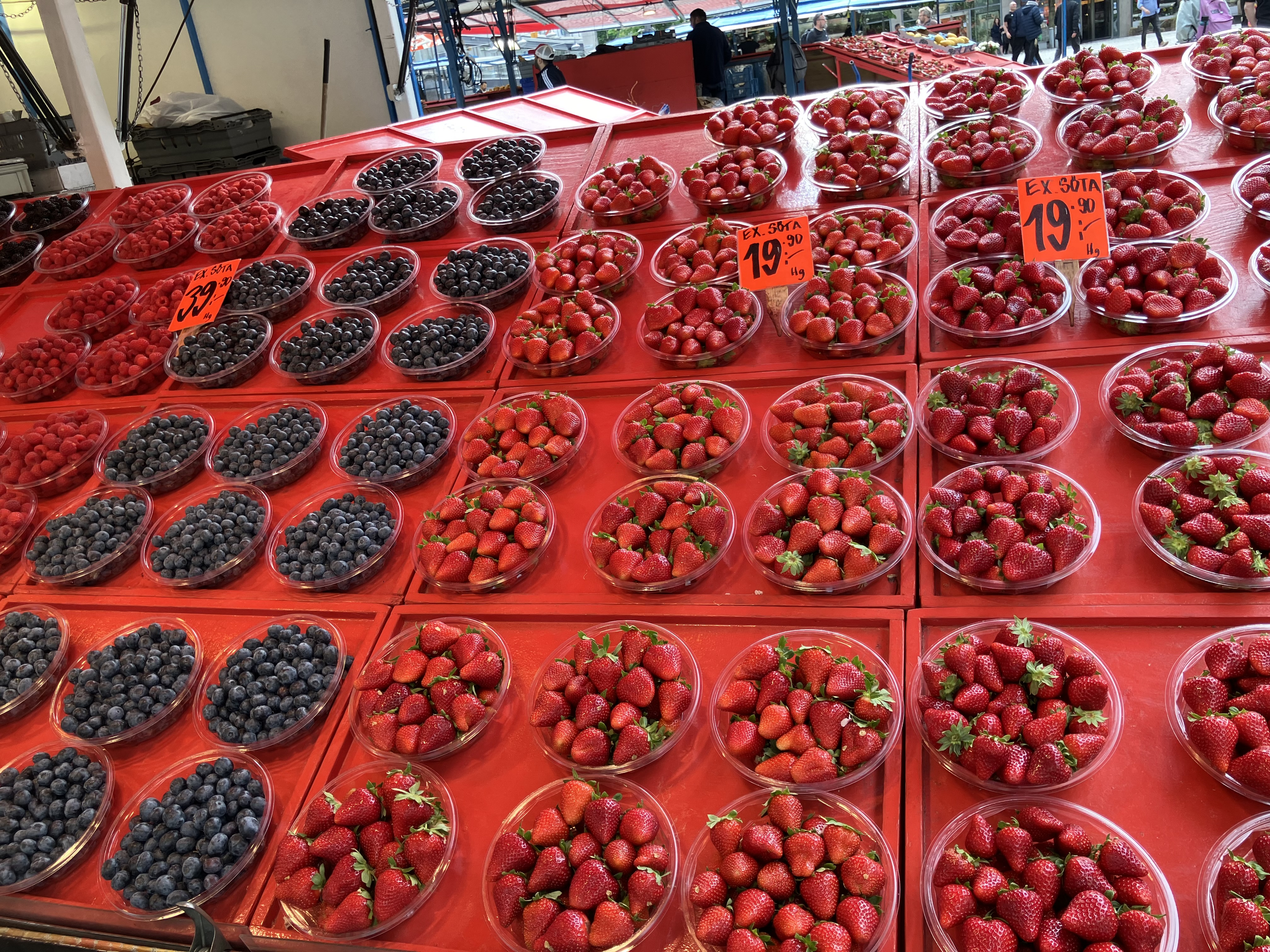
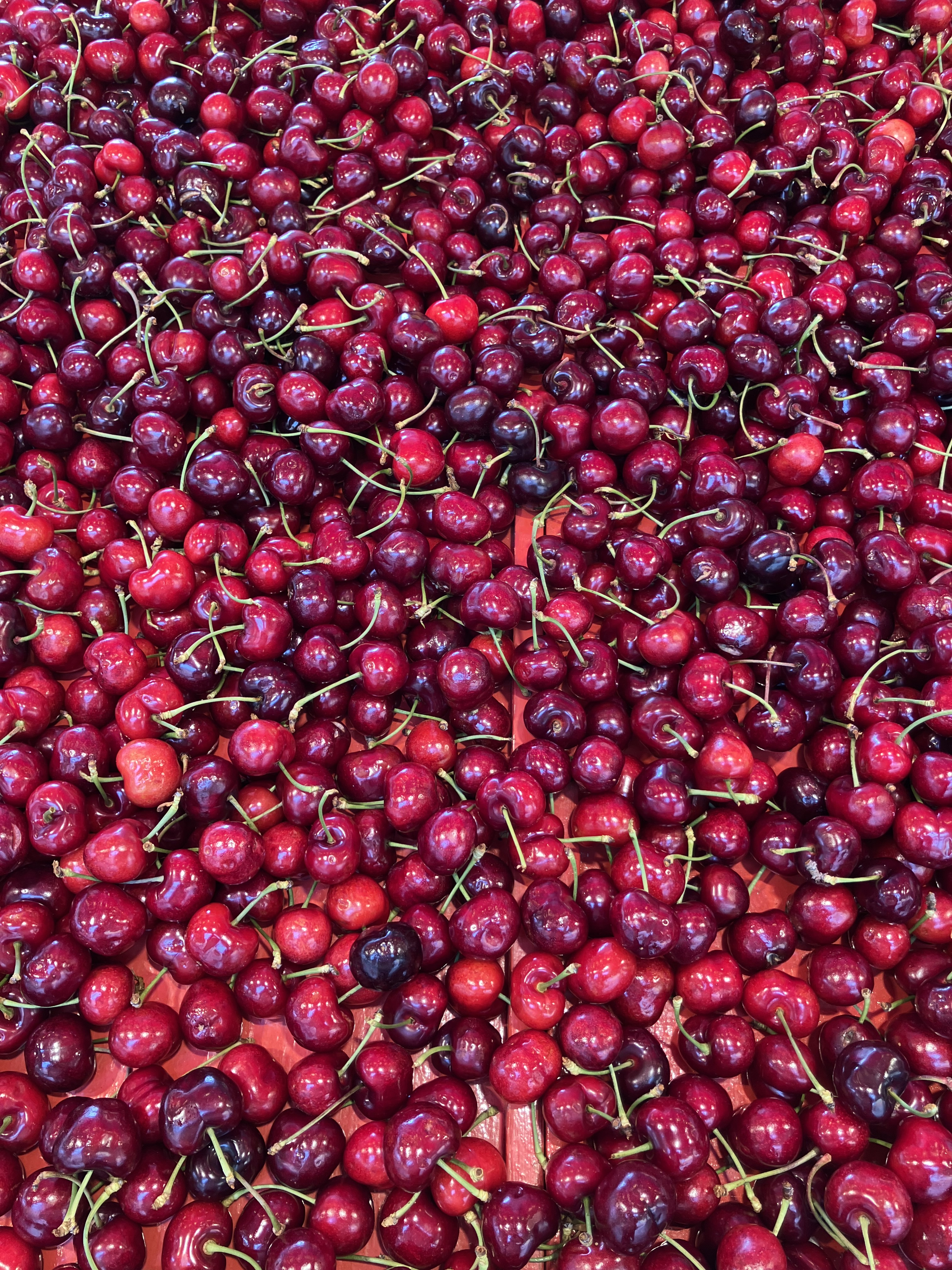
Apparently Swedes think their strawberries are the best in the world. Fact? I don’t know – but on a recent May 2023 visit, they were the sweetest I ever sampled and seemed to dollop and drizzle on bakers racks around town. More on the strawberries in a moment. I find that the recipe to visiting Stockholm is accepting that the reliable, longstanding spots overtake the new, and there is something nice about a city that, in this uncertain economic climate, manages to hold on to longstanding businesses that feel like they aren’t ever going away – especially coming from NYC where it feels like everything reliably classic is being demolished.

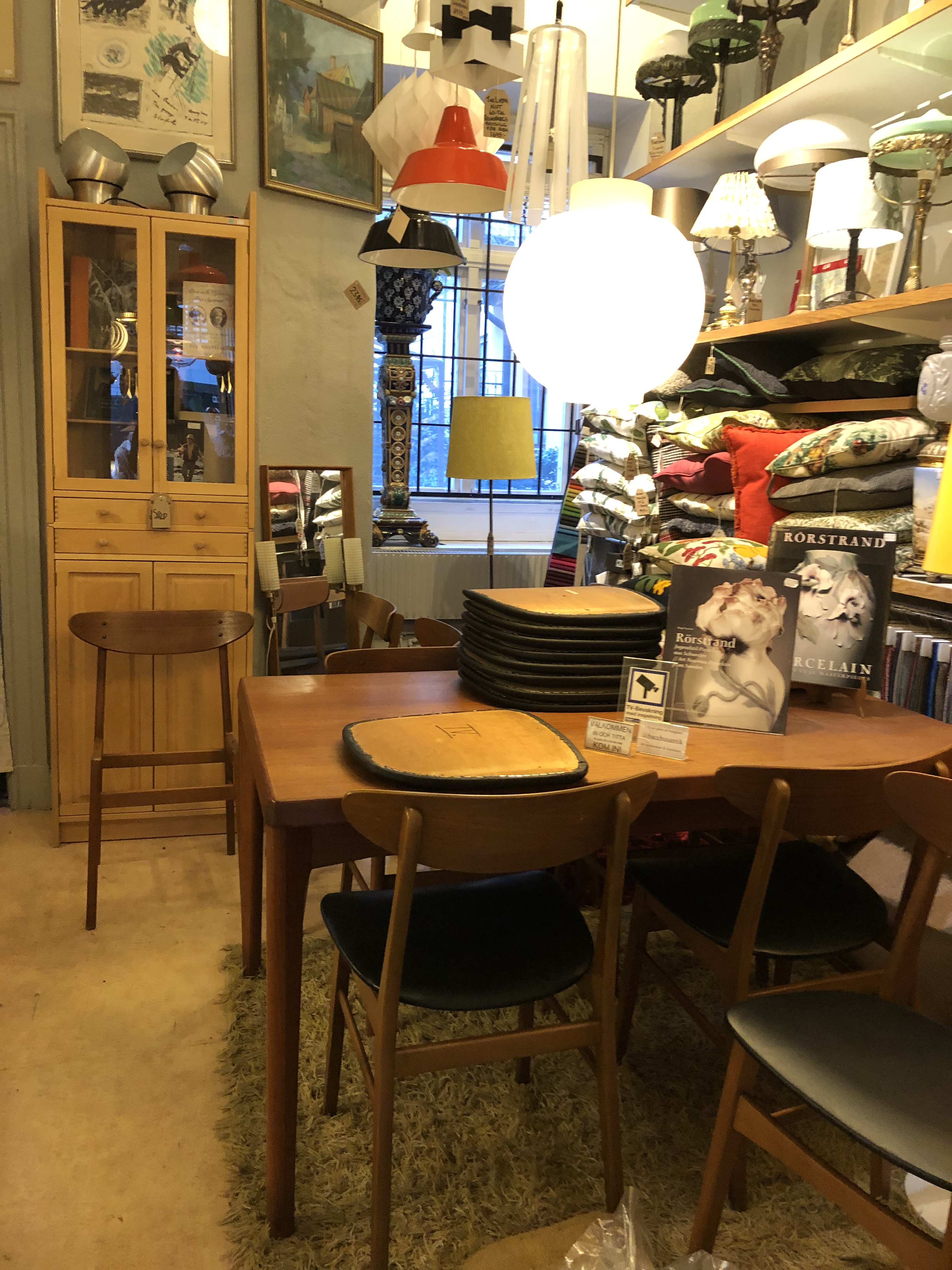
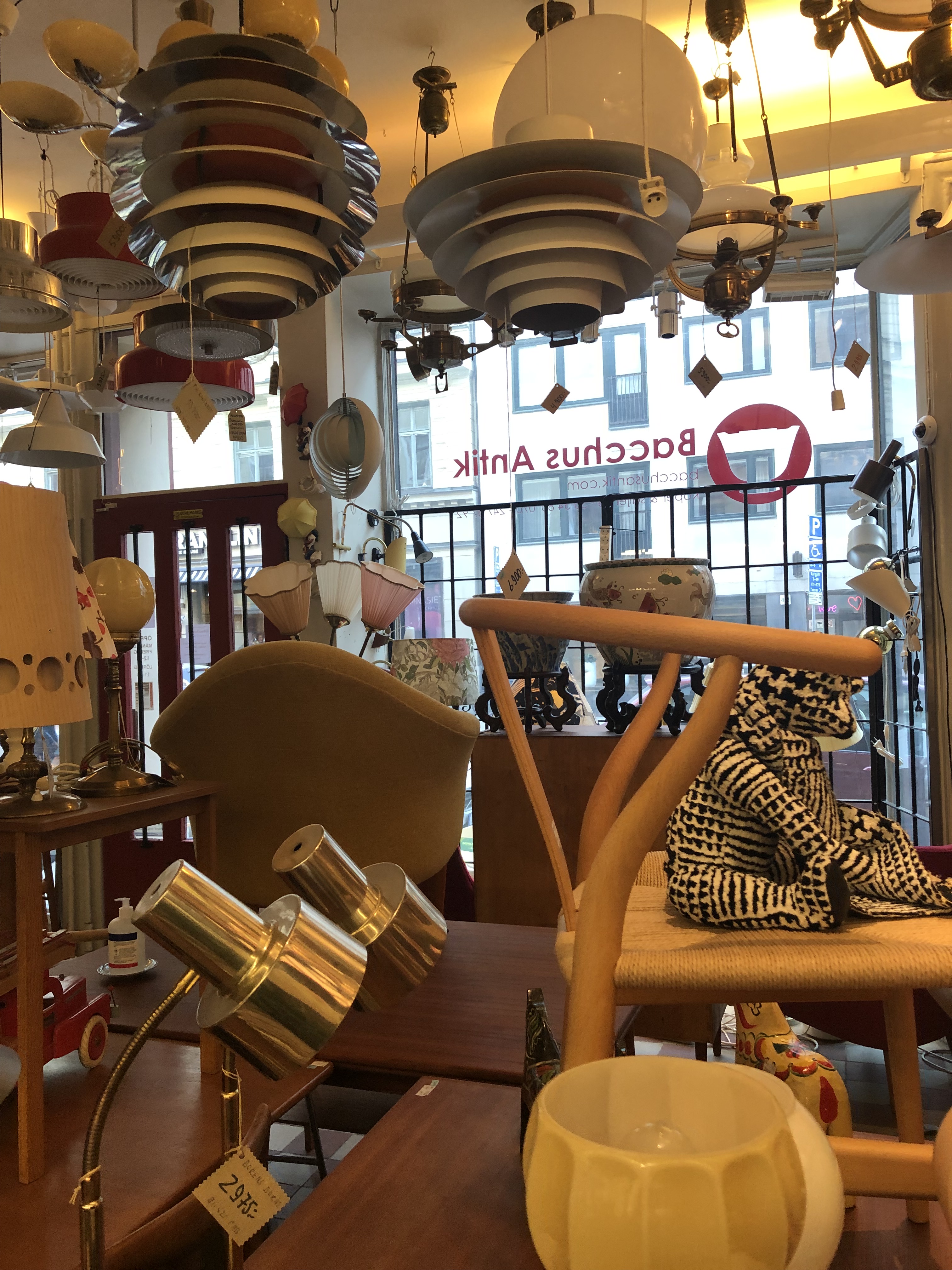
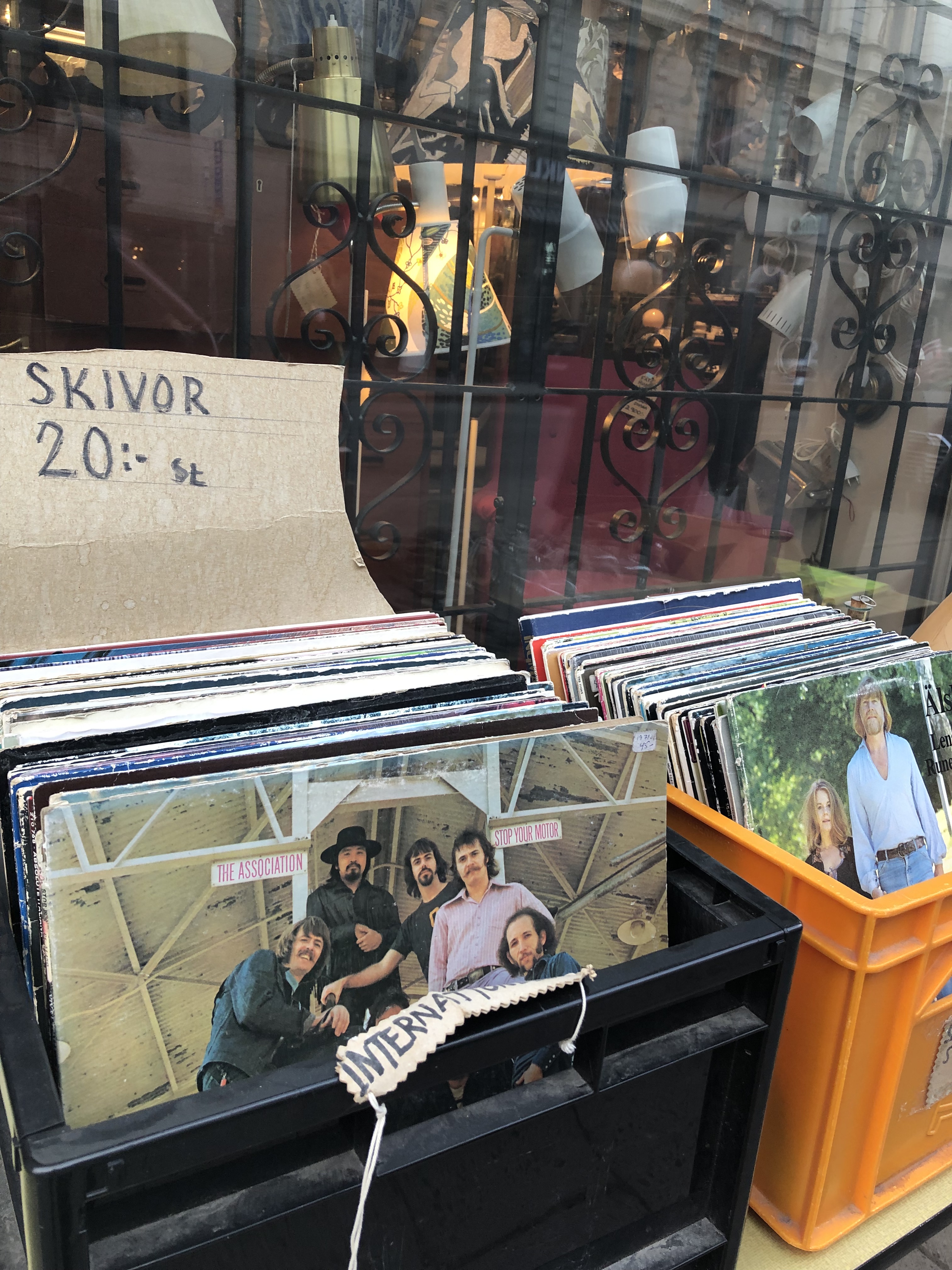
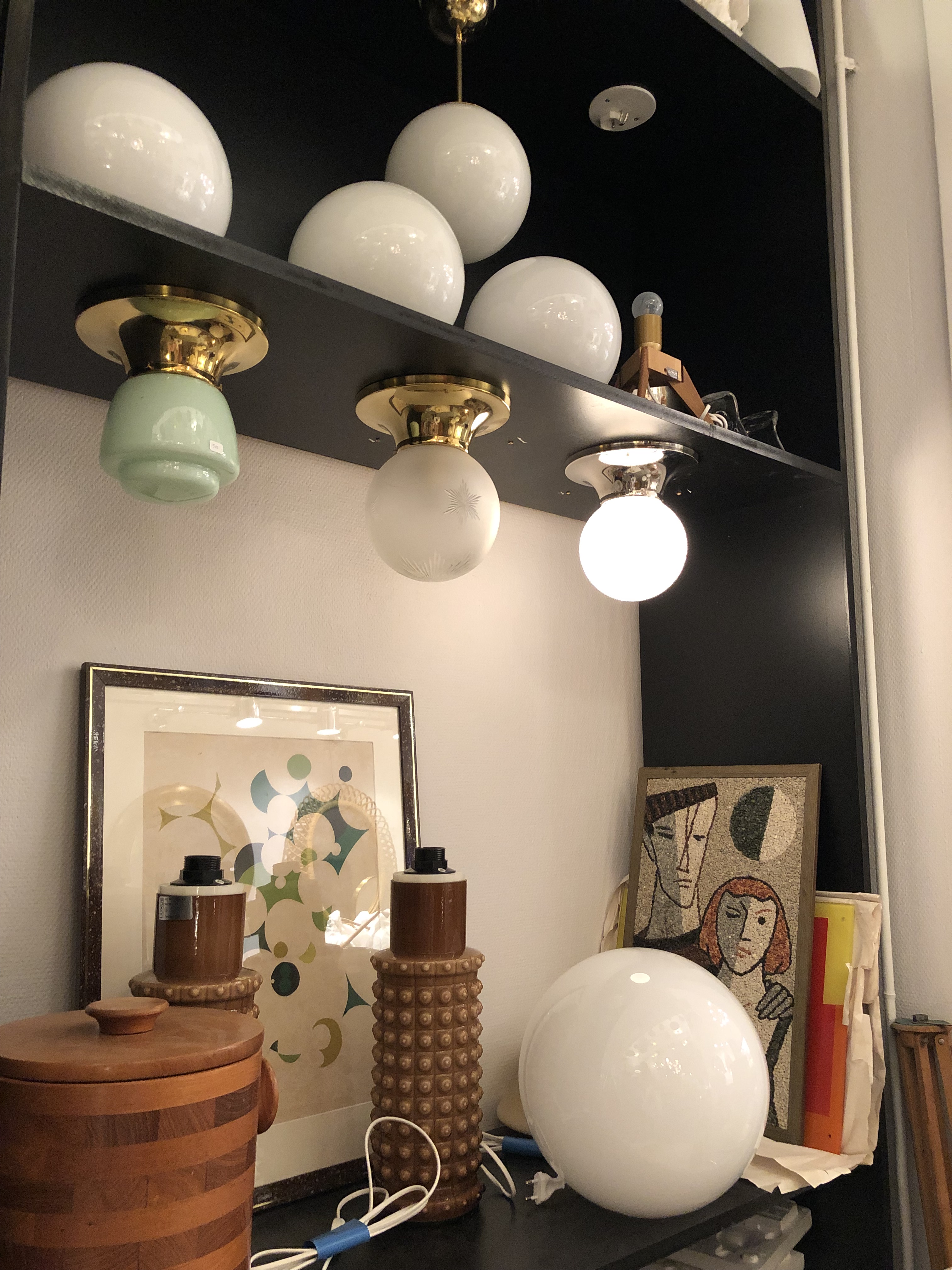
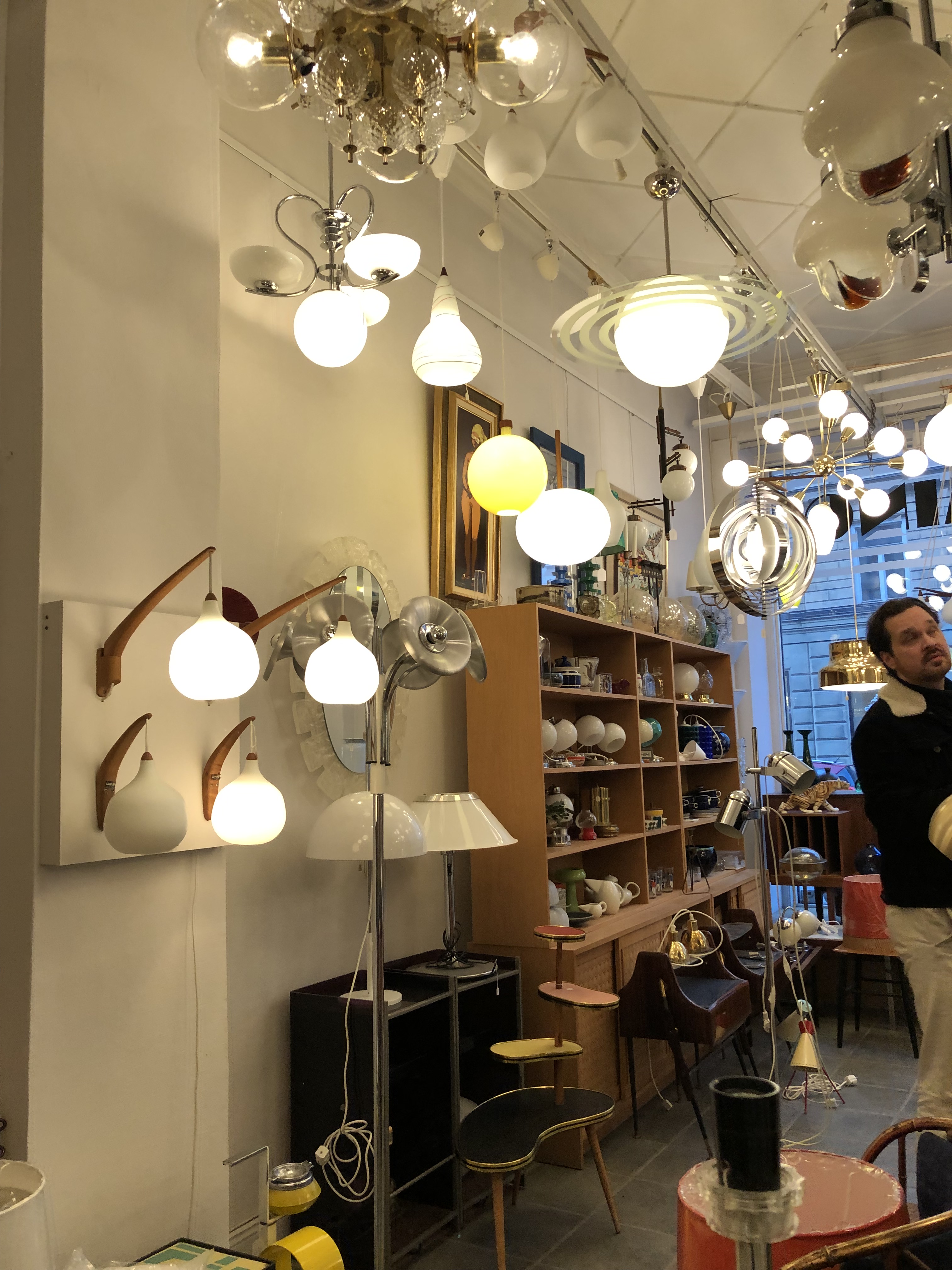
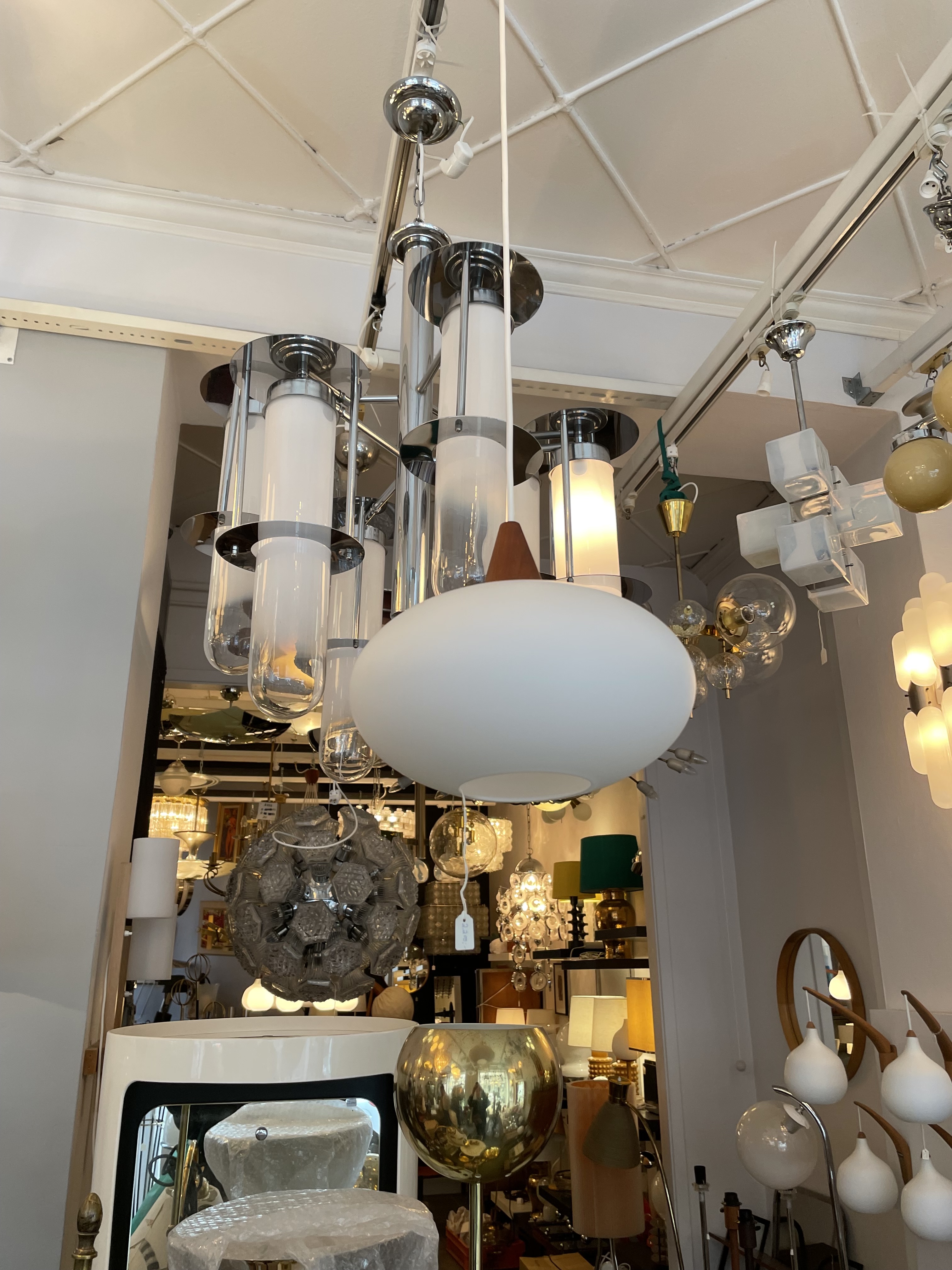
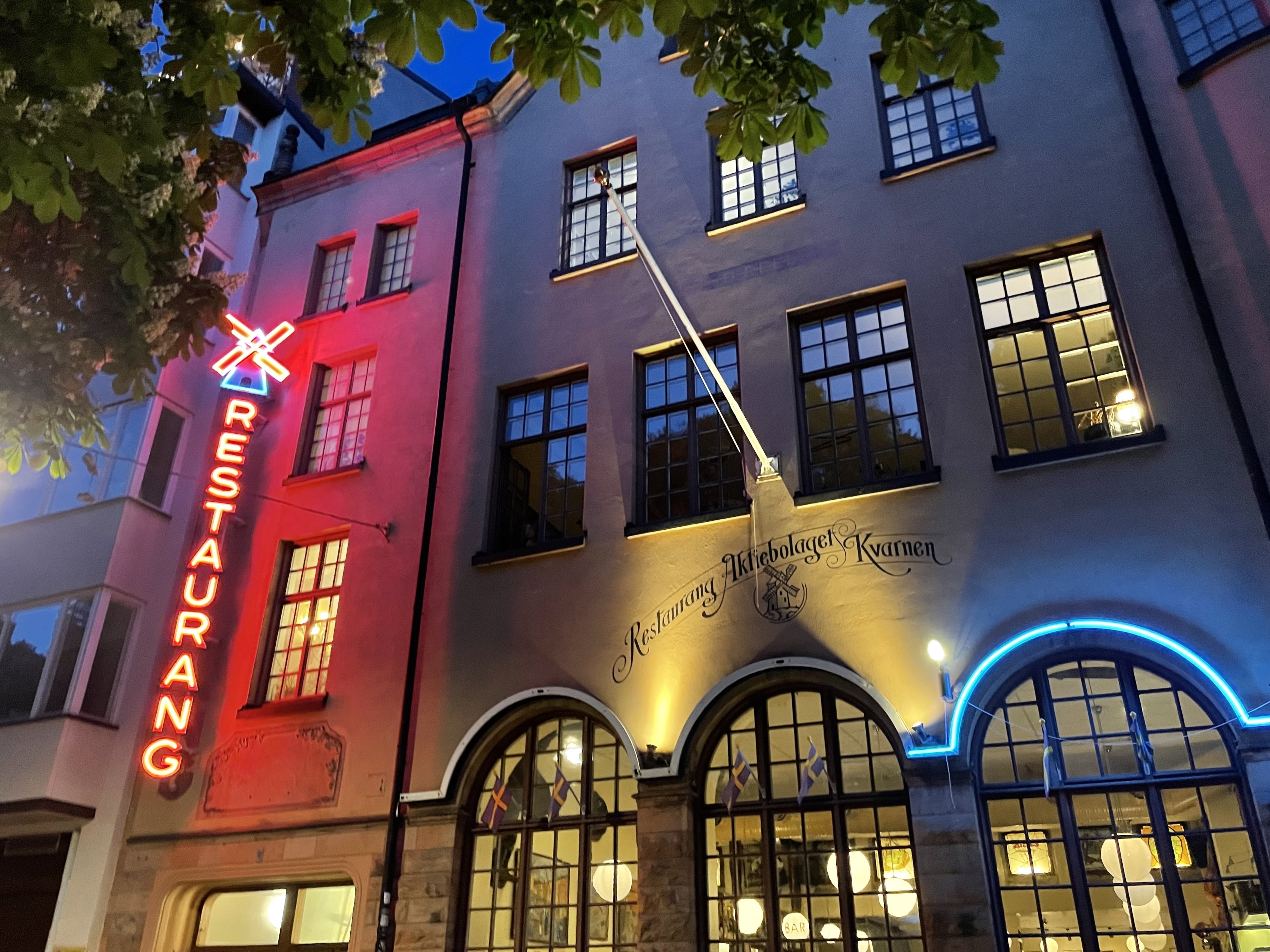
It feels like you can always dance Saturday night away to Euro classics after a slap-up traditional dinner at Kvarnen (Tjärhovsgatan 4) – then feel sorry for yourself on Sunday wandering the halls of the ABBA museum, as Waterloo and Gimme Gimme Gimme drive you mildly crazy. Or, you can always get your design fix in the same shops heaving with sedate and earthy ceramics from the likes of Gustavsberg/Rörstrand – Berndt Friberg, Gunnar Nylund, and Lisa Larson, to name a few. This and showstopping lighting/furniture can all be found the supreme antiques street – Upplandsgatan – especially at Bacchus Antik and Domino Antik. Neighboring Omega Records is worth a browse for local vinyl and random vintage sounds. There is also the mammoth, all-encompassing beauty of what is perhaps the most unique fabric and home furnishings store in existence, Svenskt Tenn (Strandvägen 5) – a welcoming haven to a plebiean design lover like myself or member of the neighboring Swedish Royal Court.

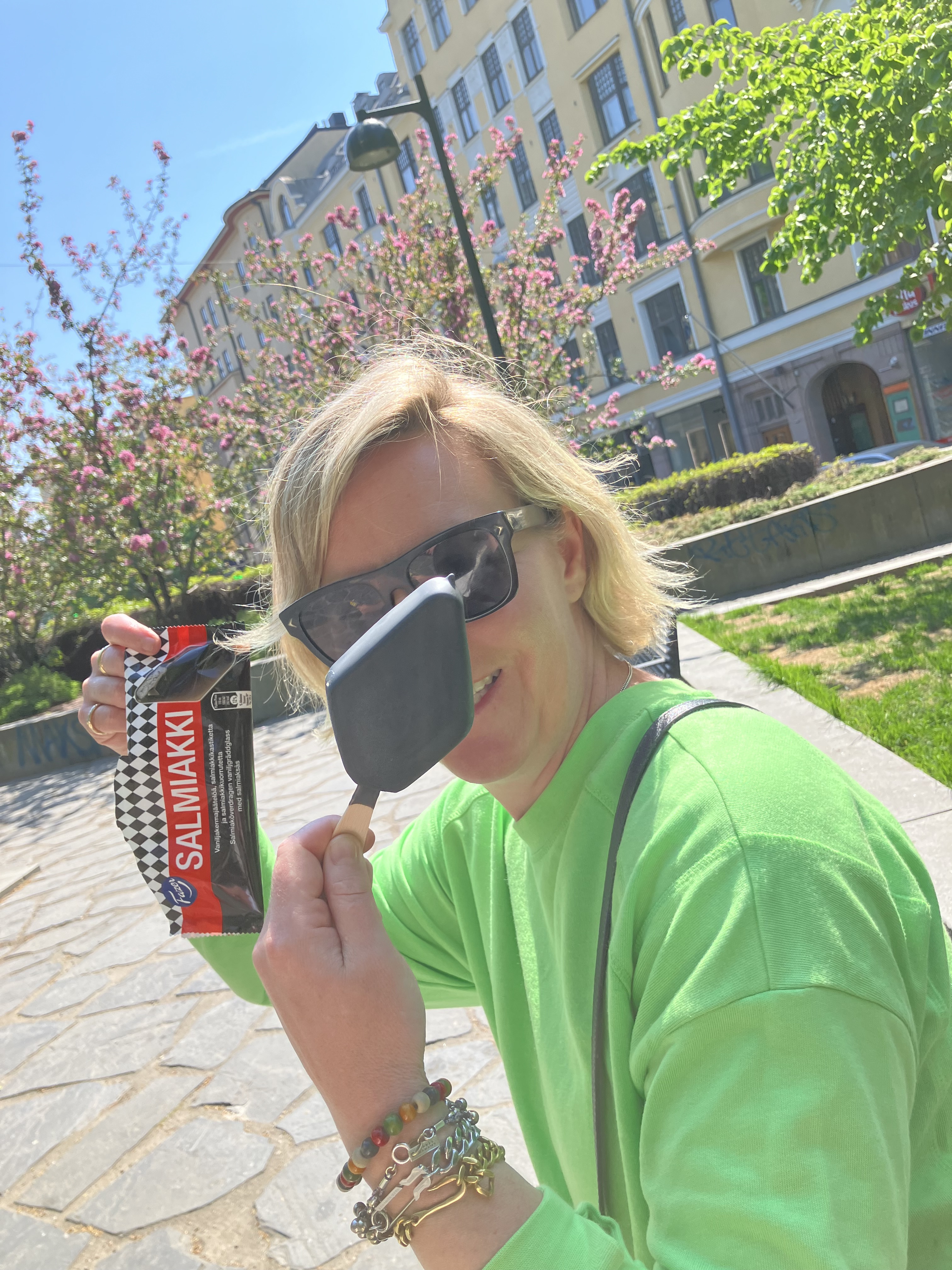
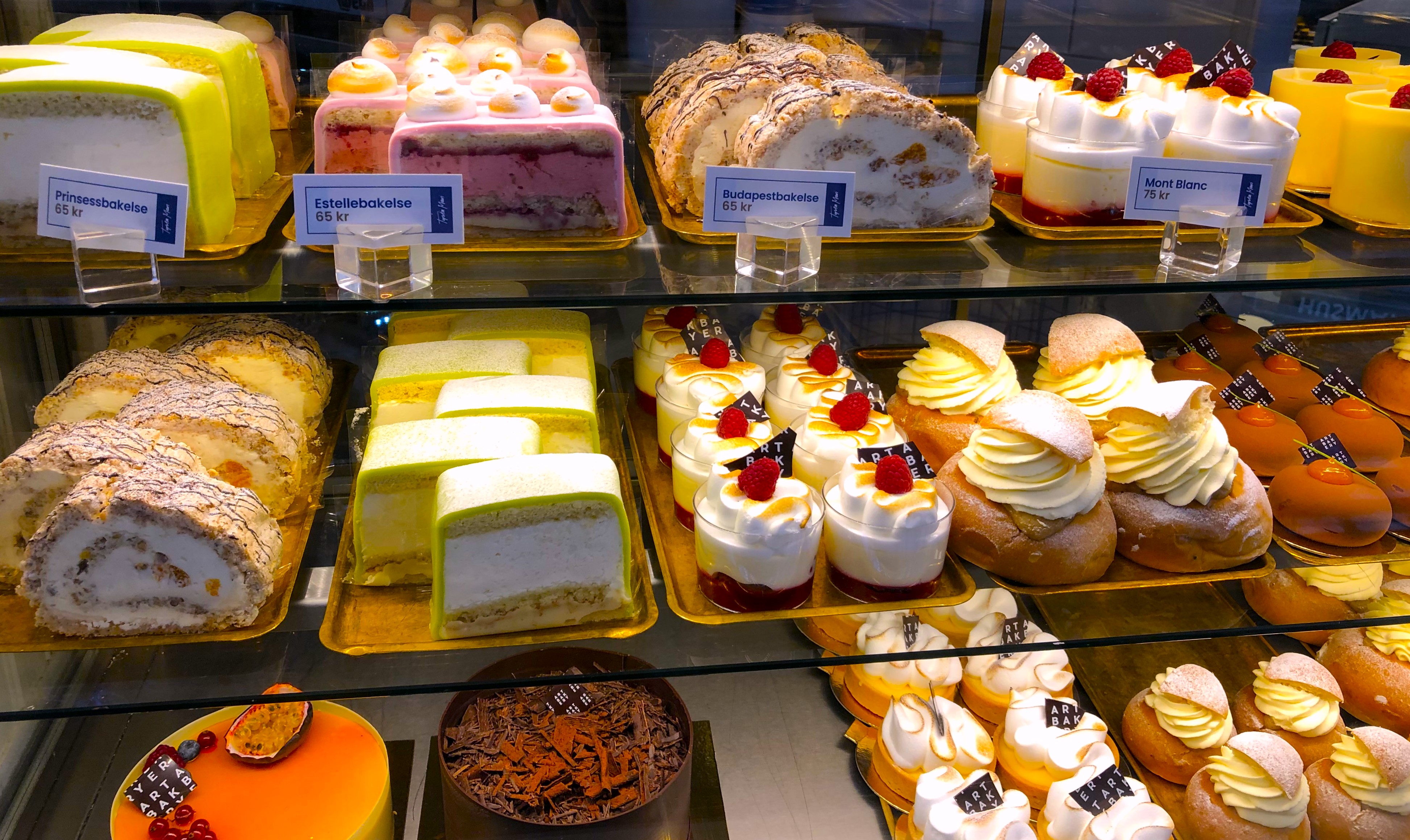
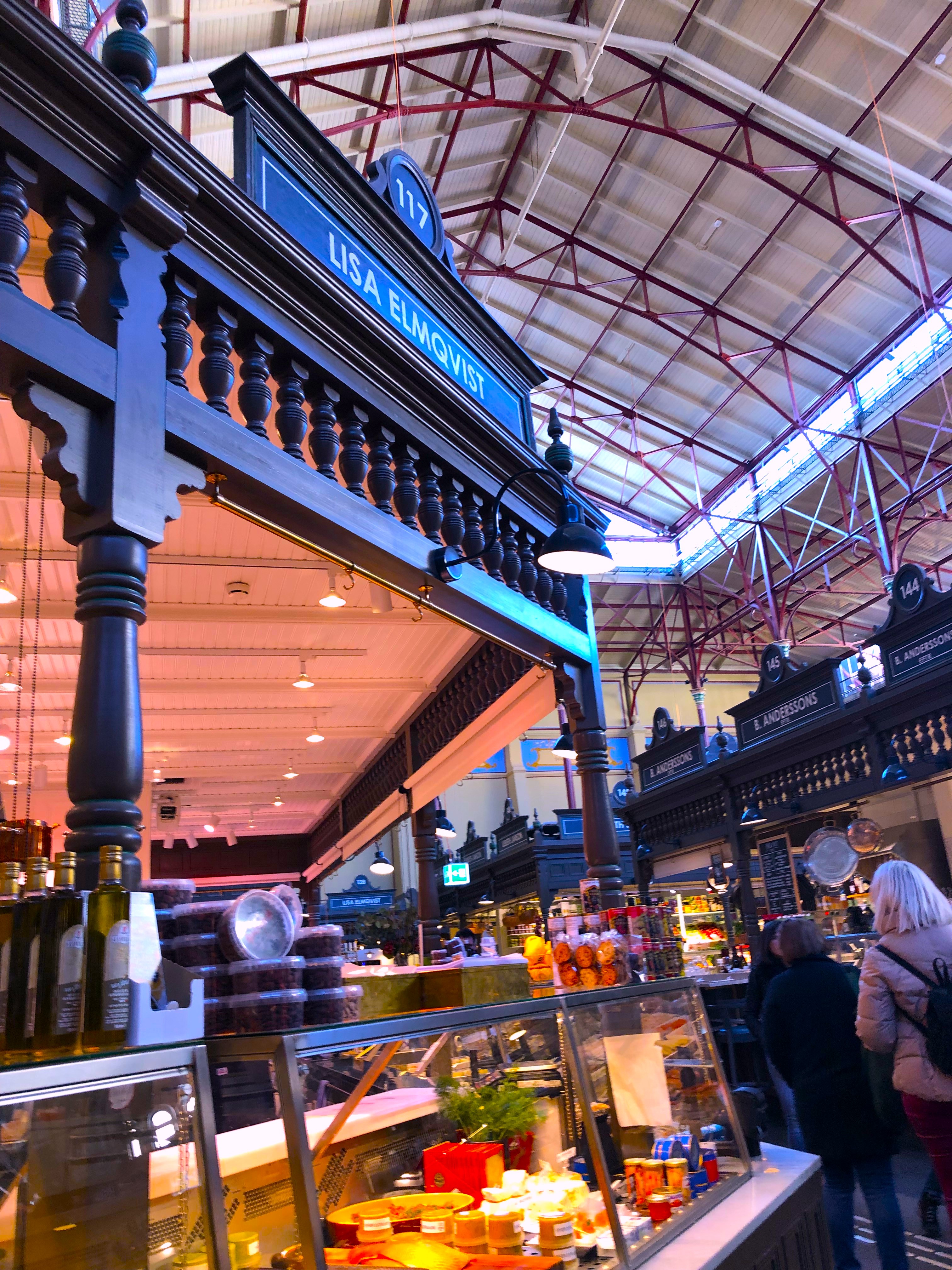
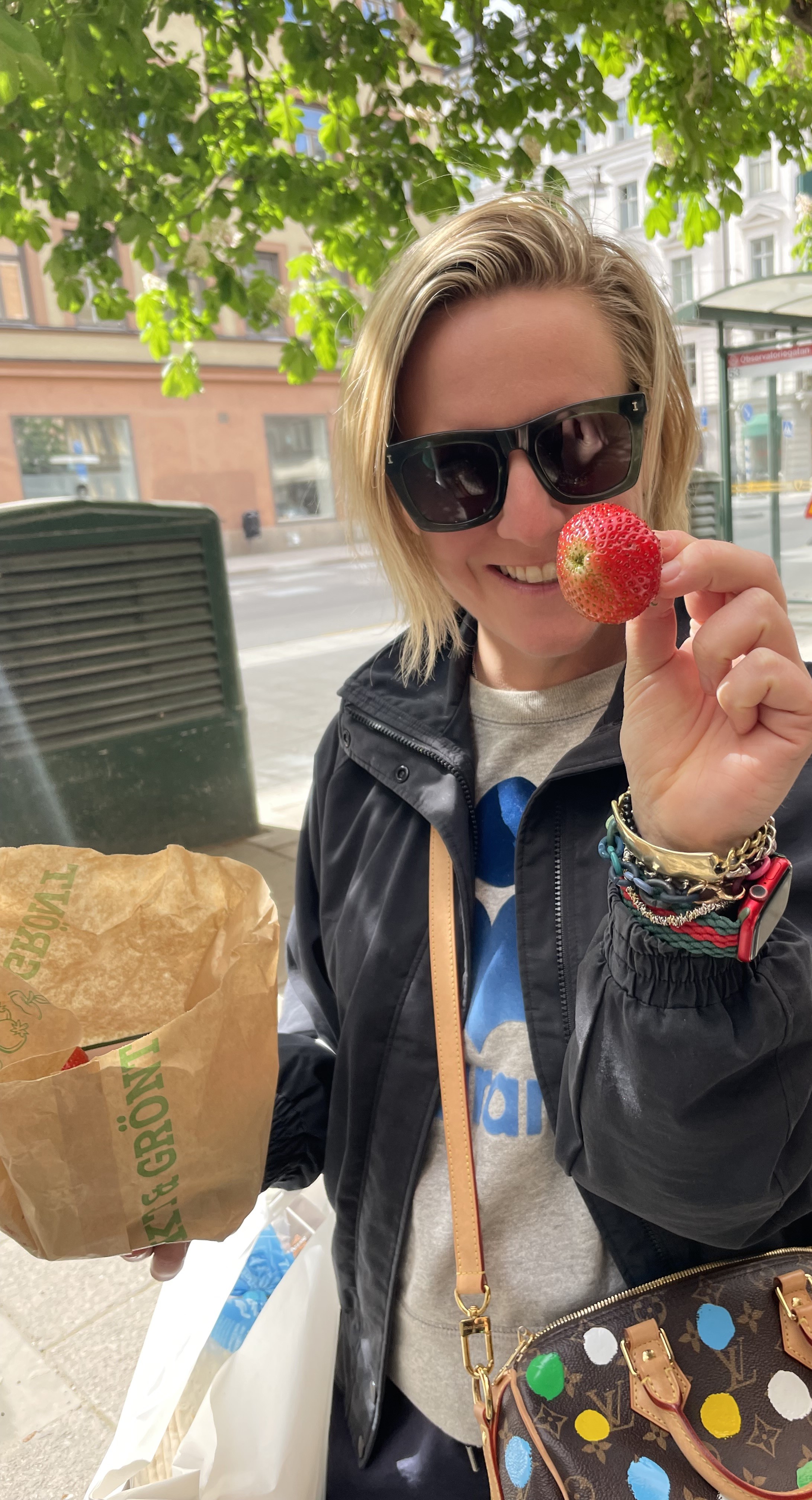
On this past visit, our friend the strawberry queen Amy joined us. Another lover of all things Scandinavian, I enjoyed seeing Stockholm through her eyes as she wandered the streets munching on crates of strawbs, toting her signature LV x YK Painted Dots bag. I think about all of the new spots she exposed us to: zipping through the ornately designed underground train system that borders on being a dark and creepy rabbit hole of terrazzo flooring…or sitting on an unassuming park bench while enjoying the most incredibly colorful box lunch of Danish-style smørrebrød from Nybroe Smörrebröd in Östermalms saluhall (Östermalmstorg 31). We laughed our way through a store that prides itself as the ‘best design store in the world, since 1912’ – Nordiska Galleriet 1912 (Nybrogatan 11) – as she dropped a bag of Kina chocolate rice puffs in her beloved Louis, and was then in need of an afternoon pickmeup, raiding mainstay licorice chain Lakritsroten with some creamy, salty soft serve in the coolest black waffle cone.

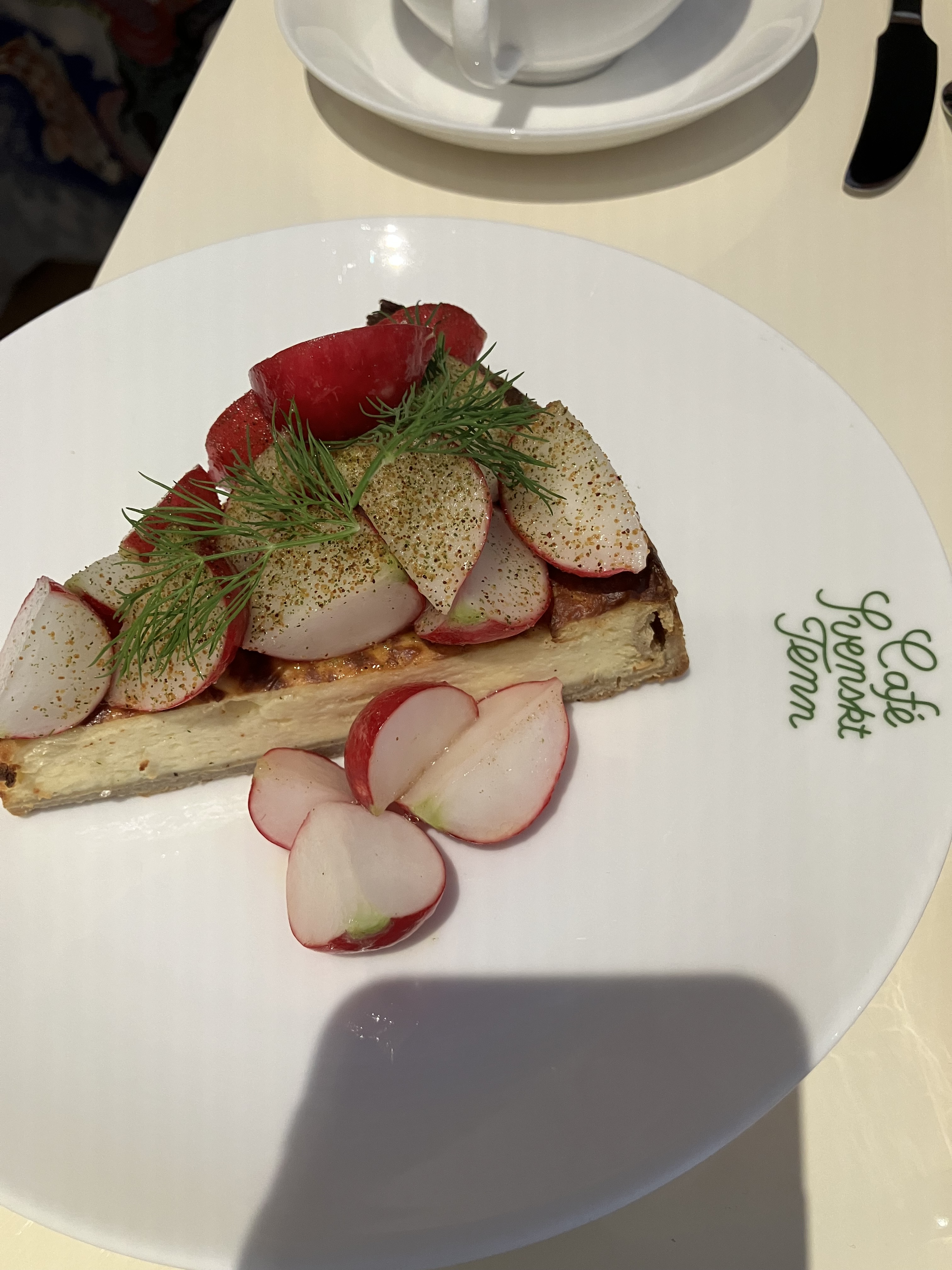
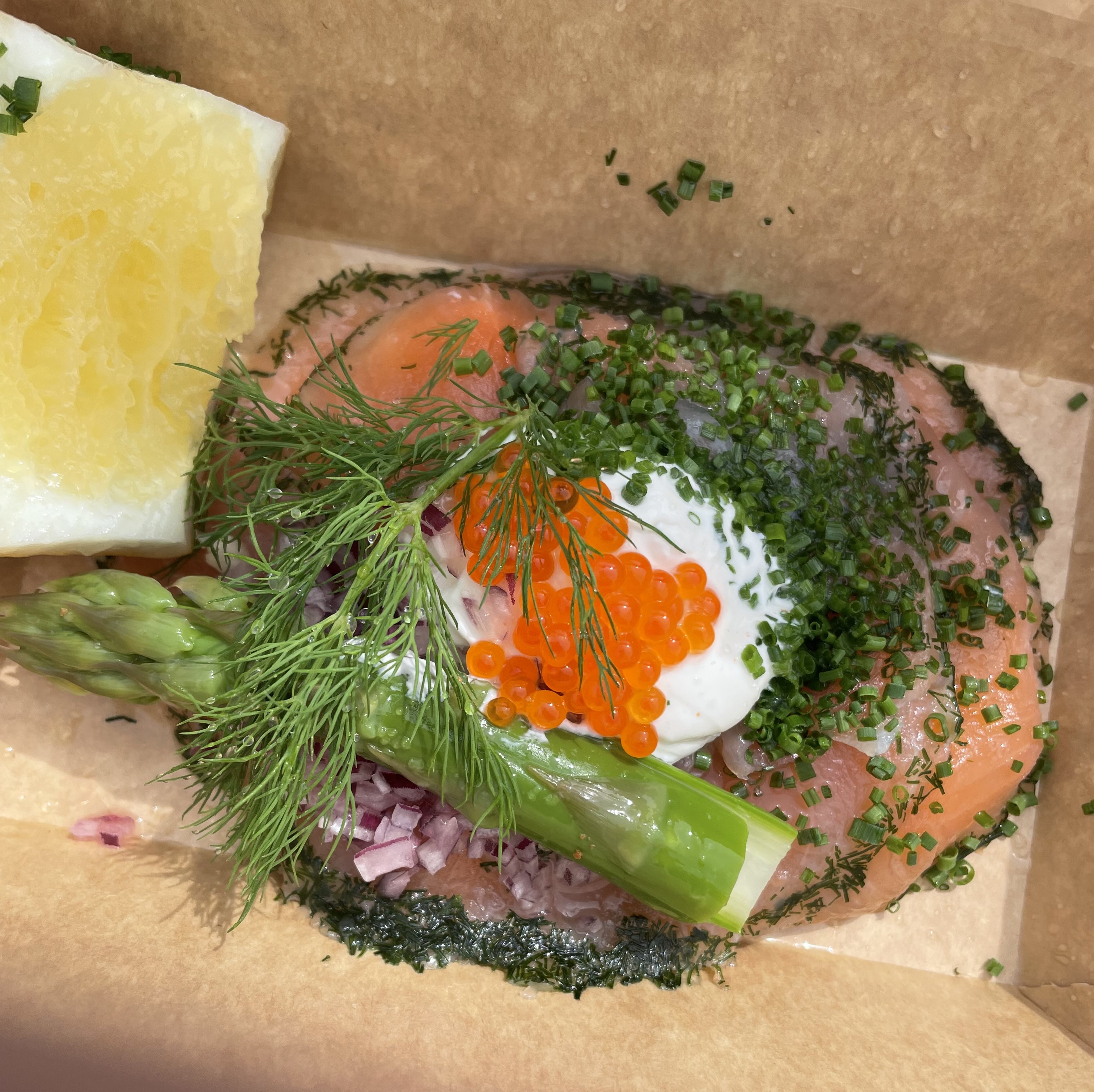
Amy also shares a mutual love of hot dogs, and in a matter of 3.5 days we paid many visits to – Oves (Kungsgatan 43) smack in the town center to satisfy those late afternoon cravings – nobody puts more love into dressing a dog than this man – and late night destination in Södermalm, Pölsemannen (Medborgarplatsen) – for post-party snacking. And finally, back to old reliabel Svenskt Tenn – but this time, discovering their magical cafe, and having a lunch that almost felt too pretty to be true, drooling over the branded space where we literally wanted to buy everything in sight – over a verdant springtime spread of blanched asparagus from Gotland, poached egg, and ramson butter – plus a Rhubarb-baba with rum, compote and cream that was a dream in a dish.

Amy noticed something that stuck with me. She observed a collection of apartment windows and said “what do they all have in common?” Because I had design on the brain, I immeditately said “stylish lamps” – and from then onwards all I could see is lighting in every residential window. Apparently this tradition was meant to help people that may be lost in blizzards – so those in peril would be guided by the collective light that framed the darkened streets. Such a small but touching tradition – like their practice of fika – can change your mindset, and even for 3 days, make you feel licensed to adopt these sweet cultural traits as your own.

Each time I return to New York, I always feel a little different. I am increasingly met with a sense of feeling satisfied with “enough”. I guess this is my incremental adoption of the lagom mindset, ingrained in the Swedish psyche of knowing when something is “not too much, not too little.” I accept that even if I am in this placid, dreamlike place for 3 days vs 30, I can return home grateful, that I barely slept and made every moment count, and that hopefully, the old reliables and new discoveries will be lighting my way back, soon.

Milan & the design fast-track

When I was 23 and still learning the travel ropes, I took a solo trip to Liguria in August. I felt smugly pleased with the timing of this visit, soaking in the sunlight amongst the locals with their ferragosto vibes. For some reason I decided to leave my relaxing premises and venture to Milan for the day, since it was “right there.” One of my top 5 ill-informed travel moves: visiting Milan on a Sunday in August. I wandered the hot empty streets parched, with barely anything open aside from a random restaurant where I sadly ate gnocchi and phoned my parents who pitied me, paying for my pathetic dinner. Similar to the Parisian mishap of my teen years, it took nearly 15 years to return to Milan and defy my twentysomething misadventures.

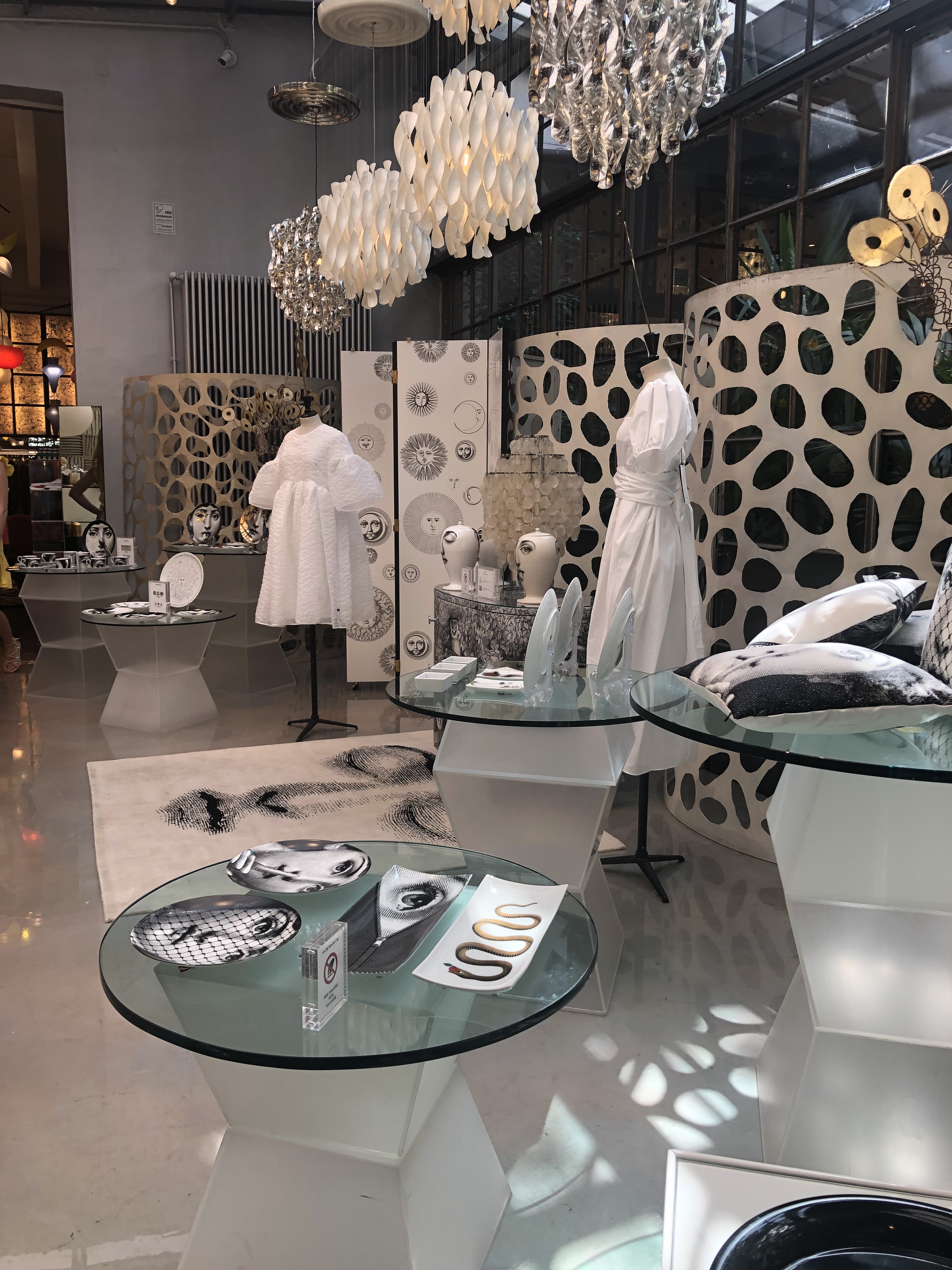
En route to a wedding in Florence and jaunt back in beloved Liguria, we spent a few magical days in Milan during the summer of 2022. A monied town that is the capital of not only Italian design and finance, it is a multicultural melting pot, with parallels as a NYC sister city. I never found Milan – or many northern Italian cities – to be particularly beautiful in the same way as southern cities, where you are held visually and emotionally captive. Architectural opulence is undeniably everywhere, but the regional color palette feels a bit more muted and staid – with an overarching regional arrogance that is hard to ignore. And that is fine. Milan spends every minute reminding you that you are here to be indulgent – to surround yourself in all things Italian luxe – whether it is gawking at Fornasetti or buying a piece of fashion you’ll have forever – while eating rich cotoletta Milanese and risotto accompanied by a decadent velouté.

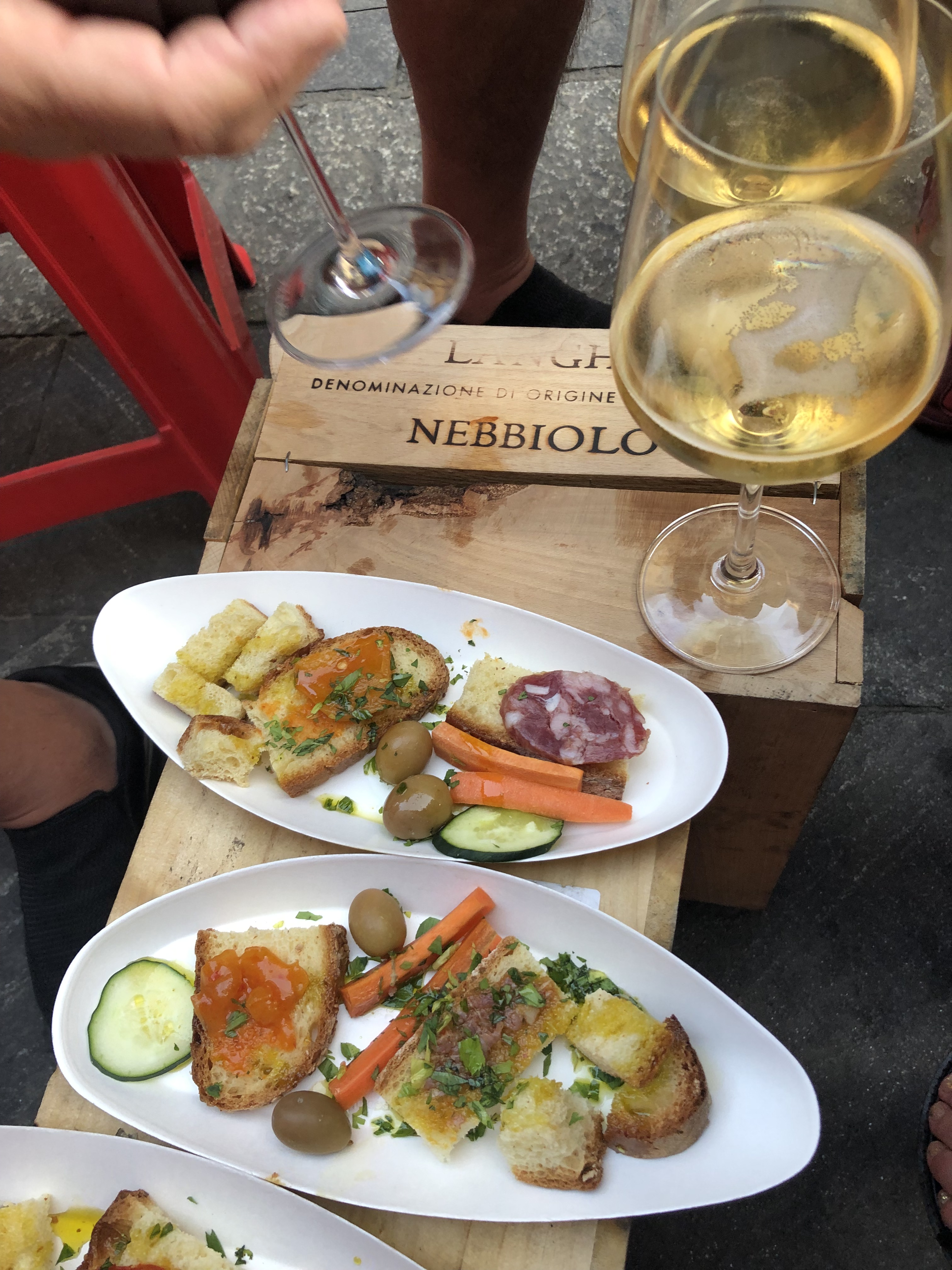
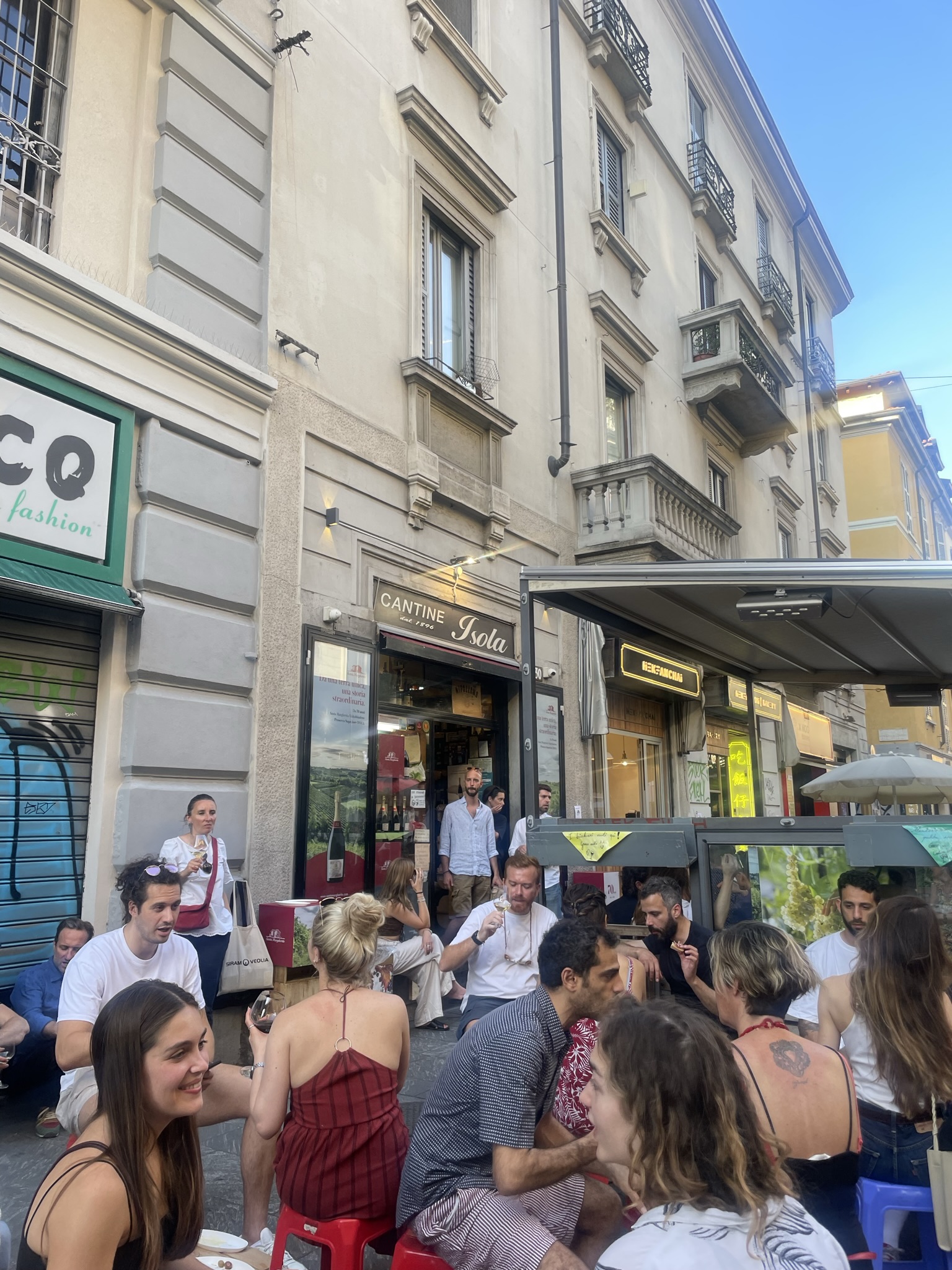
Landing in Milan Malpensa, there is a direct train to the city center, including a stop in the Porta Garibaldi neighborhood, a lively area and convenient access point to stylish enclaves like Brera – aka retail heaven. Staying around Porta Garibaldi also makes for a good point to explore nearby Chinatown, along Via Paolo Sarpi, a main drag brimming with Asian street foot spots and probably one of the coolest wine bars ever – Cantine Isola dal 1896 (Via Paolo Sarpi, 30, 20154). This is the best way to start your evening, spilling out onto the street and sipping wine paired with free savory snacks (cheese, picked veg, cured meats). Aside from discovering your favorite wine stop, one cannot visit Milan without sampling its signature drink – the spritz. This now globally-loved tipple is ingrained in daily life, especially during the sacred ritual of apertivo – something the Milanese do not mess with. While time did not allow for a stop at the famed Bar Basso, Saturday night around Porta Garibaldi on Piazza Venticinque Aprile did the trick and was fueled by fizz. A duo of fizz purveyors set up shop in the middle of the piazza, slinging spritzes to the cool kids all night long as music blasted and crowds grew larger – an impromptu street party at its best.

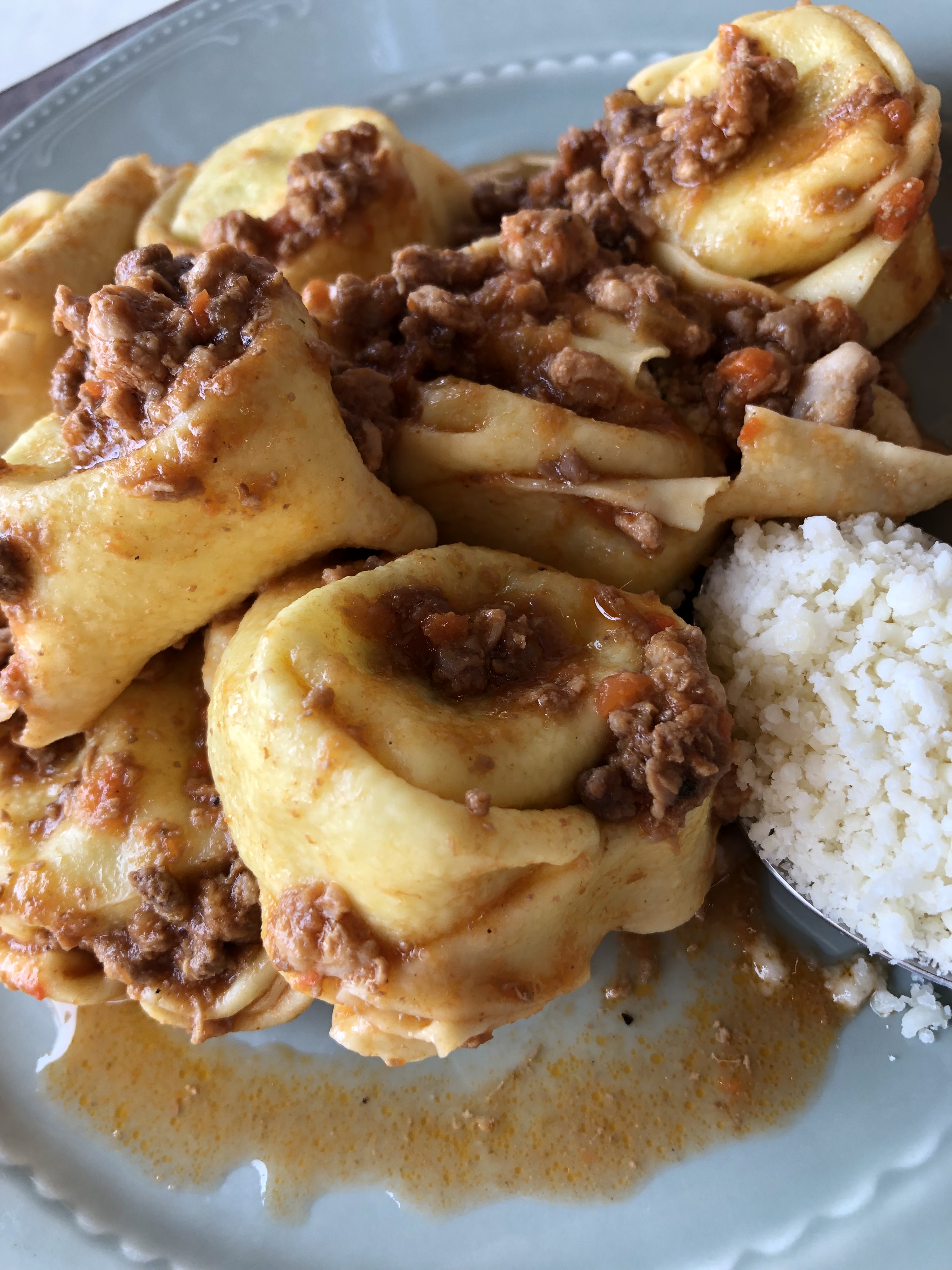
Trying traditional Lombardian delicacies is a big departure from what most people think of when getting stereotypical about Italian food. Red sauce and seafood abundant this region is not. Rather, it is meaty, rice-y, and not shy of featuring rich sauces. Heading to the nearby Moscova (bordering Brera) neighborhood, La Vecchia Lira (Largo la Foppa, 5, 20121) makes for a reliable foray into regional fare – where you’ll find large groups alongside regulars. Standouts were the riso riserva San Massimo with an asparagus veloute and stracciatella, vitello tonnato, the unique riso al salto allo zafferano farcito con fontina – (a fried risotto oozing with fontina) – and of course the near-perfect cotoletta Milanese. Nearby, another standout yet more obscure spot was Al Matarel (Via Laura Solera Mantegazza, 4, 20121). While my first trip to Milan resulted in a top 5 travel fail, visiting Al Matarel made this trip a top 5 travel win. This was one of the most visually stunning restaurants I have ever visited. A cosy, family-run tavern with wooden accents overtaken by dazzling, primary colored-Murano lighting and an eye-popping colorful mid-century wall mural were enough to make any design enthusiast squeal, alongside nearly perfect food that scales from typical Lombardian favorites you’ll see on most local menus, to the showstopping tortelloni, ossobucco, trippa, or polenta. It was hard to make a wrong move, and just soaking up smartly dressed Milanese families of all generations enjoying Sunday dinner was a delight.

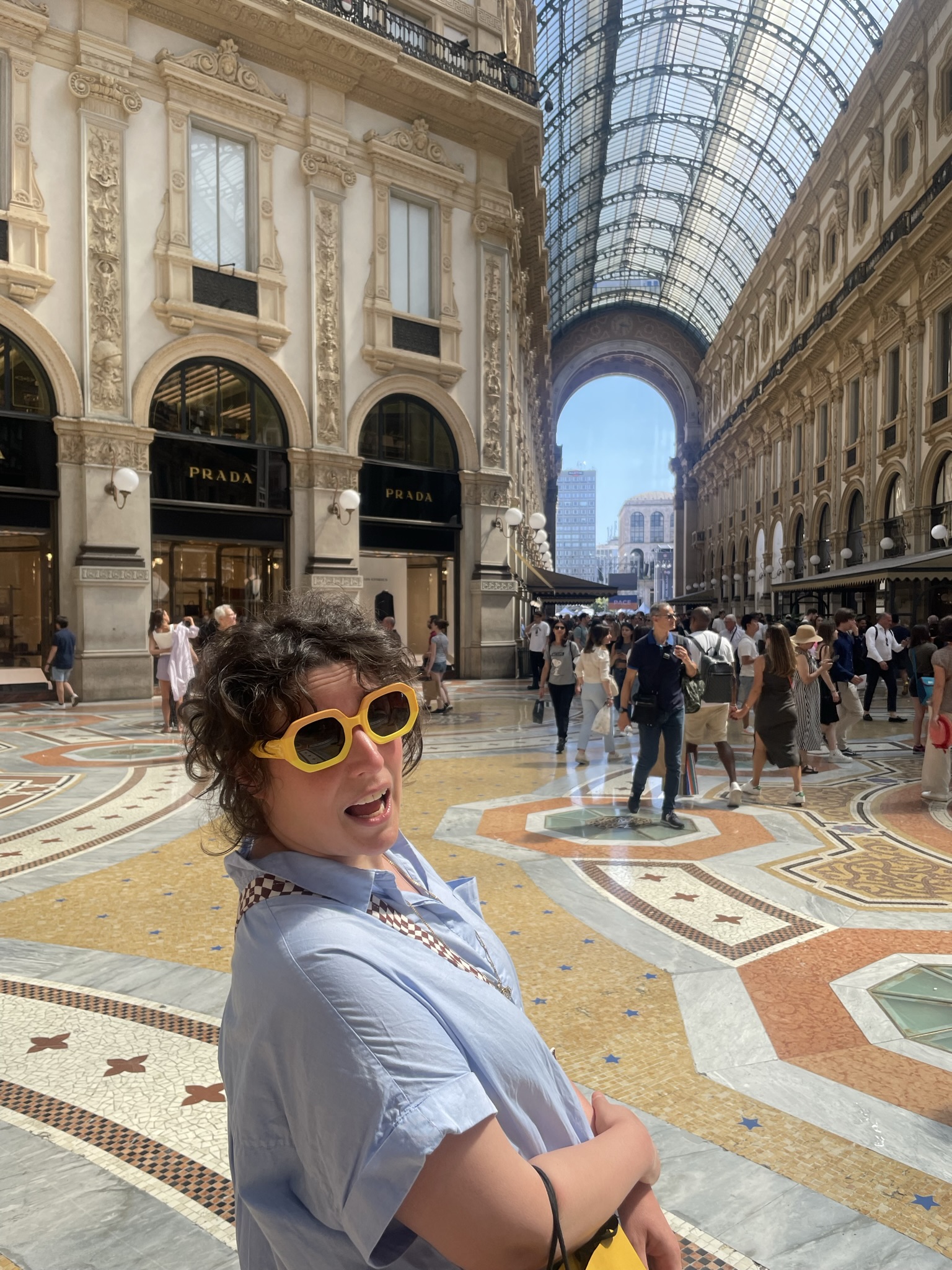
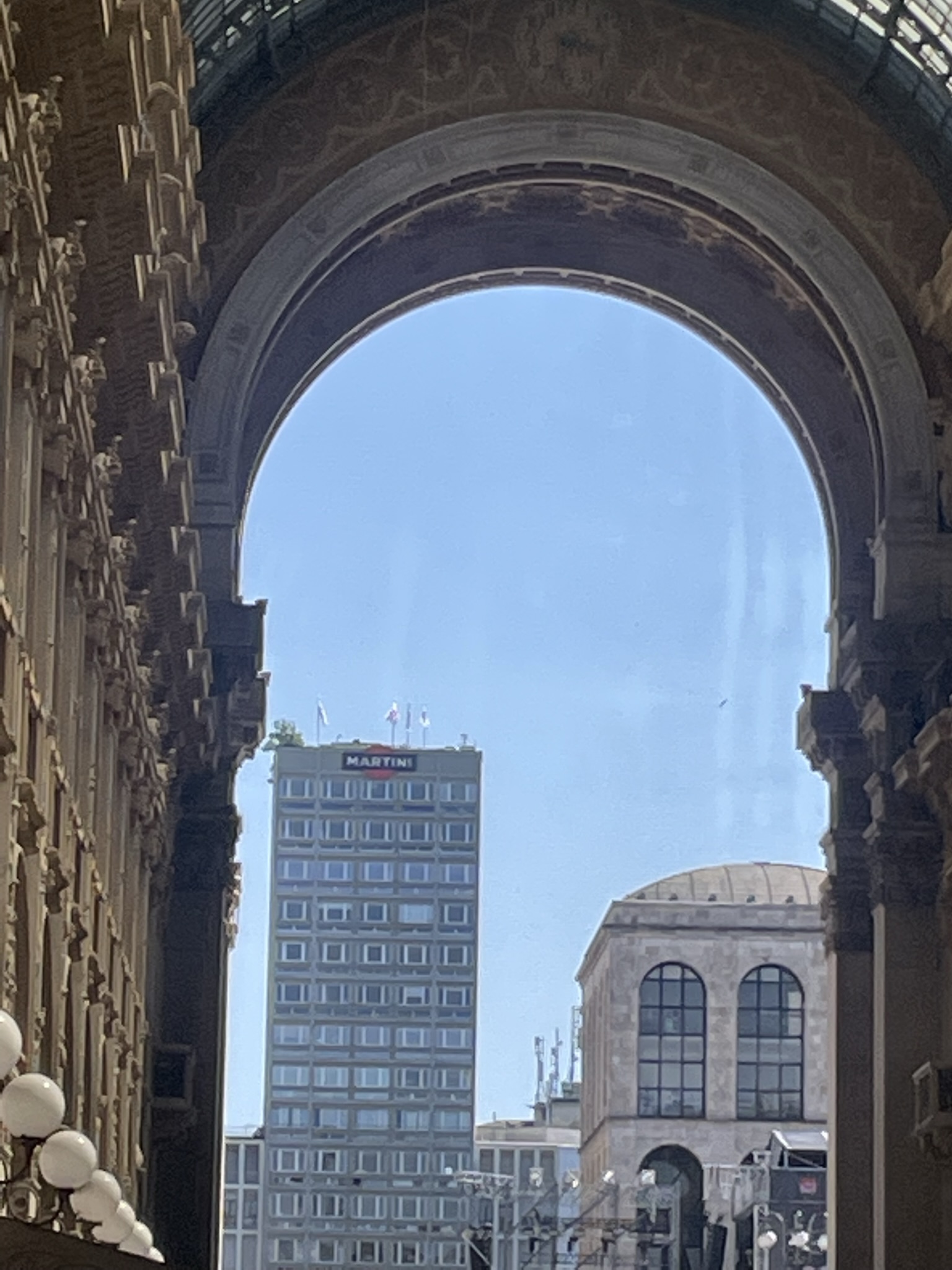
With only 2.5 days in town (and many shops closed on a Sunday), fast-tracking my design fix was a challenge. Walking through Via Brera, there is something for anyone wanting to snag a piece of design – from affordable fast fashion to stores that are worth a moment and a bow – including the beautiful, museum-like Ginori 1735 (Piazza S. Marco, 3, 20121). Keep walking down Via Brera and you’ll arrive at the inevitable mecca of fashion, Galleria Vittorio Emanuele II (Piazza del Duomo, 20123), where any luxe lover would be fortunate to spend time gawking at the goods in Fendi or Prada, or even just to soak in the glorious sunlight that bathes the arcade. That being said, the balance of old and new requires taking a few footsteps back to Via Brera, to the popular and well-stocked Cavalli e Nastri Brera (Via Brera, 2, 20121) – sure to quench the palette of someone looking for a piece of vintage Italian design – from Versace to Gucci, and it made for fun hunting and thinking about the city’s noted fashionistas of yesteryear.

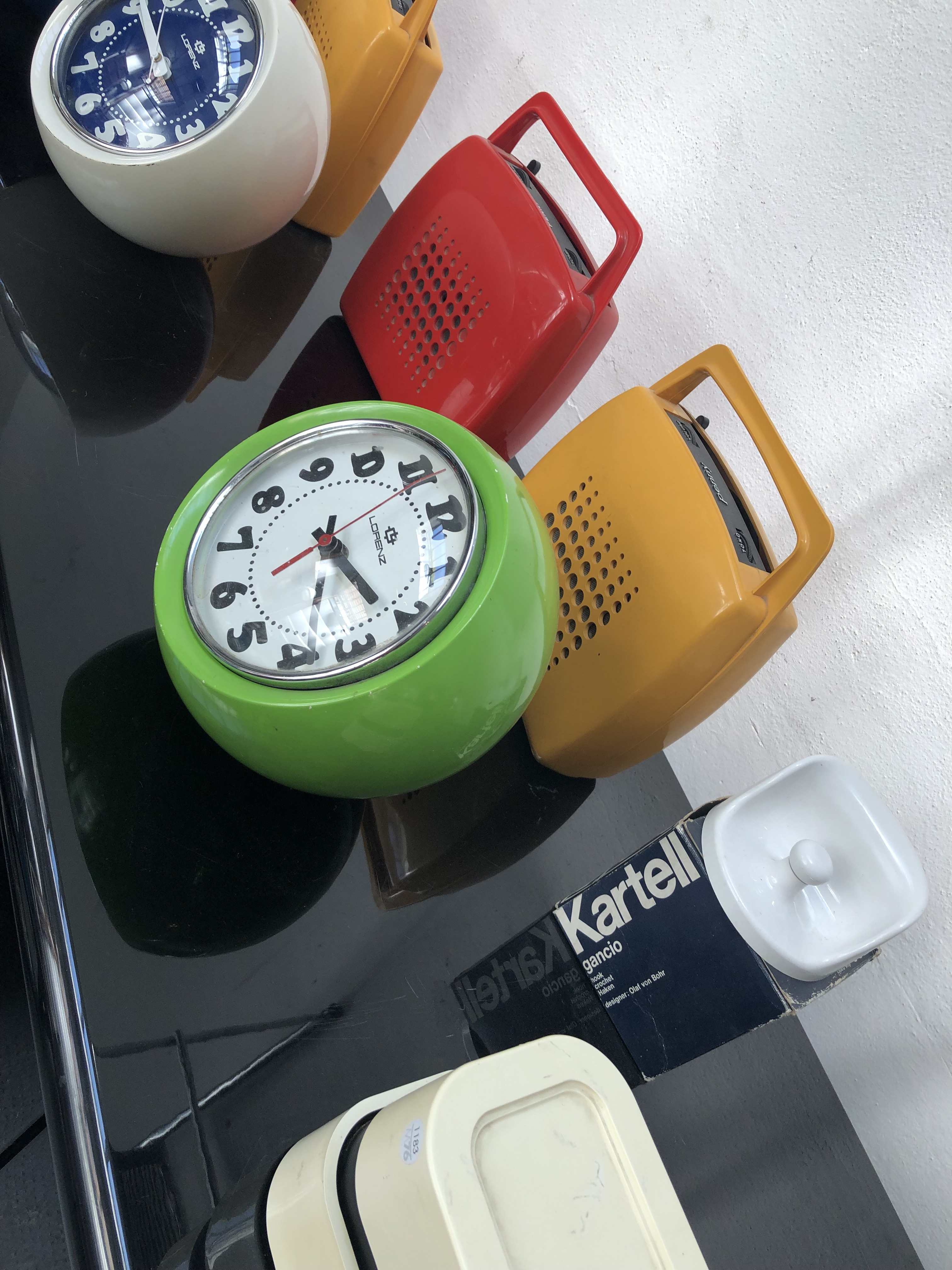
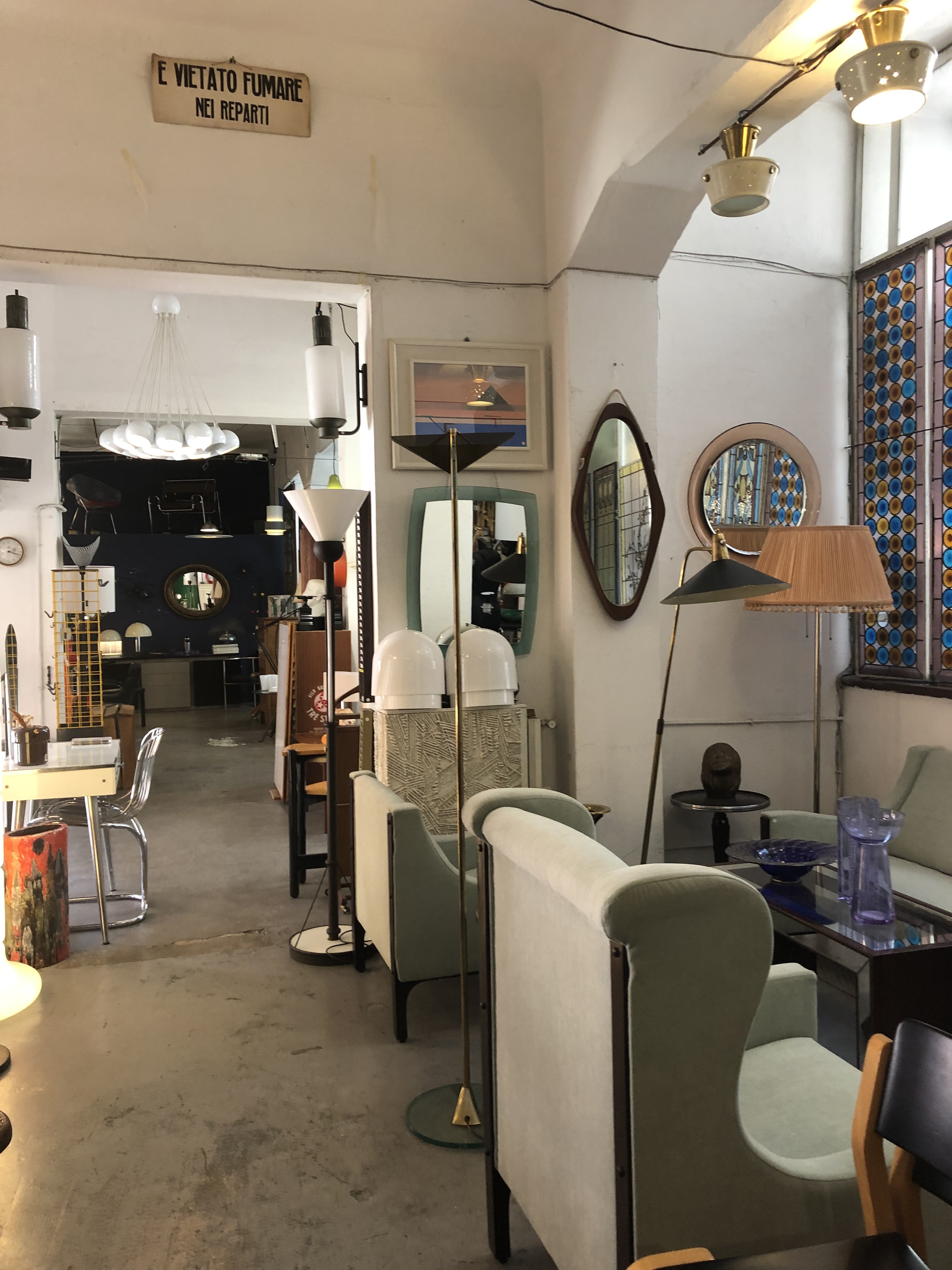
But, the most standout experience was the hidden treasure trove Magazzino76 (Via Merano, 18/interno cortile, 20127). If you care about modern Italian design and want to score a piece that screams Memphis Milano, Gio Ponti, Kartell – or anything spanning 1950s-80s – this is your place. Browsing two stories stocked with some of the coolest antiquities (at fare prices) was mind-boggling. While I couldn’t fit a banana yellow table into my luggage, the cool and knowledgeable staff managed to rewire a 1970s Guzzini lamp for me – and I am still dizzy thinking of this stimulating shop (and the impressive array of ashtrays of all shapes and sizes that those fashionistas of yesteryear probably owned). Back to making the most of the city with limited time, we did (literally) run off the plane, arrive in town, and taxi to the outskirts to the indoor antique market Di Mano in Mano Milano | Collezionismo Rarità Modernariato Antiquariato Vintage (Viale Carlo Espinasse, 99, 20156). But, like all antique shops, it is luck of the draw – an interesting array of anything from vintage Cinzano bottles to 1950s dining room furniture.

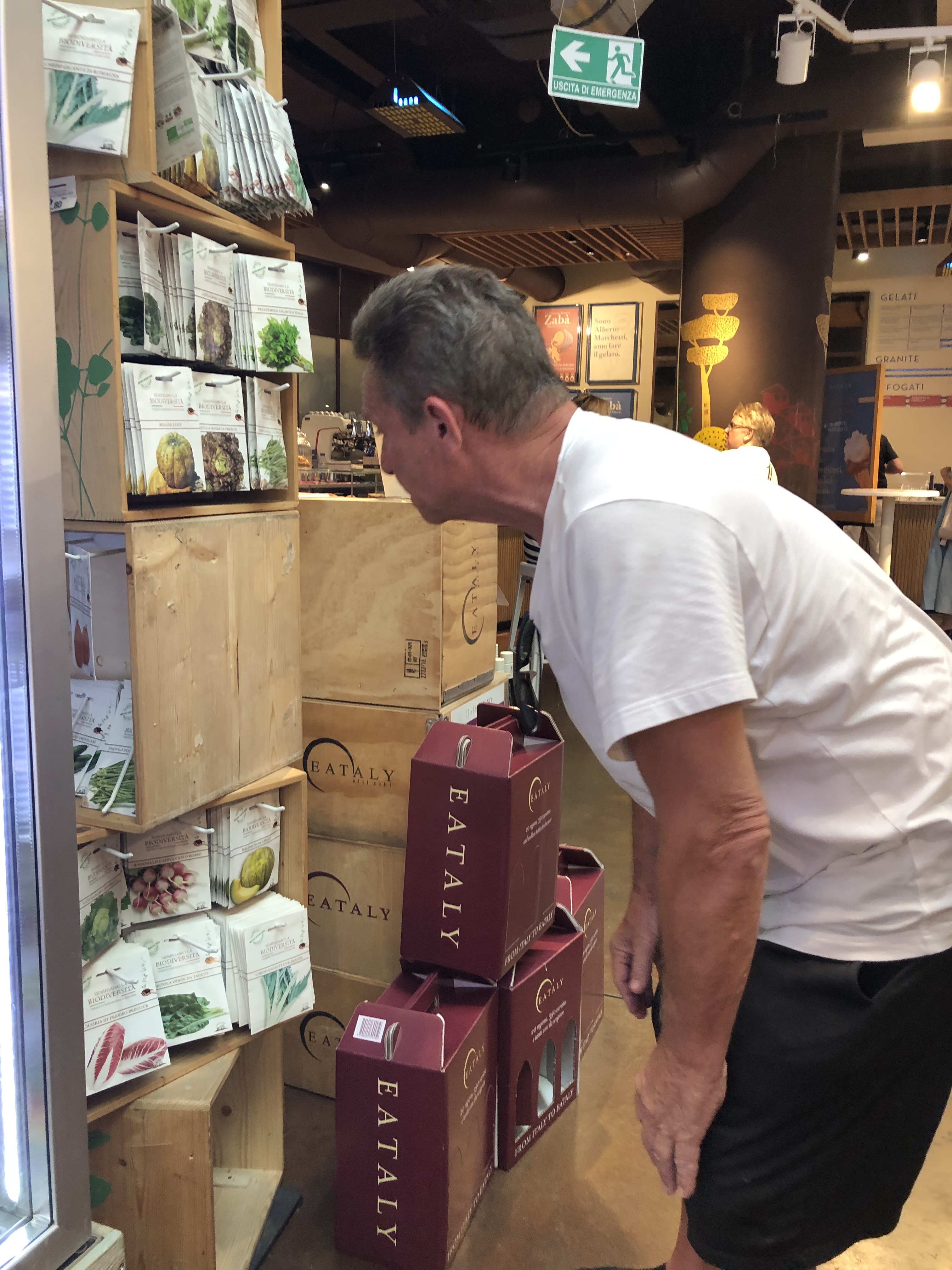
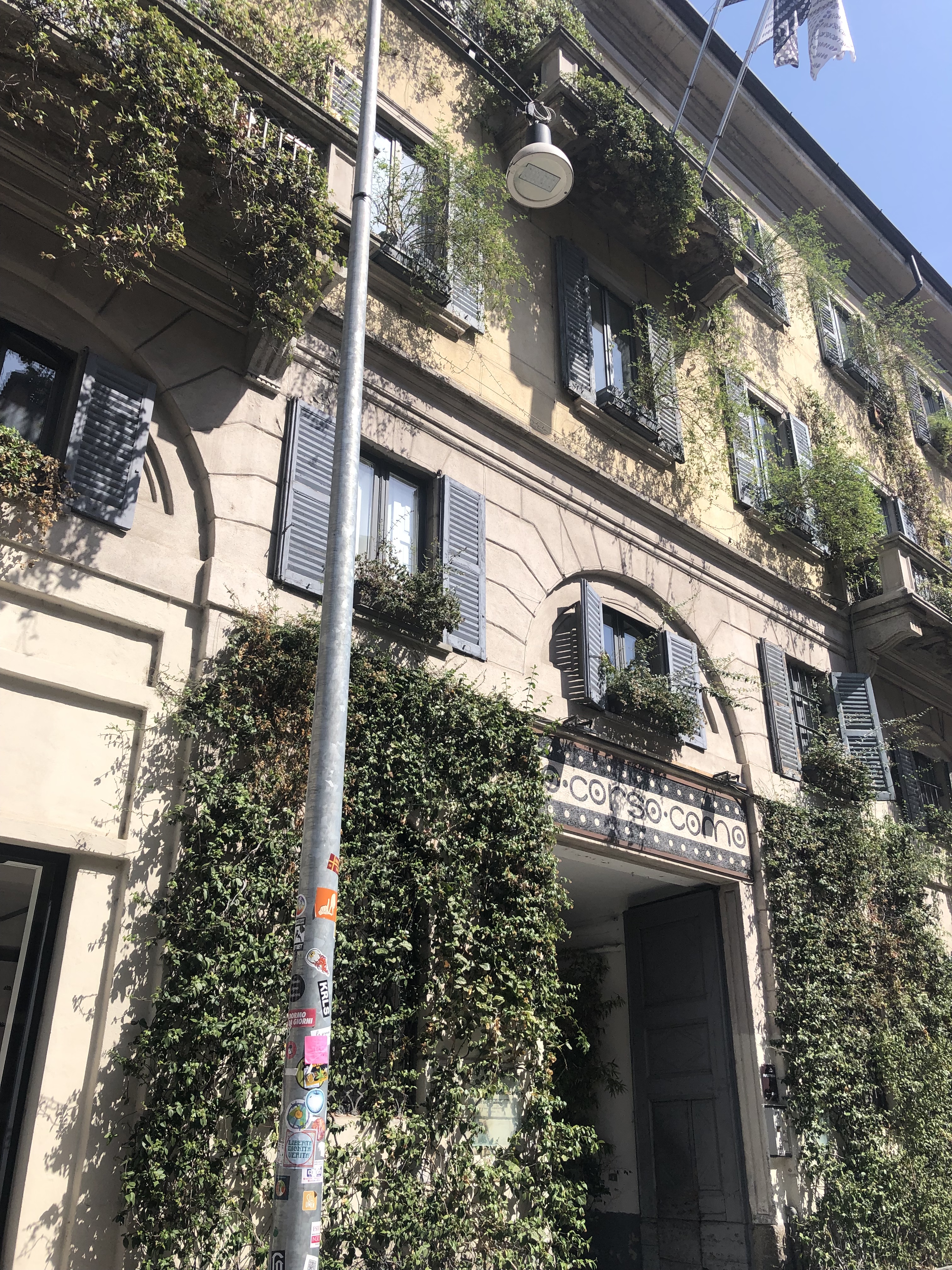
Back in Porta Garibaldi, if you want to visit somewhere with prices that are out of reach for most – and also one of Milan’s flagship destinations – then spend some time browsing the best of modern European design (or sipping an espresso) ensconced in the signature black and white interiors of 10 Corso Como (Corso Como, 10, 20154). Around the corner is another flagship destination – Eataly Milano Smeraldo (Piazza Venticinque Aprile, 10, 20121). I literally ate my words thinking this location would be akin to the chaos of the NYC branch – and I was wrong. This is the megamall of Italian gastronomy, in a beautiful spacious layout that will impress any commercially-branded skeptic. It was also my last stop before departing Milan, where I awoke bright and early, lining up for opening doors to score a fresh loaf of bread to house the previous night’s cotoletta for the plane ride home – a fitting end to an indulgent few days.

Cork, without the music

During the summer of 2021, Ireland’s “6 ft apart” floor sticker and hand sanitizer game was strong. The discipline around Covid protocol was beyond impressive – and taken so seriously by most of the population. Regulations extended to pubs of course – bartering for their reopening sans music/entertainment. But, it was one step towards normalcy and the practicality of Ireland adapted – opting for early closing times and drinks outdoors. Of course soon after we departed, the music ban was lifted, but looking back, it definitely made for a strange visit frozen in this strange moment in time. But, in a time when being abroad was a renewed blessing, going without music was a small sacrifice to start to feel “normal” again.

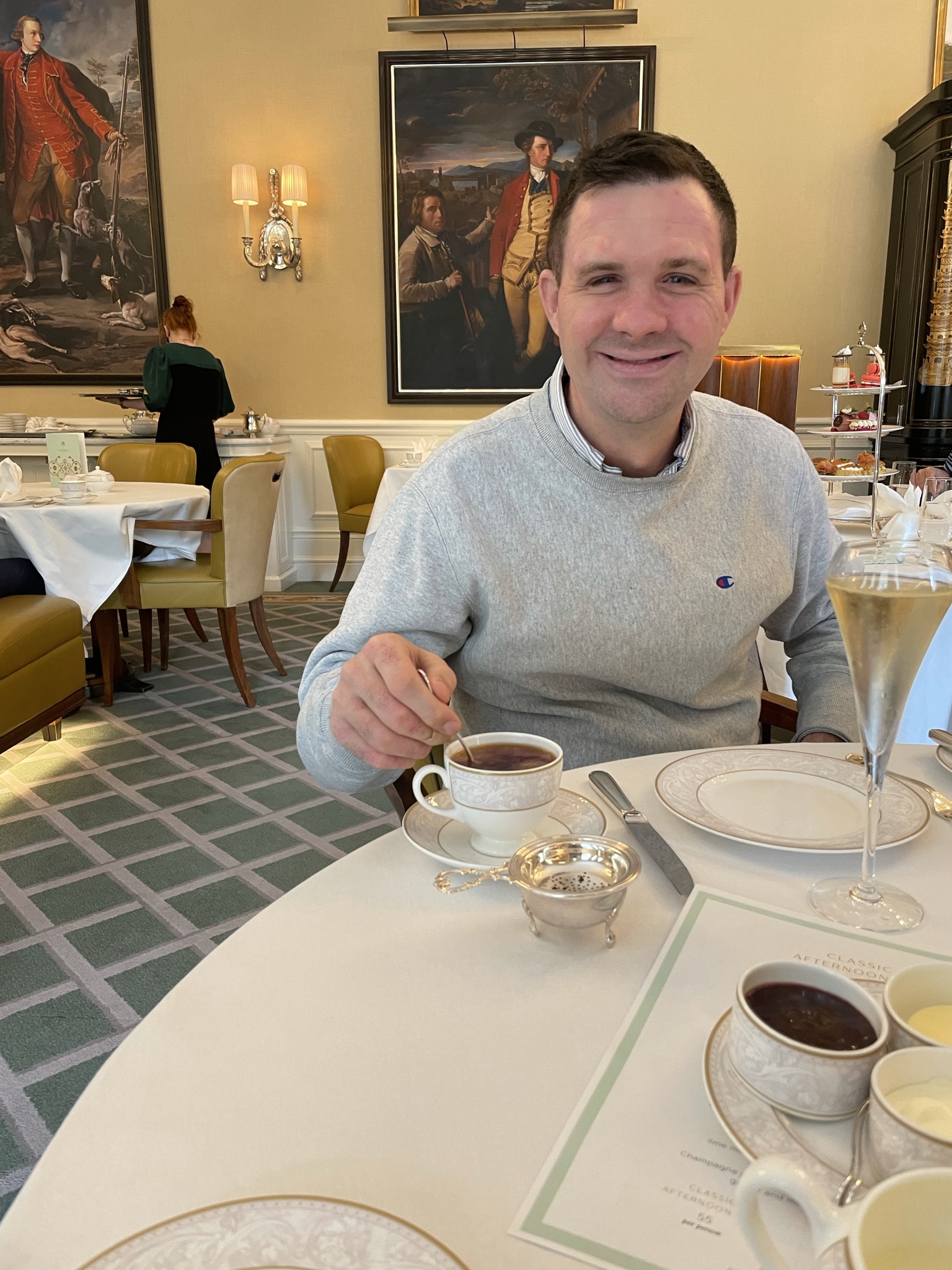
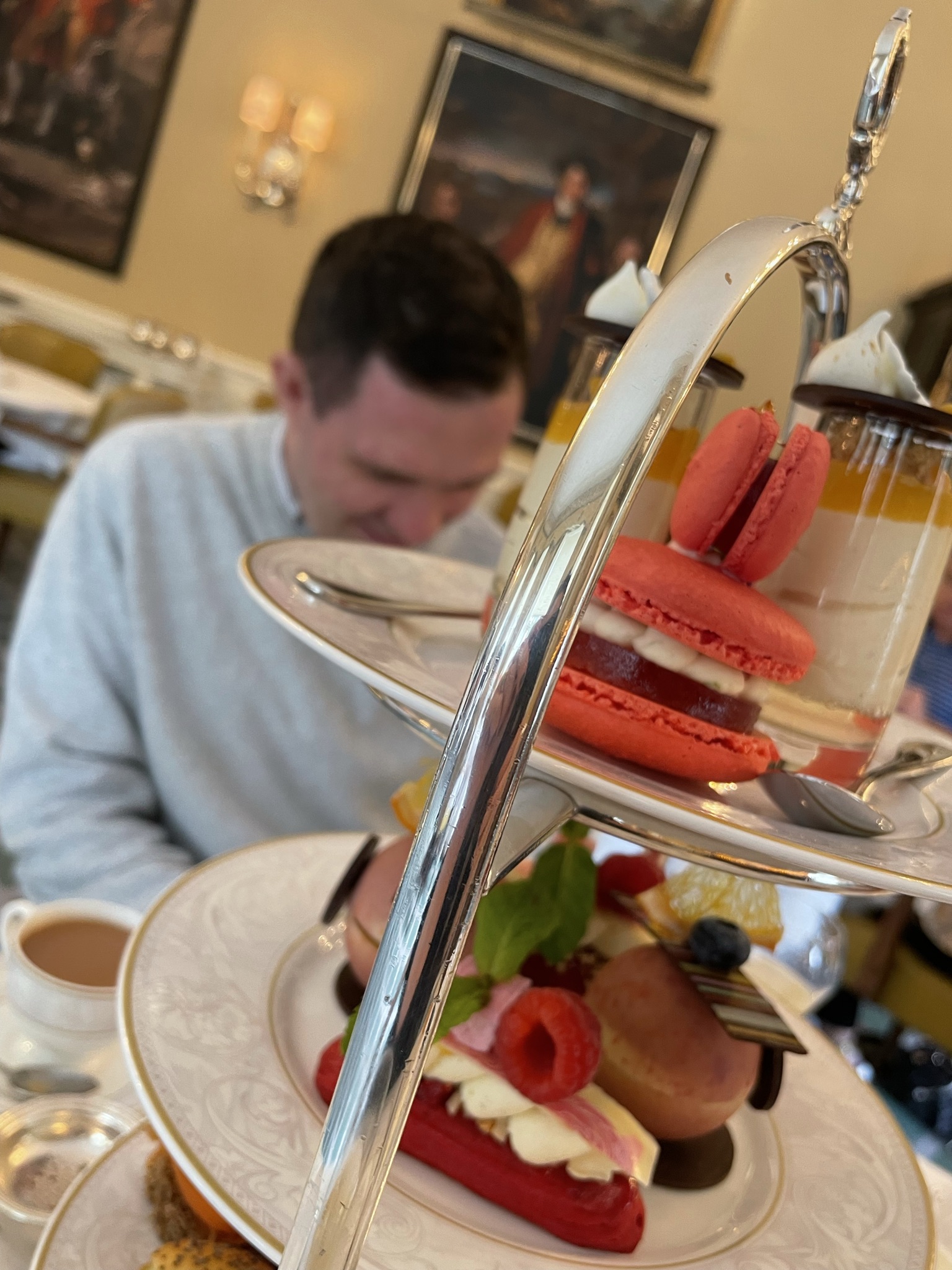
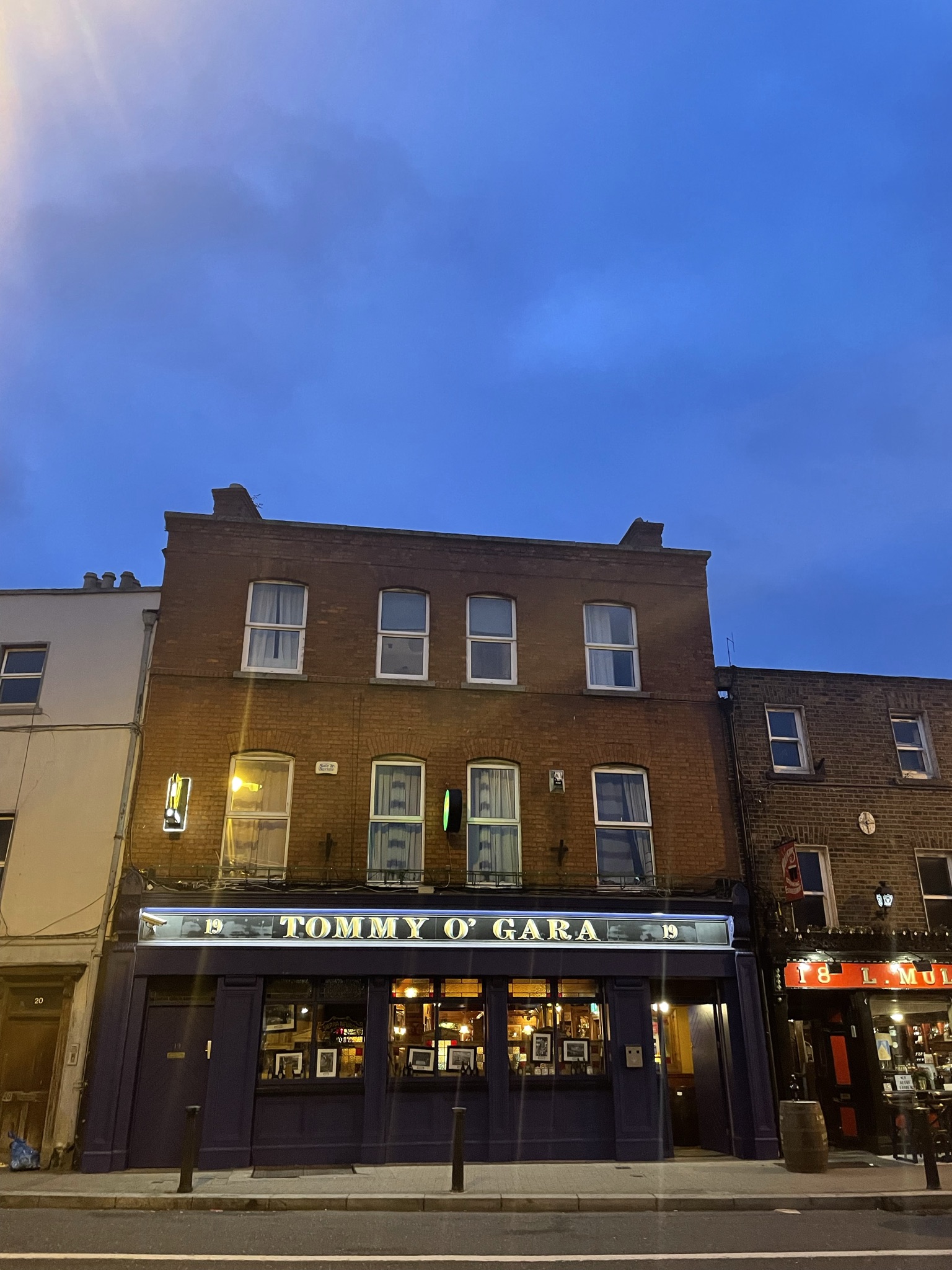
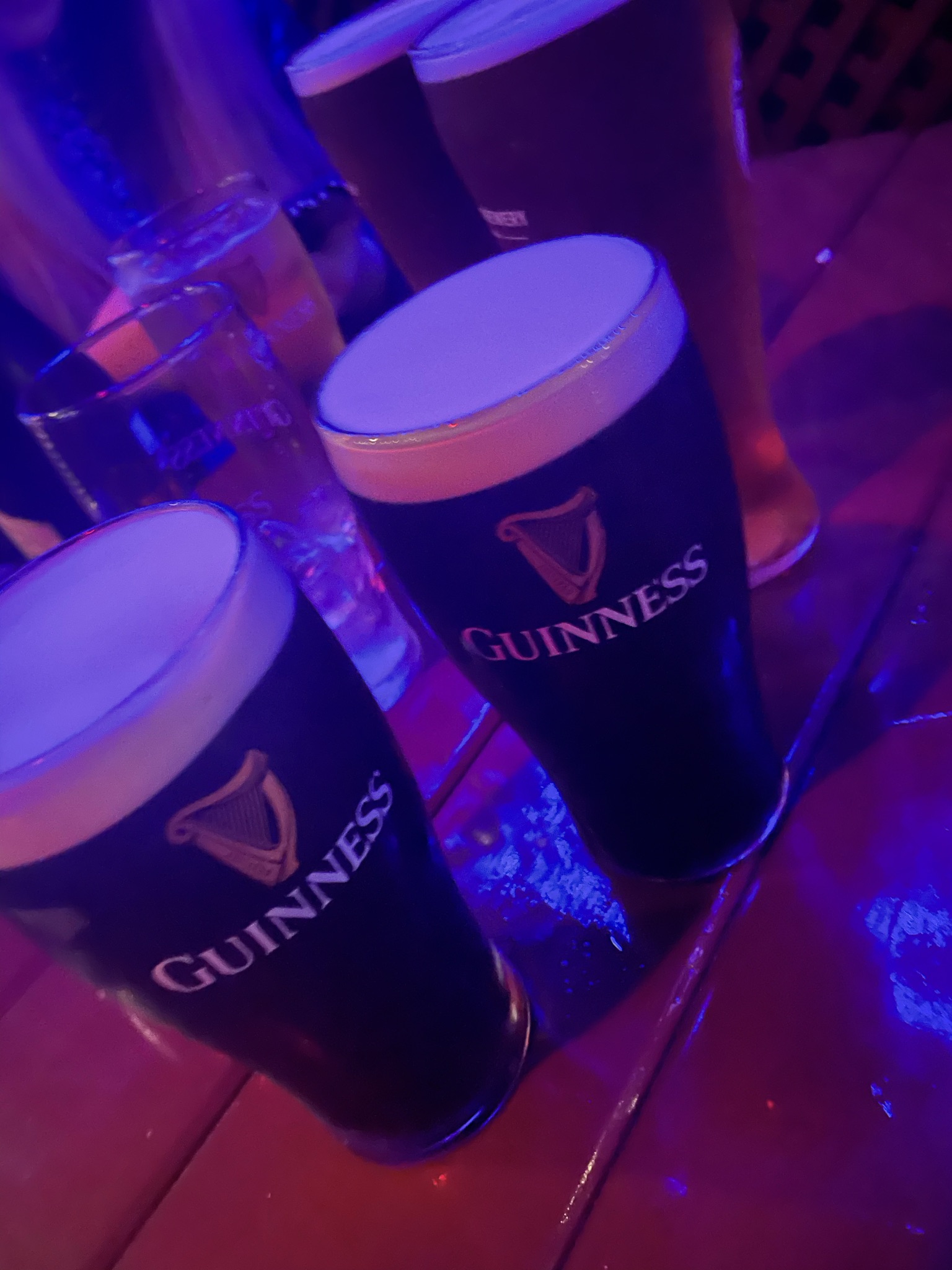
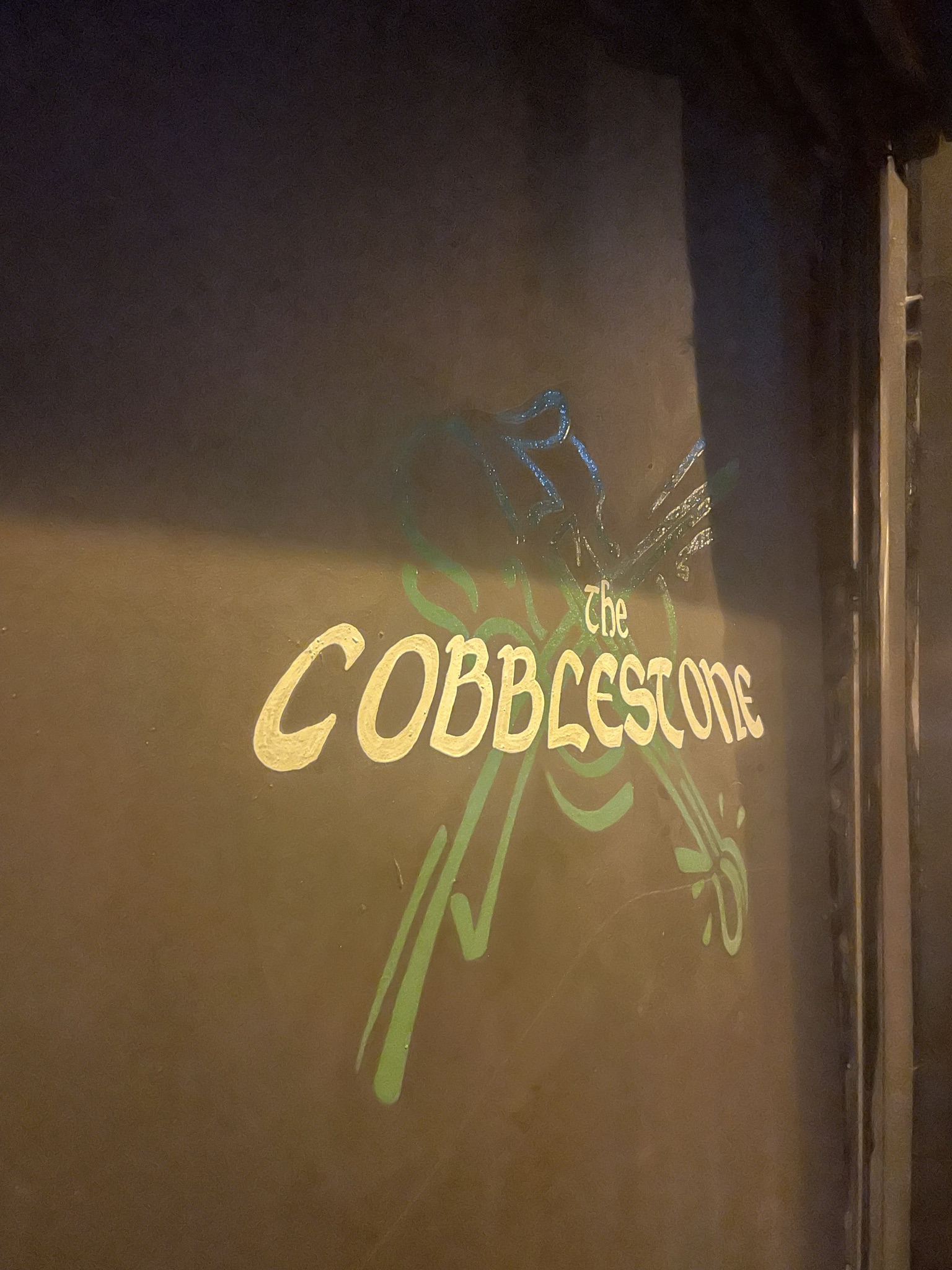
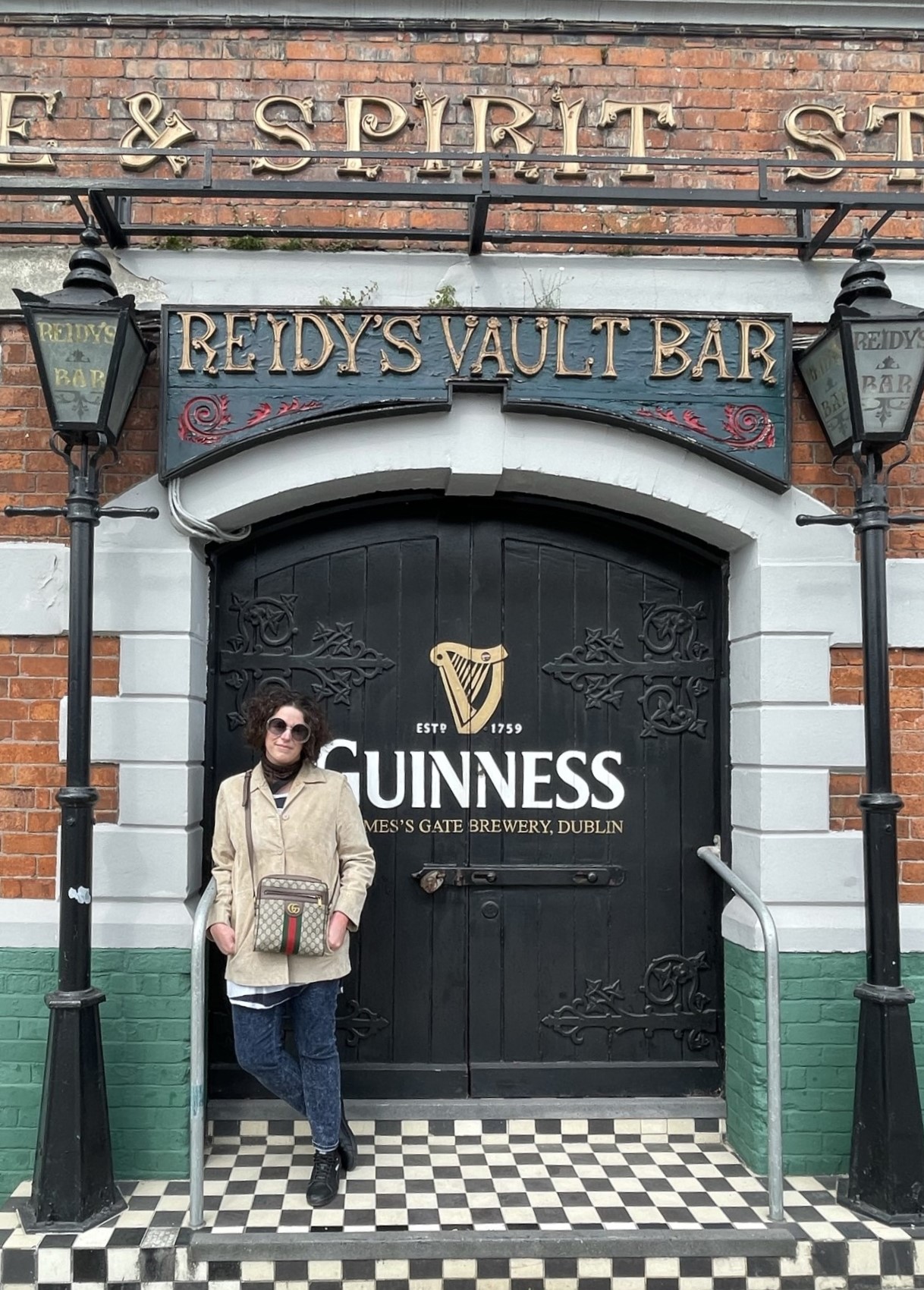
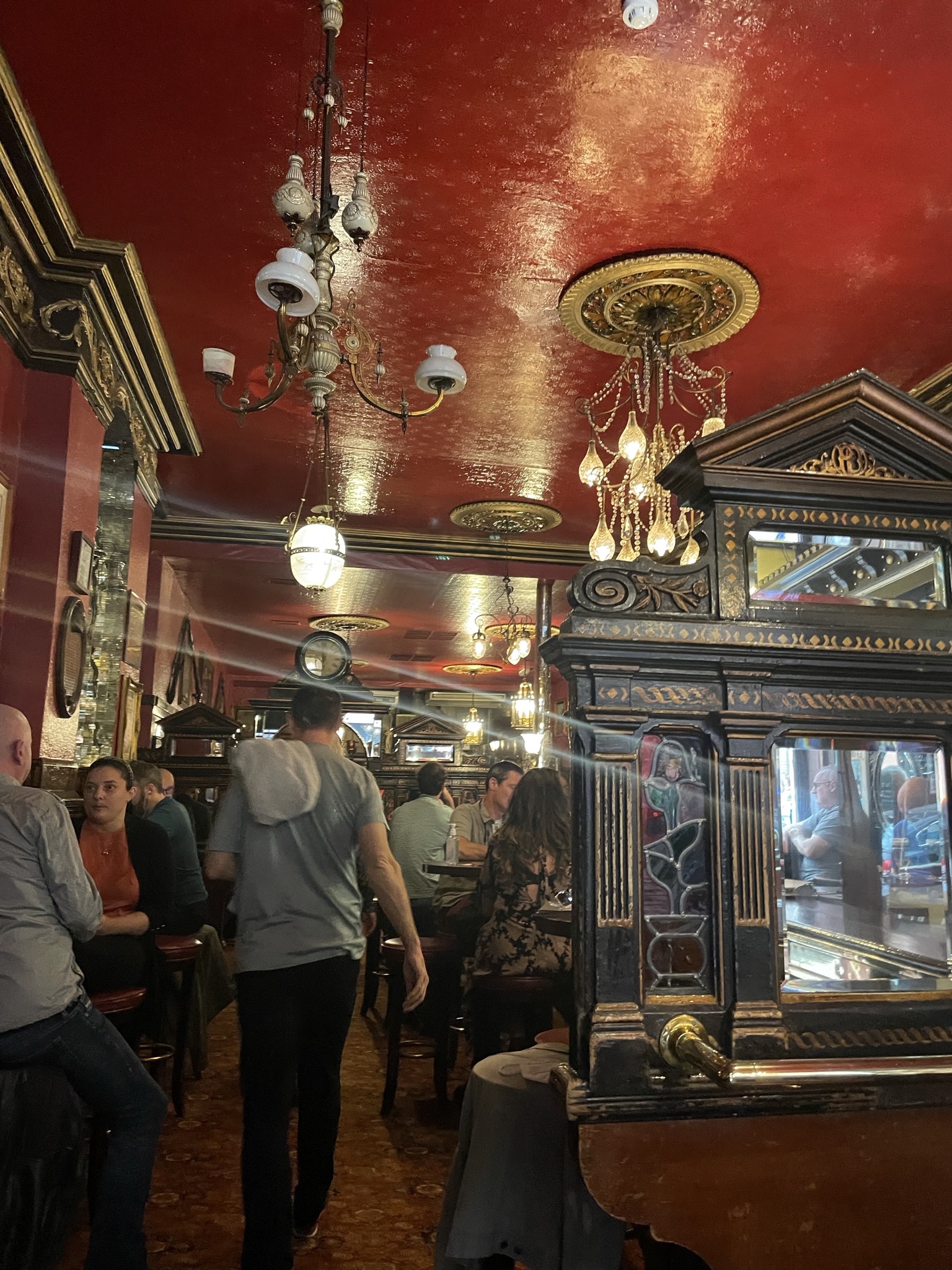
We started off in Dublin – visiting the usual haunts, exploring our Northside reliables Tommy O’Gara’s (19 Stoneybatter), The Cobblestone (77 King St N, Smithfield), John Kavanagh The Gravediggers (1 Prospect Square, Glasnevin), central icon International Bar (23 Wicklow Street), plus a dignified afternoon tea at The Lord Mayor’s Lounge at The Shelbourne Hotel (27 St Stephen’s Green).

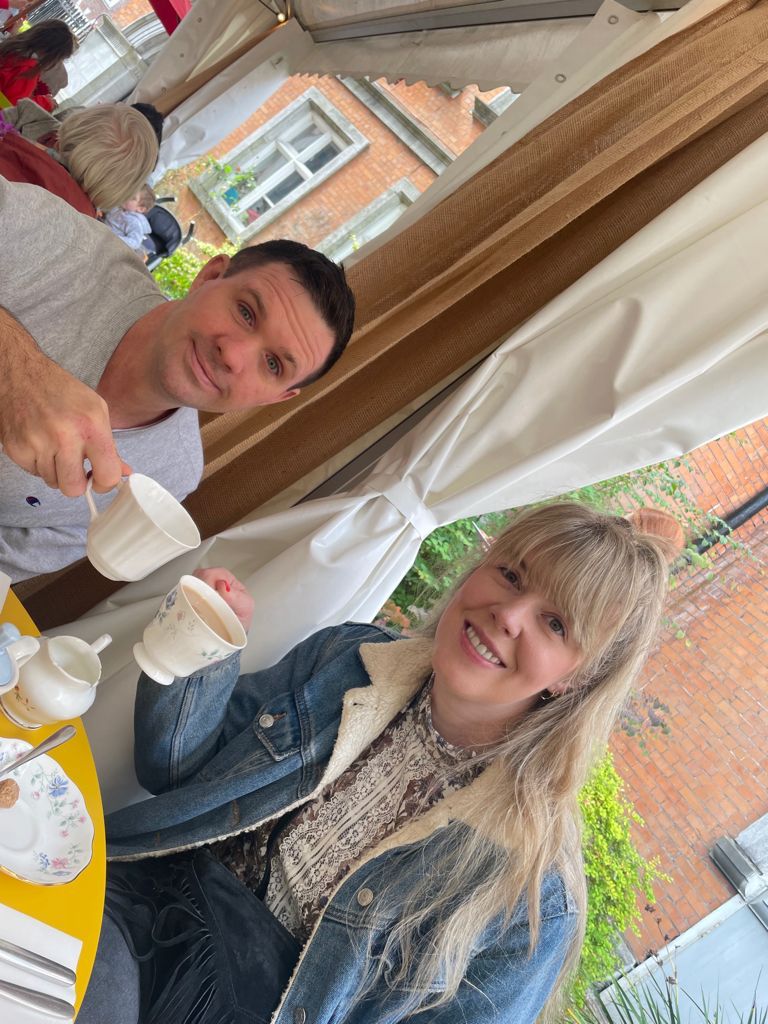
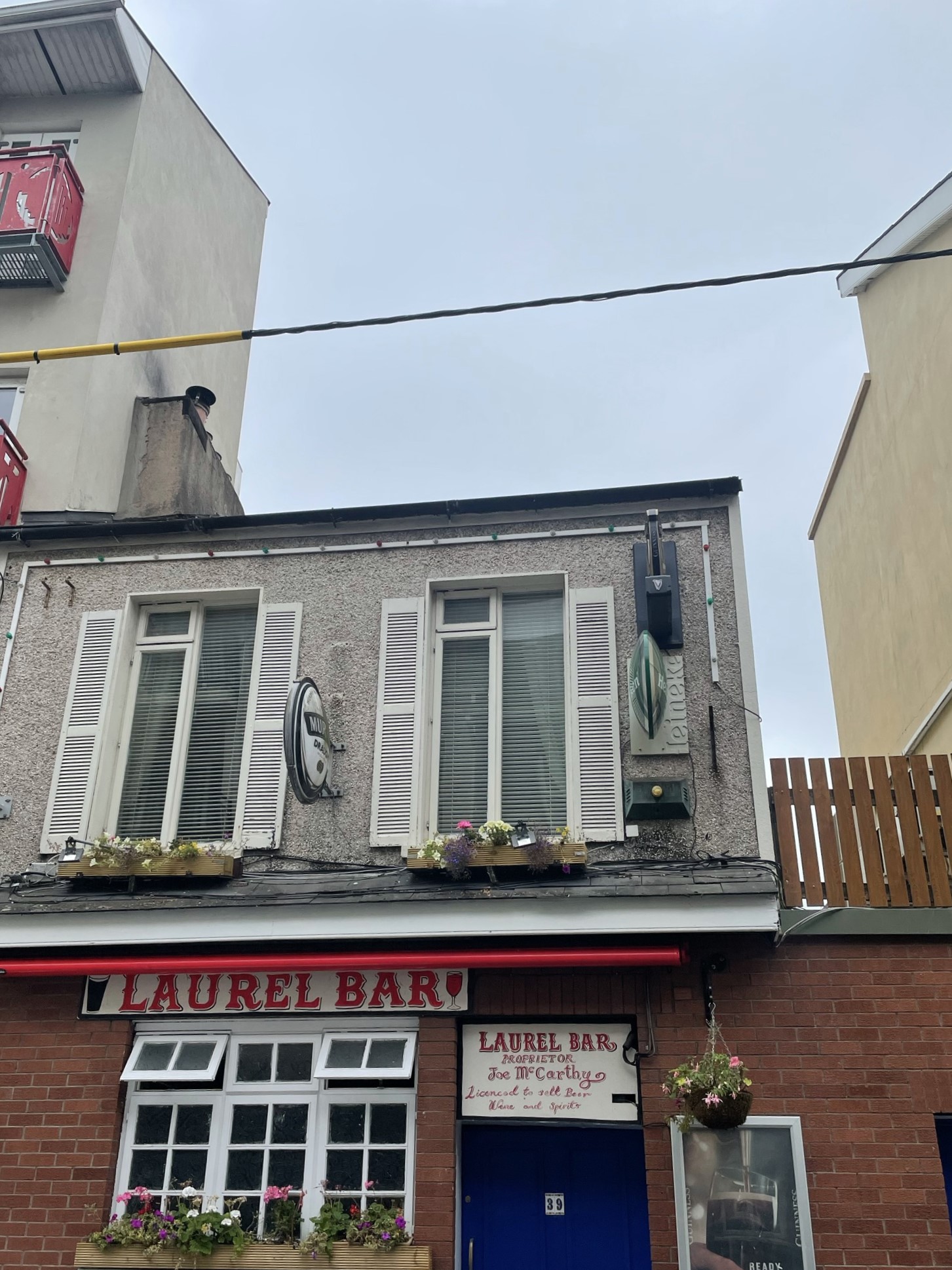
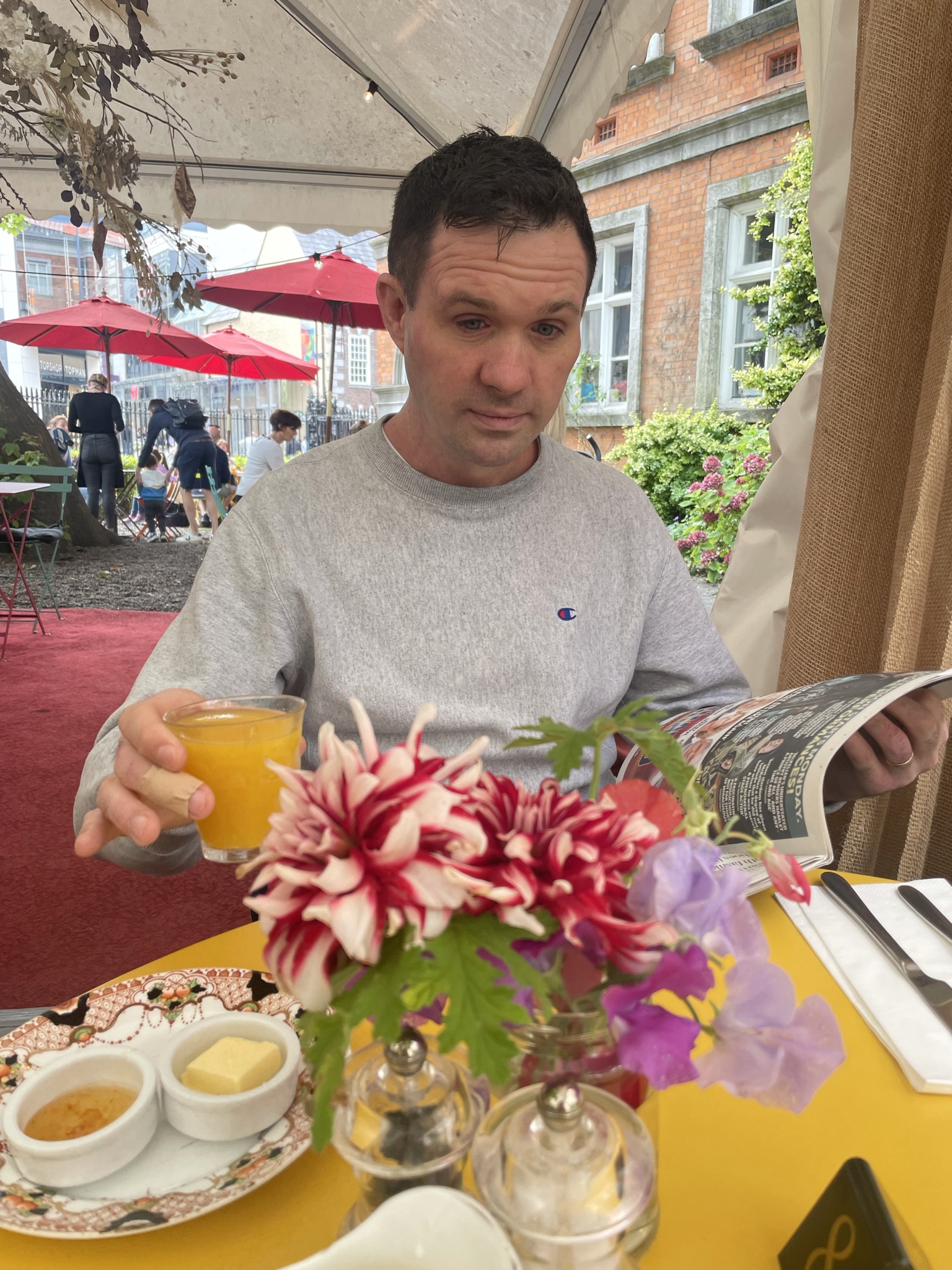
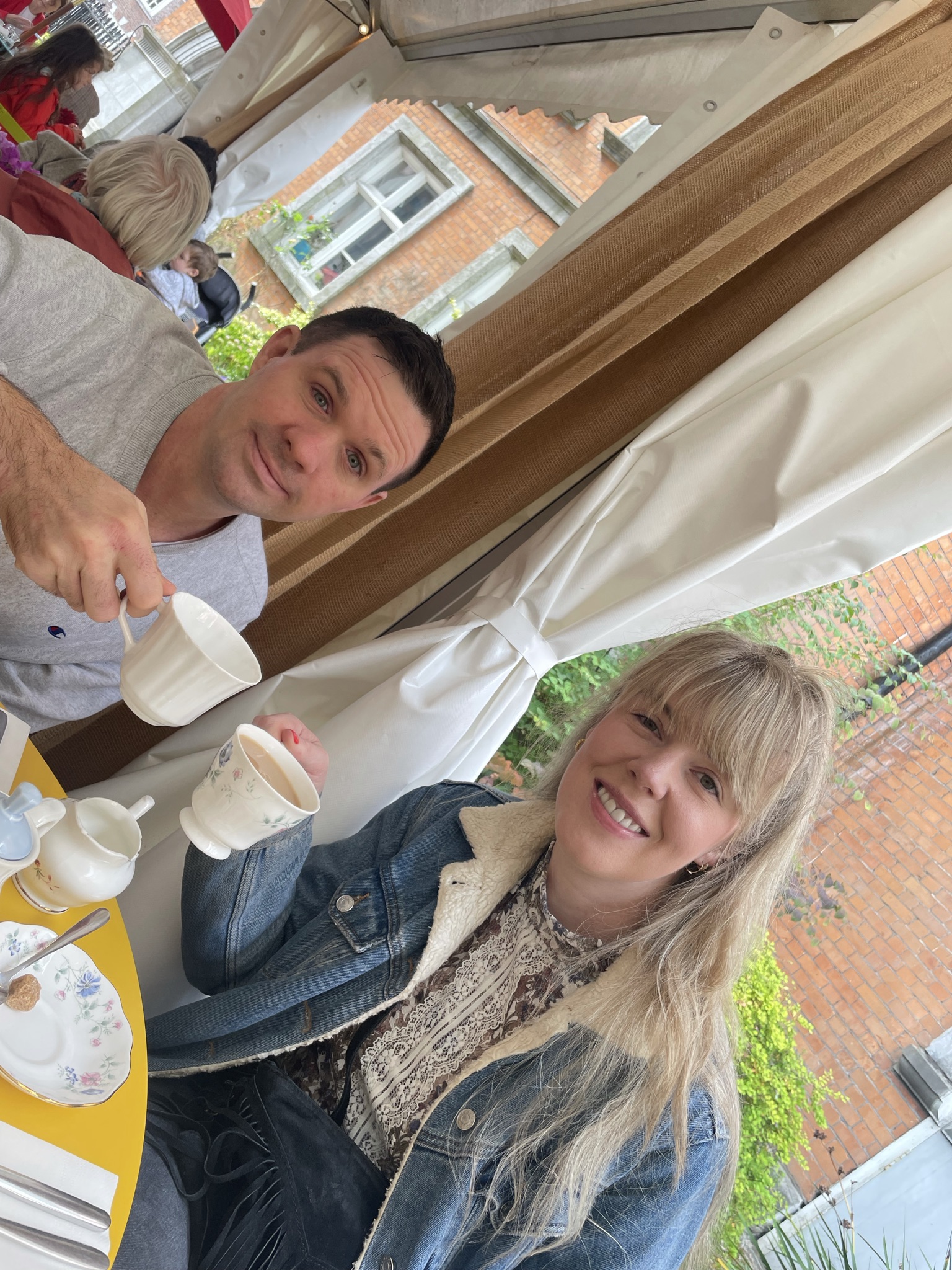
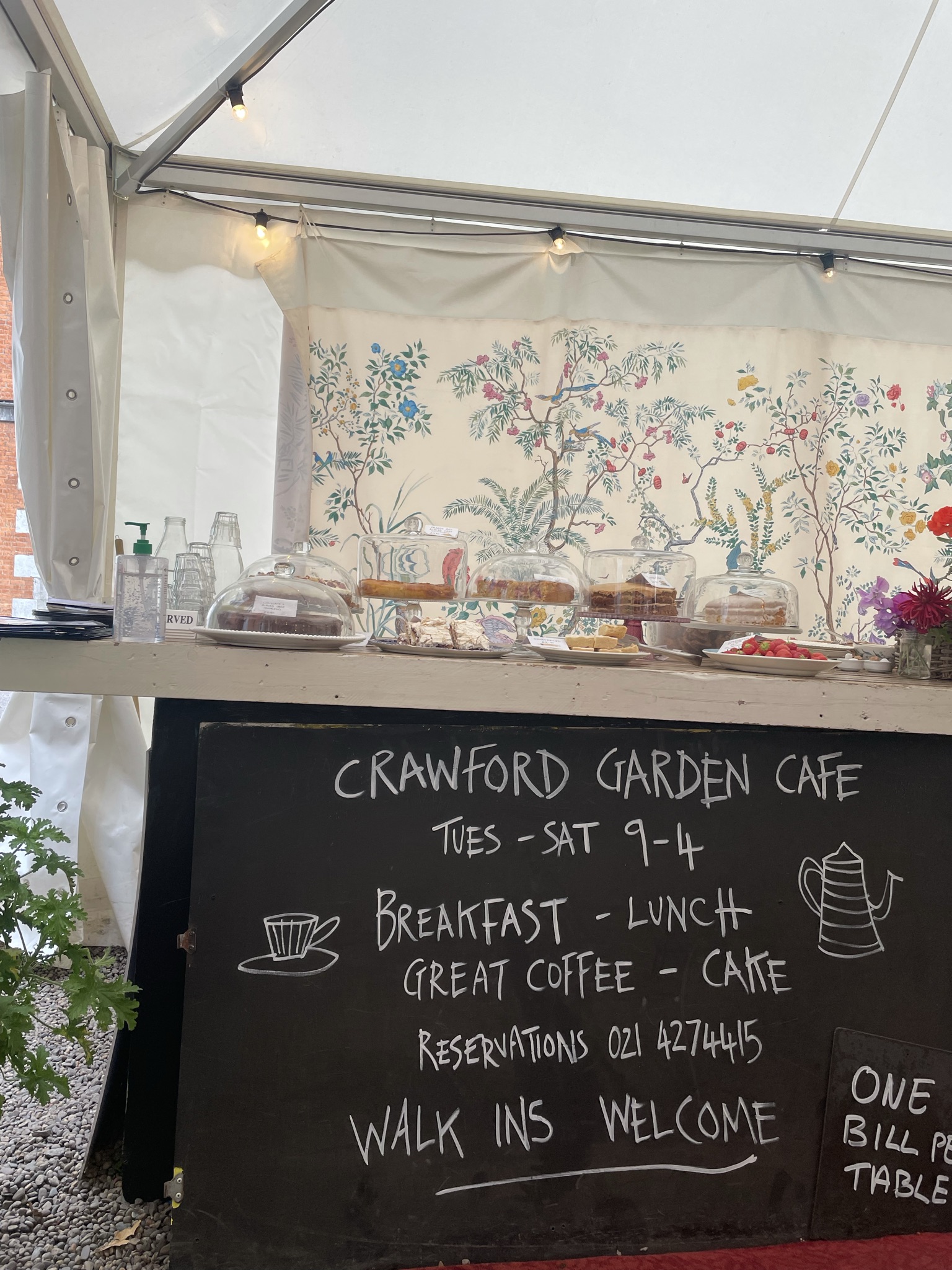
A direct train journey from Dublin to Cork, situated in the southwestern Munster province, will take around 3 hours. Cork is easily walkable, snaking around the River Lee. Start the day at the Crawford Art Gallery (Emmett Place) – a gorgeous ex-custom house from 1724 housing 3,000+ works of Irish and European art. Dining al fresco in the gallery’s cafe garden and enjoying a traditional breakfast with cups of tea nestled in vintage porcelain was peak Irish charm. Charlie’s Bar (2 Union Quay, Ballintemple T12 A376) would normally be a showstopping music bar, but it had charming outside seating along the Quay to make up for the loss. A sprawling ex-apothecary found new life as a cocktail bar at Arthur Mayne’s Pharmacy (7 Pembroke Street) – the perfect stop after chomping on sausage sarnies at the winding and historical English Market (Princes Street). As it gets later, planning your night on the tiles along Barrack Street is a wise choice. The street is dotted with many an old man boozer and makes for a fun crawl. Start at Mr. Bradley’s, then Tom Barry’s, O’Sho, and finally, head down to Sullivan’s Quay, make a right at Mary Street, and pop into The Laurel Bar, a discreet spot that feels very locals only – where you should not ask the bartender to make you a Long Island Iced Tea. Trust me. Food was not a centerpiece of this trip. Maybe it was still the lingering Covid effect of dining indoors and feeling out-of-sorts with restaurant culture again, but ham and cheese toasties and munching on McDonald’s under the Cork night sky was a charming and memorable part of what was a very strange summer indeed.

Iceland (Summer 2021)

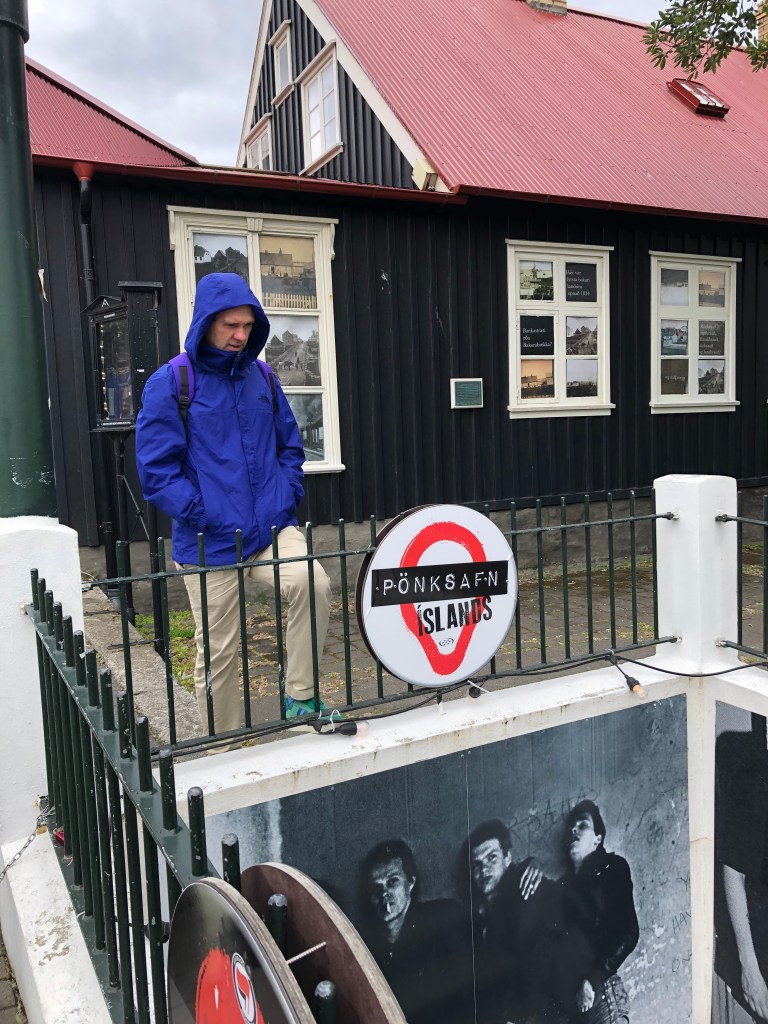
Back in 2005 my smug self would chuckle at eager friends flocking to Iceland. Whether it was going to Iceland Airwaves or gazing at the Northern Lights, their outdoors selves were delighted at the prospect of baking bread in the earth and the incredibly accessible natural wonders they would behold in this tiny country (around five hours direct from NYC).

Fast forward to 2021. It feels bizarre writing here again. In fact, it has taken a really long time to get back here because I went from living in an Adidas tracksuit everyday to trotting around Europe as soon as we received the green light from the powers that be. I truly believed we would not travel for a very long time… and that it would never be the same… and that overall, it would take a long time to feel normal again. Much of that was and still remains a truth for many, and in 2021 I felt almost embarrassed to document my travels because everything seemed to revolve around so many scenarios, worries, and pre-departure test result stressors.

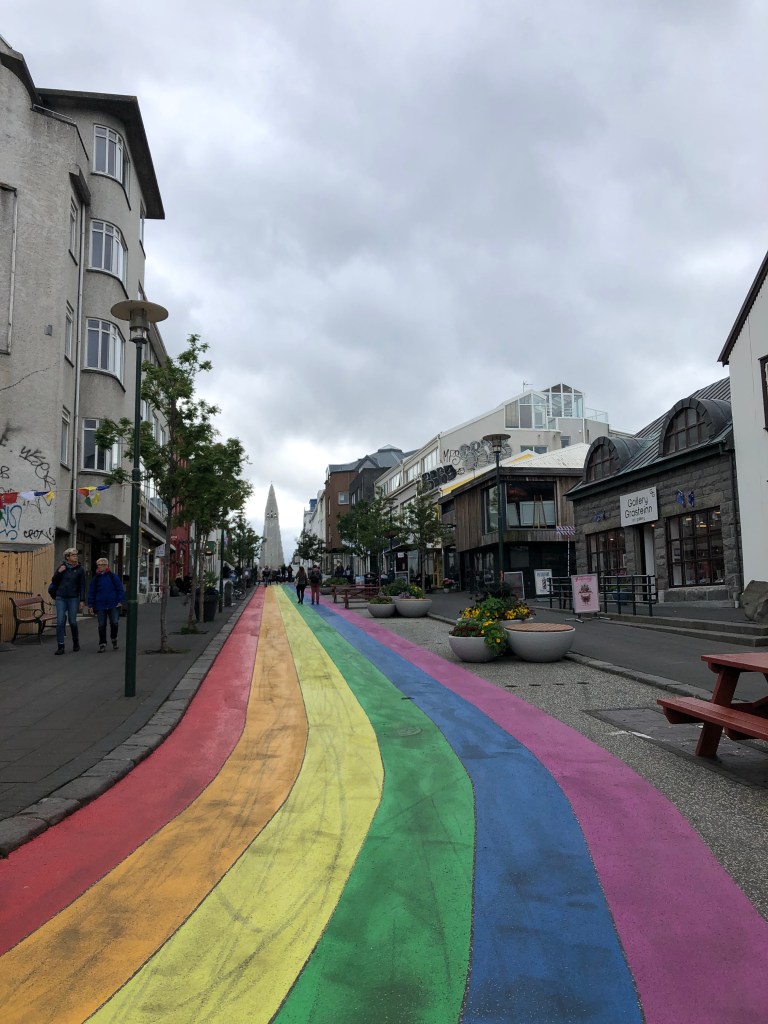
Iceland was one of the initial countries to welcome back U.S./U.K. tourists, and that was enough to plan our first translatlantic voyage, and meet our longlost friend Lucy for the first time in over a year. We arrived masked up, sitting in Reykjavik airport among hundreds of New Yorkers in athleisurewear awaiting tour buses. The acceptance of mask-free living was culture shock enough, but we settled into Icelandic life quickly, in the heart of Reykjavik with the Radisson Blu 1919 Hotel (Pósthússtræti 2) as a homebase. Modern and spacious rooms serve as the perfect compass to access touring meeting points for both land and sea. I am not going to lie – part of the allure of this hotel was its proximity to a pølsevogn [hot dog] stand Bæjarins Beztu Pylsur (Tryggvagata 1) – a little luxury that was open very late and served one of Scandinavia’s favorite street foods.

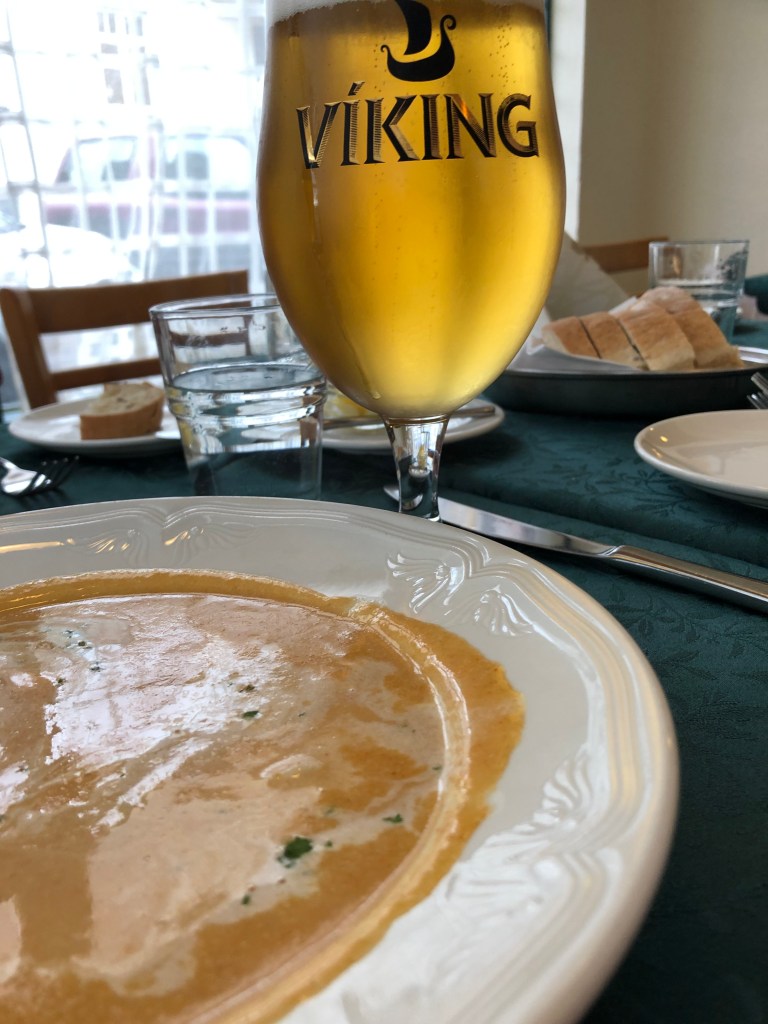
Barring the apparent traditional delights of whale or puffin meat, Icelandic comfort food was delightful, especially at the classic taverns Café Loki (Lokastígur 28) and the quieter and slightly more charming Þrír frakkar (Baldursgata 14). You cannot go wrong with a hearty, warming fish pie (plokkfiskur) or lamb soup (kjötsúpa). Another standout was Seabaron (Geirsgata 4a) – for freshly skewered and charred seafood, and a showstopping lobster soup, fresh from the waters you sit beside (accompanied by some violently hungry seagulls). While we enjoyed a few days of hearty meals, they soon became one hit wonders and some spice was needed. Reykjavik has a delectable offering of solid Thai spots further away from the town center, namely Krua (Skólavörðustígur 21) and Ban (Laugavegur 130).

While I was never a major Björk fan, being a 90s child she was always a fixture in my life’s soundtrack, and of course a style icon. It was cool being in the land of The Sugarcubes and Sigur Rós. The vibrant Icelandic music scene that tickled our ears in the early noughts remains, and its HQ is 12 Tónar (Skólavörðustígur 15) – home to a trifecta of secondhand + new music, and an all day cafe-bar. It became our base along with what would only qualify as an old man boozer, Den Danske Kro (Ingólfsstræti 3), a solid, no-nonsense spot for darts and occasional live music for the obligatory Oasis singalong. Icelandic folk like to drink and party you say? Oh, they really do. I don’t know if it was my quarantine-meets-nightlife shell-shock, but the aggressive party vibes were pretty intense, so keep in mind that you’ll be bumped into and shoved at many night spots (sans apology) …. many, many times. This was very much apparent at the Britpop-themed Kaffibarinn (Bergstaðastræti) [once apparently co-owned by 90s dreamboat Damon Albarn].

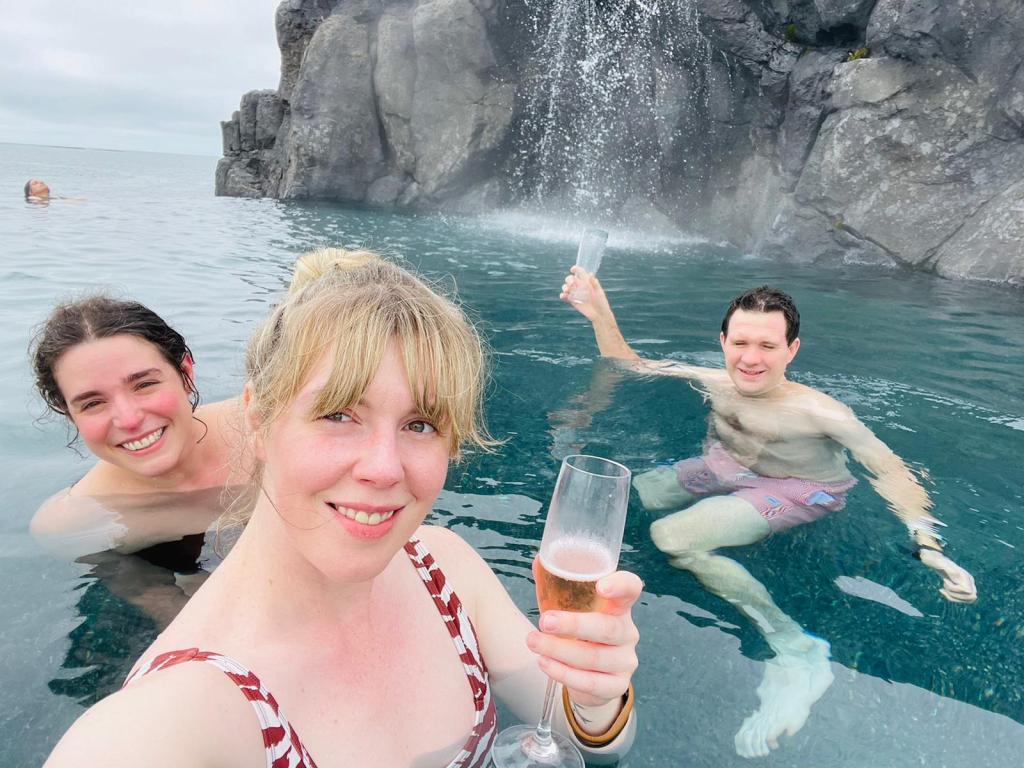
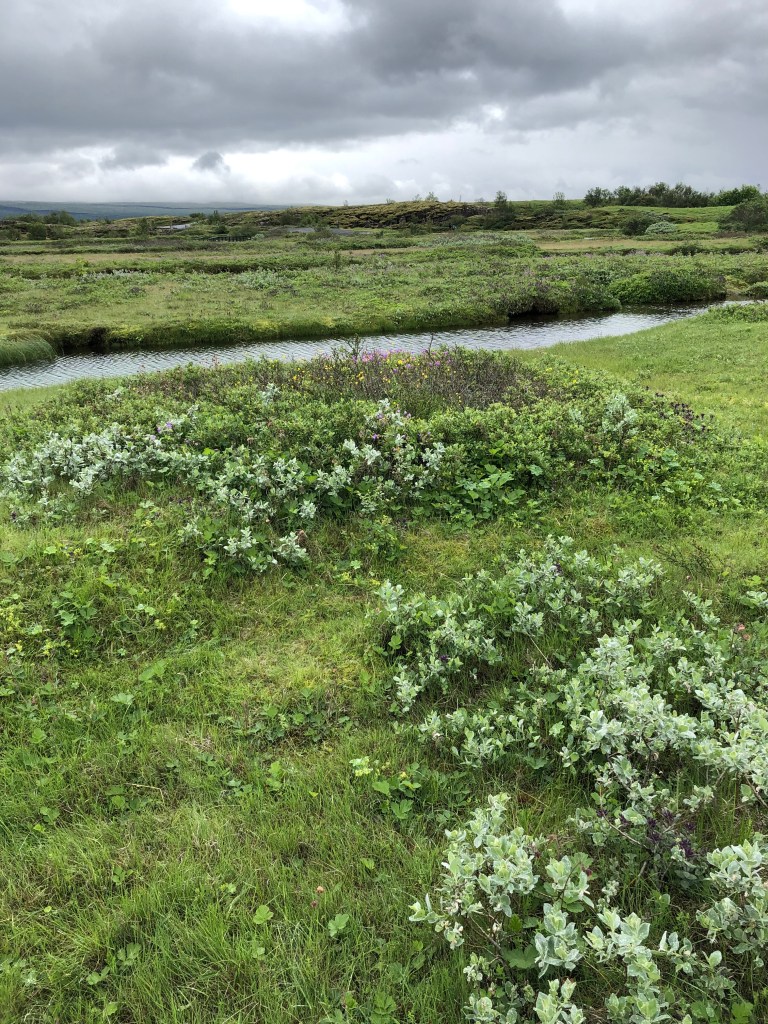
We crowned our trip with seeing the sites of this mystical land. After being housebound for so long, it felt surreal winding through a haze of muted colors. So many greys, lavenders, greens, and browns. Tread the tectonic plates, gaze at Gullfoss [Golden Falls], walk among the geysers [mind the sulfur smell!], board a boat for some puffin-watching [for such adorable little things they are quite territorial and bitchy – who knew?!], and finally, reward yourself with a lounge in a geothermal lagoon at the new-ish Sky Lagoon (Vesturvör 44-48 200, 200 Kópavogur). It was one of the best – and memorable moments of this trip. Descending into the warming, fresh water, sipping on champagne, and admiring the foggy grey coastline ahead, it was a healer for the body and mind after such a dreadful few years for everyone… and the perfect reset to begin traveling again.

Stockholm (Late Spring 2019)


Perhaps this was the ultimate sojourn. I have taken brief trips before but never have I packed so much into four days in my life. When we booked our Stockholm excursion we gleefully presumed that four days, three nights was plenty. Deep down I thought about all of the setbacks – mainly flight delays – and anything else that would put a damper on our trip. Sure, Sweden isn’t exactly a hop/skip/or jump away, but when you love Norwegian Air as much as we do, you’ll happily sacrifice your bed for a night flight anywhere.

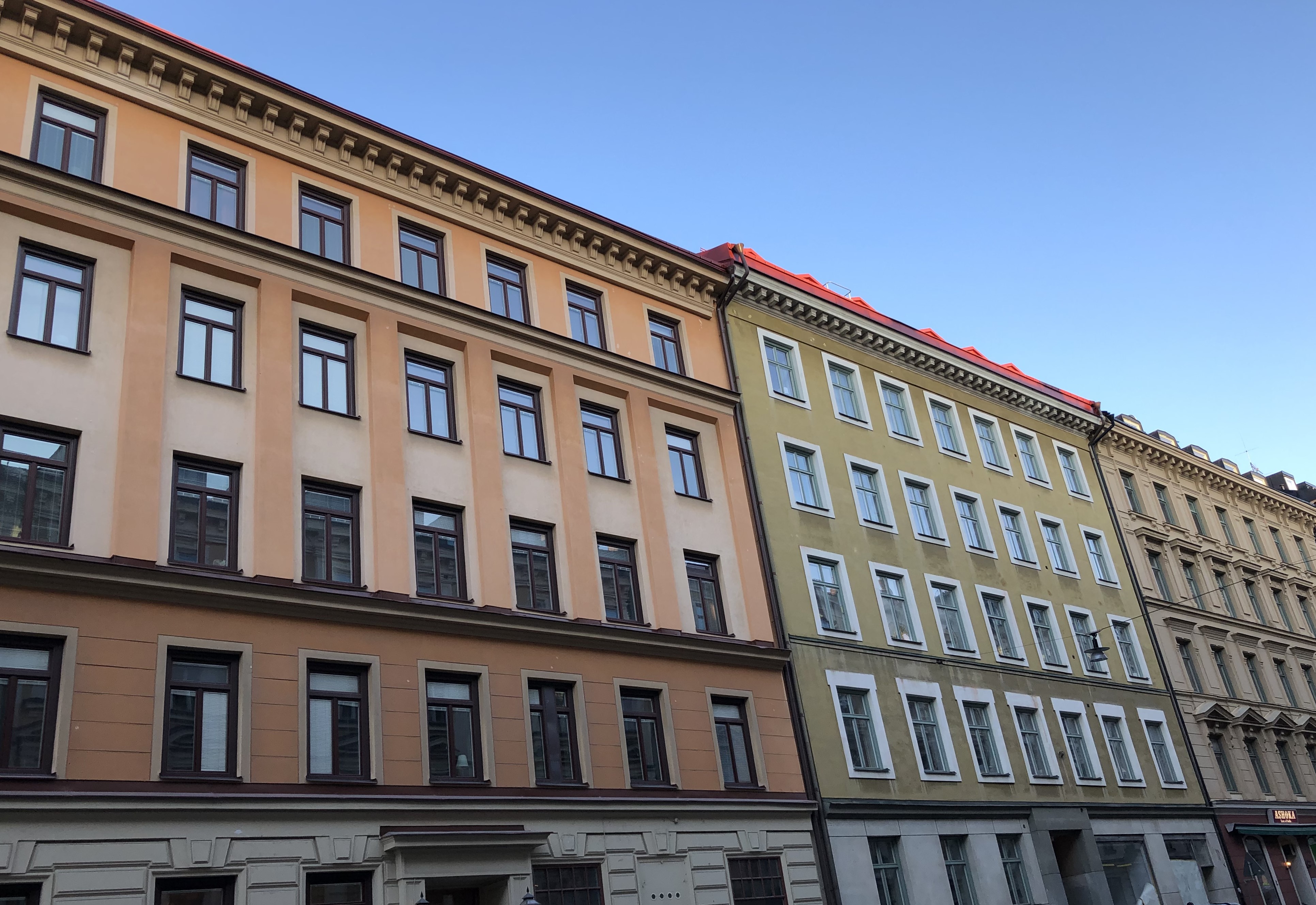
When visiting all major Scandinavian cities at first I feel serenely overwhelmed by the spartan vistas, but find myself never fully achieving the drainage that comes with a Paris or Rome experience. I knew this would help the cause of avoiding as much sleep as possible. Bikes, bridges, and beauty abound, and Stockholm is a large city, with varying neighborhoods – from village-like to sprawling – that don’t seem cohesive – perhaps due water infiltrating the city’s layout. Stockholm is easy to maneuver – by foot, public transport, or… boat. Taxis can be costly, but when visiting for a few days. they’re worth the time-saving splurge. We based ourselves in the hip Södermalm area at the Scandic Sjöfartshotellet (Katarinavägen 26). A friendly Scandinavian chain, this Scandic had views of the Baltic, a fun rooftop bar, and rooms that were nostalgic of Swedish 70s seafaring culture. I was in love. Yes, there was an odd stale smell stemming from the waterways, and seagulls seemed to stalk our deck (and devour our sunrise McDonald’s snack), but it was all part of the charm. Initially a working class territory south of the historical Gamla Stan, Södermalm is made up of main thoroughfares replete with Scandi chain stores, indie shops, cafes, and everything in between. Laid back Swedes love life, not veering far from the Mediterraneans with their cafe culture and penchant for wiling the days away when sunshine beams. They even define their daily downtime as fika, a cornerstone of Swedish life that prioritizes daily gatherings over warm beverages usually accompanied by pastry. I underestimated the Swedes’ sweet tooth, and baked goods are truly prevalent everywhere. From sticky, cardamom-laced kanelbullar aka cinnamon buns, to coconut-coated chokladbollar and everything in between, it is impossible to not find a cafe to transform into the fika state of mind. The Eastern influences of cardamom and saffron weave their way through Swedish pastry, and although saffron is usually reserved for Christmastime, it was a treat to enjoy its flavor permeating through an ice cream scoop. A good place to initiate yourself into Swedish pastry is at the beloved chain Fabrique (locations around the city), while also finding a good indie-owned bakery in tandem.

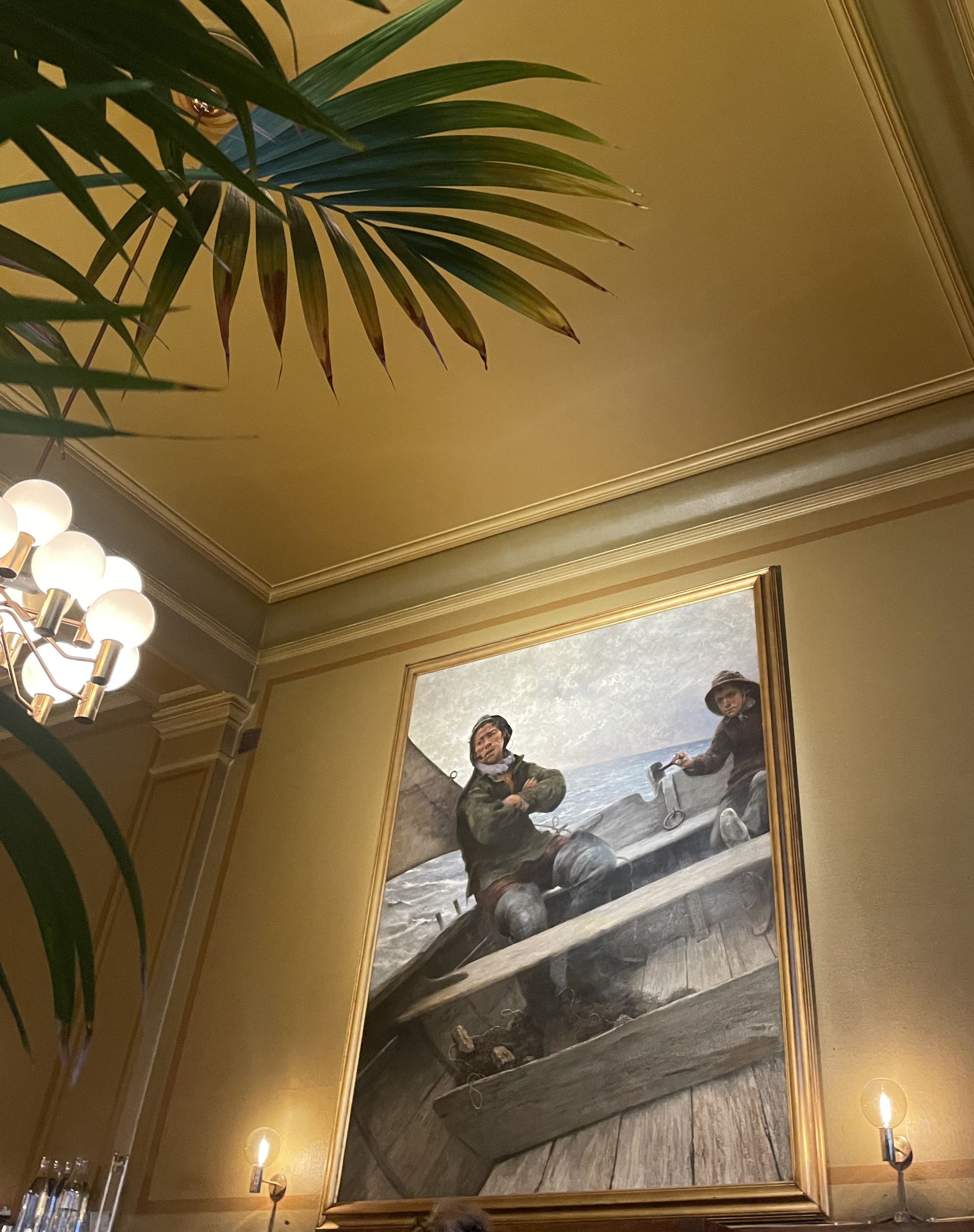
Pastry aside, the Swedish palate is an intense clash of bitter, tart, sweet, salty, fishy, and fruity – sometimes all at once. Unexpected flavors emerged during every dinner, especially at Swedish gastropubs Pelikan (Blekingegatan 40, 116 62) and Kvarnen (Tjärhovsgatan 4, 116 21), which set the stage for two memorable meals. Storied interiors featuring sweeping ceilings, wood paneling, seafaring-themed art, and dim globular lighting traversed between elegant and casual. Convivial servers delighted and instructed – whether it was which aquavit to kick off with, or what beers would complement, and which classic dishes to choose. One of the best appetizers I have tried in my lifetime, Toast Skagen, was a delicate yet supple prawn salad atop crispy toast sprinkled with bleak roe (a Swedish caviar). The varying textures and cold, fruity taste were what I wish every meal would feature, rivaling our North American lobster roll. Lucy was more adventurous sampling gubbröra – anchovies, eggs, parsley, and dill served on sweet brown bread. Cliched, yes, but the Swedish meatballs were hearty yet delicate thanks to tart lingonberry sauce, accompanied by the creamiest mashed potatoes that rivaled my mom’s. Perhaps one of the best dishes I’ve ever enjoyed was Kvarnen’s simple presentation of smoked salmon with a slice of lemon, hedge of dill, and savoury dill-tinged creamed potatoes. Sampling “new” Scandi, Nytorget 6 (Nytorget 6, 116 40) was another assault on the tastebuds – with an enjoyable fish stew, seasonal asparagus, and juicy rotisserie chicken – but the rushed and unfriendly service coupled with dishes that had too much going on ended up making me miss the traditional delights of Pelikan and Kvarnen.

Aside from eating, we spent our time wandering around Södermalm’s storybook lanes and impressive (and Abba-free) vintage stores. Gamla Stan is the most touristic part of town, and while somewhat adorable, its two delights were the fried herring stand Nystekt Stromming (Kornhamnstorg 1) and harbor to board an afternoon cruise that sailed through the waterways of Djurgårdsbrunnsviken through the tranquil and leafy Djurgården. If you’re like me and want to outfit your home in mid-century Swedish design, stroll around Vasastan and pine over pottery at Bacchus Antik (Upplandsgatan 46) and Antique & Quriosashopen (Upplandsgatan 44). Shopping up an appetite, make your way to the grandeur of food hall Östermalms saluhall in the upscale Östermalm area – perfect for all your picnic necessities from an endless parade of seafood purveyors.

Nightlife revolves around ex-industrial area Hornstulls, and Debaser (Hornstulls strand 4) is a throwback to university days with fun Britpop and alternative nights. Situated along a waterway of course, if this were any other city there would be something eerie about this waterlogged clubland. Maybe it’s the fact that sunrise begins around 3am or that Stockholm simply doesn’t have an air of danger – it’s hard to feel uneasy in this town. Street parties and neighborhood bars flood Södermalm and it was easy to get caught up at bars like Snotty Sound Bar (Skånegatan 90). While liquor isn’t as shockingly priced as Oslo, it was still fun drinking brews in the pinnacle of cool – at our friend’s Airbnb, owned by a Swedish-German electro DJ.

I slept for 12 hours in four days. Maybe it’s because I was completely invigorated and enlightened by the abundance of design, the earthy flower child friendliness of Swedes, and the fact that nighttime takes a backseat to daytime. It became clear that the only way to truly enjoy Stockholm was to believe that time had no meaning. When Lucy and I sat on our deck looking at the Baltic and talking until 6am, I awoke two hours later feeling like I had slept for days. I definitely felt the harsh reality of time upon returning to New York, but it only reinforced the dreamlike revel of our Swedish interlude.


Paris & Lyon (Spring 2019)


As my attitude about Paris changed from ambivalence to obsession, I have been finding it really fun to convert the perceptions of fellow travelers. This time Lucy was my convert, and travelling with Tim and her is a nonstop party of booze, indulgence, and brilliance. The best thing that happened to my time living in London, Lucy is now a fixture in all of our trips and the best travel partner one could ask for. Her appreciation for shopping, drinking, eating, and her overall joie de vivre is what makes our adventures one better than the next. I knew that Paris would be no exception.

Retourner à Belleville
After our last trip staying in the 20eme was a success, Mama Shelter (109 Rue de Bagnolet, 75020) beckoned again. Most of our destinations were repeats from the last trip. Just like before, we kicked off Café Le Papillon (144 Rue de Bagnolet, 75020). Nothing wiles away the afternoon – and memories of air travel – than sitting with friends sipping a crème de cassis kir and enjoying the simple goodness of steak frites to reclaim one’s energy. I am usually skeptical of rooftop bars and avoid them at all cost, but Mama Shelter’s rooftop was an ideal way to toast a weekend of Parisian parties. Back to the repetition, we headed up to Belleville and enjoyed some pre-dinner drinks along the lively Rue des Cascades at Bistrot Littéraire Les Cascades (82 Rue des Cascades, 75020).

For our last evening together, we enticed Lucy with the idea of French singing, and she was confused, but when we arrived at Vieux Belleville (12 Rue Envierges, 75020) she knew the evening would go from zero to ten instantly. Minelle, her accordion, and yellowed song sheets graced our presence, and we had come full circle. We sang for hours, ate, laughed, and like before, drank enough red wine to again, sink a small ship. The night culminated with Minelle making Tim and me dance some sort of waltz in matching hats. None of it made sense, but when in France and you’re not a native, what does? We embraced everything about that evening, met new people, and then ended up deep in the weeds of Belleville, only to face the cold, harsh lighting of a McDonalds’s at 4am, sang English football songs down the Rue des Pyrénées, concluding with a blurry, post-McDo dance party in Lucy’s room before retiring.

Dépôt vente luxe interlude in the 16eme
Saturday morning’s destination was heading west to the 16eme, in the shadow of the Eiffel Tower. I had dazzled Lucy with the promise of plentiful designer consignment “dépôt vente luxe” shops around the Rue de la Pompe. Réciproque is the grandaddy of all the shops, stocked with a dizzying array of Louis, Gucci, Chanel, Hermes, and every other major name you can fantasize about. The shop excels in finding the Chanel jacket you’ve always dreamed of, or in my and Lucy’s case, her dream Louise Vuitton bag and my dream Chanel necklace. I love the variety of new and vintage – and that you can walk away with a Hermes neckerchief for €60, or really do some damage to your bank account. Walking around this tony area is a pleasure, and while Lucy and I drooled over designers, Tim did what Tim does best: sat in a cafe, people watched, and read his periodicals. We joined him at the next door Bar et Café Le Montespan (87 Rue de la Pompe, 75116) for a coffee. The interior seems to have stayed put since the late 1960s-early 1970s, transcending time and looking effortlessly stylish. It was temping to pitch up at the bar and enjoy a few apertifs with the locals, but we had more shops to visit along Rue de la Tour, namely the dépôt vente luxe on 14 Rue de la Tour, 75016. Service is brisk and to the point, but for a smaller store their stock is plentiful and Chanel bags/accessories abound. After seeing a stylish older woman sporting a 1980s gold Chanel necklace, I walked in only to find something similar. They clearly are a reliable go-to for the locals looking to purge their closets. Also along the street, generally opening later, is 3 Rue de la Tour, showcasing vintage goods. Aim to arrive in this area around 11am to make sure you can make the most of it, break for lunch (since most of these shops close for an hour or two), and go for another round of shopping at the depots that open later. Lucy and I were on a capitalist high, and knowing we were in the shadows of the Eiffel Tower needed to catch a glimpse – mainly to remember that we were in Paris and not some third dimension. Head to the nearby Rue le Tasse. This dead end street will provide the best Eiffel Tower photo op, with a perfect view. No tourists, no traffic, but maybe an influencer or two (so you’ll know it’s a good photo op spot). This street is so idyllic you’ll be hearing Ella Fitzgerald singing “I Love Paris” faintly in the distance.

Eternally in love with Saint-Germain-des-Prés 
We headed for the 6 and 7eme for lunch, to the newly opened Le Colvert (54 Rue Saint-André des Arts, 75006). Run by a group of young yet experienced restaurateurs, this corner spot had all the trappings of a cool modern restaurant- great tiling, velvet booths, lush wallpaper, and an impressively short but powerful menu, including a burger that was exceptional. Beet-marinated salmon tartare, cream of celery soup, steak, and juicy duck warranted both a lunchtime and a few days later, a dinner visit. It was nice to be somewhere that felt both Parisian and global, that has staying power in a generally fickle part of town where launching a new business must be cut throat. I introduced Lucy to Le Bon Marché (24 Rue de Sèvres, 75007), where even after a morning of being smothered in designers, witnessing the ultimate French department store brought a sparkle to her eye.

A rainy Sunday in the 7eme called for a post-party self-pitying lunch at none other than La Petite Périgourdine (39 Rue des Écoles, 75005), one of our mainstays during the first phase of Parisian jaunts during 2013-2016. The aligot comes to me in my dreams and it was time to meet again. This corner brasserie does the classics very well, with bonus points for having Berthillon ice cream on their menu. (This visit didn’t allow for time to make it to the Berthillon flagship, but were able to enjoy scoops both here and at The Smiths Bakery (12 Rue de Buci, 75006)). Sitting down at the Perigourdine on a gray Sunday afternoon was the perfect venue for a long lunch of French 101 including onion soup, followed by a thick filet of beef accompanied by the not-so-basic aligot– a fondue-like side dish popular in Auvergne. Presented in a pot and poured into your dish to form satin-like layers of potato and cheese, aligot will either entice or nauseate. For dessert, Berthillon’s dark chocolate and rum raisin scoops hit the spot. The rum raisin was buzz-giving-booziness to a tee. We then roamed around the rainy St. Germain, including the dreamy, postcard perfect Jardin du Luxembourg, then to the Église Saint-Sulpice (2 Rue Palatine, 75006). We ended the afternoon sipping coffee in the idyllic Au Sauvignon (80 Rue des Saints-Pères, 75007). This truly democratic wine bar has zero pretense and makes you feel like you’re in the epicenter of Parisian life- an ultimate stopping point for the local, tourist, or anyone who wants to absorb the electric energy of Saint-Germain-des-Prés. On our last day in town it was the fete du muguet, better known as May Day. Worried that the city would shut down and we would be wandering the streets bored and sharing a baguette, it turned out to be the opposite. Cafes were mostly open, people gathered with friends, and the most charming highlight was street corners flanked with sellers of Lilies of the Valley, meant to be gifted to those you want to wish luck- whether it’s your boulanger or mother. Fete du muguet was another French touch I wasn’t expecting, and we departed Paris charmed, yet again.

Lyon 
We had an early night and I awoke with the sunrise to prepare for part two of the trip- a night in Lyon. I had always been intrigued when told that Lyon is the gastronomic capital of France, and I always understood what that meant, yet knew it was something I had to experience firsthand. I am an adventurous eater to a limit- I will not eat offal, and most meats do not entice me. But techniques, textures/flavors, and the overall heightened dining experience are what I deem gourmet- and was excited to experience this firsthand.

TGV high-speed rail service will get you to Lyon Part Deux station in two hours. Considering the drive can near five hours, the train is worth every penny. Gliding through the verdant Rhône Valley, we arrived into the city, and like with most French train stations, you need to taxi it over to the heart of town. We were staying at the new-ish Okko Hotel (14 Bis Quai du Général Sarrail, 69006), the ideal millennial hotel replete with all-day free snacks, stylish work-socialize spaces, and minimally modern bedrooms. Feeling like a kid in a gourmet candy store, I could not give a toss about exploring the city much. Wandering around Vieux Lyon and its quaint cobblestone streets did not appeal to me, when normally that is my ideal Euro experience. Rather, my goal was to spend our hours in divine restaurants enjoying both high and low brow cuisine, eating our way to the heart of what it means to be Lyonnaise. Little did I know that my gourmand dreams would soon come crashing down thanks to modern technology.

Les Halles de Lyon – Paul Bocuse (102 Cours Lafayette, 69003)
Upon arriving, we dropped our bags at the hotel and dashed over to the epicenter of all things food, Les Halles de Lyon. This food hall is the heart and soul of what it means to be French. Les Halles takes your “foodie” nonsense, spits it out, and laughs at you. I hate the word “foodie”, it’s just stupid. I love all types of food, but what I love more is people who are passionate about it sans pretense, and that is what Les Halles is all about. You can be as much as a food snob as you want, but until you come here, your bark is bigger than your bite.
To fully know and understand what it is to be an Epicurean, one must venture here. That is the sheer urgency I felt when visiting Les Halles. I had to take a moment to reflect, to understand that this is so above me and I am nothing but a mere voyeur, peeking around, smelling and tasting. In my lifetime, I don’t think I can fully ever grasp everything this building purveys and means to those in the culinary world. Observing the traiteurs opening their stalls, preparing their fish, positioning the candied fruits… it was watching pure passion in action, and I simply felt lucky to be there.

Paul Bocuse, one of French cooking’s lauded innovators, recently passed away, hence his nomination. I always think of the scene with him and Anthony Bourdain in Parts Unknown when Bourdain stated, his voice breaking, (which seemed rare for someone of his character) that this was “the meal of his life.” That always stuck with me, because you can see that eating in Lyon, at many of these establishments, is what people aspire to do throughout their whole life. Visiting Lyon is something one should not take lightly, and I made sure to savor every smell and taste.

Lost in Lyon
Les Halles sentiment aside, after perusing the aisles, we stopped for a lunchtime beer only to remember that we had to dash for our reservation at family-owned A Ma Vigne (23 Rue Jean Larrivé, 69003). Lunchtime in Lyon is not anytime- if you’re dining at a restaurant, remember that lunch is from 12-2pm. No ifs. Ands. Or. Buts. Well, Tim did not realize that the data on his phone wasn’t functioning, and somehow we lost sight of where we were from the hotel. We wandered around for an hour- perhaps it was the lack of sleep from partying in Paris, or the intensity of being in Lyon, but we ended up on the Pont de Lattre de Tassigny over the Rhône where I embarrassingly broke down in tears. We had missed our lunch reservation and after hours of not eating in the land of lauded food, I so desperately wanted to just eat. We wandered in a haze attempting to find somewhere that would serve us (and surprisingly, did not come into contact with anyone knowing a lick of English), only to end up on the doorstep of La Mère Brazier (12 Rue Royale, 69001) who is only the queen of the French kitchen. I figured it was a sign… a sign that we were rebuffed, as “lunchtime was over.” Feeling like an American street urchin, I turned to Tim re-stating that lunchtime was over, only to sob a little more. Our walk through town was a greatest hits of the missed meals- like Brasserie le Nord (18 Rue Neuve, 69002) where I sadly observed a man eating the dessert waffle I had craved, drooling through the stained glass window, once again, like an American street urchin. Giving up on the notion of a sit down lunch, we enjoyed a rainbow of delicious glace from Glacier Terre Adélice (1 Place de la Baleine, 69005) and wandered the charming (and very steep) cobblestone streets of Vieux Lyon, as I had planned not to do. Sob story aside, we returned to Les Halles, righted our wrongs, and took an arsenal of cheese and bread back to the hotel for a late afternoon feast.
Café Comptoir Abel (25 Rue Guynemer, 69002)
Aside from needing to be in the heart of French gastronomy, I needed to be in the heart of where my favorite dish originates. Quenelle de brochet (pike dumplings served in a “Nantua”- a shellfish sauce) was my introduction to the wonders of Lyonnaise cooking at the dearly departed, family-owned Moissonier in Paris. I like to think that the Moissonier family gave up the Paris rat race and returned to their native Rhône region, safe in the knowledge that they ran one of the best, most welcoming restaurants Paris was lucky to have.

Knowing that Lyon’s bouchons would be like a million overwhelming Moissoniers,  it was clear that stakes were high in recreating the quenelle de brochet brilliance. Following in Mr. Bourdain’s steps again, our first meal was at the classic bouchon Café Comptoir Abel. Bouchons initially served as small inns for passing-through silk workers in the 17th and 18th centuries. Unfussy, family owned establishments that are both convivial and cozy,  I am certain that this is a haven for the most unique, superb food that France has to offer, and the proud Lyonnaise would probably agree. Classic dishes like quenelle de brochet, the pork and lentil-laden salad Lyonnaise, and lots of meaty/offal dishes round out what you’ll find in a true bouchon.
Comptoir Abel is a dark, woody storied house that immediately transports you into an eerie French fairytale, where the wallpaper talks to you in riddles and the candlesticks break into song and dance, nearly lighting you on fire. Walking in, you can imagine silk workers devouring their hearty meals, now replaced by casual family and business meals. Served by bustling staff who don’t have time to indulge your foodie fantasies, we sat down ready to enjoy one of the best meals of (my) life. Wine had no place in this meal, and enjoying locals beers was the perfect crisp accompaniment that would contribute to the would guaranteed post-dinner fatigue.

One of the tastiest dishes I have ever tried, the salade d’écrevisses (crayfish salad) was gently tossed with haricots vert and olive oil, combining everything I love about food in a dish. I think about this salad at least once a week. Tim enjoyed the silky and sultry saucisson chaud, lentilles tièdes (hot sausage, warm lentils). Finally, the quenelles arrived- piping hot out of the oven, swimming in a house gratin, and truly divine. I was proud of Tim for not making a b-line for the steak, but rather, went for the chicken with morels and cream. A known mushroom/funghi hater since the moment I met him, he strayed away from the morels that I happily pecked on. We had to enjoy the Lyonnaise version of macaroni and cheese, a side dish that appears in most meals here. It’s richer, slightly blander, but better than the neon yellow variety you tend to find elsewhere. Despite the fatigue setting in and the room feeling darker and smaller as each minute passed, we couldn’t deny a sweet ending with sorbet au marron et chocolat chaud – the most delicious chestnut sorbet accompanied by a pot of chocolate sauce for DIY pouring. With the highs and lows of the day washed away, I went to sleep feeling like I fully understood the unfussy yet immaculately skilled magic of Lyonnaise cooking, and like Mr. Bourdain, I had visited Lyon to experience one of the best meals of my life, and I was grateful for every minute.
Daniel et Denise Créqui (156 Rue de Créqui, 69003)
A Michelin-approved restaurant that is reaching the ranks of legendary, I knew we would be in for a different experience than the laid back Comptoir Abel, and visiting here would be best experienced at lunch time. As soon as you walk into the bright, cozy environs, you know you’re in a place where young chefs aspire to work, walking around with a speed and energy that makes you pity the battered kitchen door. Sauces are poured above your head, massive trays of pastry are presented for your picking, and waiters talk about your lunch in the most intricate, loving detail. Everything seems to be happening over your head here, photos hang on the walls of storied chefs, pots of sauces are drizzled by waiters above you, trays are heaving with some of the finest cookware you’ll ever encounter – and would not want falling on you. Spend your time looking up at Daniel et Denise, and you’ll witness nothing but splendorous synchronicity.

Going with the menu saison, Tim went for the crème de petit pois, oeuf poché et pickels de légumes – a frothy pea soup, delicately poured and garnished with a poached egg. I couldn’t leave town without sampling the salade Lyonnaise, Daniel et Denise style, featuring lentils from Croix-Rousse, smoked herring, and potato amandine. For our main courses I couldn’t not fawn over the quenelle de brochet, a petit version from the night before’s heaping portion, in a slightly frothy Nantua sauce. Tim’s chicken fricassé was perfectly succulent swimming in an onion gravy. The macaroni gratin was of course present, along with carrots in clarified butter (our first vegetable in two days), and Lyonnaise potatoes. Reminder: this was lunch. The couple next to us steamed through their meal and were presented with a comically sized tray of dark chocolate eclairs, to which they each enjoyed, and I observed their hearty appetite in envy. I knew we could muster sharing a poached pear, swimming in a rich chocolate sauce, of course carefully poured over our heads from a searing pan. As tempted as I was to enjoy the l’Ile flottante aux pralines de Saint Genix (a “floating island” of meringue on crème anglaise dotted with rose pralines), I was happy to see its pretty pinkness devoured in the distance.

Unfortunately we had a train to catch and I underestimated the fact that lunch would be only two hours, met by befuddled waiter when I asked for the check midway through our pear. Typical rushing Anglo folk, he must have thought. This is the opposite of the lunch rush. As I learned the day before, lunch might be from 12-2pm, but once you’re in, you’re in. Perhaps this is the French version of a pub “lock-in”, you’re not leaving until you have eaten, imbibed, and digested, when you’re then released back into the streets of France, counting down the days until you can muster another delicious dalliance with Lyon.