

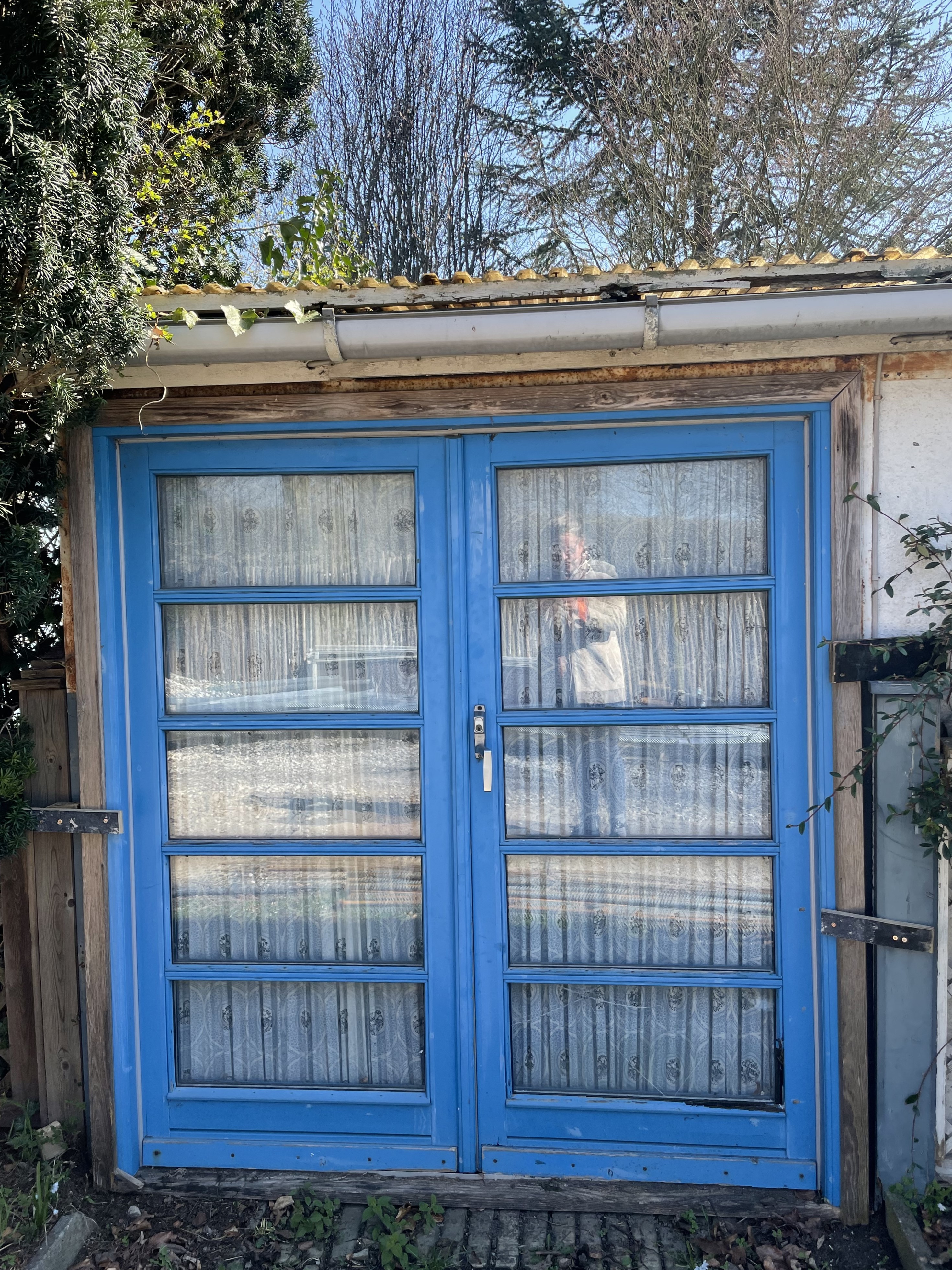

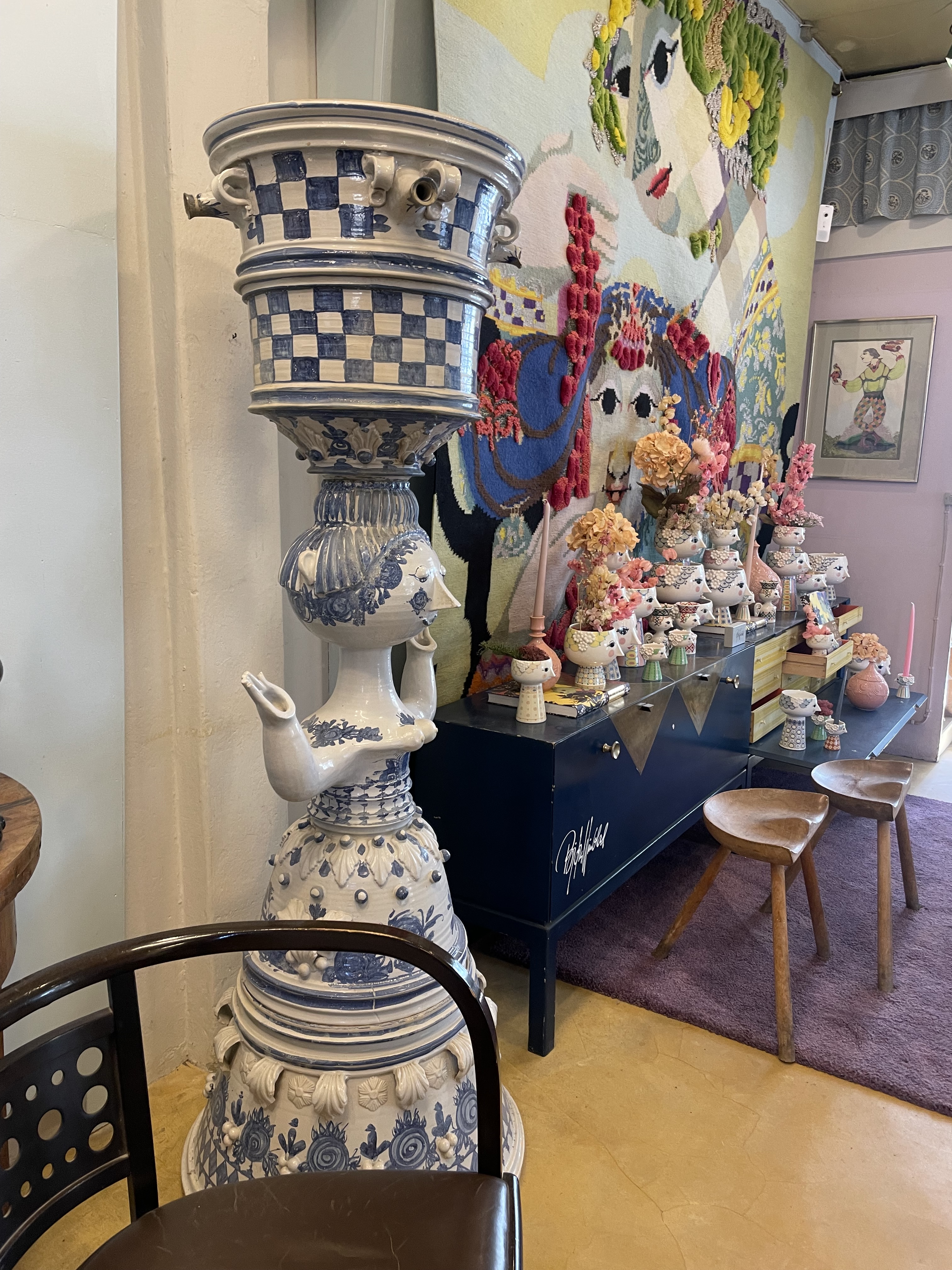


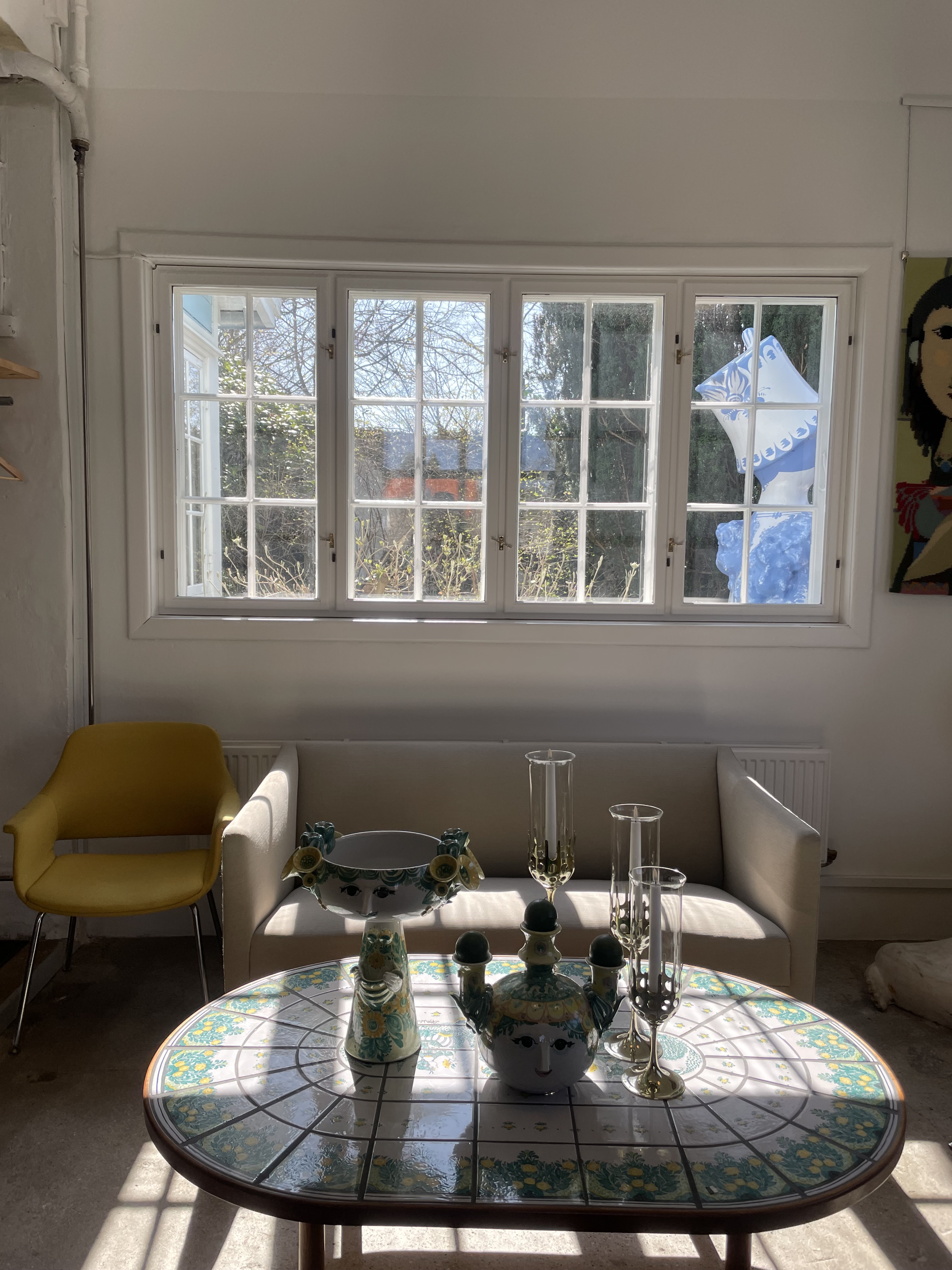



There was something extra special about a recent visit to Copenhagen. The last time there was a pre-pandemic Christmastime weekend spent sipping gløgg at a holiday market and watching The Nutcracker in Tivoli’s earthy, wood-paneled Concert Hall. We mainly traversed the city among the candlelit darkness, but this sun-fueled springtime jaunt centered around a pilgrimage to The Blue House. This is the former home (and now shrine) to the personal life and career of Denmark’s beloved Bjørn Wiinblad. One of the most famous modern day artists to emerge from post-war Denmark, Wiinblad created both private and commercial works – but was exceptionally successful on the retail side, reproducing his designs of whimsical women and fantastical, borderline psychedelic faces [mainly in pottery form] for houses Rosenthal and Nymølle Denmark – making his work accessible at all price points. Perhaps if you have a northern European grandma or are an antique-shop-rummaging pro, you will have most likely spotted his pottery reproductions nestled in a pile or hidden on a dusty shelf. I discovered his work at a Brighton Oxfam back in 2007, and knew my design interests would never be the same again; Wiinblad was my gateway into the world of 20th century Scandinavian arts.
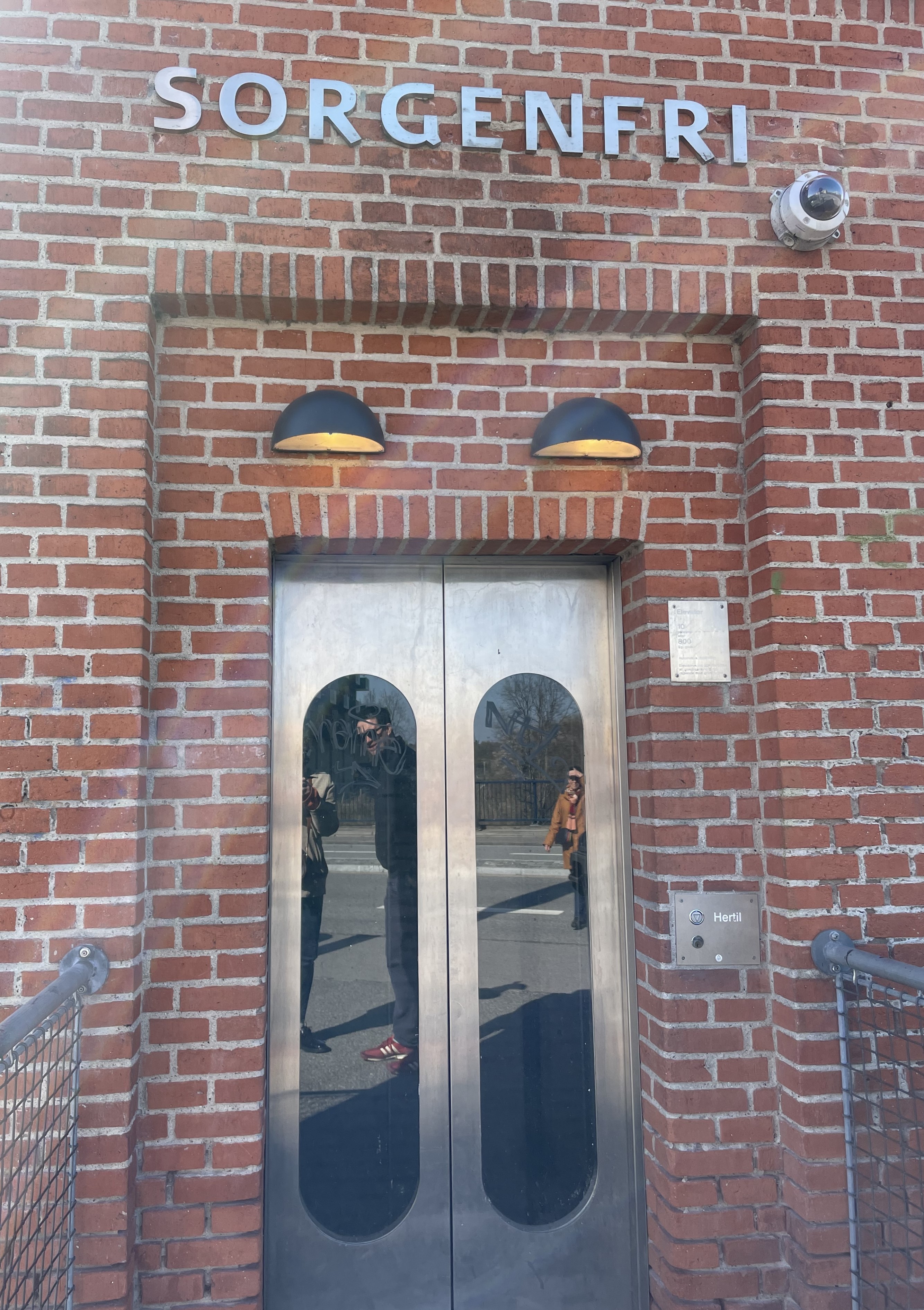
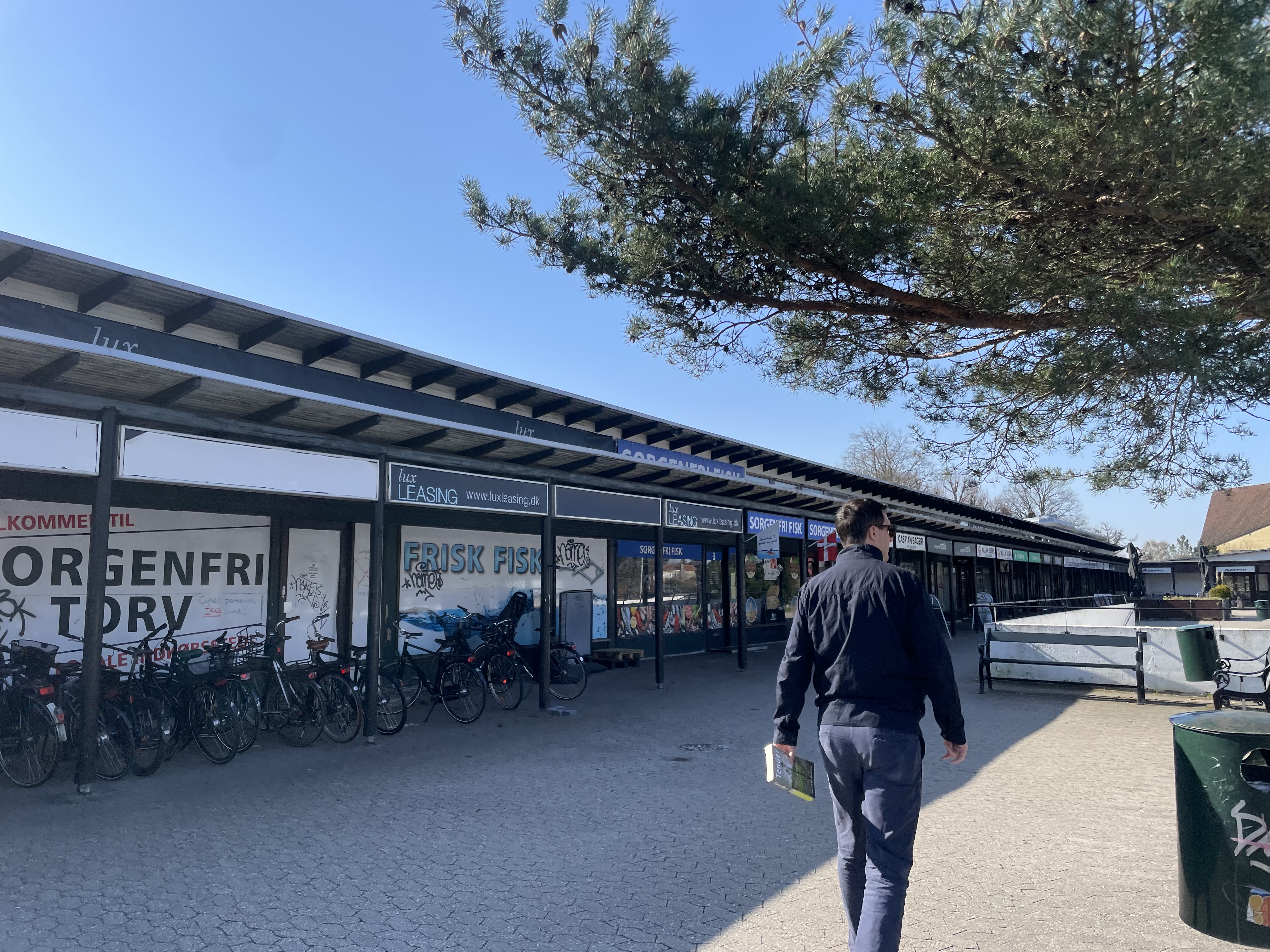
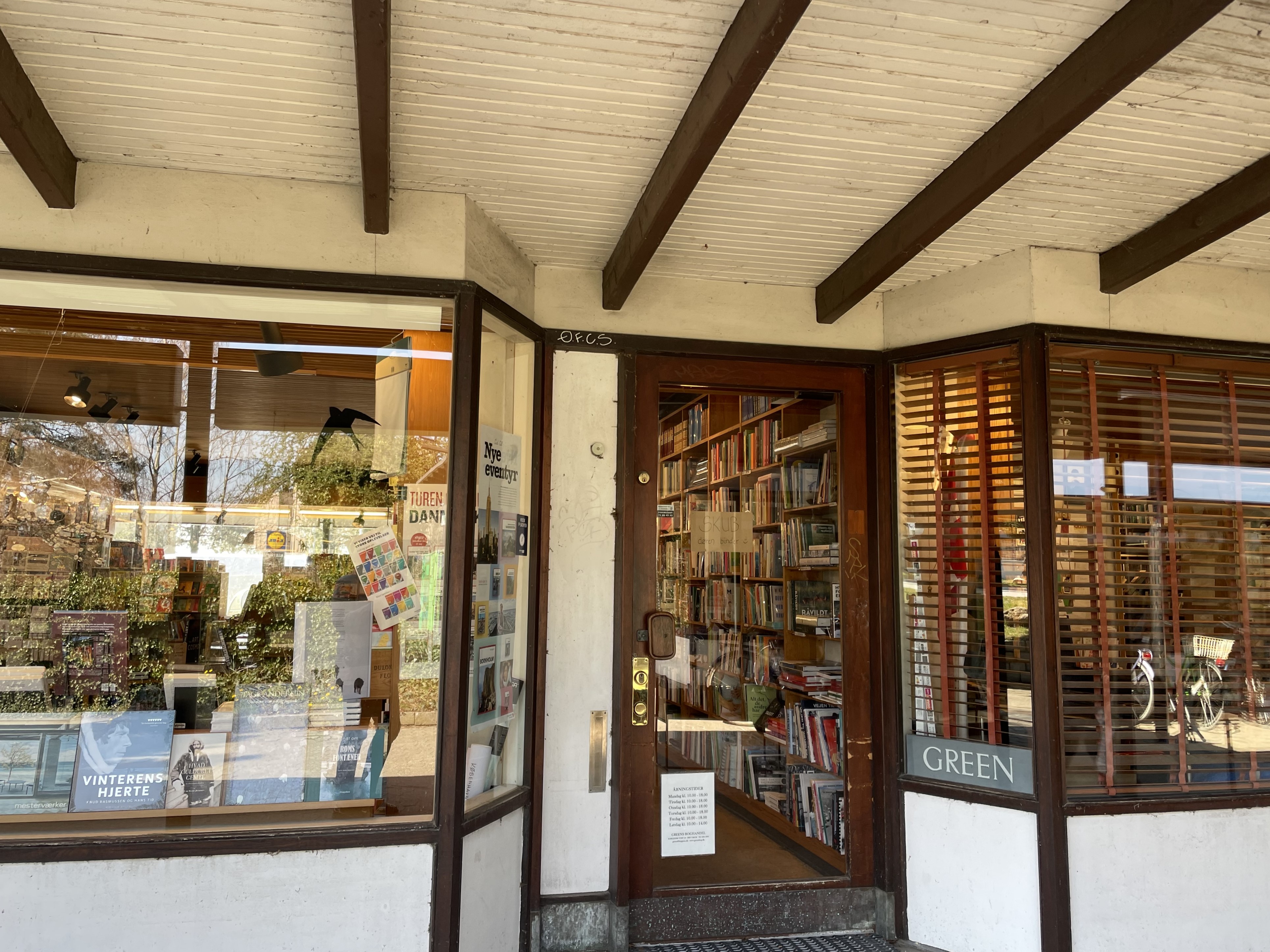
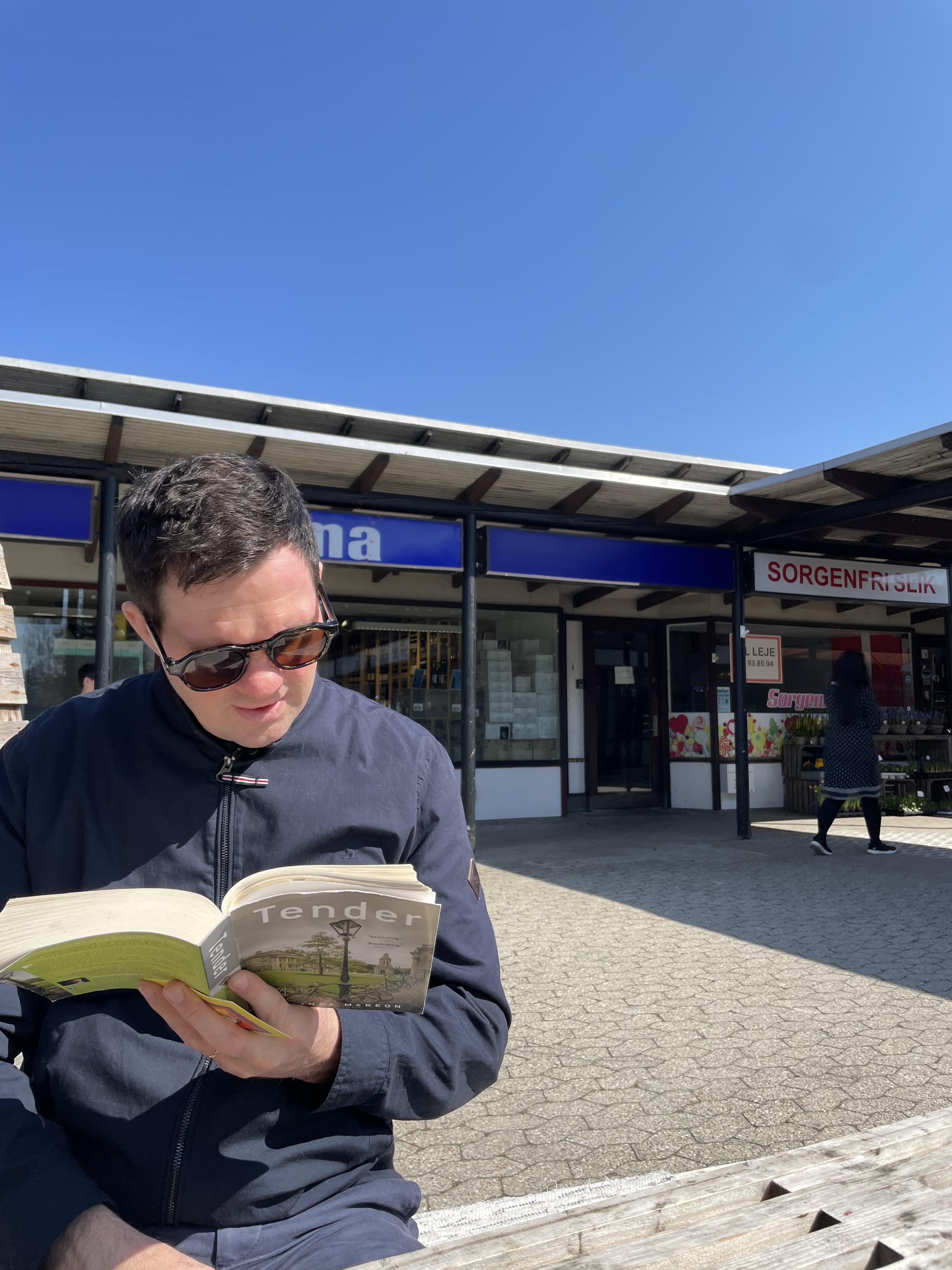
Taking the train from Copenhagen central about 30 minutes into the suburbs, you’ll wind up in the leafy Lyngby area. Exit at the Sorgenfri stop, and you’ll be met by a quaint set of local shops – worthy of a quick browse and hot dog snack. Make sure to pop into the bookstore Greens Boghandel (Sorgenfri Torv 20, 2830 Virum). Upon making conversation with the owner, it was immediate proof of how many lives Wiinblad touched in his community and beyond. The owner explained how he was once gifted with a custom-made piece of pottery that still sits on his desktop, and even disclosed details about the day of Wiinblad’s funeral. He went to “the house” and sipped champagne, nibbling luxurious bites – all meticulously planned by Wiinblad to reinforce his eternal love of finery. Even before approaching The Blue House it was a testament that this artist simply loved life and creating a sense of happiness for anyone in his orbit, even after his time on earth. I thought about how I discovered his work soon after his 2006 passing, a testament to the powerful afterlife that artists possess.
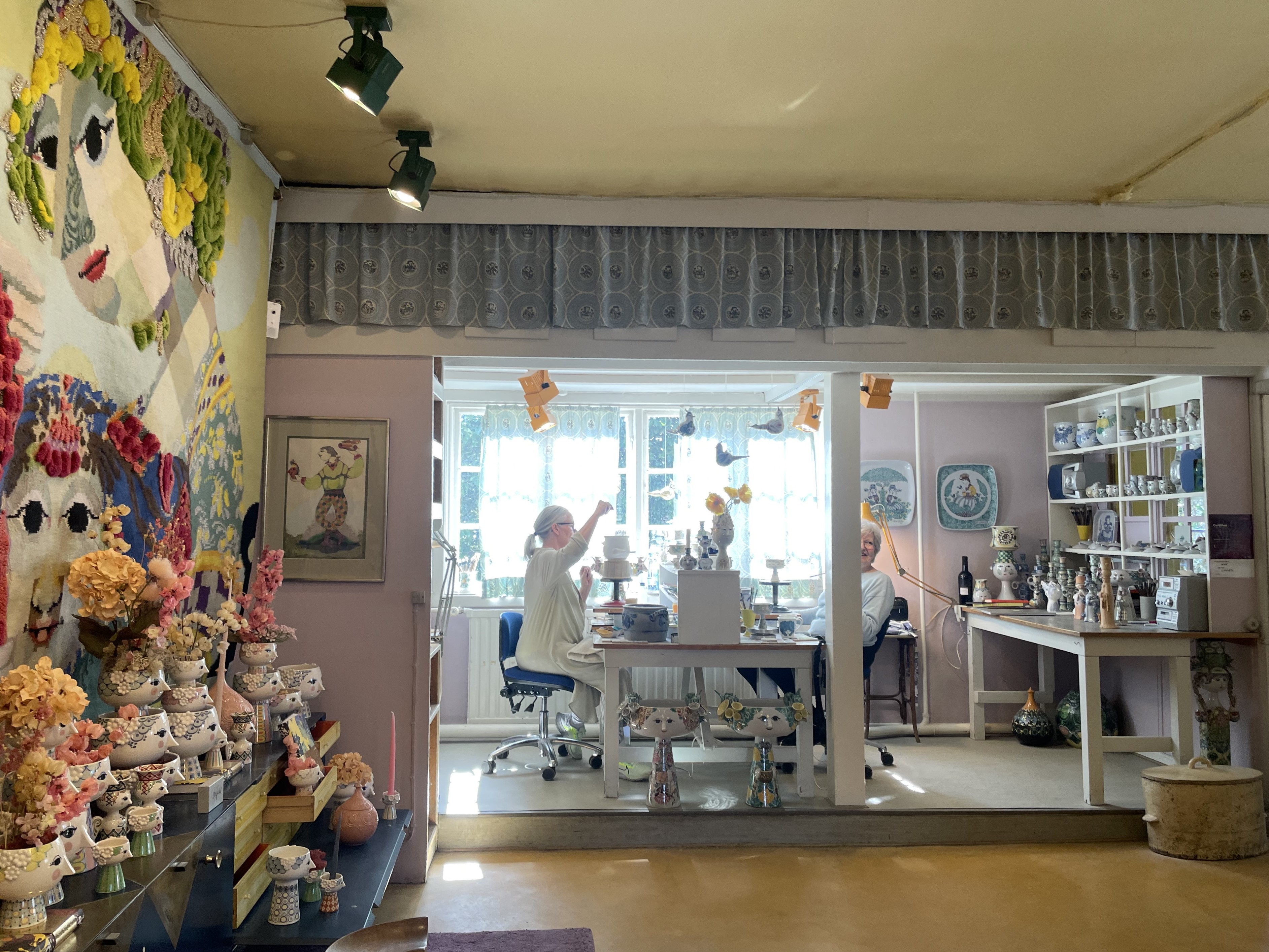
Private tours can be booked, hosted by Wiinblad’s longtime chauffeur and right-hand man, René Schultz. We were guided around the petite cottage property that sits over two floors – replete with a drafting room, workshop and private residence. Upon entering the workshop, you’re greeted by the artists studio where two older (whimsical) women sit on a daily basis, having been trained by Wiinblad when they were young. They now reproduce his pieces, with classical music playing in the background and the sun shining through. I have never felt like more of a voyeur into someone’s life, gazing at the midcentury monochrome rooms – a green-hued parlor with the seat cushions still showing signs of imprints, the grand but cozy blue dining room that literally sparkled – with handcrafted table settings [Wiinblad always customized his dinner guests’ placements] surrounded by what appeared to be some of his most beautiful pottery creations ever seen. You could envision the elaborate caviar-fueled dinner parties with the queen of Denmark and other celebrity friends. Housed in this modestly sized property were riches of a well-lived life – with no photographs allowed – which truly made you feel like modern life was miles away.
But, that is so Danish – having lived this larger than life existence, but in a modest, understated way. Mr. Schultz dazzled us with anecdotes where you could feel Wiinblad’s presence – such as another part of the funeral story – when the veranda’s ceiling tiles (all hand-placed by the artist) came crumbling down not long after his burial. Or, when I asked who inspired the faces of the whimsical women. I was expecting some grand response in the vein of Greek godesses, but Mr. Schultz simply retorted: “I think Bjørn was inspired by his mother’s face.”
I could not help but be emotional visiting The Blue House. It was everything I was expecting and more. There are few people whose life I would like to emulate, and Bjørn Wiinblad’s is one of them. He truly loved art, travel, and the wonderment of life. I hope that my fellow antique-mad travellers continue to discover his work and keep the appreciation for his whimsical aesthetic alive.

 elbows on the table